| Author |
 Replies: 8 / Views: 1,133 Replies: 8 / Views: 1,133 |
|
|
Pillar of the Community
United States
3360 Posts |
Can anyone help me understand what is going on here? The edge of the coin develops slanting shoulders from about 9k to 5k. The coin weighs 3.11g. The thickness of the coin is 1.65 mm at 10k and 1.42 mm at 6k. Diameter is 19.05 mm. The first image shows the change of width on the edge as the slanting shoulders increase in size. 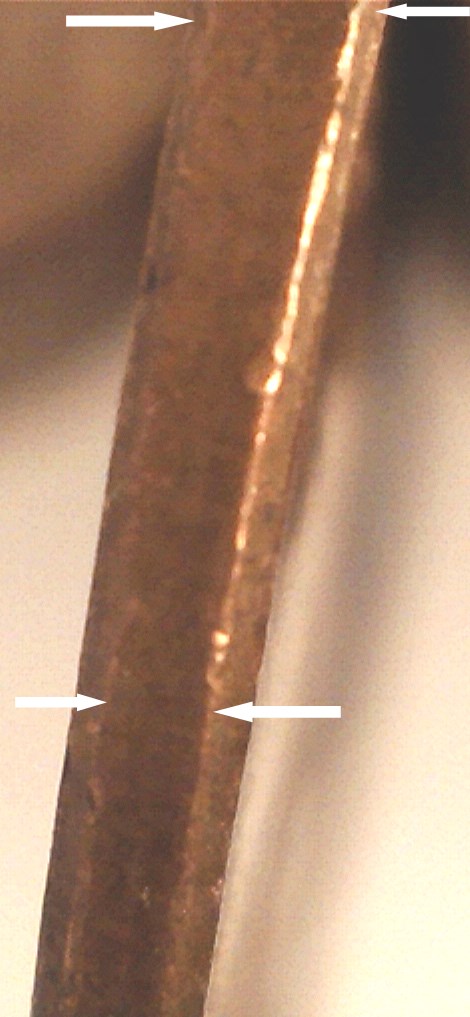 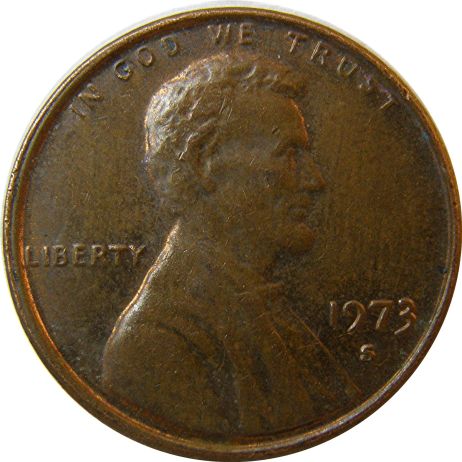 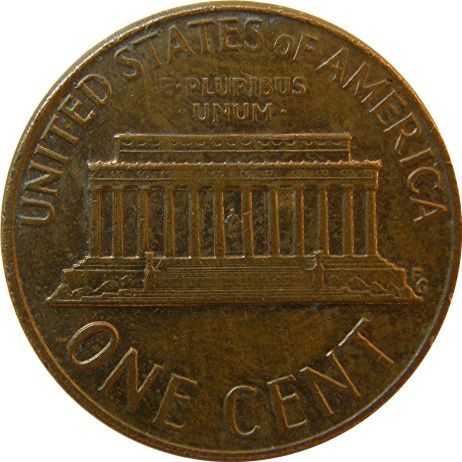 Edited by Pete2226
07/25/2015 10:40 am
|
|
|
|
Bedrock of the Community
United States
62064 Posts |
Your coin looks like there is finning in the9:00 area. The thinning could of happened in a counting machine that damaged the coin? There are a couple of nicks on that thinned area. So I don't think it was there when the coin was struck.
|
|
Pillar of the Community
 United States
3360 Posts |
Quote:
The thinning could of happened in a counting machine that damaged the coin? I see no evidence of counting machine damage. Nicks on the edge look like typical contact marks. The noticeable area around 9k resembles a very slight MAD. I remain puzzled by what I see here.  |
|
Pillar of the Community
United States
2775 Posts |
Upon first look the obv and rev seemed off center in the collar.
Was wondering if maybe a tapered planchet and or some other anomaly happened during strike. The finned side would account for thickness there. Still unsure and speculating. Thanks, Doug.
edit: that change in tapered edge width is something I've noticed in the past. Often wondered about it as well. Is that a product of the upset process, the planchet or the strike?
Edited by Halo1st
07/25/2015 2:48 pm
|
|
Pillar of the Community
United States
3360 Posts |
Quote:
that change in tapered edge width is something I've noticed in the past. Often wondered about it as well. Is that a product of the upset process, the planchet or the strike? I, too, have seen this kind of thing before. However, in this example, it is the most pronounced I have found. It is also the only example I have found where there is an actual measurable difference in the thickness of the coin from one place to the next. There is an article in Coin World on Tapered Planchets (12/20/10) but I do not seem to be able to access it online. Intuitively, it seems that could be a possibility, but I am remembering something about an uneven appearance to the devices when a Tapered Planchet is struck, so I don't know if this fits. Also, the edge is "offset" on a tapered planchet. See: https://goccf.com/t/173441 |
|
Pillar of the Community
United States
3360 Posts |
Quote:
the obv and rev seemed off center in the collar.
I had not noticed that the REV seems a bit off center, too. I am not sure what the significance of that is! |
|
Moderator
 United States
56855 Posts |
I have seen this kind of thing before. It goes all around the edge of the coin evenly. I would like to know what causes this also,will be waiting for some pros input. John1  |
|
Bedrock of the Community
United States
17884 Posts |
This is normal and if you cook at the edges of a lot of coins you will find a lot of coins like this. After upsetting the edge of the planchet is not flat. it may be rounded or semi trapezoidal (bevels to the rounded center). When the planchet is struck and starts expanding outward the center area of the edge contacts the collar first. As the planchet continues to expand the flat center of the edge gets broader and the bevels get smaller. With a full strike (as on a proof) the bevels disappear completely and the flat edge squarely meets the flat rims.
The expansion does not always occur evenly so you can have varying width of the edge flat and the size of the bevels as you go around the coin.
|
|
Pillar of the Community
United States
3360 Posts |
 Excellent explanation, Condor101! Thank you! That makes a lot of sense! This one was a lot more pronounced than most I have seen. I was certain this had to be the result of the way the coin was struck. Edited by Pete2226
07/26/2015 06:49 am
|
| |
Replies: 8 / Views: 1,133 |
|









 Posted 07/25/2015 1:53 pm


