| Author |
 Replies: 20 / Views: 2,192 Replies: 20 / Views: 2,192 |
|
Valued Member
United States
148 Posts |
|
|
|
|
Valued Member
United States
486 Posts |
i would say PMD but it could be a straight clipped planchet. I'm no expert though but it looks off to be a clip |
|
Valued Member
United States
144 Posts |
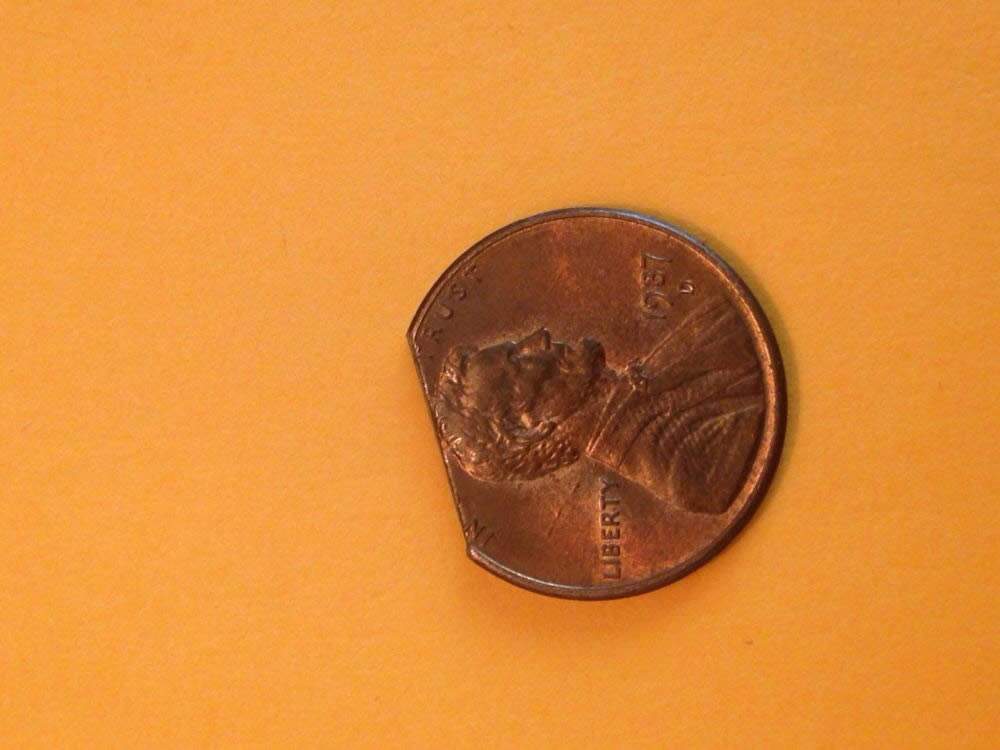
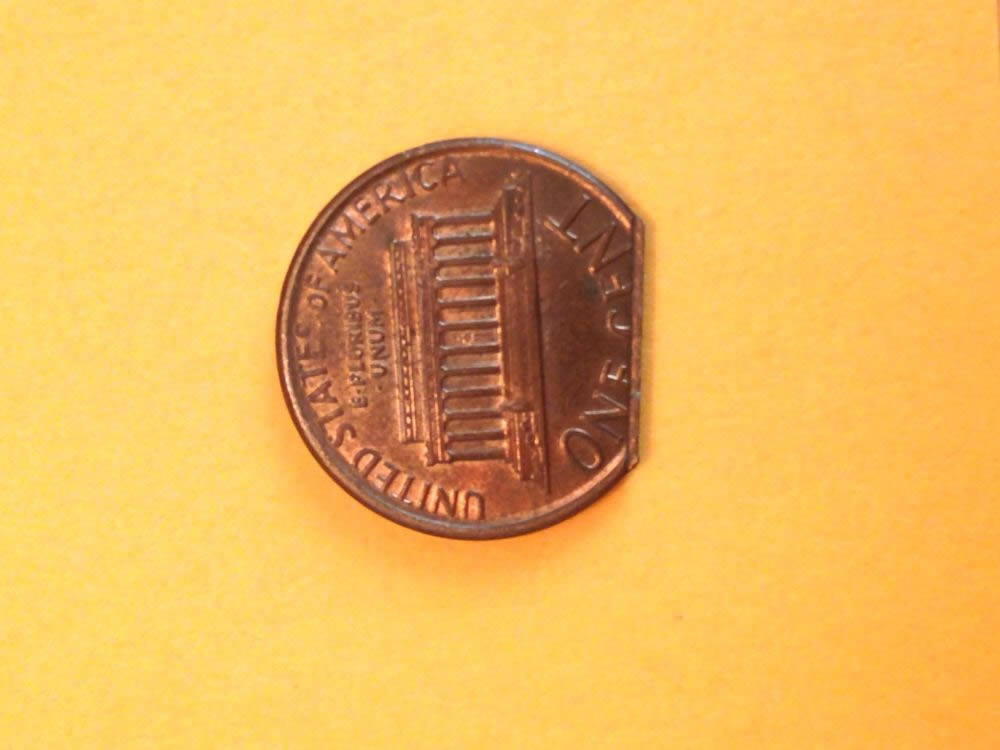
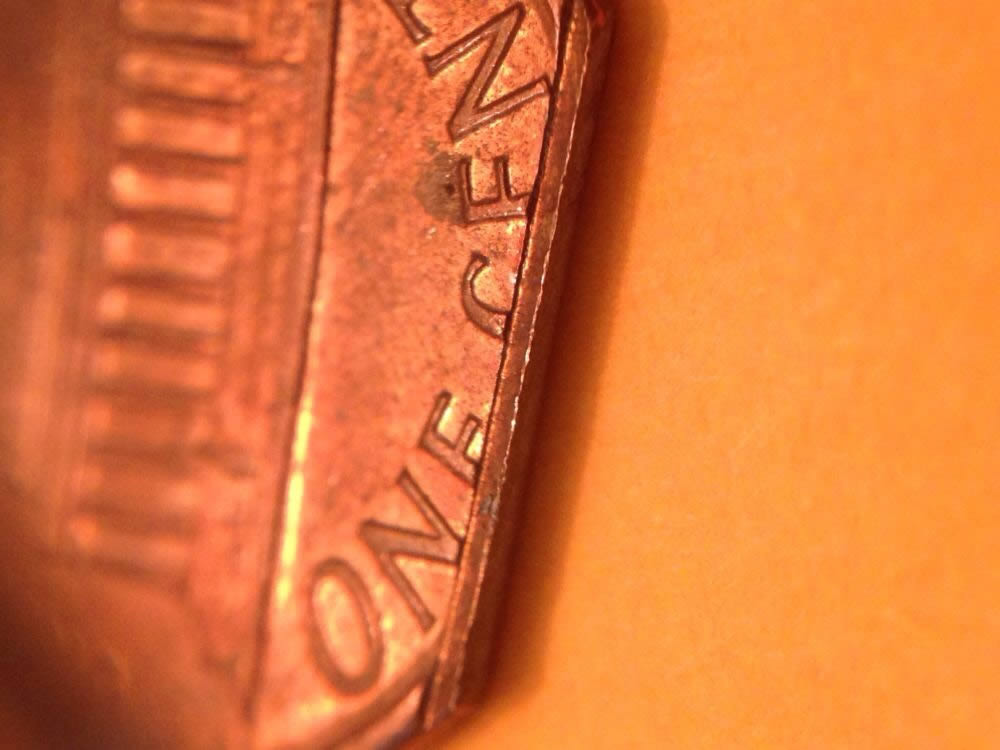
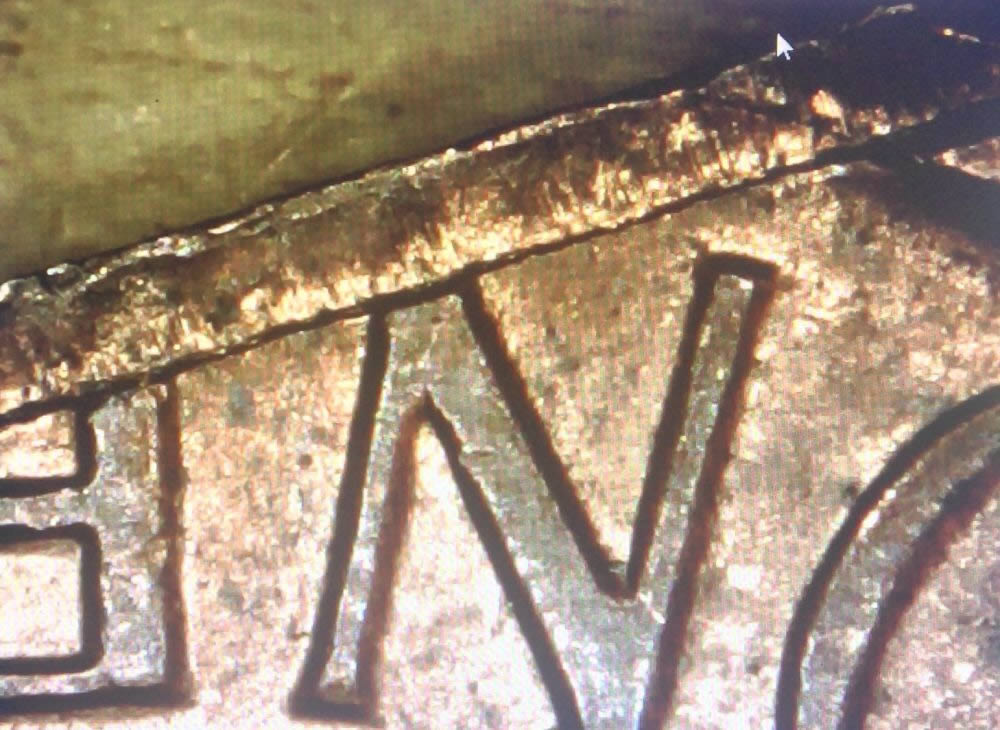
I'm not an expert but I don't think it is. Here's what I've read about them, mostly from Coop: Straight incomplete clipped planchets have a weakness towards the rim area of the clip. And there's also the Blakesley Effect which is a weakness in the rim directly opposite the clipped area (below the bust obverse, above ATES OF on reverse, in this case). This happens because where the metal is missing, the upset mill has nothing to push against to create a fully formed rim. On your coin, the opposing rim appears fully formed. Another clue might be there in your third photo: In the samples I've seen online, the rim there near the letter N of CENT comes more to a point right at the rim. In this coin it doesn't come to a point there and is abruptly cut off. That suggests to me that this happened after ( PMD). If it was during the upset mill process, there should have been more metal coming to a point near the edge. Edited by profiler
07/31/2015 6:02 pm
|
|
Valued Member
United States
134 Posts |
Someone snipped it with a bolt cutter?
|
|
Rest in Peace
United States
7075 Posts |
I think it is PSD because the rim doesn't taper. Can't say for certain....  |
|
Bedrock of the Community
United States
12437 Posts |
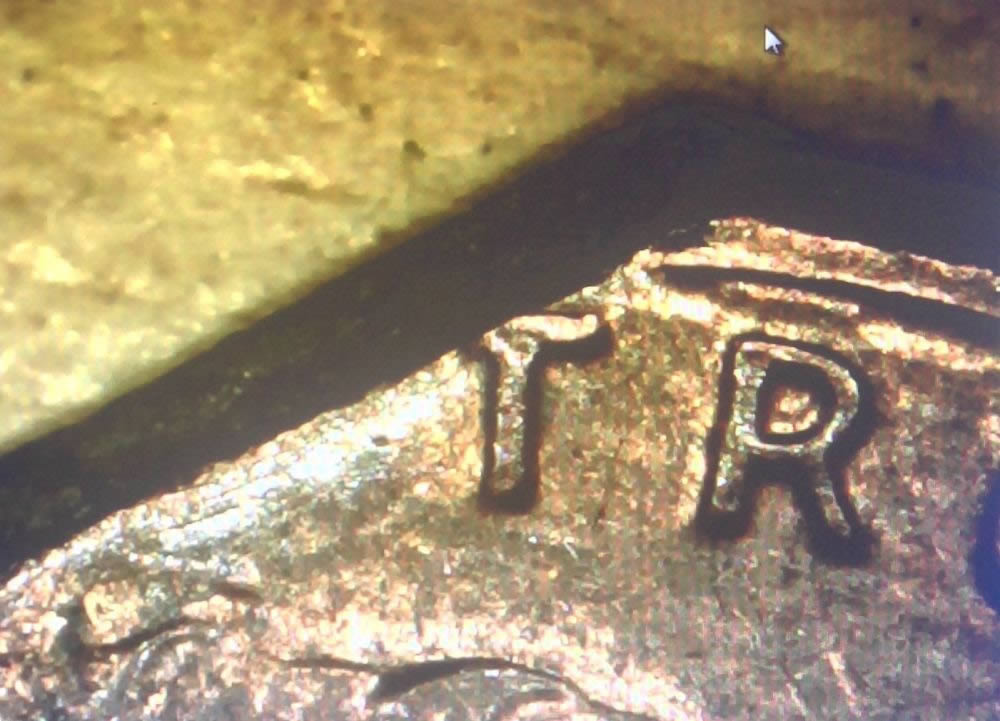
Since there is no exposed zinc on the edge, the only possibility is that it is a straight clip punched from the edge or end of the metal stock sheet.
Edited by biokemist6
07/31/2015 6:13 pm
|
|
Rest in Peace
United States
7075 Posts |
 biokemist6 biokemist6 -- Thanks!! Aaron1978 -- Nice find! Enjoy! |
|
Valued Member
 United States
148 Posts |
Thanks for everyone's input. I appreciate it!
|
|
Pillar of the Community
United States
2376 Posts |
This happened post strike . There is no fading of the design elements and no Blakesley effect at all which would be there to some extent on a clip this large.
To get a true color of the edge in question photograph the coin on a white paper background and colorballance for the background. The colorballance of these pics is off from shot to shot.
Edited by stoneman227
08/01/2015 06:00 am
|
|
Pillar of the Community
United States
6478 Posts |
|
|
Pillar of the Community
United States
5196 Posts |
agree with SSk and stonrman227 PMD. |
|
Bedrock of the Community
United States
62064 Posts |
I have to agree with biokemist6. The plating is present. The devices are not weak, but you can see them on the clipped area blow the "E" on CENT. (if the coin was clipped the clip would be ragged. It is not. It is like the rest of the rim area. Note the ends of the clip. They are normal looking. I'm on the side of the real deal error coin. Nice find!
Edited by coop
08/03/2015 6:51 pm
|
|
Pillar of the Community
United States
3463 Posts |
Like stoneman227 said, no signs of the Blakesley effect and on a clip this large, there would almost have to be some. I wonder if it could have been pinched off, and the pinching caused the Copper layer to smear over the edge. It does appear to have a seam in the center of the clipped edge.
|
|
Bedrock of the Community
United States
62064 Posts |
You couldn't get this no matter how you tried. It is the real thing. (the most convincing image is the one with the ONE CENT) Take a look again at the area 180 degrees from the clipped area. (In this case over the edge of the stock) Note the weakness of the strike on both sides of the coin in that area. If it were a PSD damaged coin, it would be strong on these areas. Edited by coop
08/03/2015 10:23 pm
|
|
Valued Member
United States
241 Posts |
Could you show a picture straight on of the clipped area?
|
|
Pillar of the Community
United States
3463 Posts |
My eyes sometimes don't know how to interpret a photo. Does the reverse side of the coin have a step on it and the obverse just a straight cut?
|
| |
Replies: 20 / Views: 2,192 |











 Posted 07/31/2015 5:53 pm


