| Author |
 Replies: 142 / Views: 23,023 Replies: 142 / Views: 23,023 |
|
|
|
New Member
United States
26 Posts |
Rockwell test diamond marks on quarter 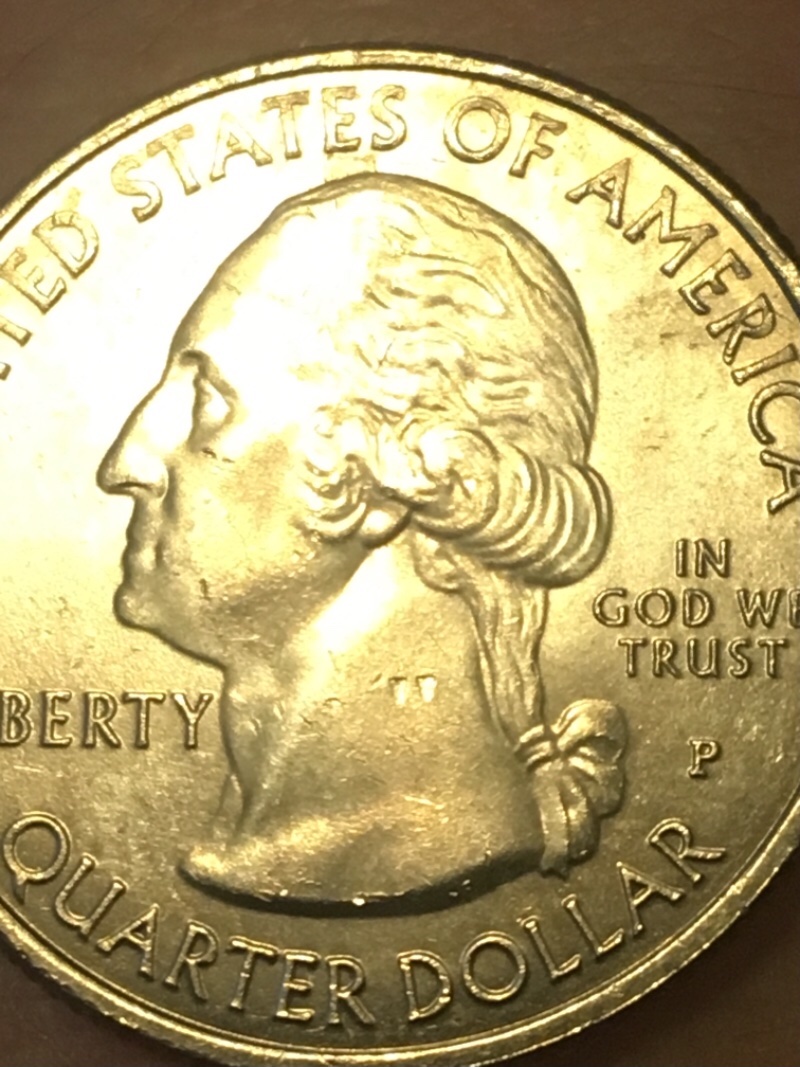 |
|
New Member
United States
26 Posts |
Here's my penny with Rockwell test mark Maybe 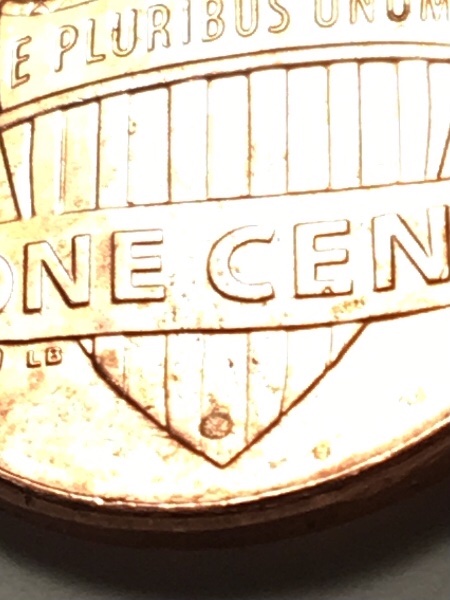 |
|
Pillar of the Community
 United States
3363 Posts |
Not Rockwell test marks on the quarter (the Rockwell Test Indenter has a shape which is hemispherical) and the cent is doubtful - too much glare to see clearly.
Edited by Pete2226
05/13/2018 3:44 pm
|
|
Pillar of the Community
United States
3363 Posts |
|
|
Pillar of the Community
United States
939 Posts |
Well this sucks, I did have one of those a long time ago but I thought someone shot it with a Bee bee gun
|
|
Pillar of the Community
United States
3363 Posts |
Quote:
I did have one of those a long time ago but I thought someone shot it with a Bee bee gun The primary indicator of such a strike is an "anvil effect" on the opposite side of the coin from the depression. An "anvil effect" is a raised area corresponding to the shape and depth of the depression. |
|
Valued Member
United States
270 Posts |
Hello gang! I'm really new to this but it looks like it was used for target practice with a BB gun
|
|
Pillar of the Community
United States
8715 Posts |
Suspense84, those are not Rockwell test marks. Just bag marks.
|
|
Pillar of the Community
United States
3363 Posts |
Quote:
it looks like it was used for target practice with a BB gun If you are referring to the cent (the last coin posted)  We need to see if there is an anvil effect on the other side of the coin, although there might not be one if it was an extremely light hit. The mark appears to be approximately 0.75 mm in diameter. A BB is approximately 4.4 mm. A close up of the depression may show that it is shallow enough to be from a light hit. The slope of the sides of the depression is key to understanding. Also a close up photo might help us see whether there is a pressure ridge. There is a discussion about this in Appendix B of the paper referenced. Link to the paper: https://conecaonline.org/rockwell-h...ncoln-cents/ |
|
Valued Member
United States
270 Posts |
I might be way off base but it looks like somebody shot them with a bb gun.
|
|
Valued Member
United States
270 Posts |
Im sorry I forgot that I've already put in my Two Cents |
|
Valued Member
United States
260 Posts |
While I was searching early 1960's proof cents for doubled die reverses I came across this crater like mark on the reverse of a 1963 proof cent. It's difficult to tell if there is a corresponding "bump" on the obverse as it would be located on Lincoln's bust. Thought this might be the thread to post it in 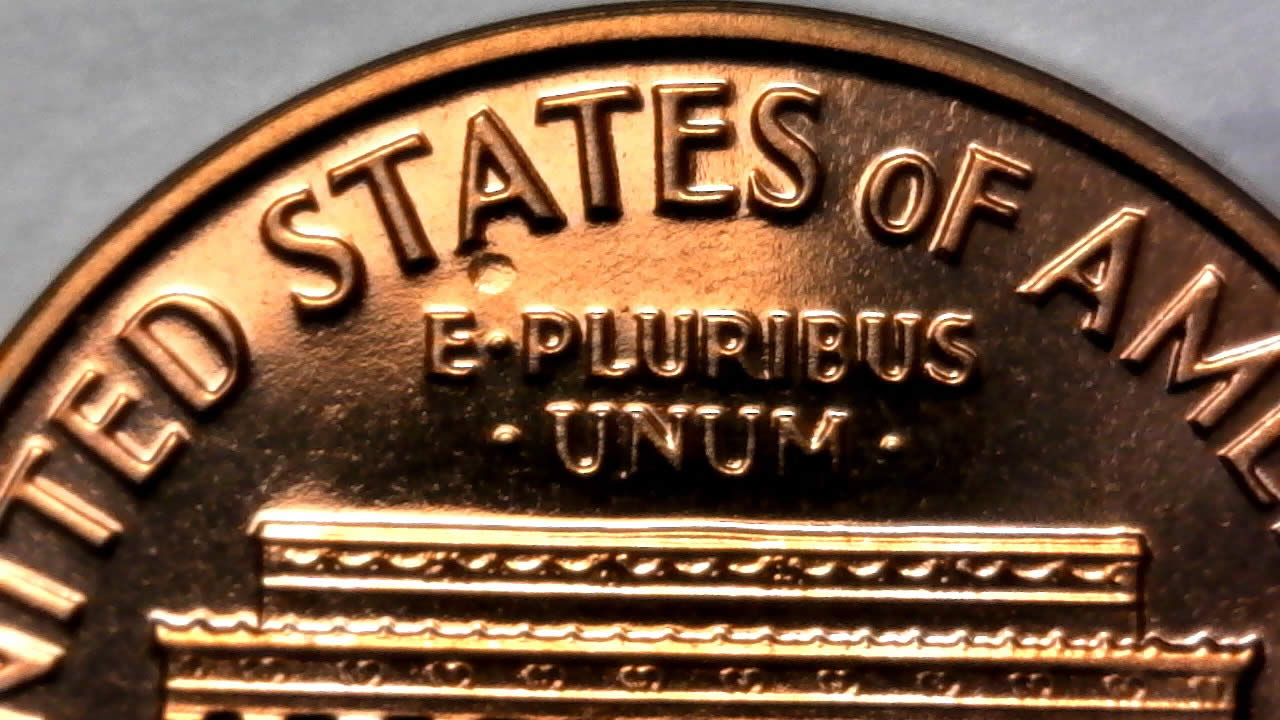 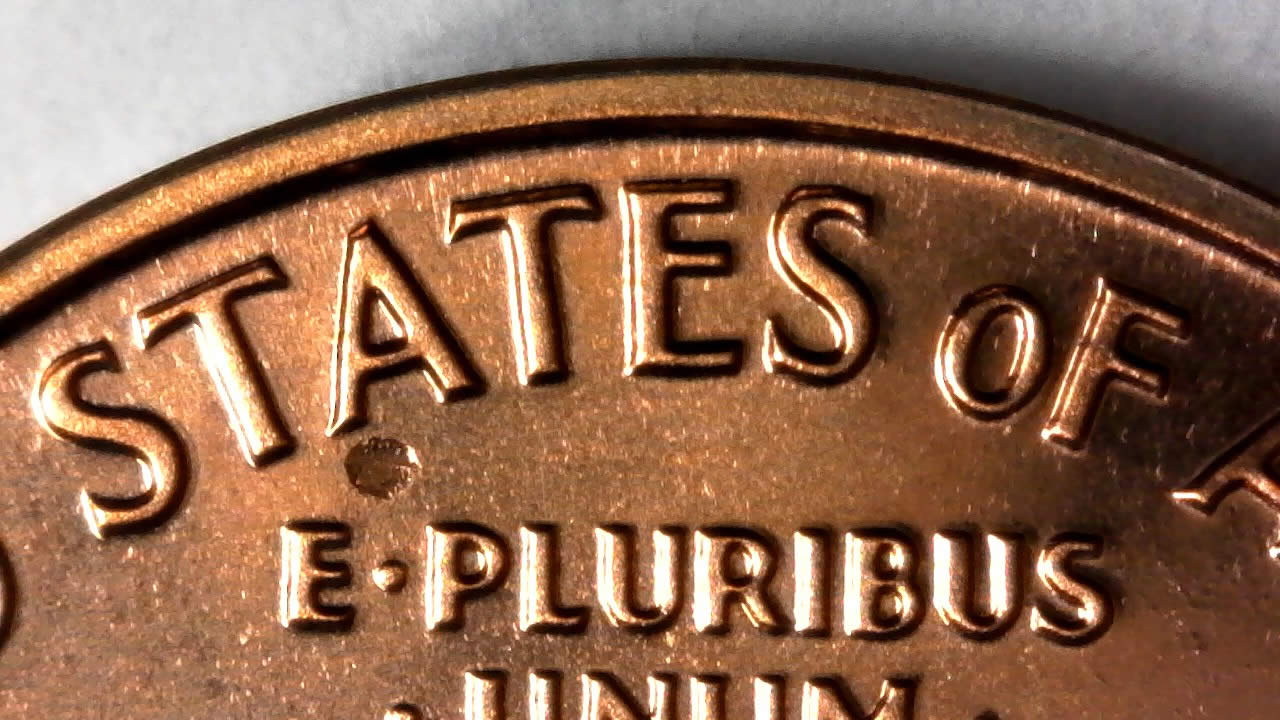 |
|
Pillar of the Community
United States
3363 Posts |
Very interesting! It is a bit larger diameter than would be expected for a Rockwell Test Mark. Also the inside of the mark does not appear to be smooth - which it needs to be for a Rockwell Test Mark. At the same time I do not detect a pressure ridge - which would certainly rule out a Rockwell Test Mark.
Thanks for posting!
|
|
Valued Member
United States
260 Posts |
The inside of the mark is not smooth as shown in the article linked above but like you said there doesn't appear to be a pressure ridge. This coin was still in the proof cello when found.
|
|
Pillar of the Community
United States
3363 Posts |
In attributing a Rockwell Mark, you do not want a pressure ridge to be present. That is the one thing your coin has going for it. The other 2 points suggest it is likely not a Rockwell Test Mark.
|
| |
Replies: 142 / Views: 23,023 |







 First Page
 Previous Page


 Posted 05/13/2018 1:56 pm





