| Author |
 Replies: 142 / Views: 23,029 Replies: 142 / Views: 23,029 |
|
|
|
Bedrock of the Community
United States
79456 Posts |
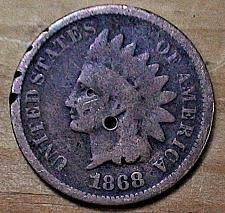
Piercethegrimes, that's not a Rockwell Test Mark. It was Struck Through Debris most likely.
Errers and Varietys.
|
|
New Member
36 Posts |
|
|
Pillar of the Community
United States
4846 Posts |
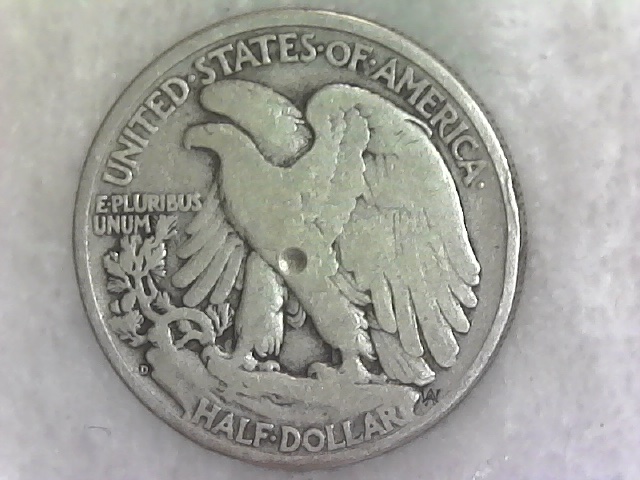
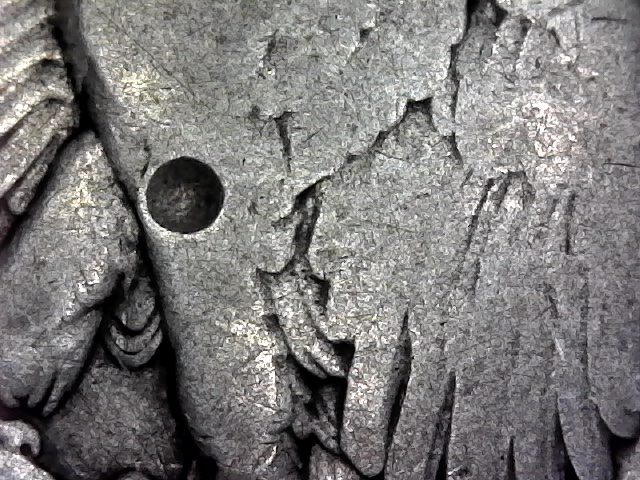
those are both post mint damage loubaby, the first one due to the "lip" of metal around the divot, a pre strike mark would not have metal flow around it like that because the striking force would have smoothed it out. The second one because the marks on the reverse affect the obverse, the marks on the obverse would have once again been smoothed out by the striking force.
|
|
Valued Member
United States
485 Posts |
|
|
Pillar of the Community
 United States
3363 Posts |
ccobb - very interesting!
Can you measure the diameter in mm - to one decimal (or 2)?
|
|
Valued Member
United States
485 Posts |
@Pete2226 I'll be happy to do that but need to buy calipers so Ill get back to you soon! I have several coins with this Rockwell "crater" but I'm new to coin searching and didn't know what they were so just stored them. As I come across them again I'll post!
|
|
Pillar of the Community
United States
3363 Posts |
Let me know! I looked for 2 things in your photos. Perhaps they can be seen with coin in hand?  A ridge of metal (pressure ridge) somewhere on the circumference of the "crater" A raised area (anvil effect) on the side opposite the "Crater" The presence of either argues for damage after the strike. I saw neither, but sometimes features like these may be seen with coin in hand when not obvious in photos. |
|
Valued Member
United States
485 Posts |
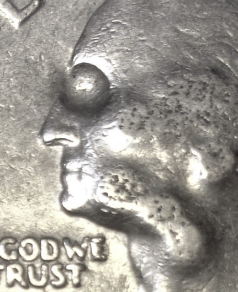
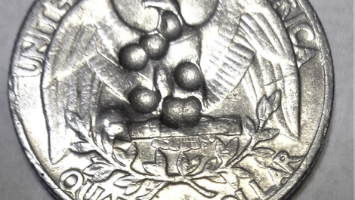
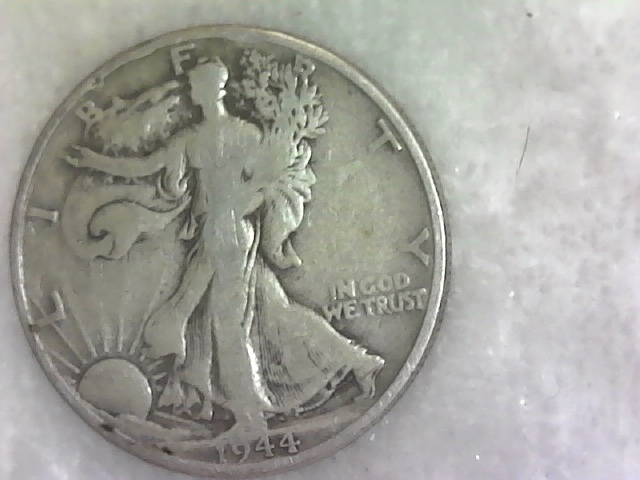
@Pete2226 Yessir I know exactly what you are talking about and that walking liberty has neither a raised rim nor the protrusion on the opposite side! The Kennedy half pictured here is questionable bc a raised rim is barely visible and the Washington quarter looks legit even though the crater shape has been deformed by the strike but the eagle has a goiter protruding from his neck! Anyway, I for one appreciate your research. I find it fascinating! and will only post the ones I come across that I think are true R test marks! Thank you! 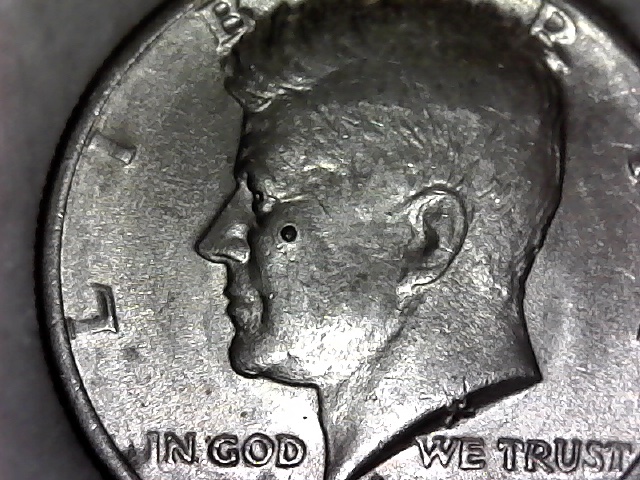 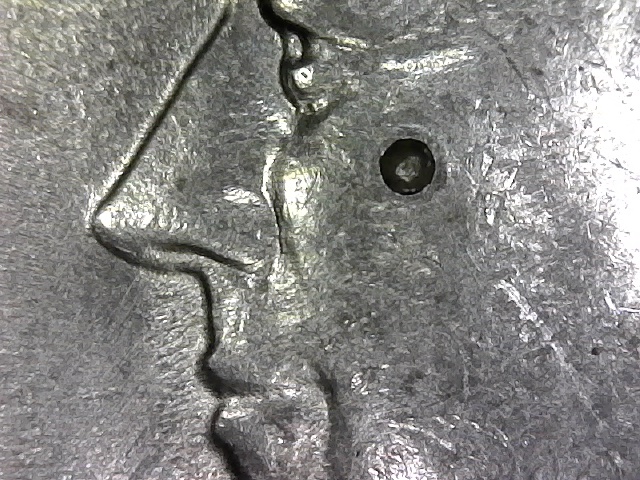 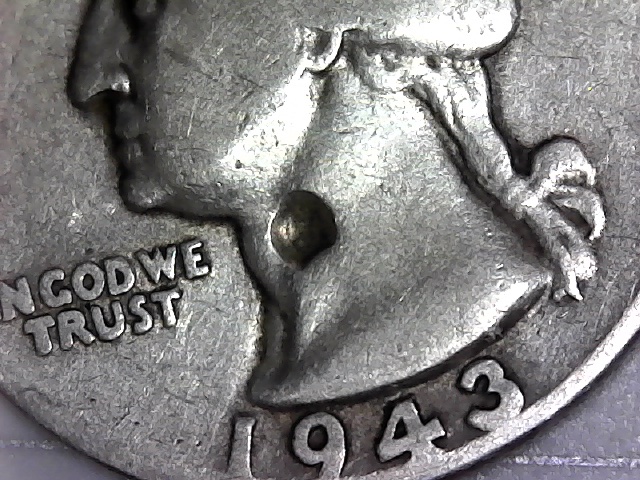 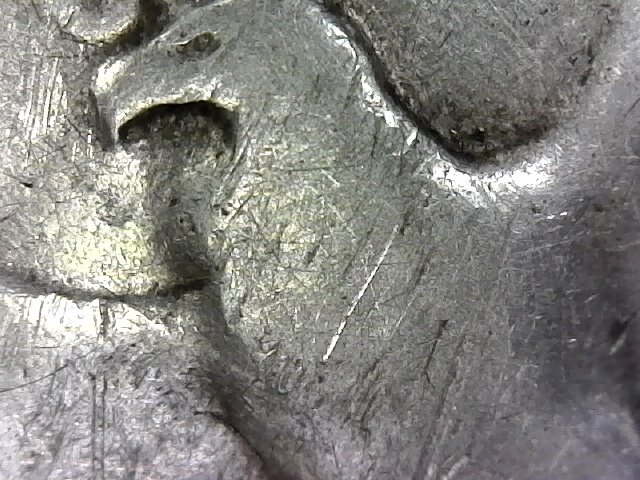 |
|
Pillar of the Community
United States
2752 Posts |
All of the coins posted by ccobb show post-strike damage. Some months ago in Coin World I questioned the nature and origin of those few hemispherical depressions that represented pre-strike damage. I concluded that none of the ones I discussed were likely to be Rockwell test marks applied to planchets. Error coin writer and researcher.
|
|
Bedrock of the Community
United States
62064 Posts |
|
|
Valued Member
United States
485 Posts |
@Pete2226 well there you have it! My photos were ALL shot down by mikediamond. Which I already stated the Kennedy half and Washington quarter I was doubtful of but now he says the Walking liberty also is PSD. Would you still like to know the diameter of the damage on her or do you want to take Mike's word as truth? Let me know, I'll be glad to measure when I get calipers! |
|
Pillar of the Community
United States
3363 Posts |
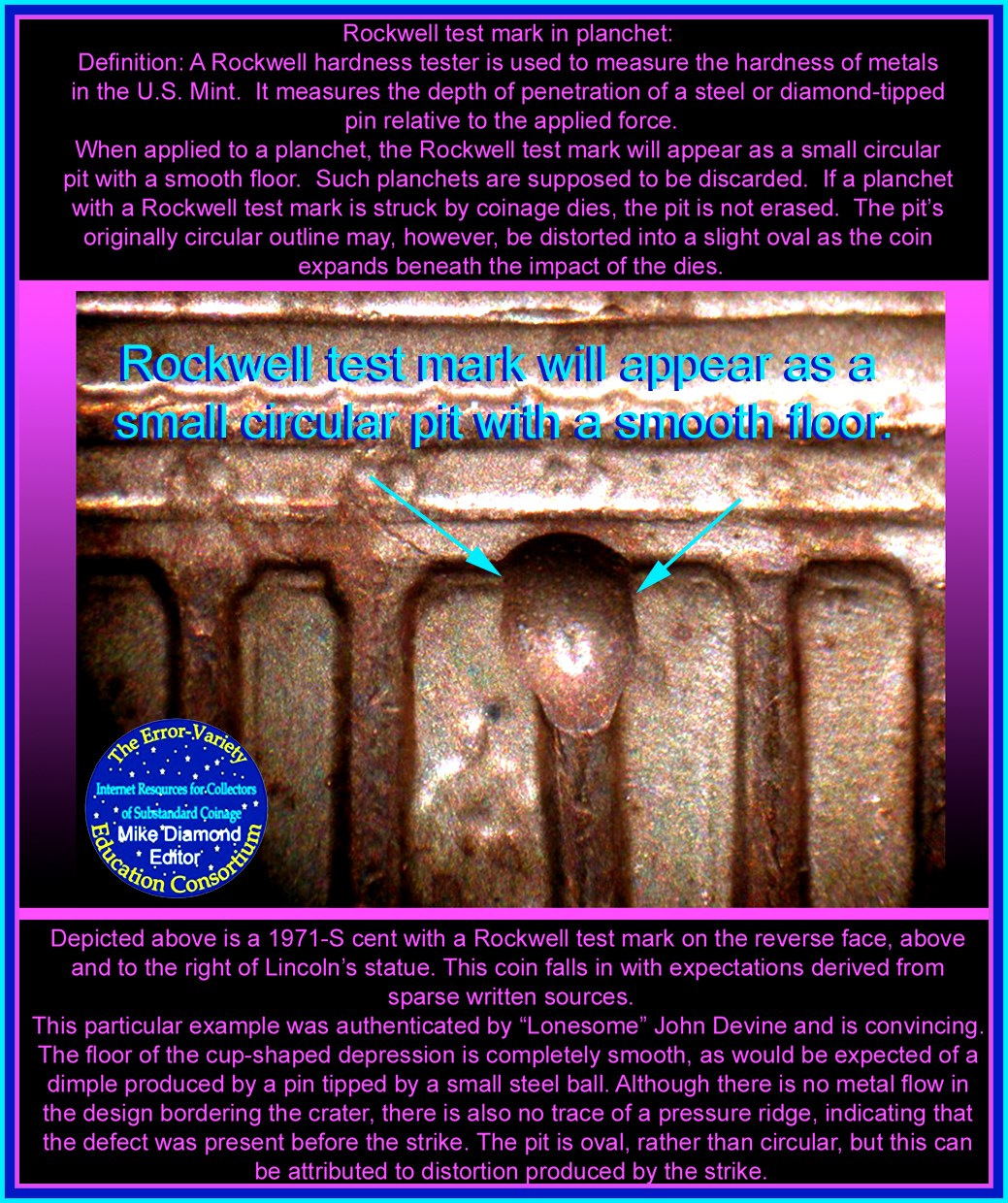
coop - that is a nice image presentation. However, the John Devine authenticated test mark raises some problematic questions I know of no answers to. The size of the indentation on the John Devine authenticated test mark is the size one would expect from a Rockwell B scale test. The Mint did not use Rockwell B scale except with the silver clad Kennedy half planchets. With all others, the Mint used Rockwell 15-T. The difference is not the size of the indenter used in the 2 tests, but in the amount of pressure used with each. 15 kg for 15-T and 100 kg for B. Thus the B scale indenter made a deeper indention which meant a greater diameter. Both indenters were 1.588 mm in diameter. Edited by Pete2226
03/16/2019 3:23 pm
|
|
Pillar of the Community
United States
3363 Posts |
ccobb - I would still like to know. I am unable to discern, from Mike's comments, if he meant all your photos just in the previous post or if he included the photo in the prior post also.
In either case, I would like to know the measurement of the indention in the 1944 half. I have given significant effort to studying these Rockwell tests and Mike was a big help to me - editing the paper I published on them. I look for every opportunity to add to or correct my knowledge and knowing your information would help.
|
|
Pillar of the Community
United States
3363 Posts |
ccobb - Looking at your walking liberty 1944 again - I see what may be a raised area on the hip - which would be in the right place for an anvil effect(flattened a bit). Take a look at it and tell me if it is there with coin in hand
Edited by Pete2226
03/16/2019 2:11 pm
|
|
Pillar of the Community
United States
2752 Posts |
In my most recent Coin World article on hemispherical depressions, I concluded that the alleged Rockwell test mark on the 1971-S cent was probably something else. Since this was supposed to be the best example of a such a planchet defect, there currently exist no convincing examples. Error coin writer and researcher.
|
| |
Replies: 142 / Views: 23,029 |







 First Page
 Previous Page


 Posted 08/22/2018 10:49 pm