| Author |
 Replies: 142 / Views: 23,027 Replies: 142 / Views: 23,027 |
|
|
|
Pillar of the Community
 United States
3363 Posts |
Previously I have stated the following: Quote:I know the odds are low that a Rockwell Test Mark will make it through the minting process. I am also thinking that the odds are low - or even much lower - that a random contact mark on a coin  would have the same hemispherical cross-sectional profile as a Rockwell Test Mark AND show the same depth as a Rockwell 15T test mark AND have the same diameter as a Rockwell 15T test mark (adjusted for the strike) AND not leave a pressure ridge AND not leave an anvil effect (bulge) on the opposite side of the coin. My point was to say that if all these factors are present, then the possibility of an indentation being a Rockwell Test is high. I am thinking that one more factor needs to be added to the list: Since Rockwell Testing Protocol indicates that 2 or more tests per item tested are required, if a coin shows 2 or more such indentations, odds are significantly increased that the indentations are Rockwell Test Marks made on the planchet. |
|
Pillar of the Community
United States
2775 Posts |
Fyi, when I had access to a few Rockwell scales used for hardness testing at the production plant I used to work at. Note: not mint related.
At the time it never dawned on me to test a coin. We had specific harden steel pucks used for calibrations prior to testing material intended to be machined or retested after.
I was on the communication side of things. Establishing and maintaining serial communication for uploading data through the network. Wishing now I had ask to experiment with some coins. I'm thinking others have thought of that. Thanks, Doug.
Edited by Halo1st
03/16/2019 7:08 pm
|
|
Bedrock of the Community
United States
62064 Posts |
If you still have contact with someone, you might be able to get him to prepare something for you?
|
|
Pillar of the Community
United States
2775 Posts |
Quote:
If you still have contact with someone, you might be able to get him to prepare something for you? Sadly in todays world, there're probably be  fists a flying.  Thanks, Doug. Edited by Halo1st
03/16/2019 7:17 pm
|
|
Pillar of the Community
United States
3363 Posts |
Most towns today have companies capable of metals testing. If you want Rockwell Tests done on a coin you can take it there. The company in my town did the tests for free. Of course, that may have been because the owner of the company was once a Cub Scout in a Den a ran!  |
|
Pillar of the Community
United States
3363 Posts |
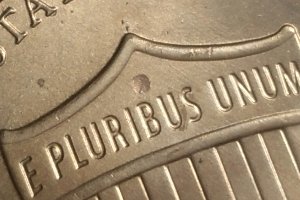
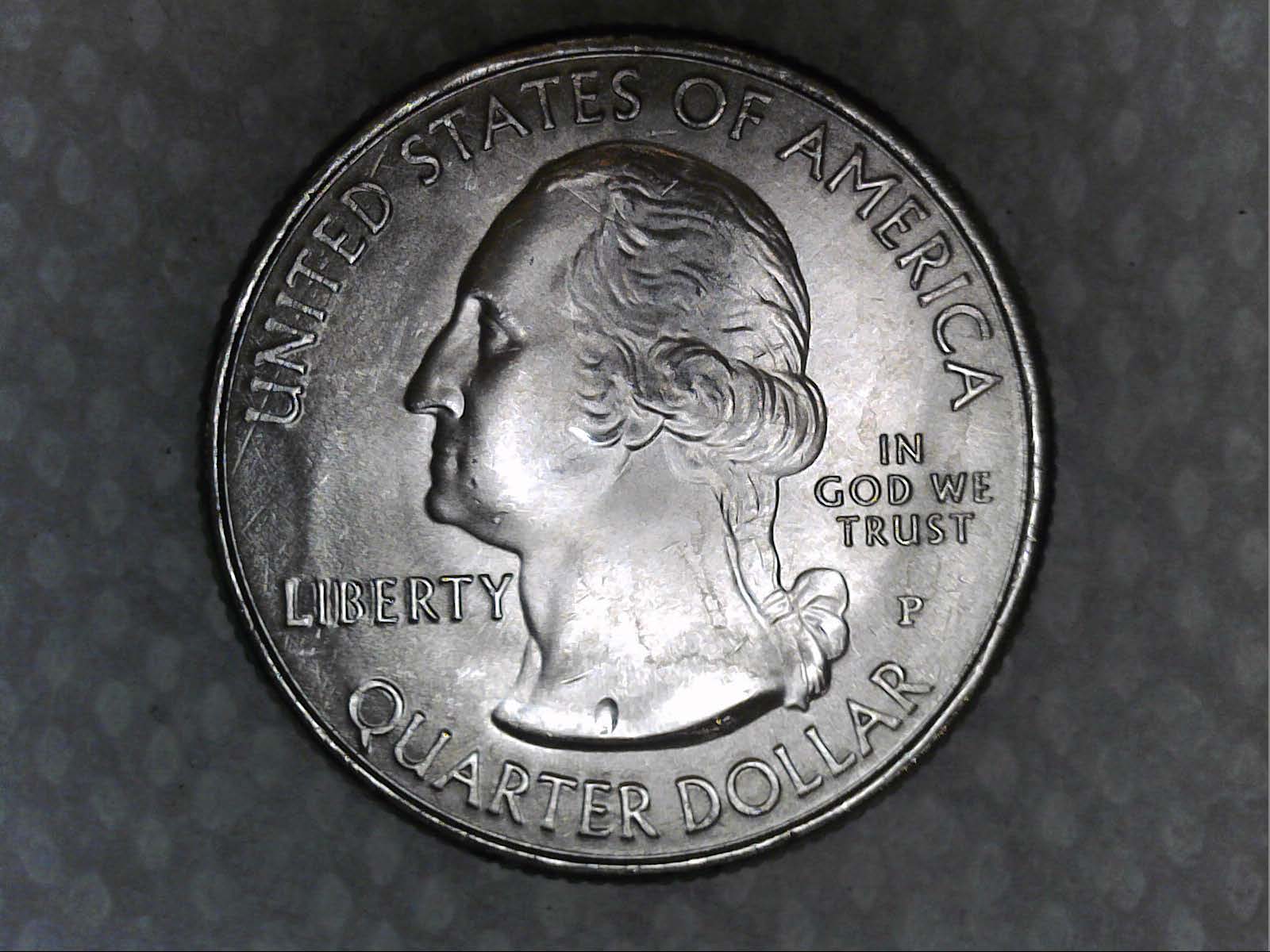
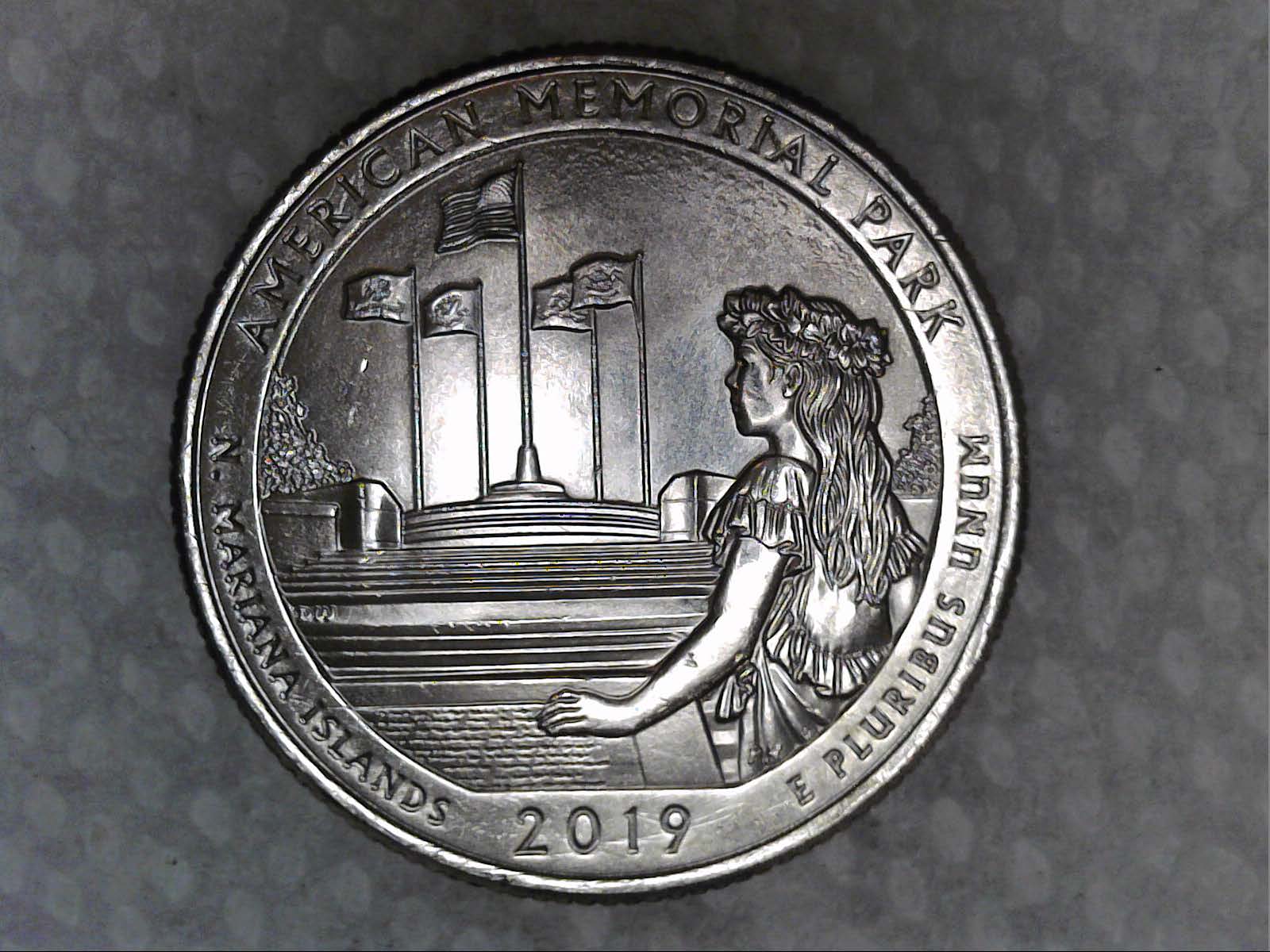
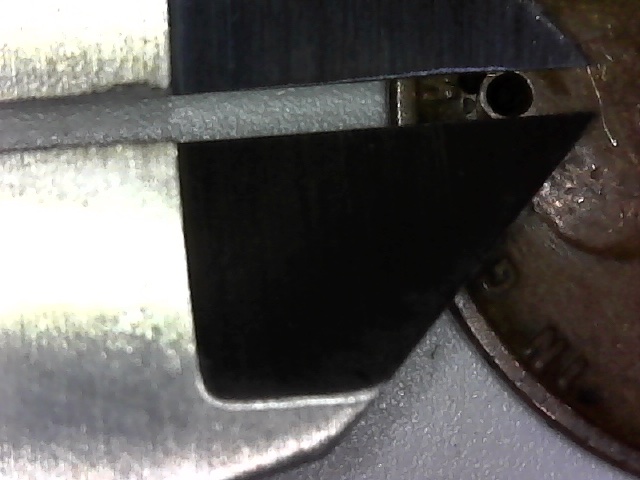
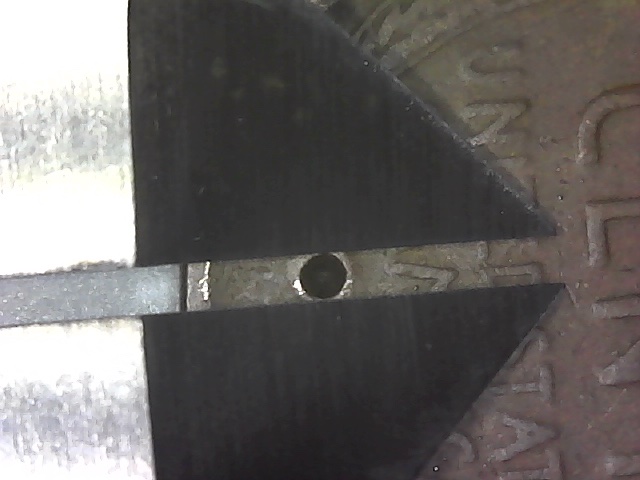
Here is a coin that I think exhibits Rockwell Test Marks (even though I have not yet convinced Mike Diamond that they are!) I think that evidence to support such a claim will always be circumstantial, and thus subject to debate. However, if the following criteria are met, the odds are indeed quite high that the subject coin has undergone Rockwell Testing. The criteria are: the indentation has the same hemispherical cross-sectional profile as a Rockwell Test Mark AND shows the same depth as a Rockwell 15T test mark AND has the same diameter as a Rockwell 15T test mark (adjusted for the strike) AND does not leave a pressure ridge AND does not leave an anvil effect (bulge) on the opposite side of the coin AND the coin shows 2 or more such indentations (reflecting Rockwell testing protocol) 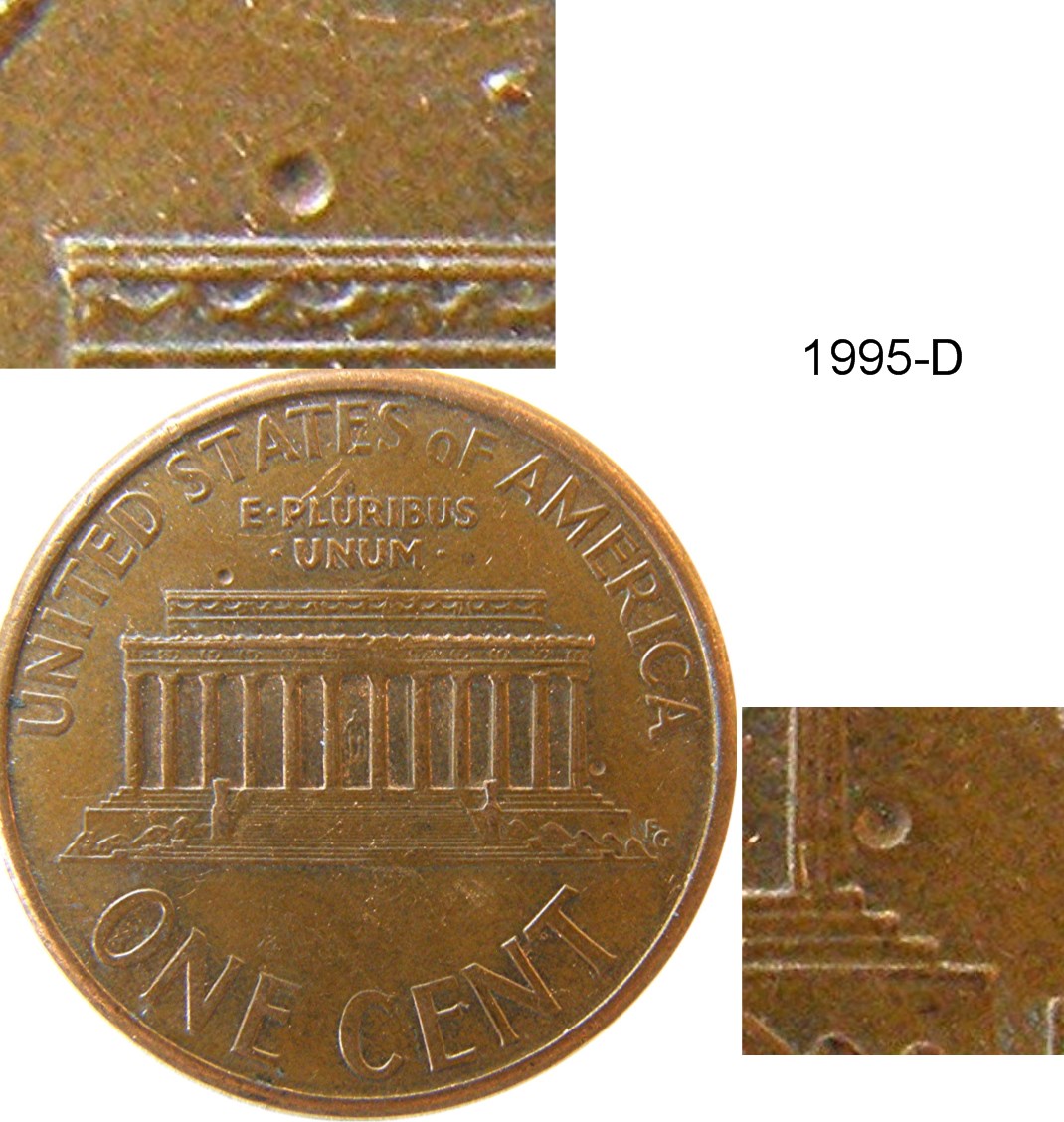 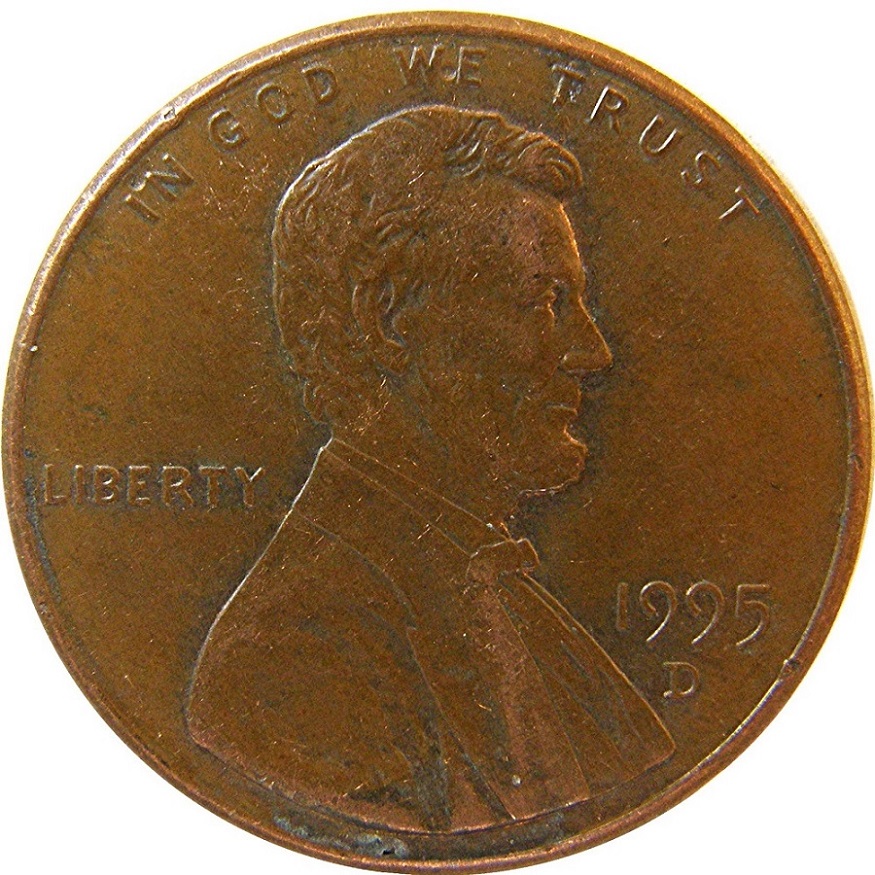 |
|
Valued Member
United States
164 Posts |
|
|
Pillar of the Community
United States
3363 Posts |
Martin D86 thanks for posting! While it is intriguing, I think it does not qualify because of the pressure ridges near 4k and from about 7k to 10k. In addition, the rounded surface is not completely smooth and the bump near the bottom should not be there with a RTM. I was recently disappointed to hear from Mike Diamond who just examined the coin I featured in my paper as having likely RTM. He said "Upon examination under high magnification, a (sic) was able to detect a very subtle, very diffuse pressure ridge around each circular pit." I am waiting for him to return the coin now and plan an attempt to see what he is talking about. The marks (there were 2 of them on my coin) must have been subtle indeed, because he also said that they were too subtle to capture digital images! I am not going to give up the search even though I think that my chances of winning the Lottery would be better than finding a RTM!!  I have established a couple of data bits about RTM The mint scraps all planchets which have been tested, so it would be less likely one would escape and go into production. The fact that they scrap the tested planchets illustrates their determination that, depending on the orientation of the planchet in the striking chamber, the RTM could survive the pressure of the strike. Were dies to have a RTM on the face of the die, the coin struck would have a raised bump. However this cannot happen, because the dies are tested on the neck of the die and not the face. |
|
Pillar of the Community
United States
3003 Posts |
|
|
Valued Member
United States
164 Posts |
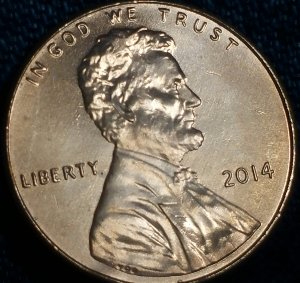
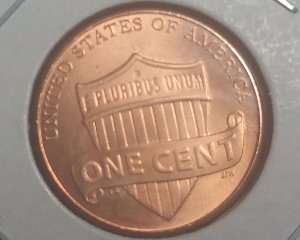
Yes this rockwell deal is a bugger..sense I found this penny ive been reading more and more about it as years went by..back in2014 there wasnt much on it..thanx to the people looking into this more is being cleared up..hopefully someday they can somehow test the testmarked penny..mine does have a bump bottom ridge but in its defense it devoloped..its a plate blister..may not beleave me..maynot be a test mark..but like you prolly feel about your coin..mine brought me on this quest and if not for the spot id of never known about testmarks..and wen I pulled it in 2014....first thing I said was...it has to be some kinda test mark..id just gone through 2 full boxes of all 2014..i was upset the bank gave me.. I'm also in contact with coneca about mine..they will most likely say its not..i will let you know what they say
|
|
Valued Member
United States
485 Posts |
|
|
Pillar of the Community
United States
3363 Posts |
Quote:
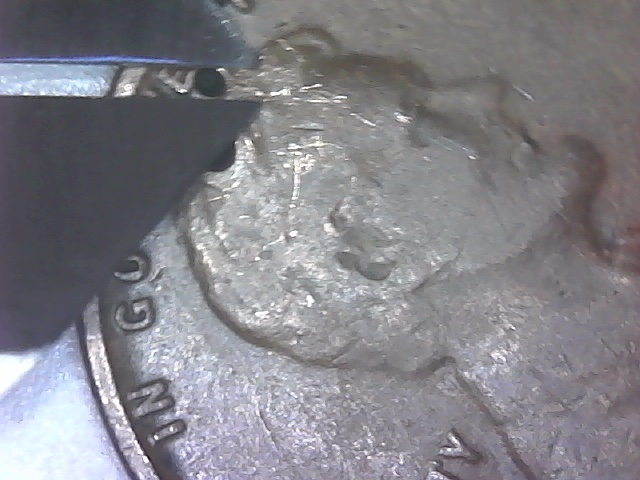
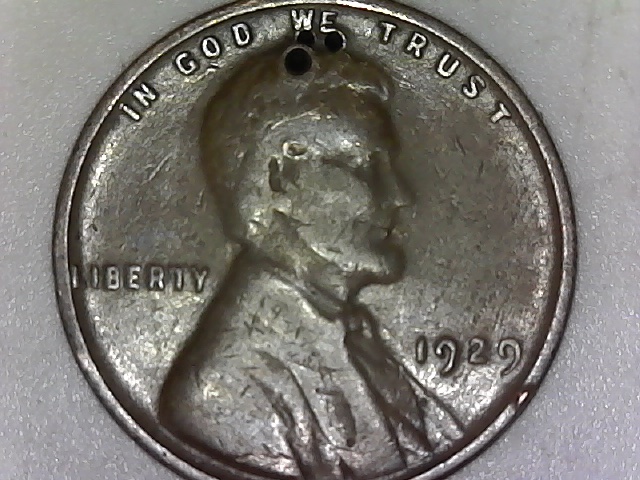
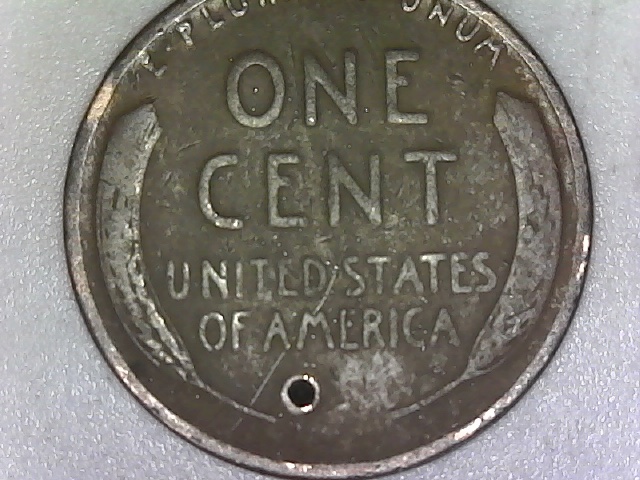
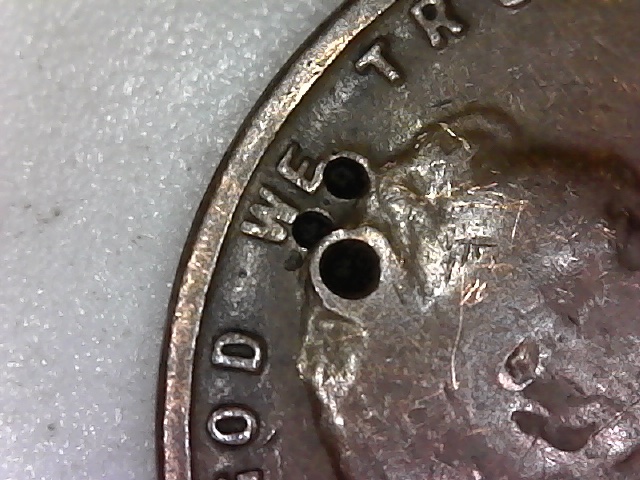
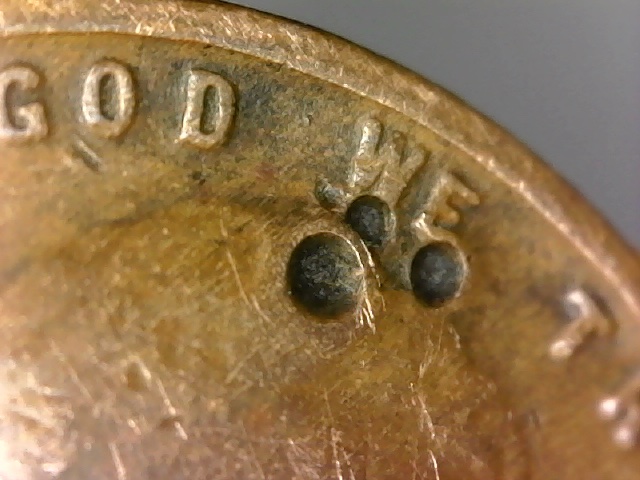
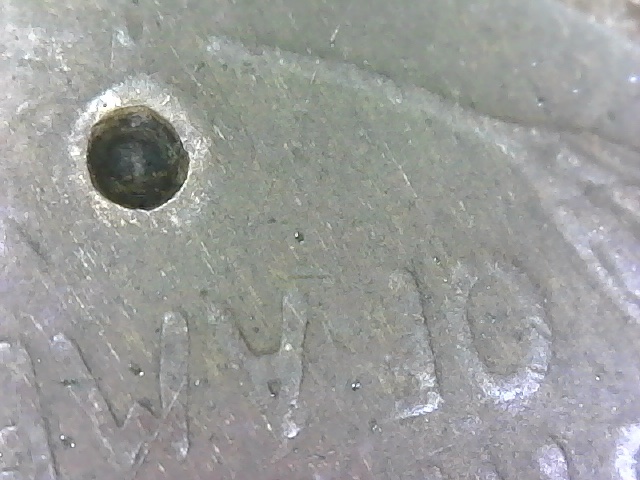
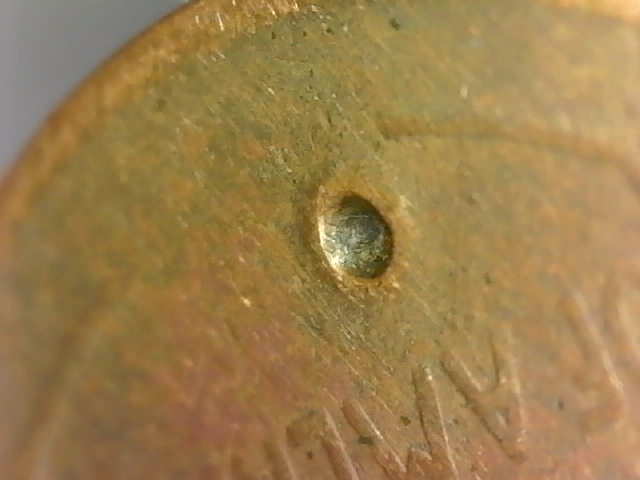
The two smaller depressions measure .73mm and the one bigger one on the obverse measures 1.0mm also the one on the reverse is 1.0mm Thank you for posting these. They appear to be damage to the coin. The pressure ridge around the depressions is a primary diagnostic for damage. |
|
New Member
United States
11 Posts |
|
|
Pillar of the Community
United States
3363 Posts |
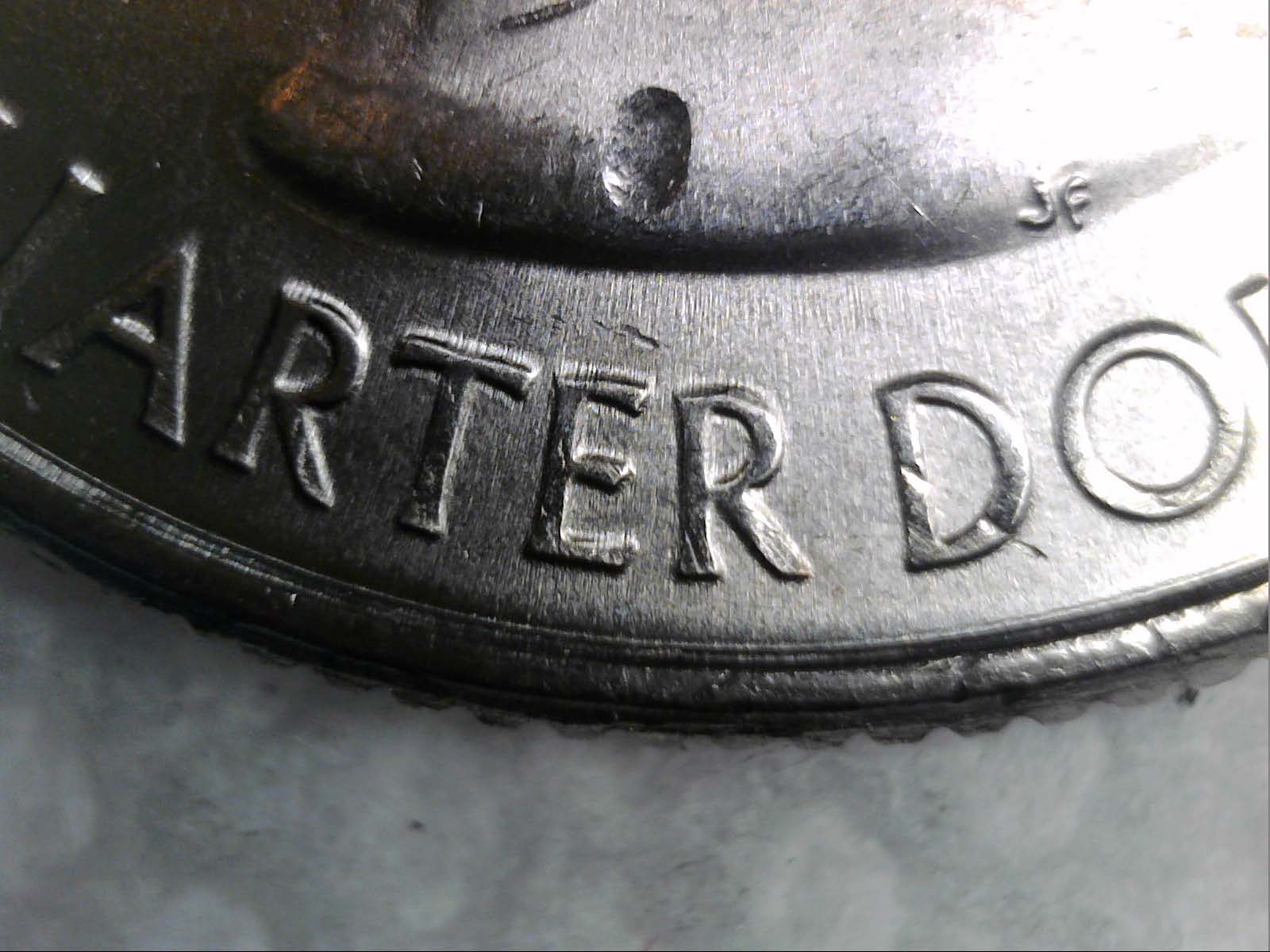
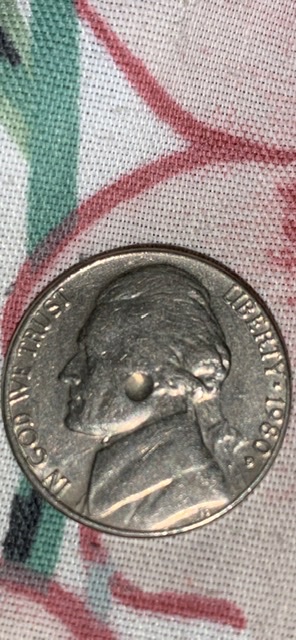
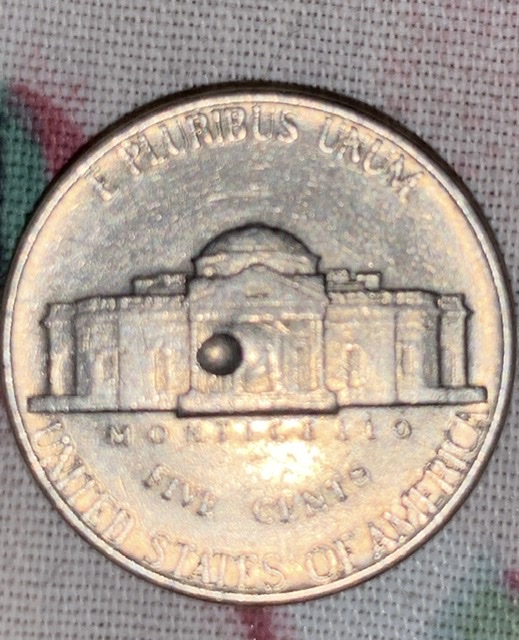
This 1980-D Nickel appears to be damaged and not a test mark.
|
|
Pillar of the Community
 United States
5897 Posts |
The test that is applied to the surface of the coin: is it done before or after the strike?
(I'm thinking before since there is no pressure ridge surrounding the depression.)
Words of encouragement are one of the major food groups.
We need to consume them regularly to thrive and grow.
|
| |
Replies: 142 / Views: 23,027 |






 First Page
 Previous Page


 Posted 03/16/2019 7:02 pm