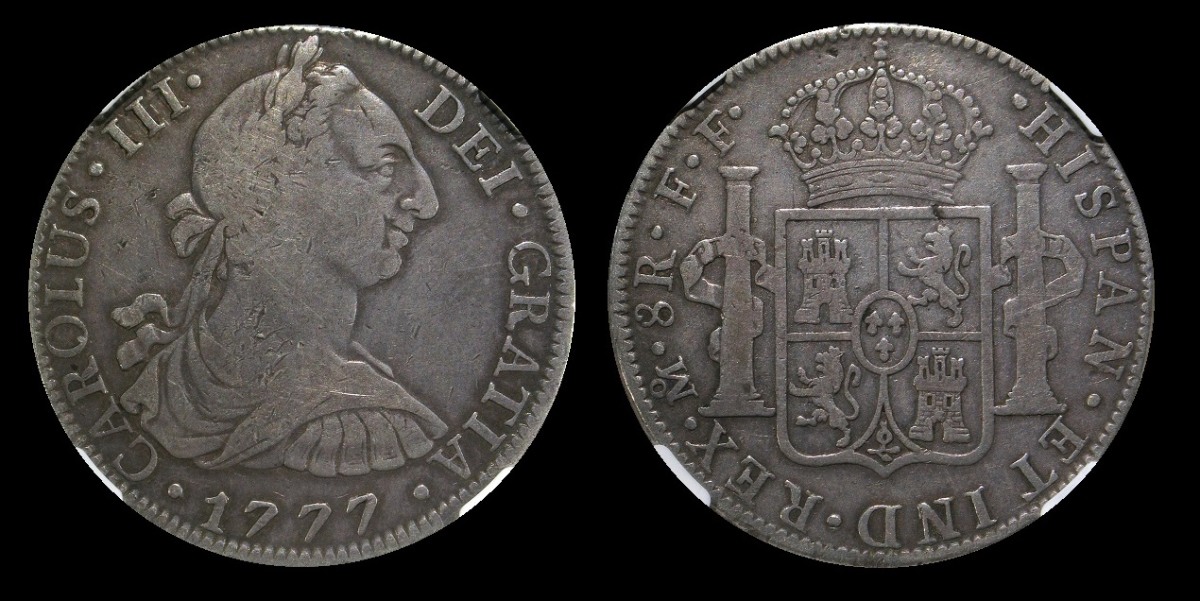
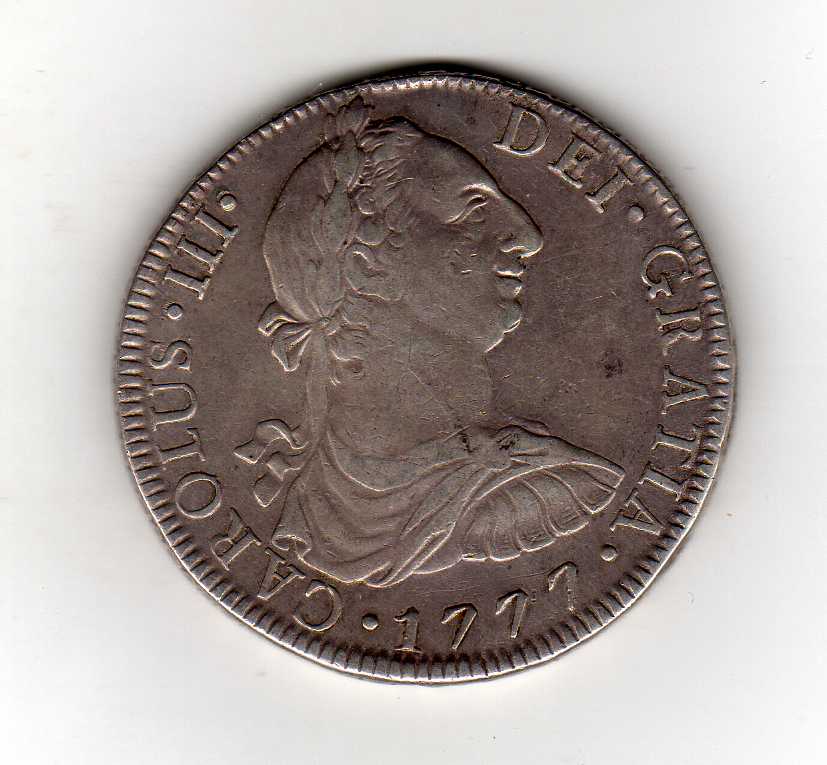
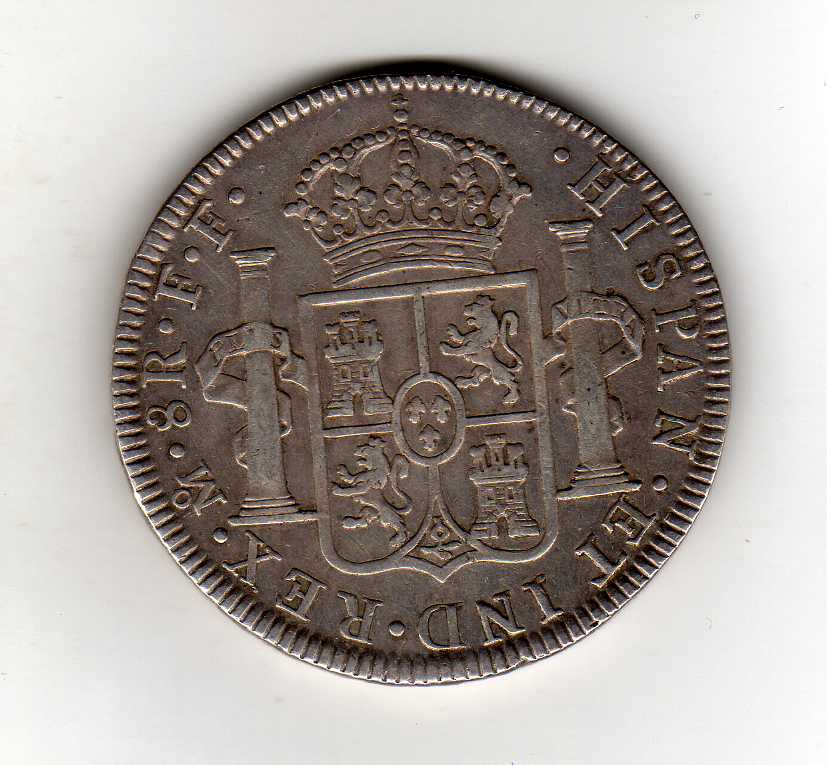
The answer is that the coin is a Numismatic Forgery. It was made using a genuine worn coin as host. The dies are created with an image transfer process. The coins are struck on a variety of metals - not normally silver. The edge detail is applied post strike.
How do I know? I own three that I bought directly from the forger. The coin has been on the market for 5 or 6 years and does very well on
ebay. It was one of several dozen that we took down every time they were spotted without a vote of the complete committee. Here is one of mine (from the discs that accompany my book).
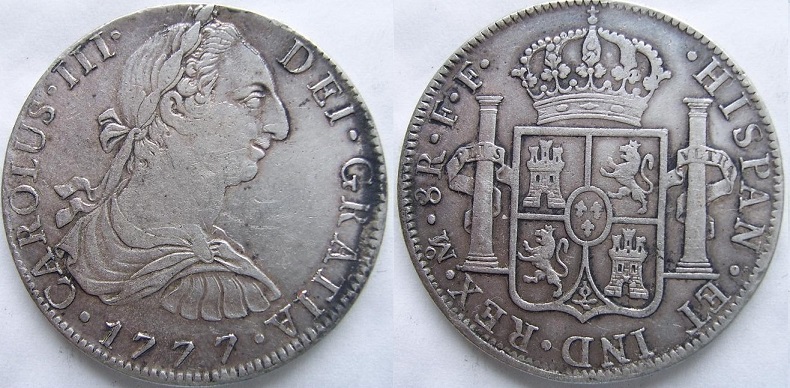
The comments are in general correct at least most saw the coin as a fake. When the dentils end at an arc short of the edge of the coin, that is a clue which by itself is adequate to diagnose a forgery (This applies to Portrait and early First Republic Cap and Ray coins where the die contains a full length image of the dentils.)
Therefore, in this case the edge error is not due to edging priority. The host coin had only partial dentils. When the image was transferred the incomplete dentils were transferred. If the counterfeiter does not center the planchet absolutely correctly the actual edge of the die shows which is the case here.
The coin was edged after it was struck. The edging is very shallow and there are polishing marks on the edge clearly visible on most copies.
The bifurcated I in DEI is an anomaly which is usually seen on older dies. By itself a one letter variation is not a definitive clue for forgery. There are three theories for why it happens. The type with clear radial flow lines from the highest point of the bifurcation to the field of the coin is seen by some to be caused by actual die erosion due to metal fatigue. In this case there will be some slight variation in the bases of the letters. A second theory is that the die developed a partial fill at the same point. The third theory is that the punches used to make the dies failed. In this case the bases should be identical including any flow erosion lines on the punch. In this case - a single anomalous letter seems to fit the second theory the filled die theory best.
Points 3 and 4 above represent "normal" variation. In the case of point 3 that type of positional variation in lettering is seen on many dies. Mexico City dies were usually very well placed and aligned radially. Other mints, like Potosi are very poorly aligned.
Point 4 is a lettering difference, in this case within the "normal" range. There are many cases where counterfeiters used their own letter punches using an incorrect font. In my book on page 149 I show my reconstruction of the alpha-numeric portion of the Mexico City Matrix block for Charles III. The same block(s) for other mints can be assemble with a little more work by any collector using the Heritage data base. I find that it is best to use full size enlarged pictures of each letter, number and punch feature for comparison. Unfortunately that would mean dozens of pages for each block and my book was too big already to include one more page.
Amazon has a 600 page limit for printing and my book is exactly that long.
The final tell-tale problem with this coin is that the dies have been re-touched. People alluded to it by saying something was wrong with the eye and the mouth. They are in fact both retouched apparently to remove problems with the transfer. But the forger here went a bit overboard. He recut the last leaves of the laurel wreath on the King's head. Simply look at the final picture posted and compare the laurel leaves near the ear. Based on wear to the ear - the leaves should not be outlined as they are.
The coin is worth melt plus a $ 5-15 premium at the very most.










 Posted 09/01/2015 11:47 am