| Author |
 Replies: 12 / Views: 2,810 Replies: 12 / Views: 2,810 |
|
|
Pillar of the Community
United States
513 Posts |
I know--DON'T clean coins. I agree. But I think there is an asterisk that goes with this statement (even though if you clean a coin, it's your as-te-risk)
The asterisk is "except low value coins to learn what a cleaned coin looks like." I have been applying acetone in various ways to a bunch of CRH common wheat cents. In some cases, that application has crossed the line into cleaning. I have learned much more about what a cleaned coin looks like from doing this to common wheat cents with little or no numismatic value.
For example, I can read all day long about how removing a gunk chunk may not be advisable because the surface underneath may be damaged or not tone the same as the rest of the coin and the gunk chunk removal will highlight that difference. But actually *seeing* that effect makes much more impact and will help with future identification than just reading about it. Or the bit about hairline scratches typically visible only under some magnification or under certain light angles. Yep--same comment.
So what "kinds" of cleaning are there for me to perform on low/no value cents to demonstrate to me the results of such cleaning materials and methods to help with future identification of cleaned coins?
I presume I can do the same with "junk" silver to observe the results without significantly devaluing the melt value of the junk silver. What cleaning materials/methods are more often used for silver coins?
Thanks in advance.
|
|
|
|
Pillar of the Community
Canada
1118 Posts |
Try putting a beat up Peace dollar in a bowl with ketchup. Apparently that was a thing back in the day to make the old silver dollar you found sparkle. I assume the vinegar acids in the ketchup will eat away at the tarnish and a bit of the silver underneath. Maybe it would look less defined after? |
|
Pillar of the Community
1325 Posts |
Why clean coins:
1. they are filthy and nasty, but you need that coin.
2. You can't read what it is to know if you need it or not
3. You can't even tell if its a coin
4. untreated it could easily be short on life left s a coin (called preservation)
5. it has blood on it.
6. its your coin now, you can do what you want with it. (except melting US nickels or pennies while the 2006 law is in place)
Ketchup also does a good job on pennies. the vinegar and salt work on the penny and will redden it, but the time will very on coin and condition and ketchup. it can bring back the red, but too long and and gained or existing luster will be lost. post 1982 pennies also risk the zinc core being eaten out as ketchup or at least vinegar or sodas, the acid, seems to react with the zinc quicker than the copper.
I tried ketchup on a shield penny to remove the little black spots, and after rinsing with water I was left with only a brown dull colored shell that looked like swiss cheese. I have know idea where the zinc went, or that the black spots were that thin that the acid could get in to it, but it was gone over night.
Edited by shadz
10/03/2015 4:43 pm
|
|
Rest in Peace
United States
4078 Posts |
|
|
Pillar of the Community
Canada
1118 Posts |
Jeez guys, he is not asking how to clean coins safely, he is asking what half-hazard methods people shouldn't but do use. He wants to destroy low value coins so he has physical examples of a cleaned coin to use in his studies.
|
|
Bedrock of the Community
United States
20753 Posts |
Cleaning coins. Comes up so many times we really should have a separate forum for that. In reality, if the coin is yours, you can do with it as you please. It's like your car, house, dog, bike, lawn, toe nails, etc. They are yours so really not many people can say what or what not to do with them. If you look up such items in the Search tab of this forum, you'll see many, many things on cleaning coins. Many ways to do it. Many stories on what not to do. But yet they are yours.
The main thing to remember is what are your plans for them in the future? If it's someday selling them, best leave well enough alone. If it's for a hobby and you plan on keeping them for a few hundred years, then it is all up to you.
Always remember that once a coin is cleaned, just not easy to replace that old dirts.
|
|
Bedrock of the Community
Australia
21792 Posts |
I clean coins, so that I can see what's on them.
That way you can get to identify them fully, and usually double the purchase price, and occasionally, by much more than that.
(Only applies to uncleaned ancients.)
|
|
Valued Member
Canada
283 Posts |
Why clean coins, to get rid of potentially acidic gunk. Gunk is gunk, but if it is acidic, it will eat away your coin and/or pit them. So you are incline to preserve something of history and/or value. But you may not like what you see underneath after it is completed (Edited here, for my answer to your question)
This is what I would do, if and only if, I had to clean coins:
If silver coin or silver necklace chains (I clean my wife's silver necklaces as below),
1. A non-metallic bowl, baking soda, a pinch of salt, a freshly laundered 100% cotton cloth, and aluminium foil. Boil hot water in a pot, so it comes to a boil.
2. Pour hot water into non-metallic bowl.
3. Add some baking soda and a pinch of salt.
4. Stir till dissolved.
5. Place and immerse the aluminium foil in the solution.
6. Place silver coin on top of the aluminium foil, you should see bubbling and a smell of sulphur.
7. Leave for 10 to 15 minutes.
8. Rinse thoroughly in running water.
9. Touch dry using the 100% cotton cloth.
10. If needed, put the silver coin in a an Ultrasonic cleaner for 20-30 minutes.
If copper coin (low value of course),
1. Ultrasonic cleaner to get rid of the gunk.
2. Optionally, use vinegar to make it shine again.
Search Youtube on how to clean coins, because a visual display is always good.
(Edited here)That's my $0.05 and I will find some examples of the good and the bad in cleaning coins in my collection and post here in this thread.
Edited by the_sifu
10/03/2015 9:49 pm
|
|
Pillar of the Community
United Kingdom
856 Posts |
Acetone, ammonia and olive oil seem to be the commonest domestic ways of cleaning silver coins. Those and good old soap and water.
I've used the last on (hammered) silver and it's got rid of surface dirt but to be honest with my coins I'm more interested in them toning than cleaning them up.
Just remember, if you have a nicer or rarer coin with little specks of what looks like red sealing wax on it, don't remove them. This was a means of taking casts of coins for photography in the early days (to the 1950s) and could mean your coin was interesting enough to have been photographed for a journal, book or auction catalogue. The remaining traces of wax can sometimes help identify a coin establishing both authenticity and provenance. An increasingly important factor in these days of replicas...
Back to cleaning and for junk you can add toothpaste (mildly abrasive) the foil/soda method sifu outlines above (too often used on metal detecting finds to my mind), electrolysis and of course, good old silver dip solution (which can be used briefly and I understand is not too different from one method museums employ on coin finds) but used for longer than recommended to observe how it kills the eye appeal! But only for junk.
.
|
|
Pillar of the Community
United States
7390 Posts |
For educational purposes here is a method that should NEVER be used today: Here's an article in a 1922 issue of "The Numismatist" apparently using potassium cyanide was once a common method of cleaning coins that was killing people. I remember reading about dealers found dead in their hotel rooms during the treasury releases of morgans using this method in the 1960's as well https://books.google.com/books?id=q...ison&f=false |
|
Rest in Peace
United States
18456 Posts |
I have just read many posts about what methods to apply for cleaning coins.
The only one I will ever use is Acetone. but to just get all the dirt off of
detector finds ,I'll use just a mild solution of soap and water.
|
|
Valued Member
Canada
283 Posts |
I purchased this coin from a flea market 4+ years ago, I was thinking positive that when all the large gunk pieces, dirt particulates, and heavy tarnish gets clean up I would have something closed to EF+ in quality. Unfortunately I do not have a before picture. The obverse was heavily corroded by the gunk before I got it, unfortunately. This is a 1891 10 cent Canada with 22 leaves (Yes, there is a 21 leaves version too). The reverse looked great. I used the ultrasonic cleaner first to remove the large and small gunk, along with the dirt, (Edited here) then the baking soda method above, to reveal the following, 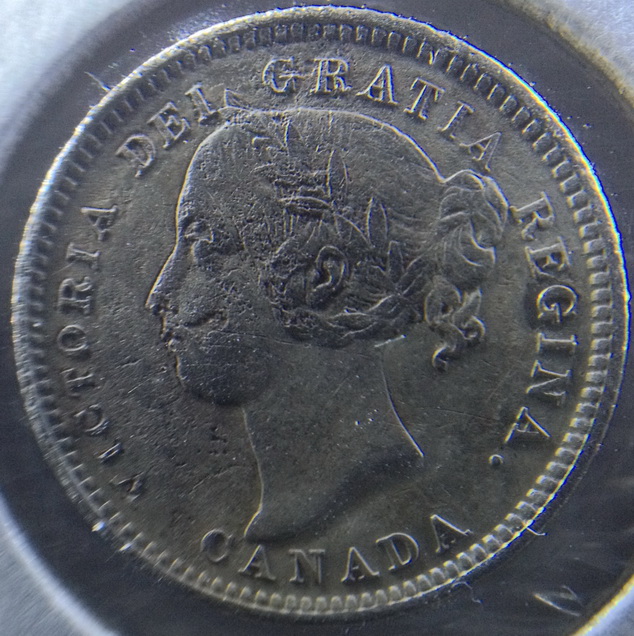 Edited by the_sifu
10/04/2015 4:09 pm
|
|
Pillar of the Community
United States
1314 Posts |
Here is a "DO NOT" I tried while experimenting to get rid of presumably rust stains. I put the coin in a small container of ammonia. Then got called away for far too long. Comparison coin is one of higher value and not a "Before" picture. Lessons learned: 1) Don't get distracted when working with chemicals. 2) Ammonia will not remove this type of stain. 3) Matt finishes should be left to the mint. 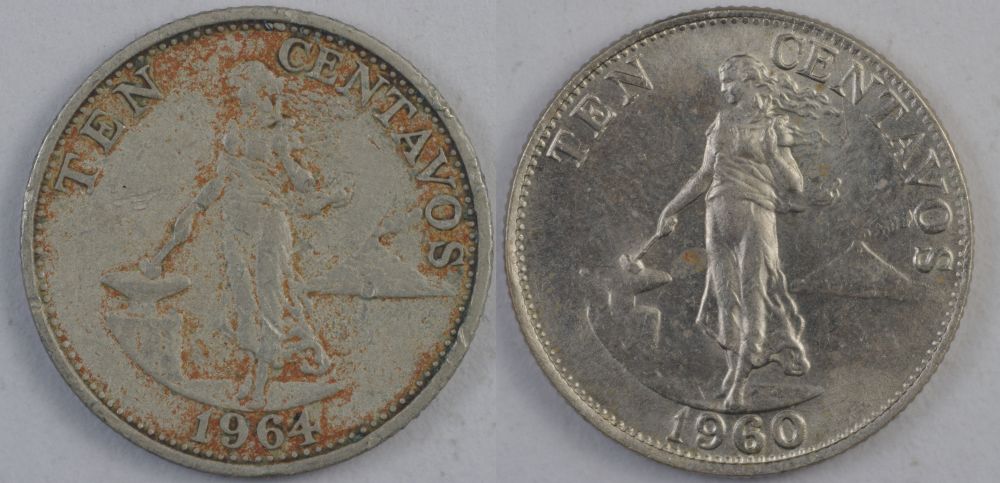 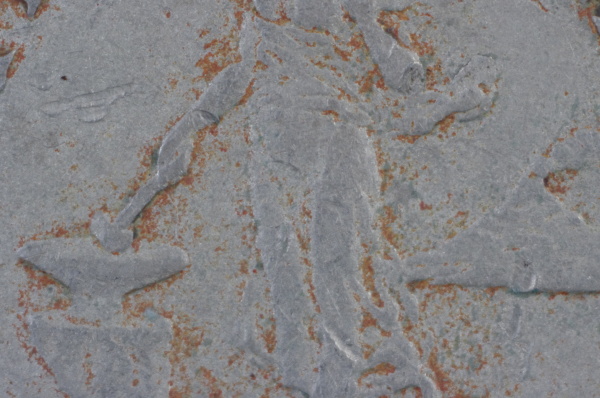 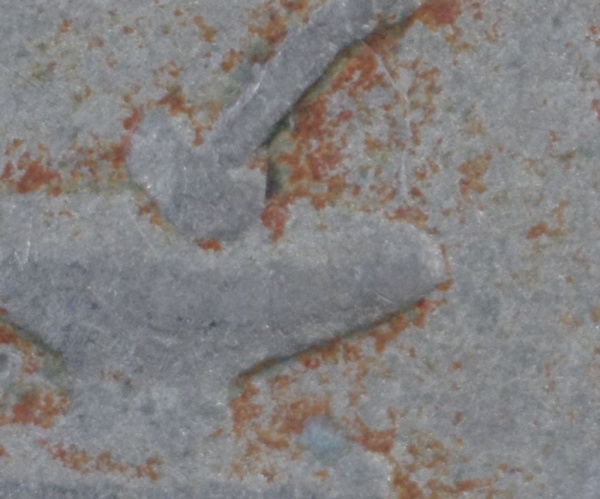 |
| |
Replies: 12 / Views: 2,810 |
|










 Posted 10/03/2015 4:39 pm


