| Author |
 Replies: 10 / Views: 4,275 Replies: 10 / Views: 4,275 |
|
|
New Member
United States
2 Posts |
Hi! I am from Denver :) I've been collecting pennies for 10 years or so, since I found a 1902 Indian Head penny, and decided to start getting into it a bit more. A few weeks ago, I went into a coin collector's emporium and he shrugged me off pretty quickly, insisting I needed to train my eye better, but how? Kinda just my own path, I guess. So, I need your help coin community! Help me figure out the nuances of what makes a penny rare. I uploaded two pennies, both 1969, one S and one D. Are these just double strike errors, or more? 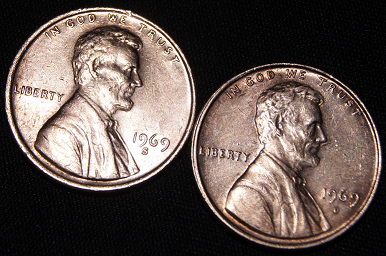 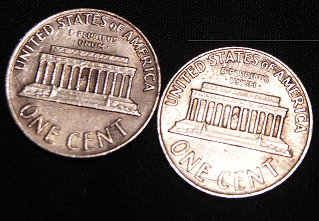 |
|
|
|
Moderator
 United States
195559 Posts |
 to the Community! I moved your welcome post to the appropriate forum for the proper attention.  |
|
Bedrock of the Community
United States
62064 Posts |
What he was probably talking about is training your eye to distinguish a normal coin, a machine damaged coin and a coin that exhibits hub doubling. During the years of 1968-1972 there were a lot of machine damaged devices on coins. These are often called "machine doubled-mechanical doubled-strike doubled-studder strikes" because they are caused by die movement during the strike. This movement of the dies damages the coins devices and some refer to it as doubling. I refer to it as what it really is, damage to the devices. This MD is actually reducing the size of the devices. Most of the time it occurs partly up the device. So you see the damage at the upper part of the devices. Probably the greatest example I could show you is this coin: 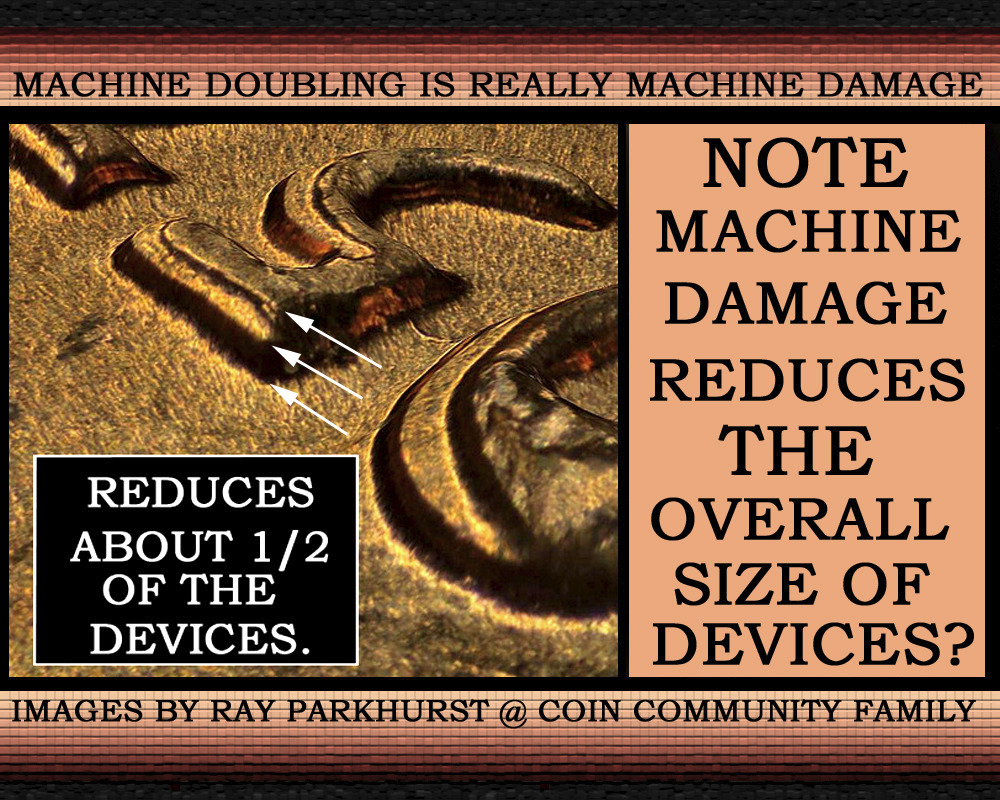 Note the area where the die disturbed the normal shape of this device? Training your eye to distinguish this is part of the learning process on coins. Because of the "Big" doubled die for this year, many look hard to find this coin. Very few are known. So when they find a 1969-S that is the first thing they look for. Here are a few examples of this hub doubling seen on these coins: 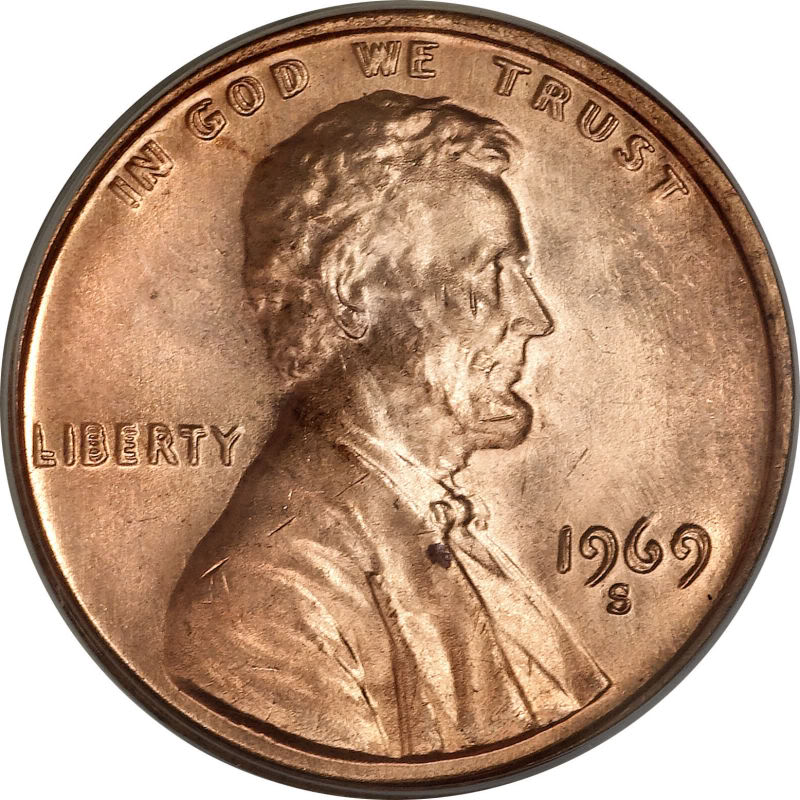 Notice the extra thickness of the devices on the motto? Here is a closer view of the date:  Sometimes the MD can happen even on a hub doubled example: 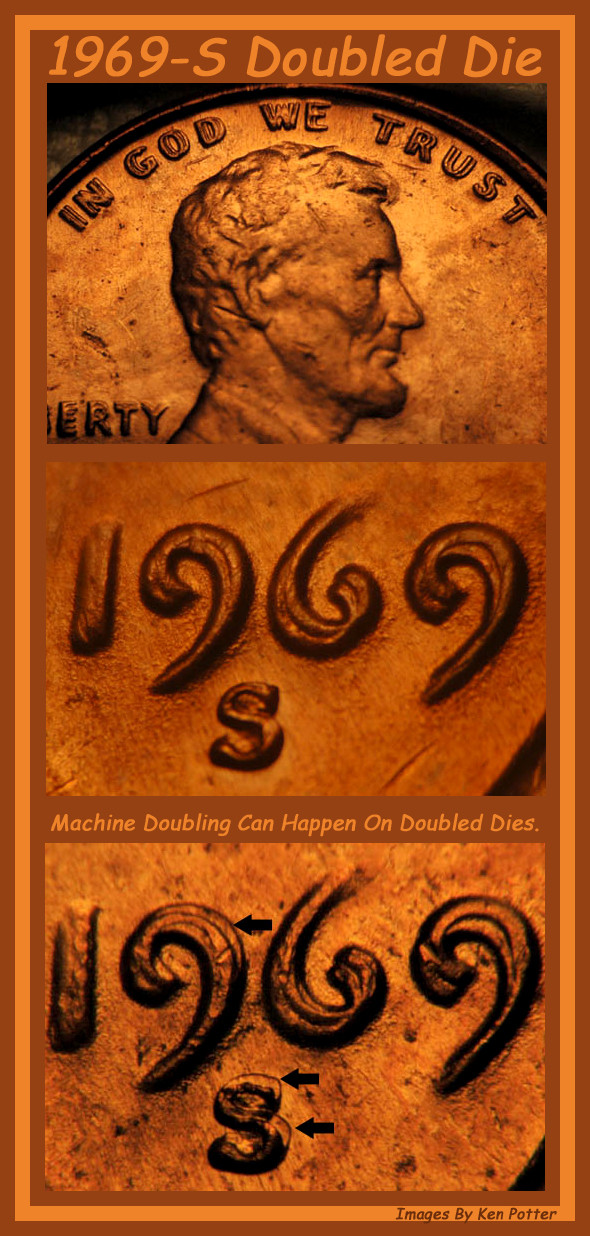 Note how the bottom image shows on the arrows where the MD reduced the size of the devices? So what is the difference? On MD the die is normal and the die movement pushed into the devices damaging them. These are to me, a damaged coin. Because of the higher percentages of this happening on these years, to me it is something I don't want. But if I found a 1969-S Big DDO (Doubled-Die-Obverse) then I would be a very happy camper. There are probably less than 100 known. So a lot of collectors want to find this coin. It is very desirable. But how down you know one from the other? By training your eye to post them. Here are a few examples of MD to help you see the difference: 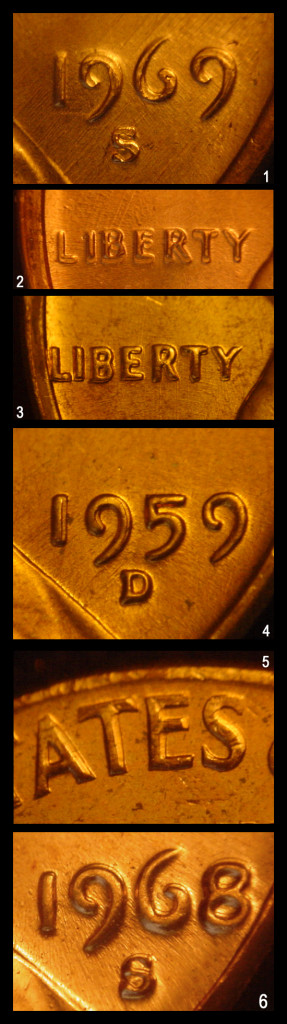 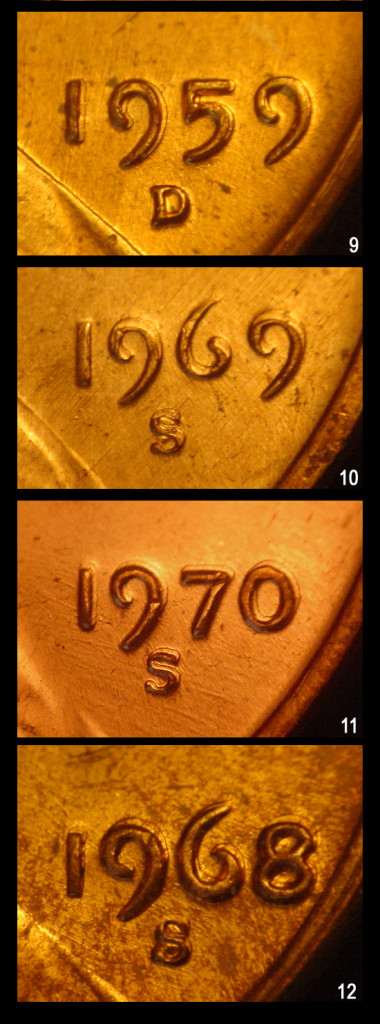 Another difference is the value for a hub doubled coin and a MD coin. To me a MD coin is just worth face value. I save them only for educational purposes. But hub doubling on a coin would be worth thousands. Here is an example: 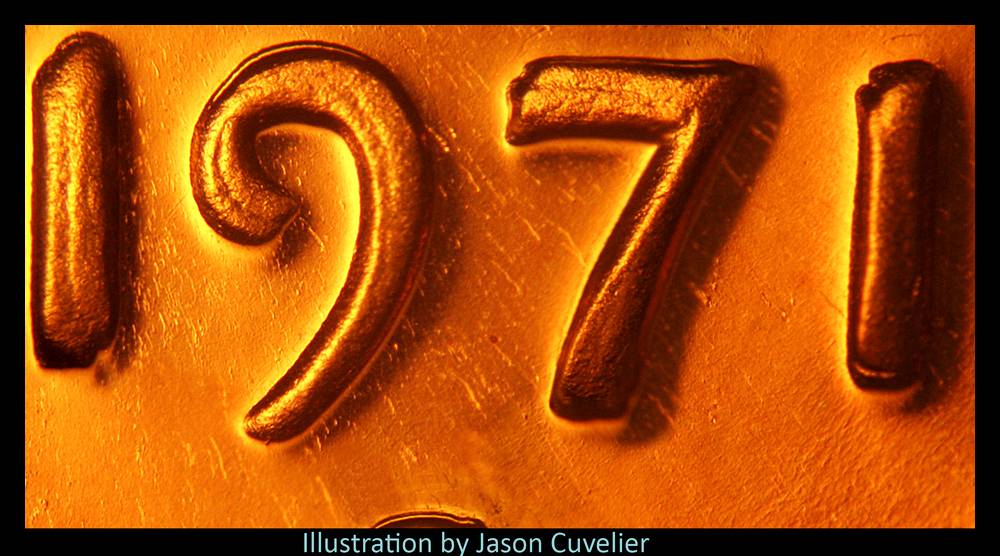 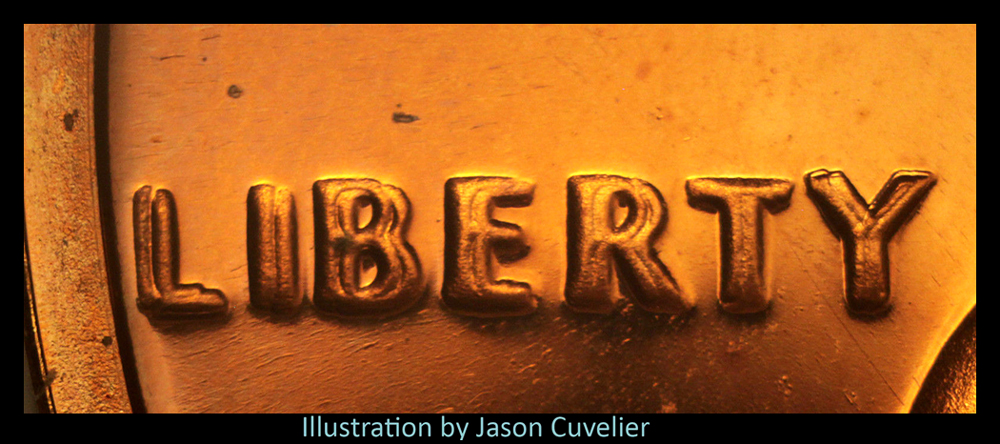 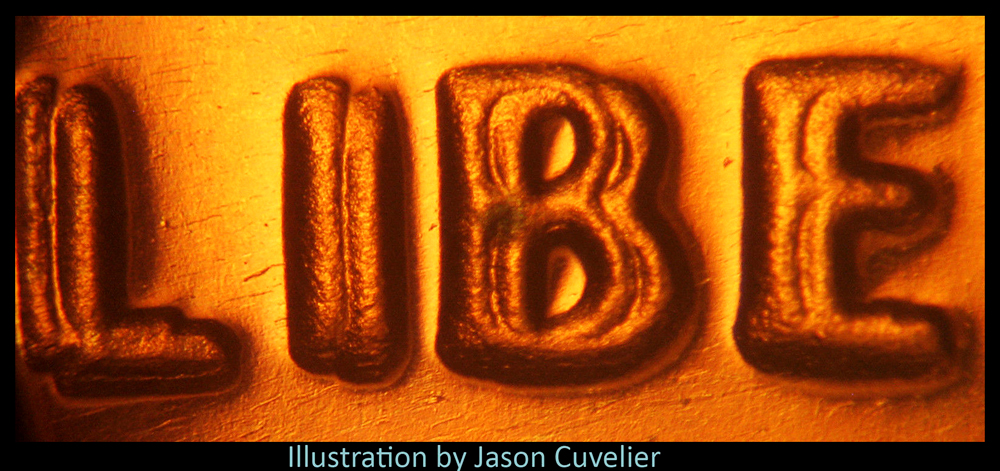 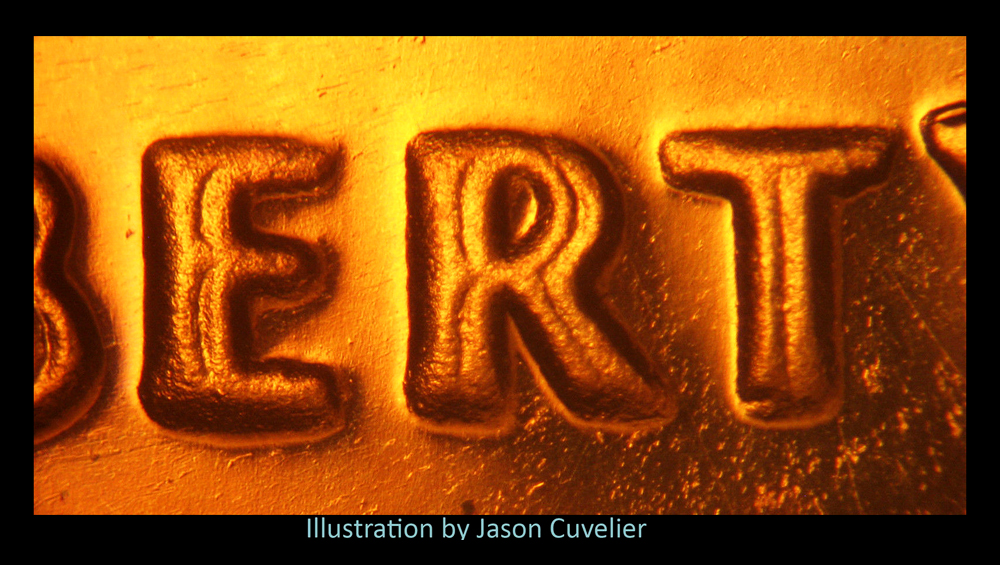 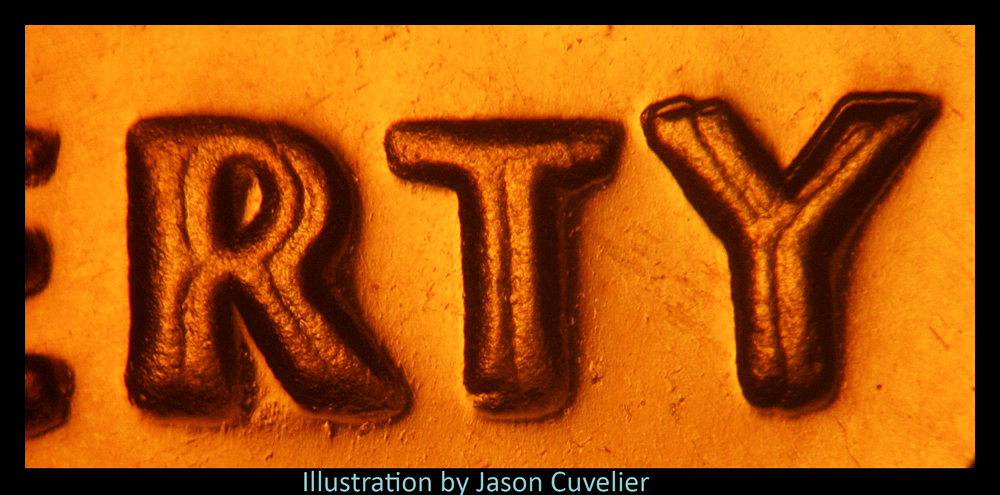 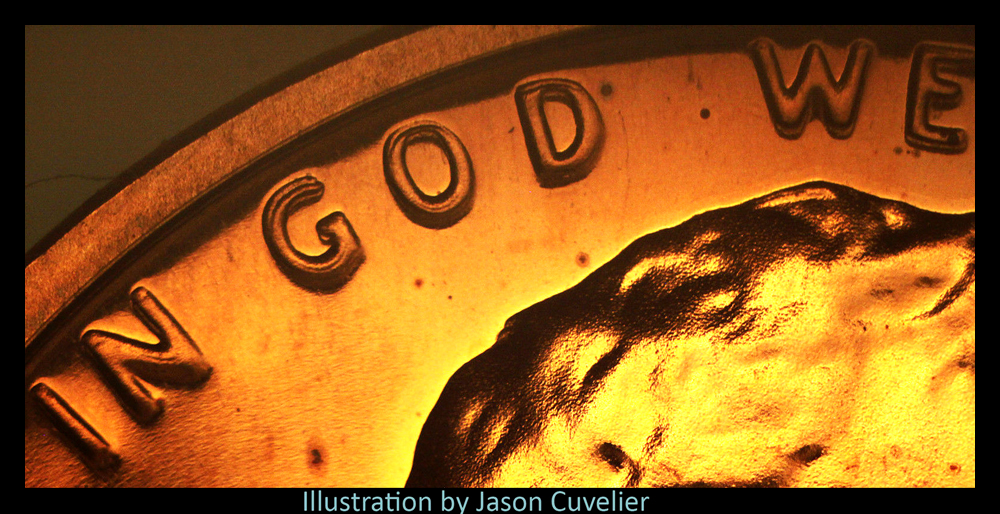 So knowing which is which involves training your eye. Hope this helps. For more information you might check out my youtube videos 1-5 in my signature line. |
|
Pillar of the Community
United States
3360 Posts |
|
|
Pillar of the Community
United States
3463 Posts |
Low mintage will often make a cent rare. For example the 1909-S VDB has a mintage of only 475,000 while the more abundant 2000 Lincoln Cent has a mintage of 5,503,200,000. Errors and varieties also make coins collectable. Here is an online error guide that may help you with that part: http://www.lincolncentsonline.com/error.html |
|
New Member
 United States
2 Posts |
Wowsers! I am definitely talking to the right people :) I will work harder at this. I have a few more pennies I was trying to capture better images of, but I cannot get the details as finitely as the images you have posted here. What's the secret there? I found a 1950-S Wheat penny, where the s looks smashed in...it's the last one. I understand what you all mean by training the eye, but I think it befuddles me, regardless. For example in the 1963 pennies in this post, the top 1963D on the top is obviously clearly on the date, and the 9 has a bit of chip in it. But the 1963 directly under it, has a 3 that's fuzzy, on the zoom for liberty, there seems to be some doubling. Then on the 1964, "IN GOD WE TRUST" is all fuzzy. Is that normal wear and tear? Not to mention the Liberty here has some peculiarities starting with the B. Then with the 1959, 1968, 1968-trio I cant get close enough into the 1959 yet, but...the 1968 on the top of the group has slight oddities. The 9 is split on the top loop, the 8 looks like a B. I'm unclear of the mintmark and again, Liberty looks hazy. In the 1950S penny, the 9 is not formulated like other 9s, the 1 seems off center, the Liberty is more unclear than others, the "In God" the G is off, as is the D, and for the majority of "Trust to be worn down in that nature, while the rest of the "In God We" appears to more clear? Maybe I over analyze or really think my pennies are extra special. Are these also indicators of specific errors or am I being too penny crazed? Please help me identify what these errors I think I am seeing are. I have researched this for months and I seriously just need you professionals out here. Thank you kindly in advance :) 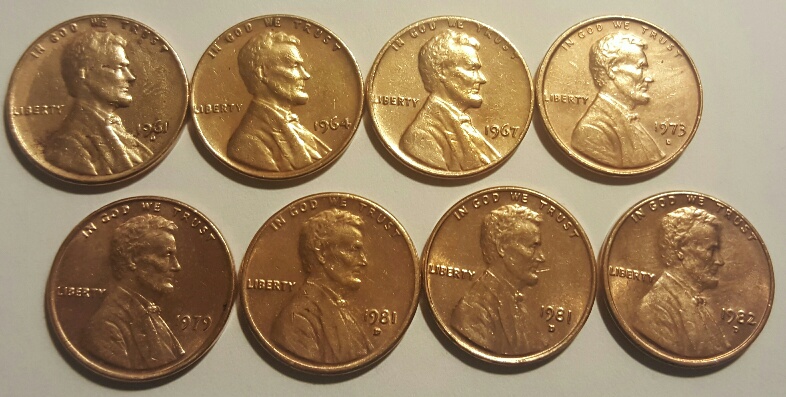 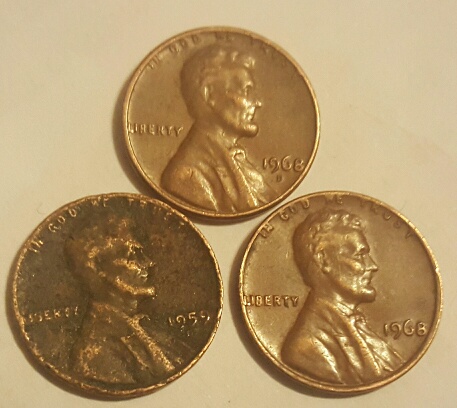  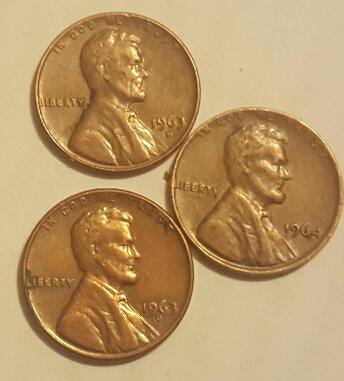 Edited by rayraysunshine
10/28/2015 12:00 am
|
|
Valued Member
United States
362 Posts |
Good images! I have a hard time getting good images like this.
I Love the older coins. They're so fascinating.
|
|
Pillar of the Community
United States
3463 Posts |
Quote:
Why is it that when the Lincoln bust stands out on the penny, it always makes me think there is something unusual about them. Did that have something to do with the newness of the machines creating the coins? The master hub has experienced a few changes over the years, that's why some years seem sharper or more detailed than others. |
|
Bedrock of the Community
United States
62064 Posts |
Take them one coin at a time. You might see the same things happening on different coins. So when you get closer images, make a new thread for each coin. Take your time It is a learning experience. So best to know why, rather than yes or no. That is the way I teach.
|
|
New Member
United States
2 Posts |
Quote:
Take them one coin at a time. You might see the same things happening on different coins. So when you get closer images, make a new thread for each coin. Take your time It is a learning experience. So best to know why, rather than yes or no. That is the way I teach. Tis true, tis true...sometimes its hard to quell the passion one has towards a hobby and needs to know right now, by gum... Edited by rayraysunshine
10/28/2015 12:14 am
|
|
Valued Member
United States
314 Posts |
Interesting. Thanks to coop and cwb.
|
| |
Replies: 10 / Views: 4,275 |
|










 Posted 10/27/2015 11:49 am


