| Author |
 Replies: 11 / Views: 5,560 Replies: 11 / Views: 5,560 |
|
|
Valued Member
United States
193 Posts |
Edited by d_dob
11/20/2015 7:09 pm
|
|
|
|
Pillar of the Community
United States
6478 Posts |
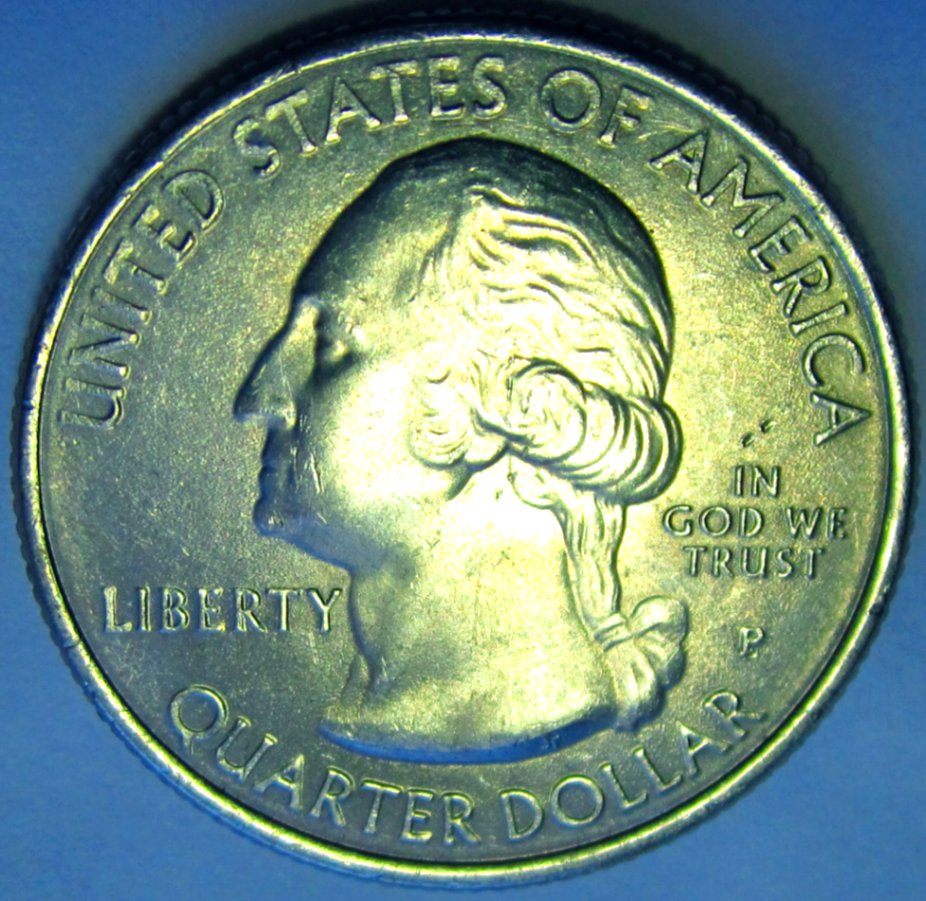
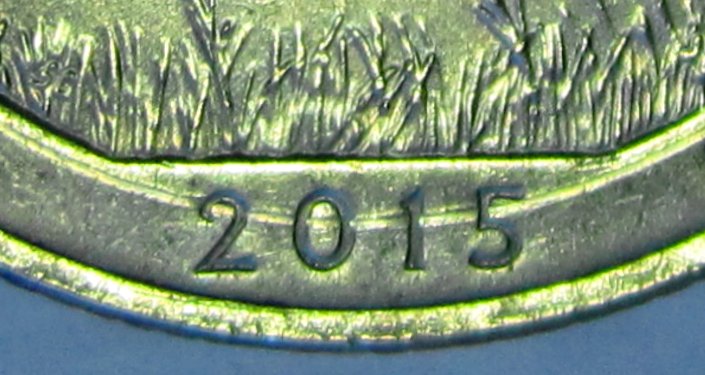
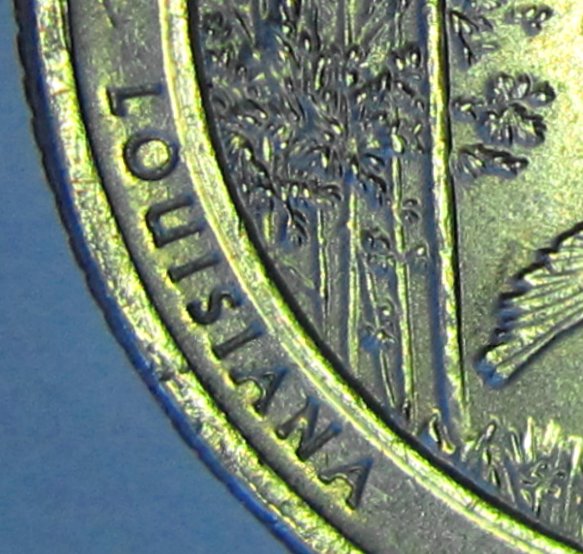
It is damage of some sort. It looks like it goes under the devices, but in reality, those devices are incuse, so the damage would not effect them. The obverse has dings, not die gouges.
|
|
Pillar of the Community
United States
4963 Posts |
 just a common coin with some scratches. |
|
Rest in Peace
United States
17900 Posts |
but GREAT photos. |
|
Bedrock of the Community
United States
62064 Posts |
Keep in mind the date is incuse. So damage to the coin is what we are seeing. PSD Counting machine - vending machine may have damaged it. |
|
Pillar of the Community
United States
2775 Posts |
I'm not a big fan of coin wrapper damage. But it looks like this design was made with that in mind. It seems to fit right in place. Thanks, Doug.
|
|
Bedrock of the Community
United States
62064 Posts |
Good thought Halo. That is what I see now.
|
|
Valued Member
 United States
193 Posts |
Hmm.. OK. Thank you everyone!
|
|
Valued Member
Puerto Rico
68 Posts |
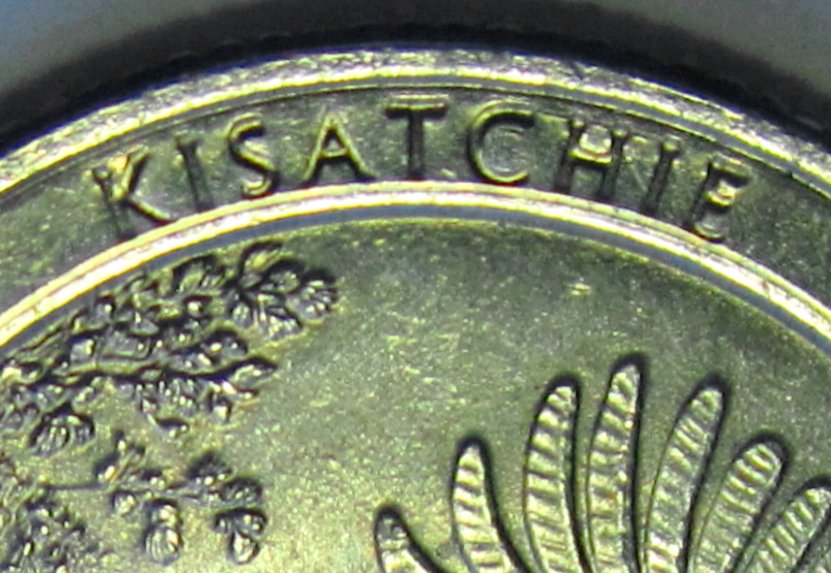
Im realy lost here can coop or some other expert post a photo of a normal no error kisatchie quater because how can a machine do tha halo without dcousing any damage to the date!! Can someone get me the name of that machine so I can deposit one of my in!!
|
|
Bedrock of the Community
United States
62064 Posts |
The damage is on the coin. The date is incuse. (sunk into the coin) So the damage is not touching the bottoms of the date. The first two images are of a normal coin.
|
|
Pillar of the Community
United States
5964 Posts |
This is the one you want to keep an eye out for. It's two die chips known as the "extra claw and feathers". 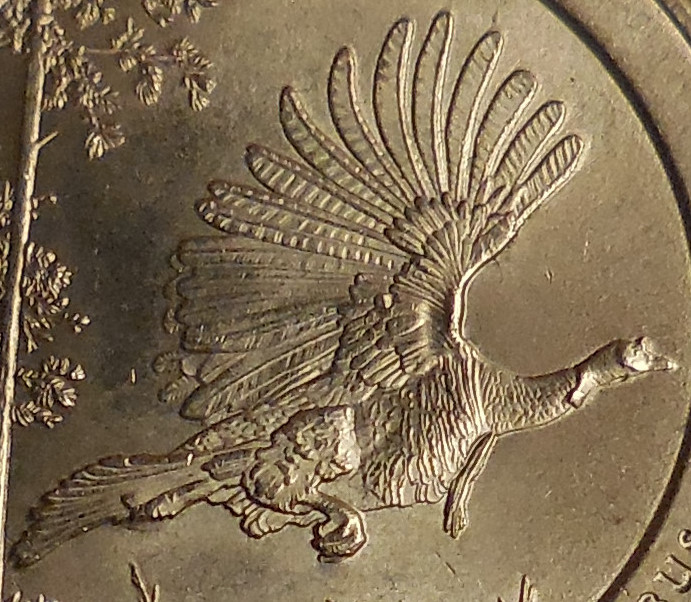 Edited by CoinMasters
03/16/2017 11:34 am
|
|
Pillar of the Community
United States
2775 Posts |
Quote:
Can someone get me the name of that machine so I can deposit one of my in!! Google coin wrapper machine and it lists many different manufactures and types. Everything from manually press and twist to heavy duty machines spinning at high rpm. Note: I believe the issue occurs when to much pressure is applied during the sealing process. Thanks, Doug. |
| |
Replies: 11 / Views: 5,560 |
|
















 Posted 11/20/2015 8:05 pm


