| Author |
 Replies: 11 / Views: 4,834 Replies: 11 / Views: 4,834 |
|
|
New Member
United States
3 Posts |
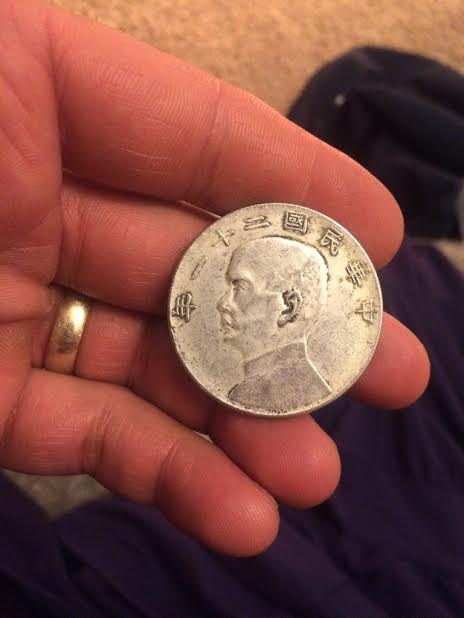
My friend was traveling in China and found this coin in a forest. I have researched in online as much as possible, it seems like the real-deal. I know these coins are potentially really valuable (since the the birds flying above the ship are much more rare than the coins without them). Any opinions on whether it's real or fake? Thanks! Ryan   *** Moved by Staff to a more appropriate forum. *** *** Moved by Staff to a more appropriate forum. *** |
|
|
|
Pillar of the Community
United States
6370 Posts |
Absolutely not the real deal. Cast Chinese fake. Will probably jump to a magnet.
|
|
New Member
 United States
3 Posts |
I doesn't jump to a magnet at all. I've tried it with several different magents. It also rings (like silver) and ice melts on it incredible fast...almost the second you set the ice-cube on it (another test to verify it's silver). I compared to to several real versus fake photos online and it looks like all of the real ones, especially the boat side.
|
|
Pillar of the Community
Australia
3841 Posts |
This is a coin that's worth more than a thousand dollars if genuine. Even if you may be able to claim that it was struck in silver, this is still of no reason why this is genuine. To use silver to strike a counterfeit 1000+ dollar coin and be able to pass it off as one is a cheap bargain.
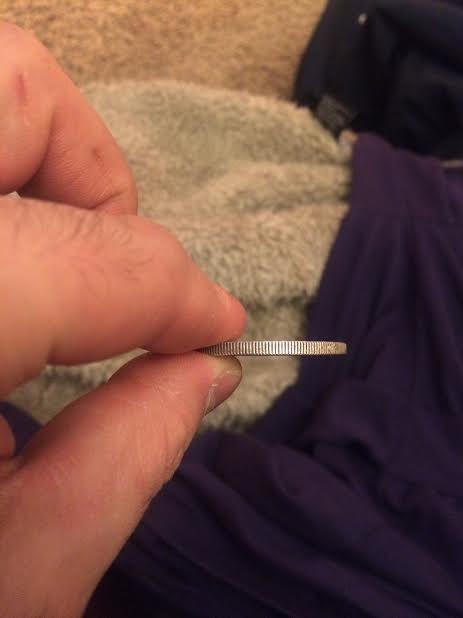
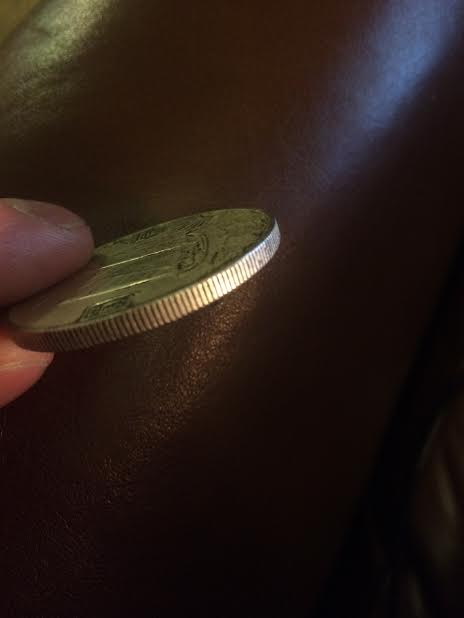
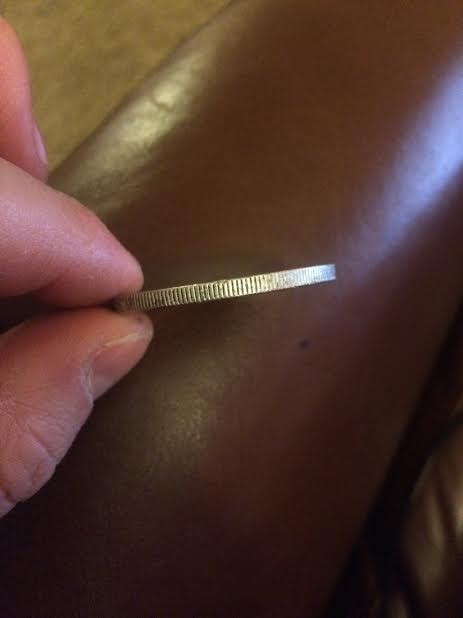
The details might look right but at closer details, there is something off about it. Can you show us an edge of it and if possible, provide the weight of it as well.
|
|
New Member
United States
3 Posts |
|
|
Pillar of the Community
Australia
3841 Posts |
I guess the biggest concern at first look is the overall appearance. While it may sound silver or while the photography skills may not reflect its true appearance - it just looks like it's some kind of base metal alloy. Indeed it may be possible that it's silver that has been coated with all other minerals but I'm not convinced it is genuine. A lot of counterfeits now go through some artificial wear to make it look more 'genuine'.
Secondly, the biggest giveaway is the overall thickness of the fonts and the sun rays. If you compare to genuine examples, they are just too thick.
Thirdly - normally weight and edging would reveal it straight away. As there is no information available with the weight, this is not applicable. Often counterfeits will have a huge weight variance which gives it away. The edge is a bit hard to tell which is also often another sign.
|
|
Rest in Peace
United States
2668 Posts |
Just offen the top of my head, the edges look overly crisp for the wear apparent on the obverse and reverse. And I tain't no 'spert neither.
|
|
Bedrock of the Community
Australia
21792 Posts |
There is not enough sharpness in the design, both sides.
|
|
Pillar of the Community
United States
4963 Posts |
When compared to the real deal, the devices are too thick and are not as sharp.
|
|
Pillar of the Community
United States
5362 Posts |
My opinion is that the coin is a numismatic forgery made to fool collectors.
The details are blunted - the fine details are lost. They were not worn off the coin since the high point details still show clearly. Also if you notice there is some distortion of the highest part of the rim by the reeds. This is only seen on coins that are MS. The reed distortion of the rim is the absolute high point where wear starts. So either the reeds were applied after the coin was cast or it is MS. I believe it was post cast edging, but it COULD be MS.
The problem is if the coin was MS where are the other details - it is NOT strike pressure because the ray tip over the aft sail is COMPLRTE. What is missing are the boards on the side of the hull, the anchor details and some of the deck details. These are all weak strike details that should be there.
But back to the ray over the aft mast - it is actually too thick - too prominent. I believe it was recut into the mold and in the process in crosses OVER the mast. On the original dies the mast crosses the ray.
I believe there is a clear case for forgery. The origin of the coin is also a clue. Would it be more likely to find a rare silver coin on the forest floor or a 10 cent forgery that someone discarded because he had been fooled by a vendor in a stall.
Edited by swamperbob
01/02/2016 12:03 pm
|
|
Pillar of the Community
Australia
560 Posts |
Edited by Enlil
01/03/2016 9:10 pm
|
|
Pillar of the Community
United States
4963 Posts |
Quote:
ice melts on it incredible fast...almost the second you set the ice-cube on it (another test to verify it's silver). You should never, ever do this to a coin that is potentially valuable. Heat can cause chemical changes in the metal, and water (unless distilled) is a vehicle for chemicals that can interact with the metal. |
| |
Replies: 11 / Views: 4,834 |
|










 Posted 01/01/2016 9:51 pm