Quote:
Thanks for your critique, Ray. It is much appreciated. I have a question, though. How do you remove the reflection mentioned in 4? It seems that the light on the rim is part of the lighting. I often determine the source of the light by looking at the light on the rim. Is it possible to remove it by adjusting the height of the light?
Just saw this response today for some reason...
There are two reflections in the lower left:
1) Off the denticles. This is the normal illumination from your light source
2) Off the raised portion of the field. This appears to be coming from a secondary light source. It is almost as bright as the reflection off the denticles so I don't think it is a re-reflection from the coin.
If you are 100% sure there is no other light source in the room that might be causing the problem, then it must be a re-reflection. I also assume the coin is raw, so reflections off the slab can't explain it.
One thing you might try is a black tube around the coin to eliminate possibility of extraneous illumination. Hamm and rocky have done that to good effect and Hamm published results in another thread.
Other than that, a higher angle to the light would keep the reflections down but would also change the look of image quite a bit.
Quote:
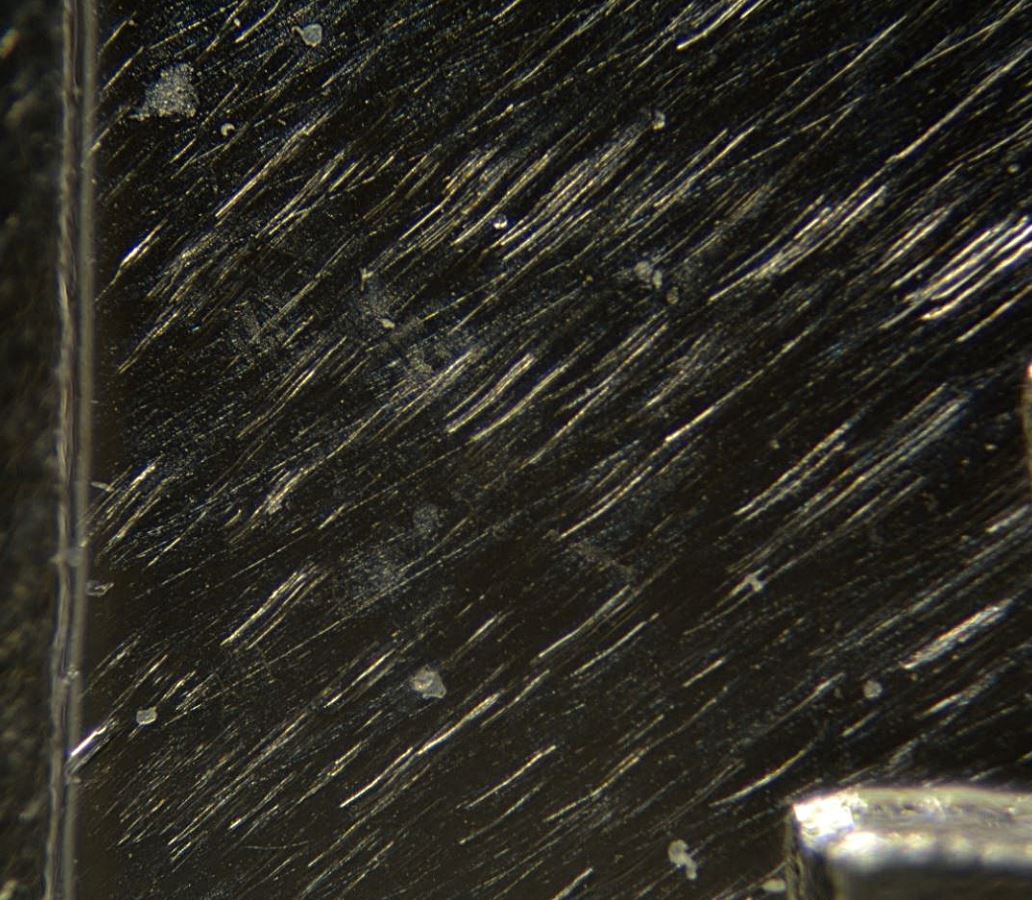
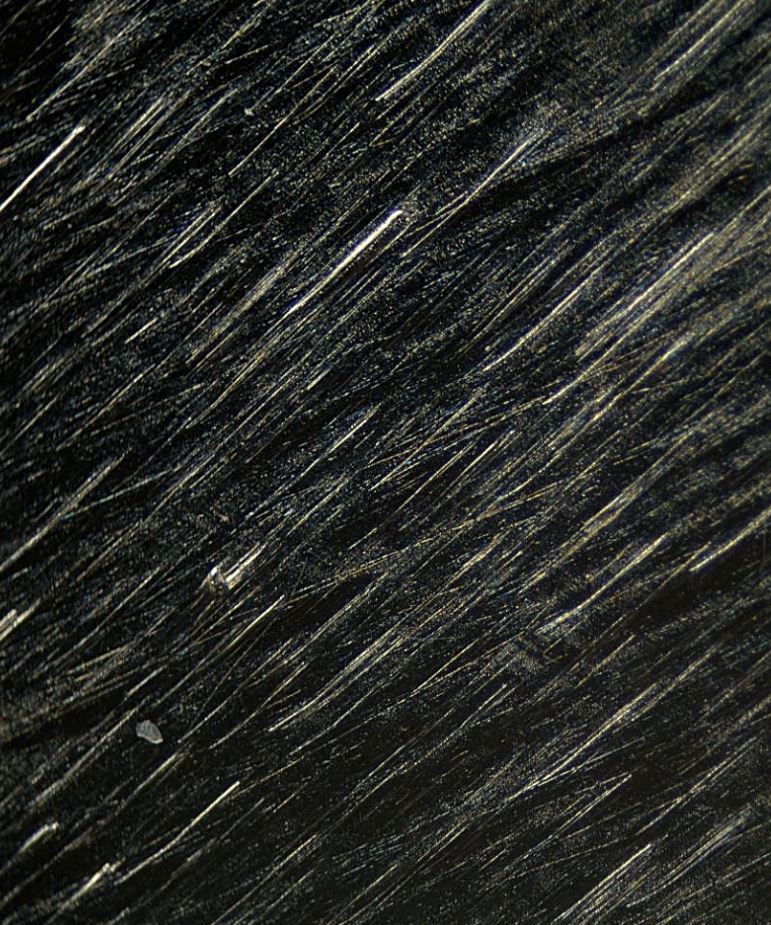
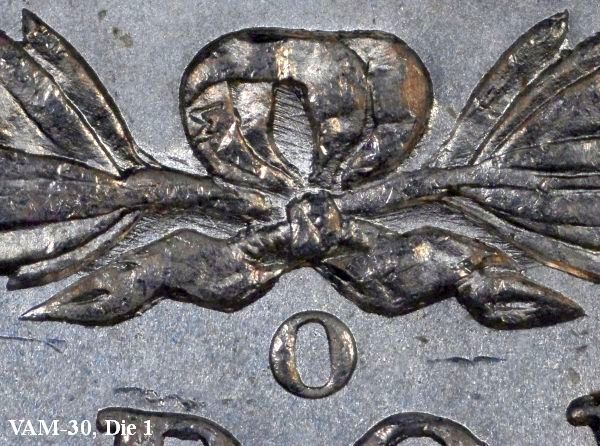
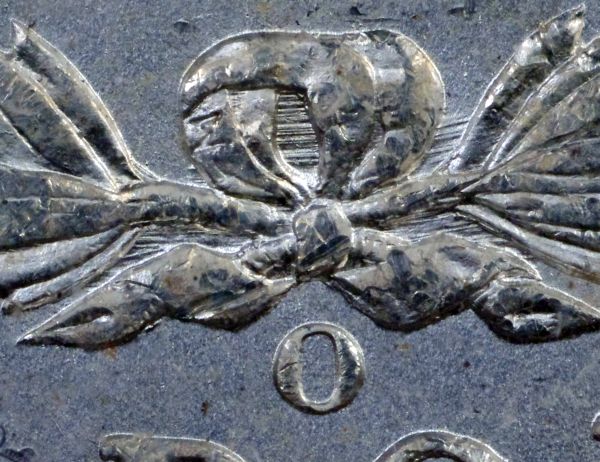
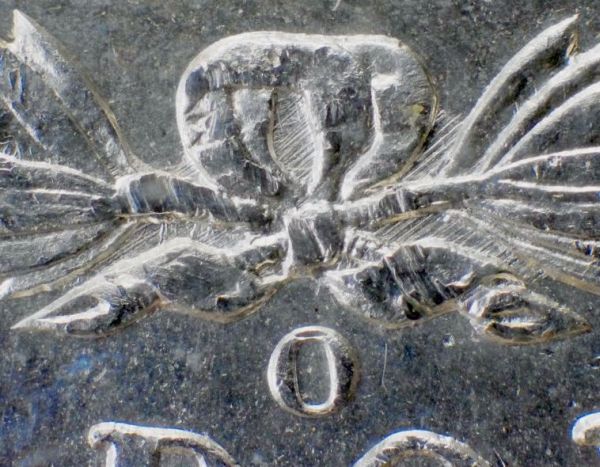
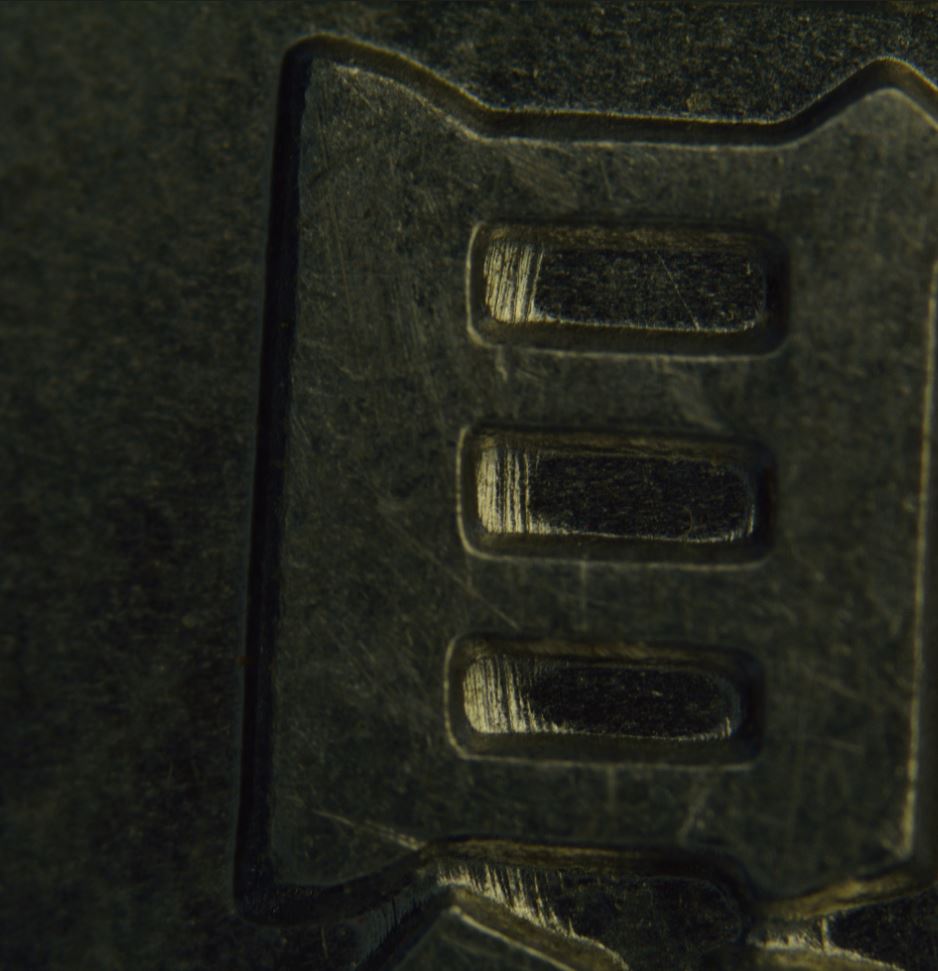
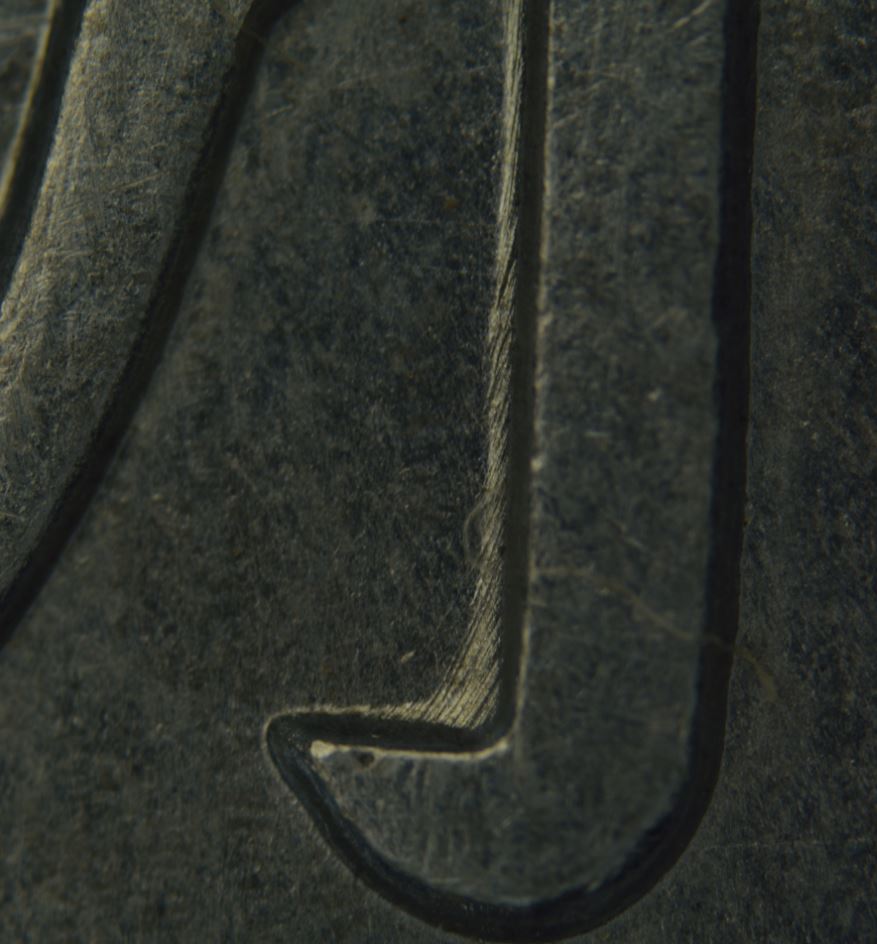
Lastly, I wonder what the lines are in the corners in the pictures below? Flowlines in wrong directions?
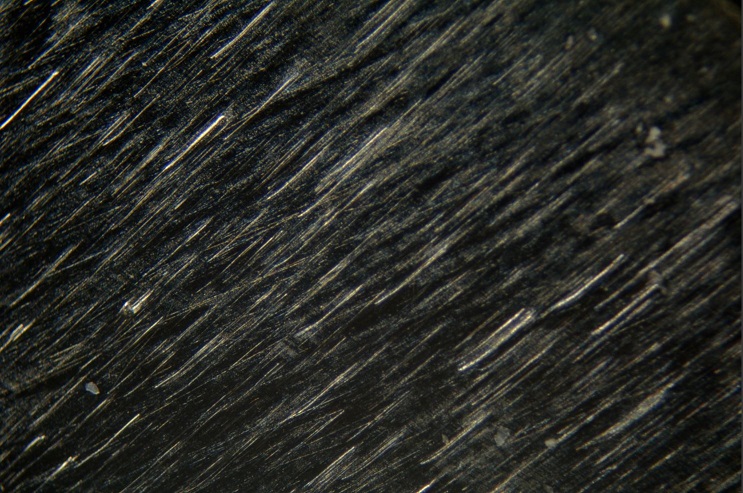
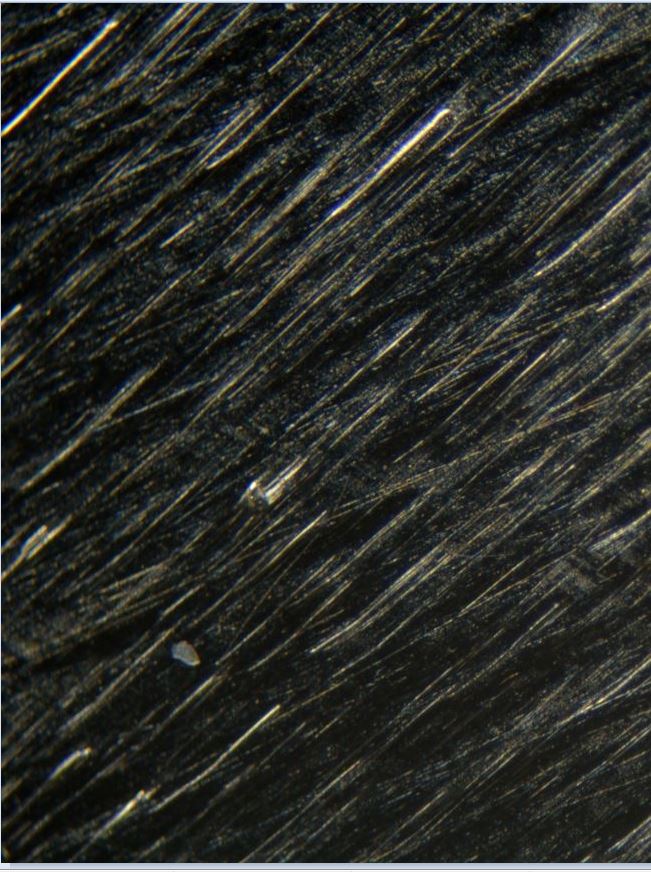
Looks to me like those are die polishing/sanding marks. The areas you're showing are on the edges of raised die elements.
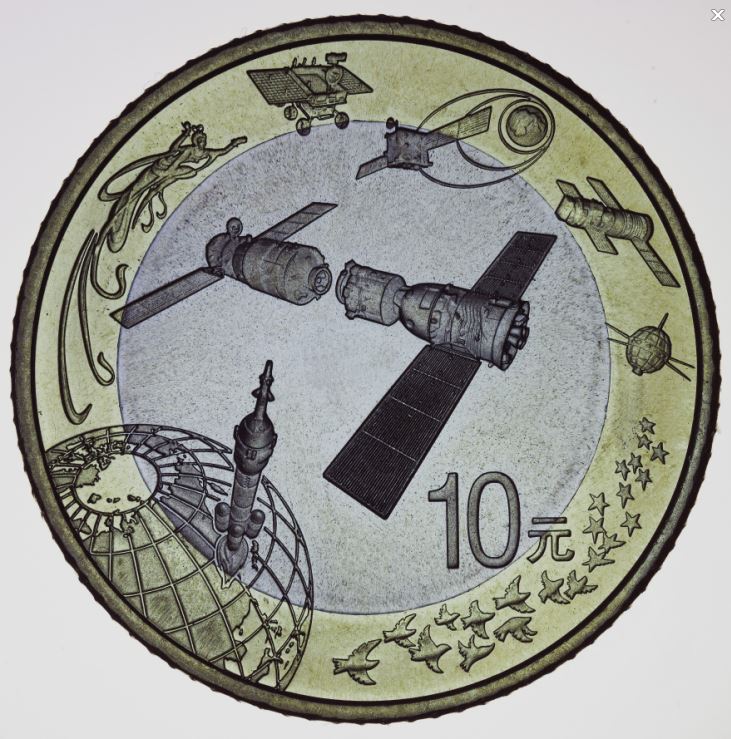
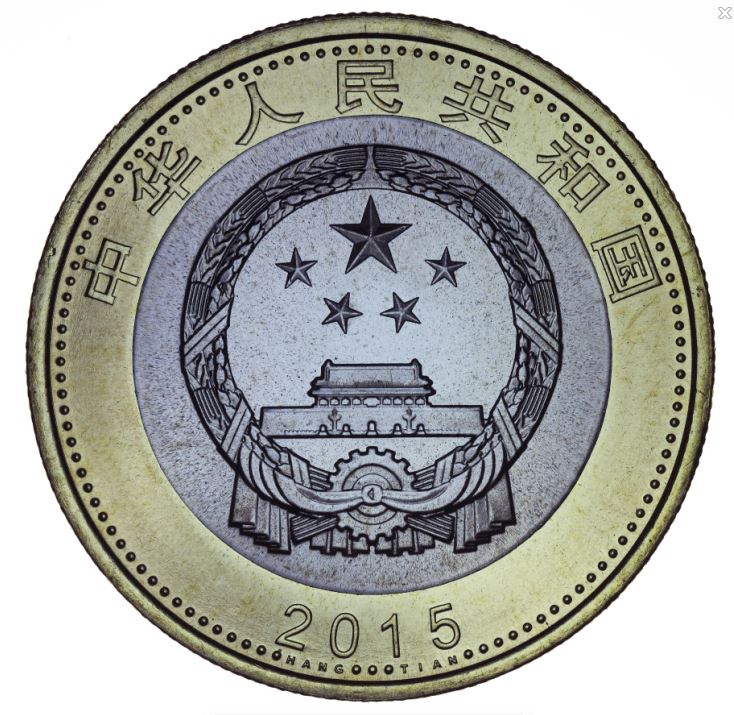
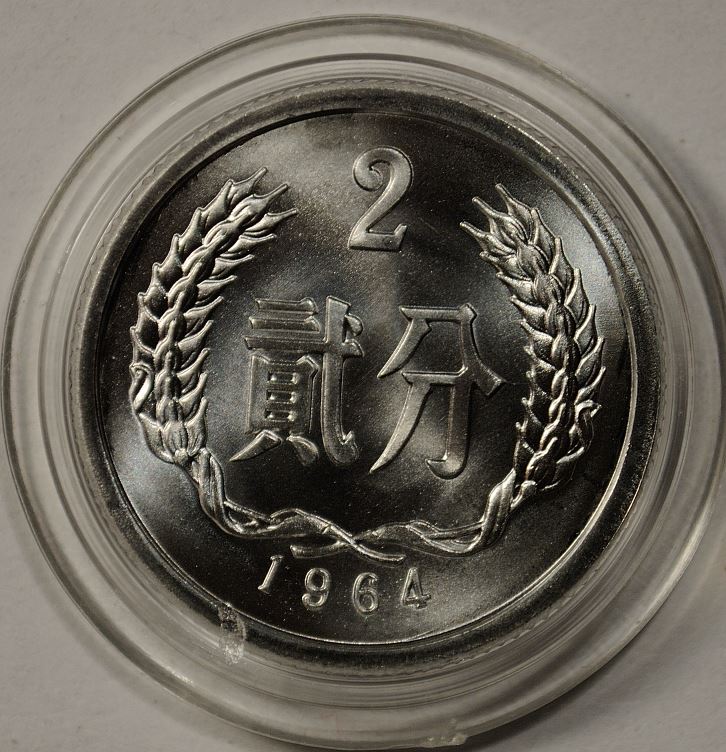
Quote:Two more pictures for critique. They are the obverse and reverse of a recently released circulating commemorative coin for spaceflight. The original pictures with greater details can be viewed at:
http://www.ahsyw.net/viewthread.php?tid=22319 Nice pics. They appear to be mostly axial. I'd like to see them a bit brighter and with more contrast, but as always it's up to the photographer to match the image to the coin.
My "contrast" comments are of course imaging-related, and are independent of the look of the coin, just geared to presenting the best image of the coin. This is a subtle distinction. It's important in an image to ensure proper overall exposure (re: the recent thread
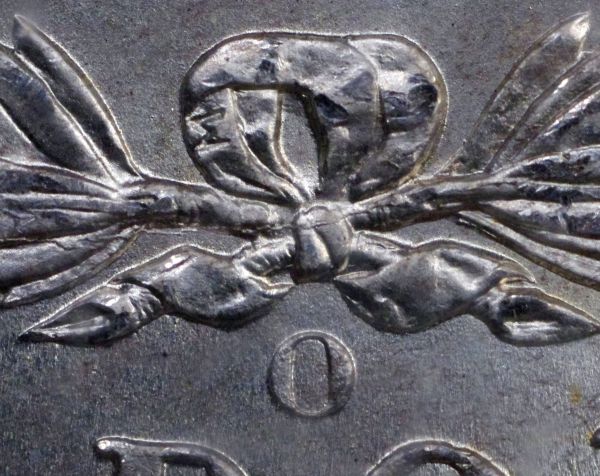
https://goccf.com/t/246014&whichpage=4) but also to use the full dynamic range of the jpg medium. To illustrate, I adjusted the dynamic range of the first of your latest images in two ways. First, bringing the black level up until I see just the first glimpses of saturation:

The black level here is 192, so this means you can drop your white level as low as 192 and not see significant over-exposed highlights.
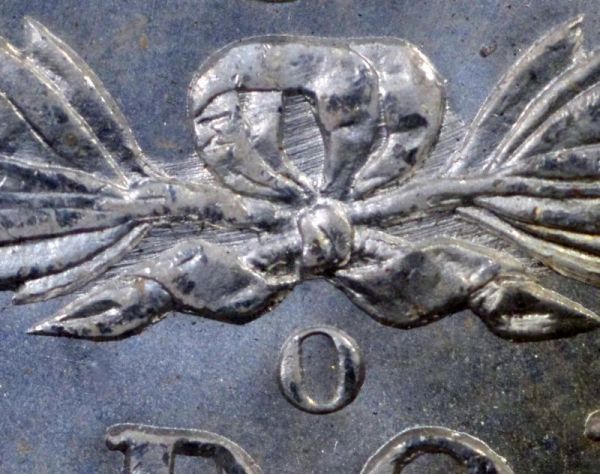
I also lowered the white level to see where the first shadows are lost:

In this image I lowered the white level to 16.
So this means your image dynamic range can be improved quite a bit without crushing blacks or blowing out whites.
Contact me for photographic equipment or visit my home page at:
http://macrocoins.com





 First Page



 Posted 01/14/2016 09:27 am