| Author |
 Replies: 12 / Views: 1,629 Replies: 12 / Views: 1,629 |
|
|
New Member
United Kingdom
16 Posts |
I think it's of anglo saxon origin or possibly viking but can't figure out the ruler. If anyone has any ideas I'd greatly appreciate it. Thanks. 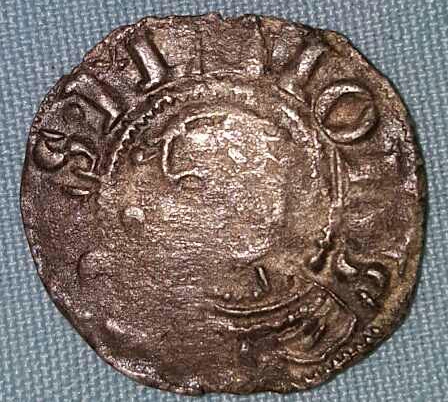 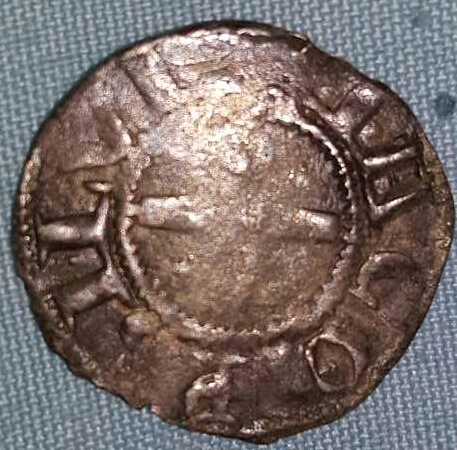 *** Moved by Staff to a more appropriate forum. *** *** Moved by Staff to a more appropriate forum. *** |
|
|
|
Moderator
 United States
23731 Posts |
 to the community Not my area but I'm sure someone over at the Ancient/Medieval coin section will be able to help. I'm going move the thread there. |
|
Moderator
United States
34549 Posts |
yes Nothing in Skaare's "Coins and Coinage in Viking-Age Norway" has a cross remotely similar to the one on your reverse. I'm thinking maybe non-Scandinavian Europe, but still looking for a match. "If you climb a good tree, you get a push."
-----Ghanaian proverb
"The danger we all now face is distinguishing between what is authentic and what is performed."
-----King Adz
|
|
New Member
 United Kingdom
16 Posts |
Hi thanks for looking. My initial thoughts was it was a canute or Edward the confessor short cross but I can't match that up with the lettering on the front. Got me really stumped.
|
|
Moderator
United States
34549 Posts |
Yes good thought, but again the style of the cross seems different. Most of those have two thin lines to create each arm of the cross as opposed to one heavy one like in this coin. I've looked in my Spinks and cannot find a match, even going forward to as recent as Henry VII. Maybe someone else in this forum has some ideas?
"If you climb a good tree, you get a push."
-----Ghanaian proverb
"The danger we all now face is distinguishing between what is authentic and what is performed."
-----King Adz
|
|
New Member
United Kingdom
16 Posts |
I've searched both volumes of jj north's hammered coins with no luck. When you see the coin in your hand you can see the portrait slightly better. Whoever it is they are wearing a cap with tassles on it similar to styles seen on cnut, hrdacnut, Harold 1st and Edward the confessor that's what pushed me in the anglo saxon direction. I can't help but wonder whether it's some lesser king or lord from mercia, northumbria or wessex who was minting his own coins in the styles of others or perhaps a contemporary viking imitation.
|
|
Valued Member
Poland
59 Posts |
Im just thinking, what do you guy see on the legend ? I think I see LLVL IHCO P and SIL LOS on the other side, anything else? Maybe that somehow would help us?
|
|
New Member
United Kingdom
16 Posts |
Usually the rear of most coins show the mint town and moneyers name. I assumed the llul was a blundered spelling or abbreviation for London which sometimes shows up as lvnd or lvn on some later coins from the Norman period. The C letter could be a G giving a name like Godric but there's too many letters missing and it's hard to speculate and fill in the blanks. Usually a v is a u letter and the p looking letter is an R on these old coins.
|
|
Pillar of the Community
United States
1969 Posts |
Is it perhaps possible that it's a counterfeit?
|
|
New Member
United Kingdom
16 Posts |
Yes possibly a poor contemporary copy of its day that someone may have been passing off as genuine currency of one of the rulers of that period.That's what I am leaning towards unless someone can figure it out. The vikings where known for counterfeiting saxon currency and not doing a good job of it either. I had been using that below to try decipher the letters. 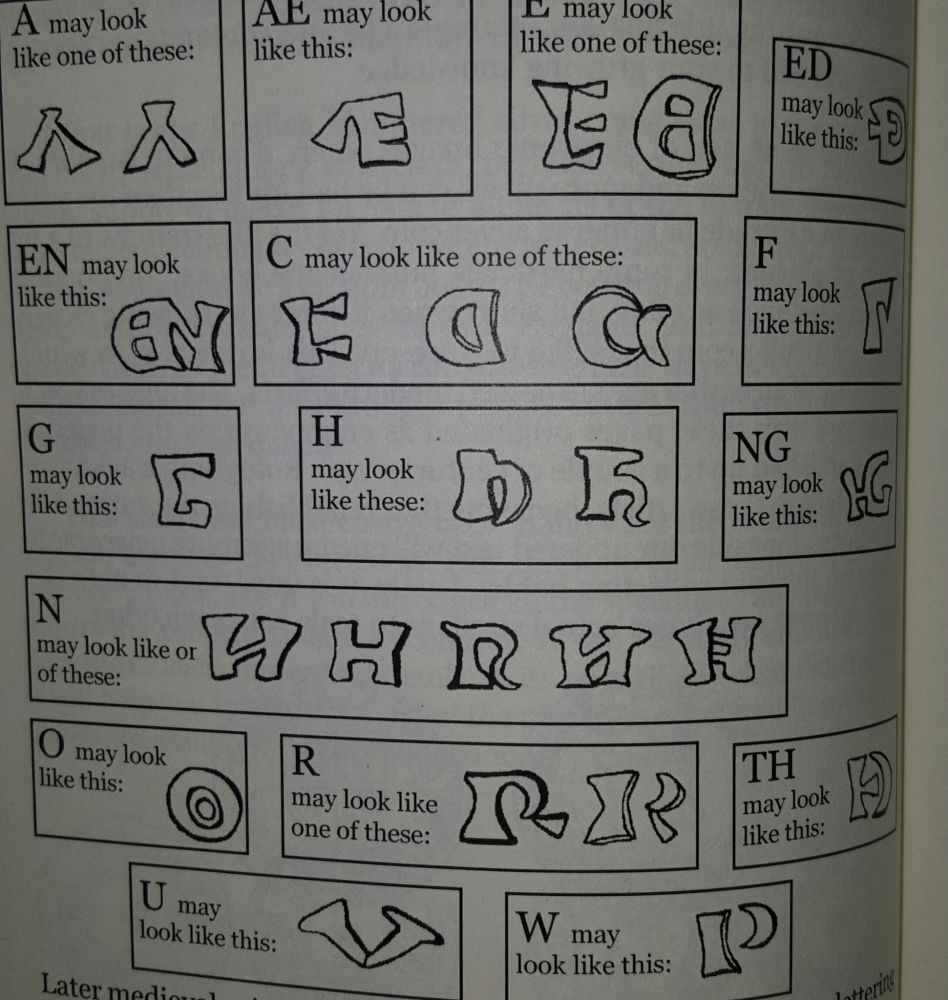 |
|
Moderator
United States
34549 Posts |
Quote:
Im just thinking, what do you guy see on the legend ? I think I see LLVL IHCO P and SIL LOS on the other side, anything else? I was thinking that the reverse inscription was I O _ _ S _ _ _ G S M (starting from the one o'clock position" "If you climb a good tree, you get a push."
-----Ghanaian proverb
"The danger we all now face is distinguishing between what is authentic and what is performed."
-----King Adz
|
|
Pillar of the Community
United States
7067 Posts |
Sorry, been off-line for a few days. The coin is a French denier, Abbots/Priory of Souvigny, 1080 - 1213. Obv: SCS MAIOLVS, facing bust of St. Maieur/Mayeul, crozier right; Rev: + SILVINIACO, plain short cross.
Edited by Kamnaskires
01/27/2016 11:45 pm
|
|
New Member
United Kingdom
16 Posts |
Wow thanks bob. I was thinking it was a British made coin with it being found in Britain. Really surprised me that. I would never have figured it to be French monks. Great work.
|
| |
Replies: 12 / Views: 1,629 |
|










 Posted 01/26/2016 8:07 pm


