| Author |
 Replies: 8 / Views: 1,784 Replies: 8 / Views: 1,784 |
|
|
Pillar of the Community
United States
1499 Posts |
Recently a member of my local club gave me a group of counterfeit coins to photograph, examine and analyze. All of these pieces have the look of the toned "silver" counterfeit coins that have been popping up all over the Internet and at places like flea markets. We have been told that these coins are made of steel and therefore magnetic. Yet, none of these are attracted to a magnet. Have any of you done the magnet test on the counterfeits that you have? What have been your results? Here are photos of the counterfeits. "1846 Dollar" 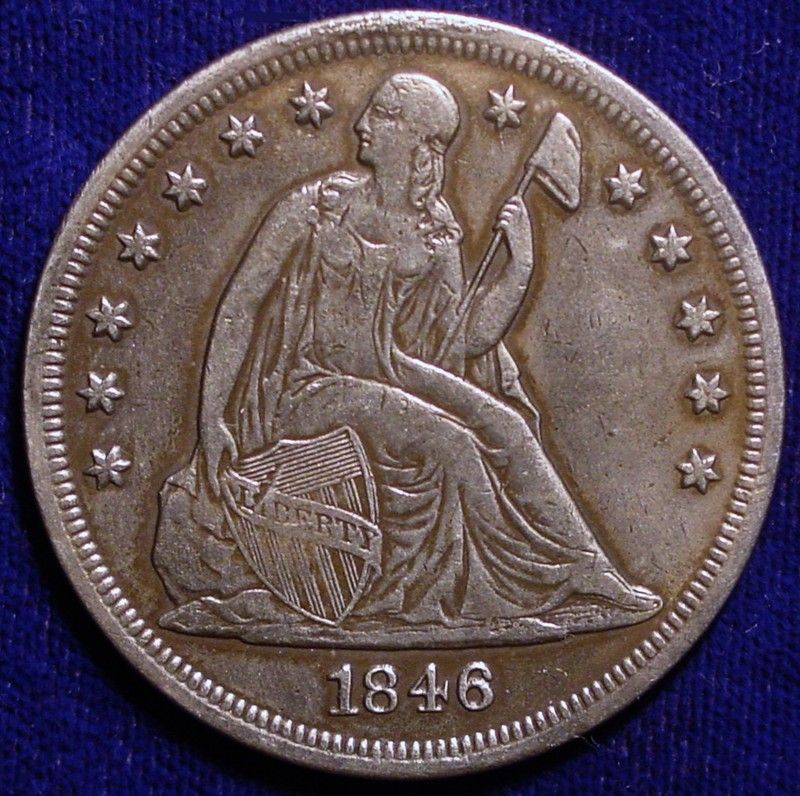 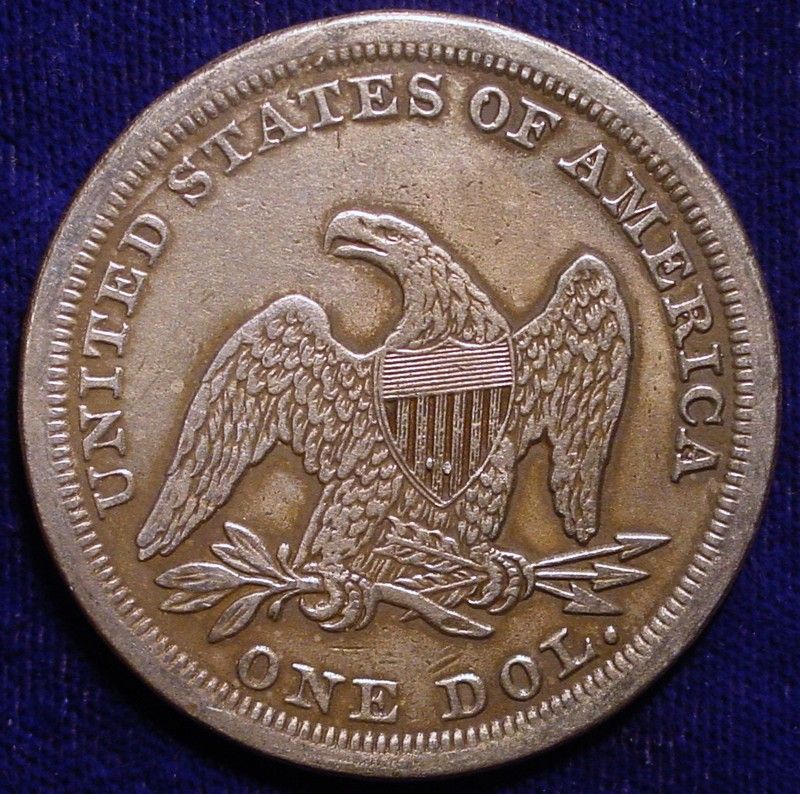 "1874-CC Trade dollar" 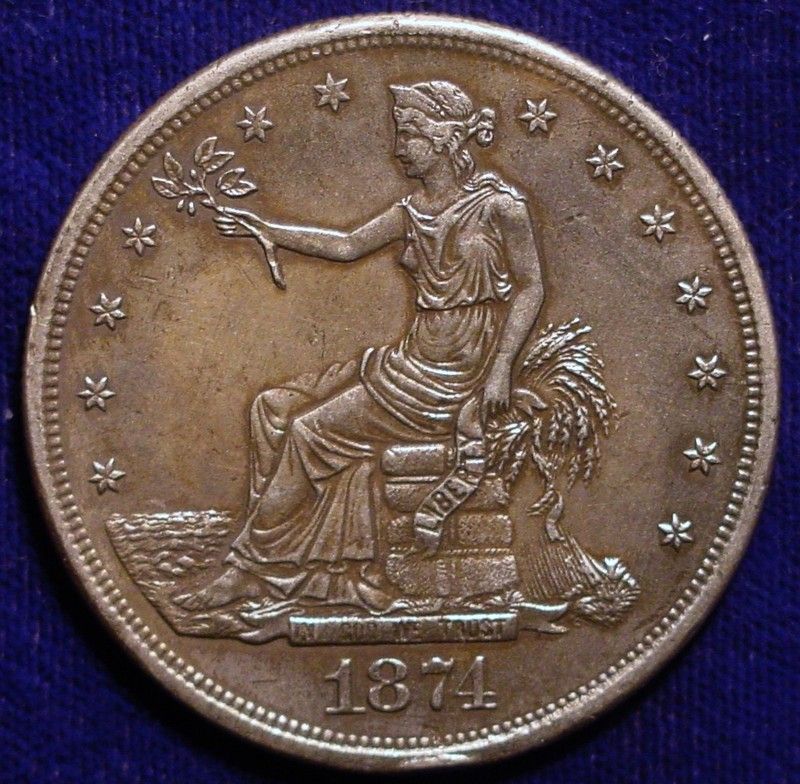 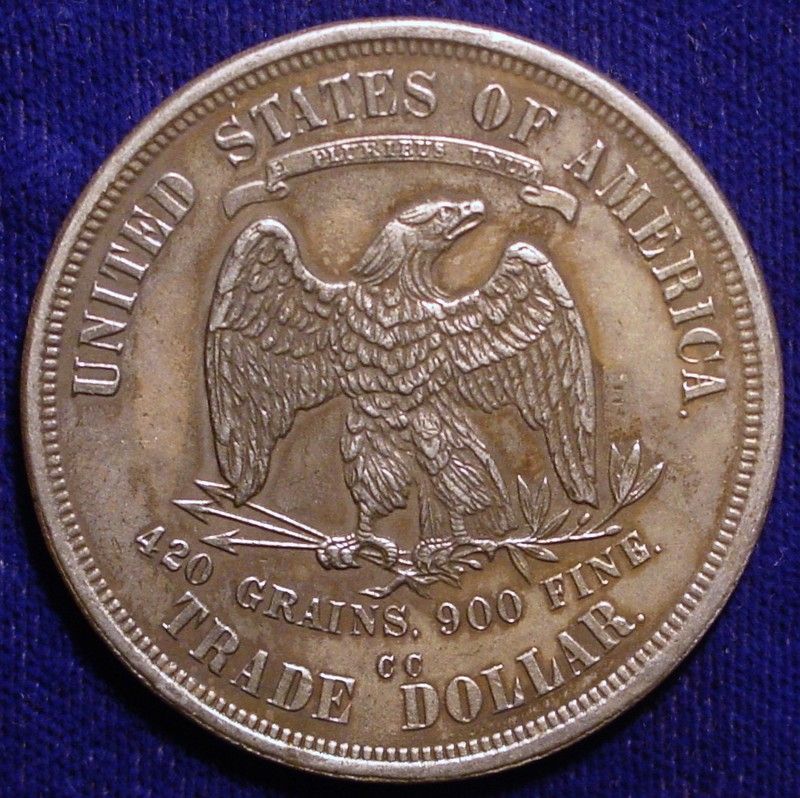 "1879-S Dollar" 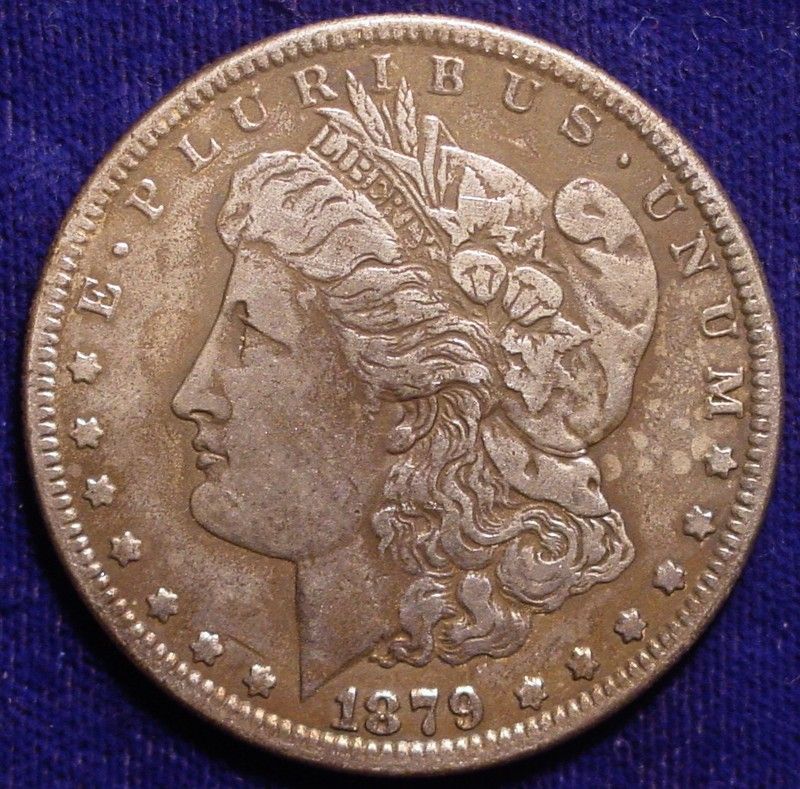 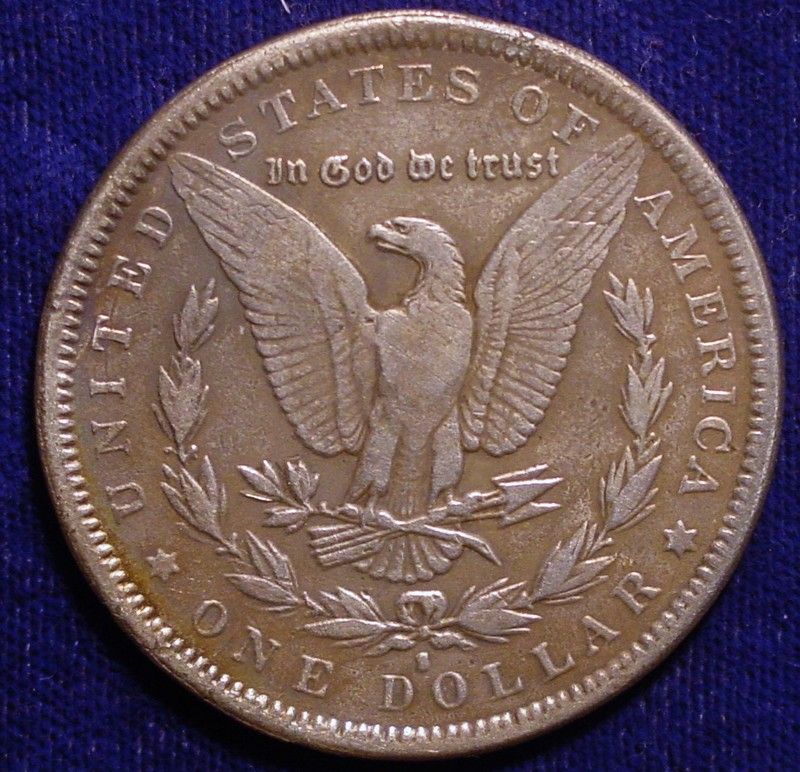 "1908 Silver Eagle" 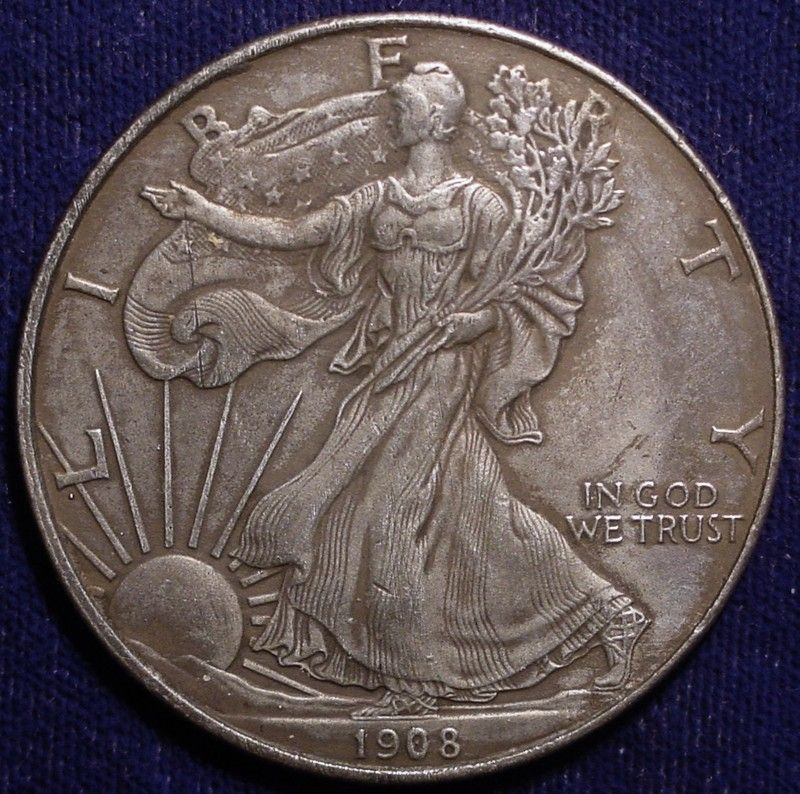 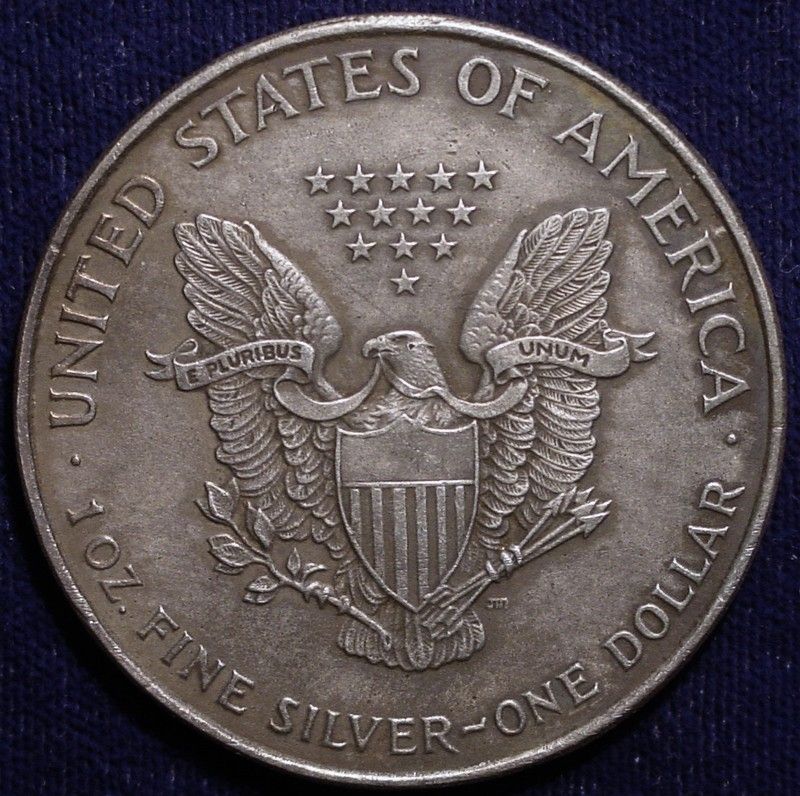 |
|
|
|
Valued Member
United States
311 Posts |
Lol the 1908 silver eagle, why counterfeit a non existent coin.
|
|
Pillar of the Community
United States
4085 Posts |
I feel like we are way past counterfeit coins being magnetic - they've been being cast and now even struck on non-magnetic materials for awhile now. There are even reports of them being struck on silver planchets. I think a weight test is the first stop; I don't even bother with the magnet test.
|
|
Pillar of the Community
 United States
1499 Posts |
Quote:
Lol the 1908 silver eagle, why counterfeit a non existent coin. D. Carr has done it many times, and collectors buy them until he is sold out. Would like you like to buy a 1975 quarter with the usual eagle on the reverse? For the record they don't exist because all of the quarters issued in 1975 were dated 1776 - 1976 with Bicentennial reverse. |
|
Valued Member
146 Posts |
In my experience, ONLY the EXTREMELY CRUDE fakes have been attracted to a magnet. The coins in the OP are just crude fakes. Deceptive counterfeits (those that may get past experienced professionals) have the correct tolerances, alloy, and "look."
Ditch the magnets and use your eyes for this sort of junk.
|
|
Rest in Peace
United States
17900 Posts |
It requires some time to become educated enough to learn the differences between all the counterfeits that are out there today. But they've been made for many decades and there isn't any one consistent test that will catch them all. Other than actually knowing the series you buy well enough to spot problems. Or buy TPG, which are right 99+% of the time. The very crude TPG counterfeits are likewise easy to spot the minute you handle one, although you could get nailed from "pictures" only. Buy from trusted merchants and the likelihood that you will get a bad coin is very small. Dealers want you to be a customer for years and they try hard to get you a fair item for a fair price. There are exceptions, of course, but those really good sellers know the business and the coins. |
|
Pillar of the Community
United States
6370 Posts |
All the ones I bought from the no-no site for less than $2 each were not magnetic. A lot of them I cannot imagine how one could mistake them for the real thing.
|
|
Moderator
 United States
34476 Posts |
Quote:
Ditch the magnets and use your eyes for this sort of junk. Amen! "If you climb a good tree, you get a push."
-----Ghanaian proverb
"The danger we all now face is distinguishing between what is authentic and what is performed."
-----King Adz
|
|
Pillar of the Community
United States
6370 Posts |
The moulds for these coins were probably made with genuine coins. The die crack on the reverse of the 1846 matches that of my own 1846.
|
| |
Replies: 8 / Views: 1,784 |
|










 Posted 03/23/2016 11:30 am


