| Author |
 Replies: 18 / Views: 4,429 Replies: 18 / Views: 4,429 |
|
New Member
United States
17 Posts |
|
|
|
|
Moderator
 United States
56855 Posts |
Is it magnetic? Weight? John1  |
|
Moderator
United States
14463 Posts |
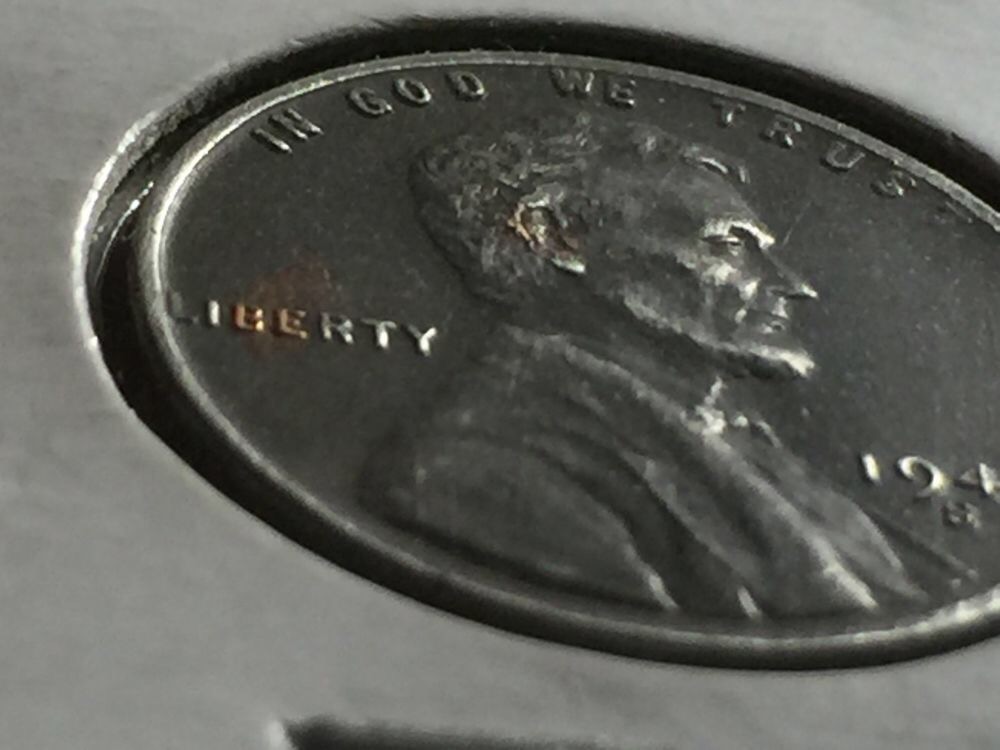
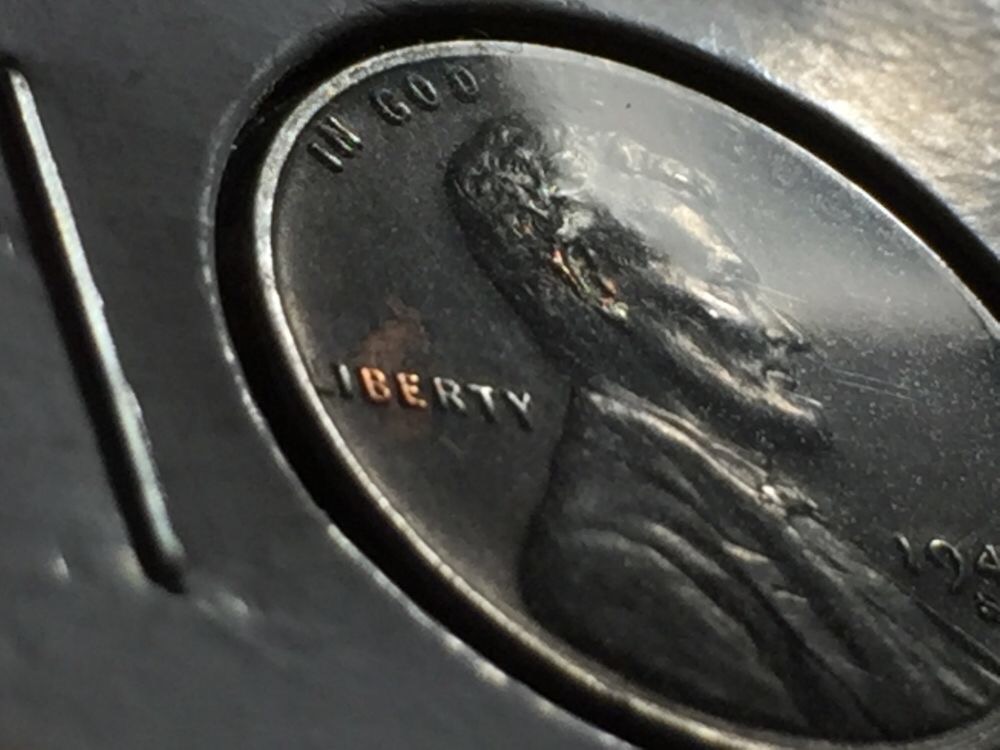
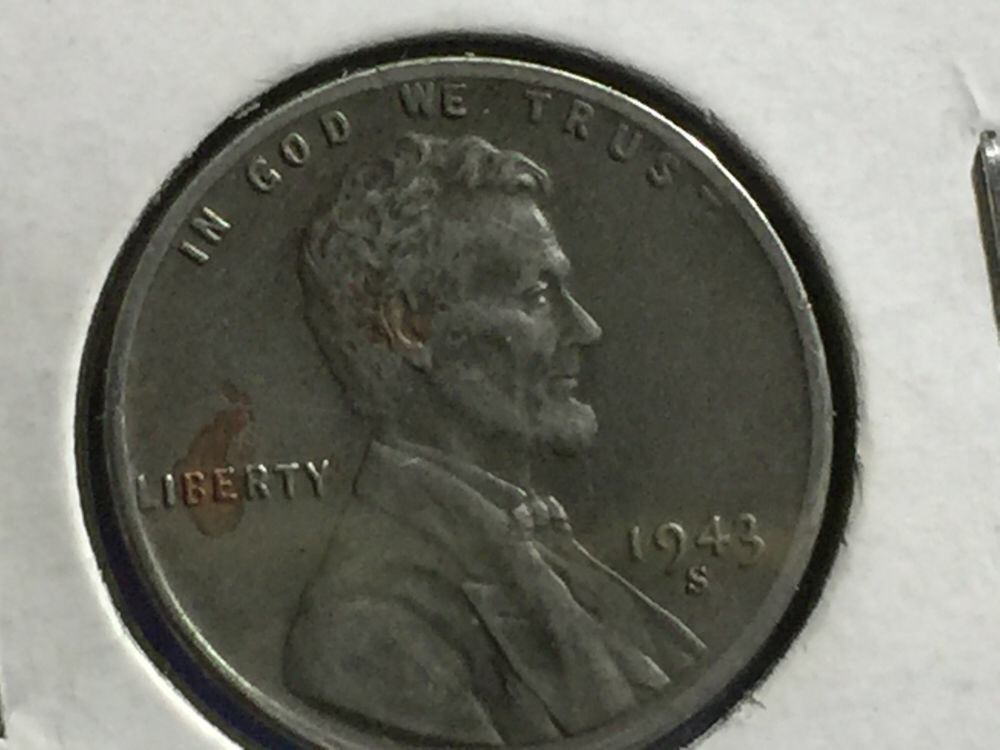
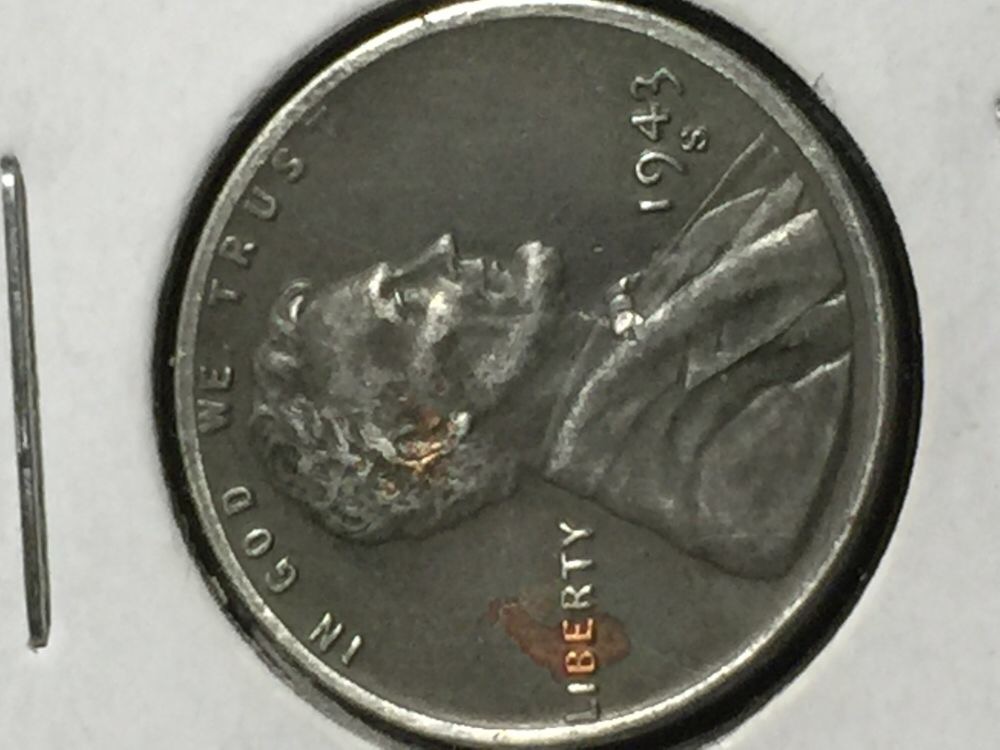
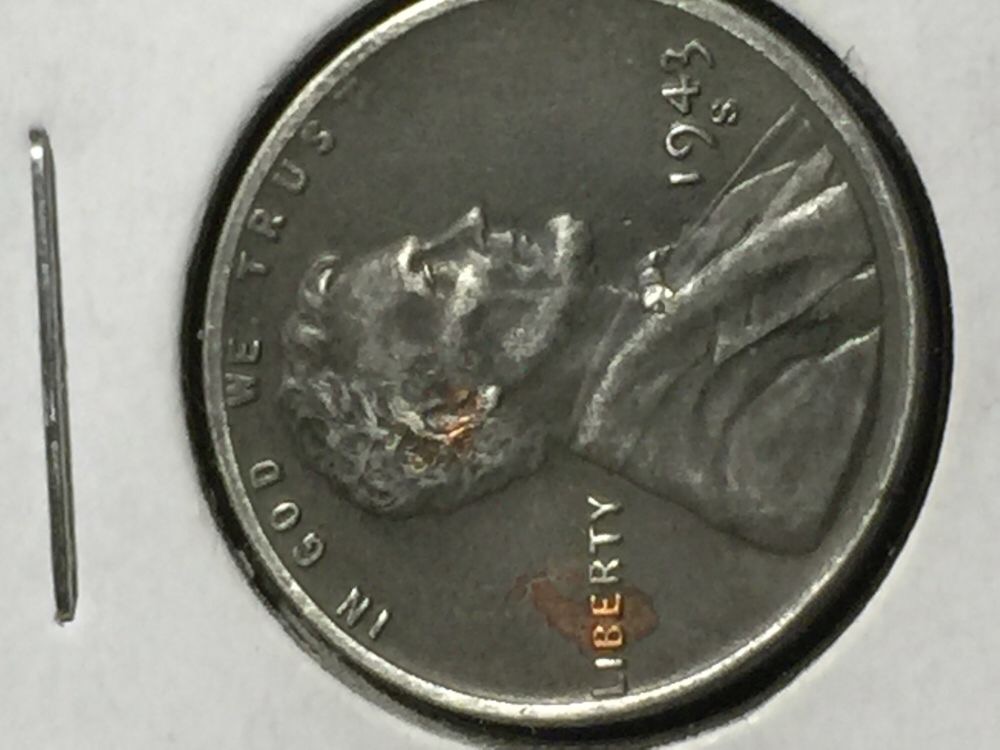
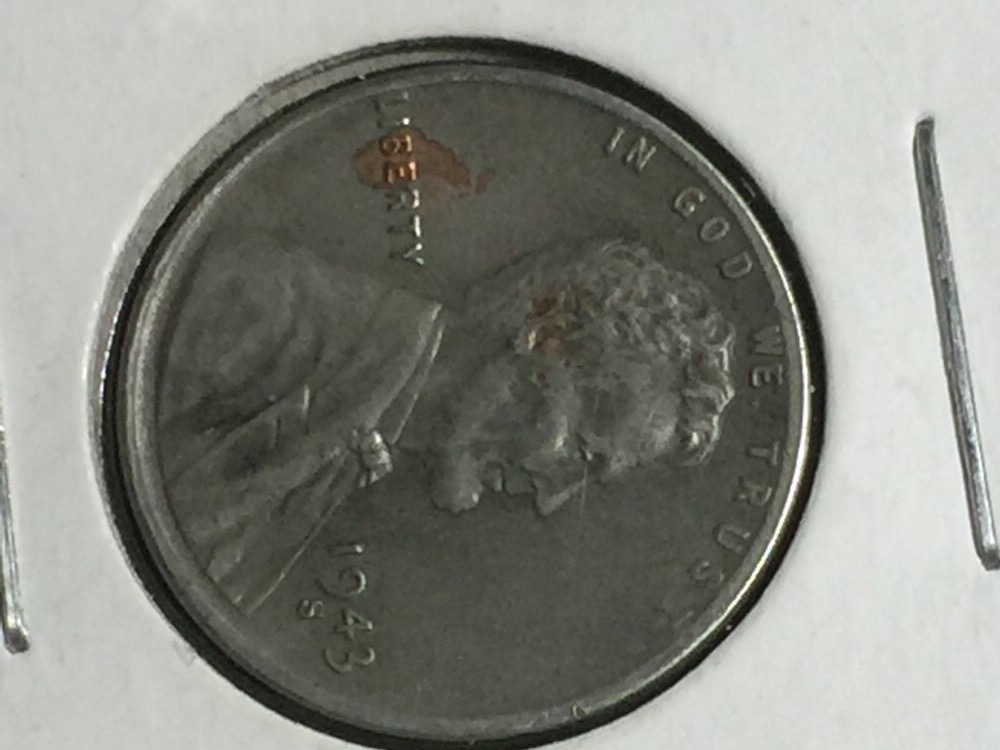
looks like it was discolored by something or maybe its rusting in that spot
|
|
Rest in Peace
United States
18456 Posts |
Why would anyone in there right mind zinc plate a COPPER 43-S ? And yes see if attracts strongly to a magnet .  |
|
New Member
 United States
17 Posts |
It's slightly heavier than a standard steel wheat. Rust, I think can be debated. Look at the reverse. There is a clean separation there. I'm no expert. Just hopeful. Very hopeful. 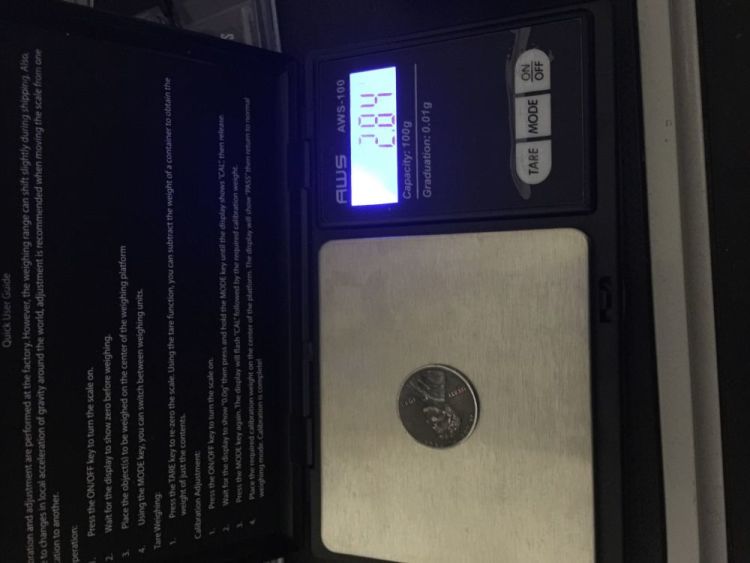 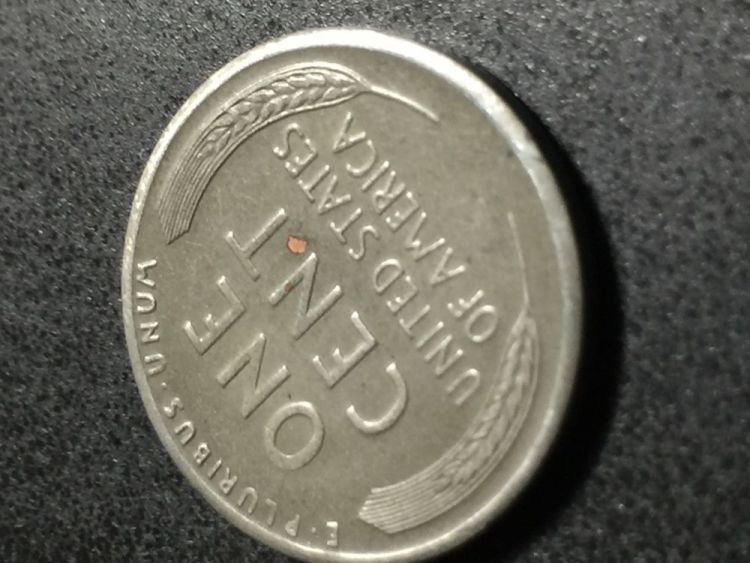 |
|
New Member
United States
17 Posts |
And it sticks to a magnet. But what if it just an outer layer that sticks?
|
|
Formerly coinlover1899
 United States
3058 Posts |
You should get another 1943 steel cent and put it up to the magnet. If this one was a real 1943 copper it wouldn't stick has strongly as the '43 steel.
www.InGodWeTrustCoins.com
|
|
Rest in Peace
United States
10625 Posts |
atmospheric discoloration - aka rust.
|
|
Pillar of the Community
United States
724 Posts |
Pretty sure it is a regular 1943 s.
|
|
Bedrock of the Community
United States
94367 Posts |
If you run your finger very lightly over the edges of the irregular area in "Liberty", can you sense which area is higher - the spot, or the field around it?  |
|
Moderator
Australia
17031 Posts |
It is not the outer layer of a steel cent that sticks to a magnet, it's the steel core. Zinc is not attracted to a magnet. The only substances which you are likely to find in a coin that stick to magnets are nickel and iron (steel). So if it sticks to a magnet, it's a normal steel cent and there really aren't any other options. Theoretically, if you did find a steel-plated-copper cent it would not be a unique mint error, it would be a counterfeit.
The brown colour you are seeing breaking through the zinc layer on this coin is just the rusty steel underneath.
Don't say "infinitely" when you mean "very"; otherwise, you'll have no word left when you want to talk about something really infinite. - C. S. Lewis
|
|
Pillar of the Community
United States
4809 Posts |
Looks like a steel cent where a drop of a solution with copper suspended in it attached to the substrate. Maybe done with a 9 volt battery. But it doesn't look to be the reverse case.
|
|
Pillar of the Community
United States
5828 Posts |
Im leaning twords NOT a copper cent. |
|
Bedrock of the Community
United States
20066 Posts |
Not copper, just stained/rusted.
|
|
Valued Member
United States
403 Posts |
There's another possibility. A drop of copper sulfate solution on a zinc-coated cent will initiate a displacement reaction since zinc metal is above copper in the activity series.
Zn(s) + CuSO4(aq) --> ZnSO4(aq) + Cu(s)
The result would be copper plating consistent with the pictures, at least on the obverse. Someone want to try it?
|
|
Pillar of the Community
United States
4809 Posts |
Tried it. That was my reasoning above. I recall using copper sulfate and/ or a cupric amino solution eons ago. Might have used a battery and an alligator clip too. I'm reasonably sure the subject coin was exposed to the solution and bonded.
|
| |
Replies: 18 / Views: 4,429 |






 Posted 04/10/2016 09:12 am





