|
This page may contain links that result in small commissions to keep this free site up and running.

Welcome Guest! Registering and/or logging in will remove the anchor (bottom) ads. It's Free!
To participate in the forum you must log in or register. | Author |
Replies: 27 / Views: 3,603 |
|
New Member
United States
5 Posts |
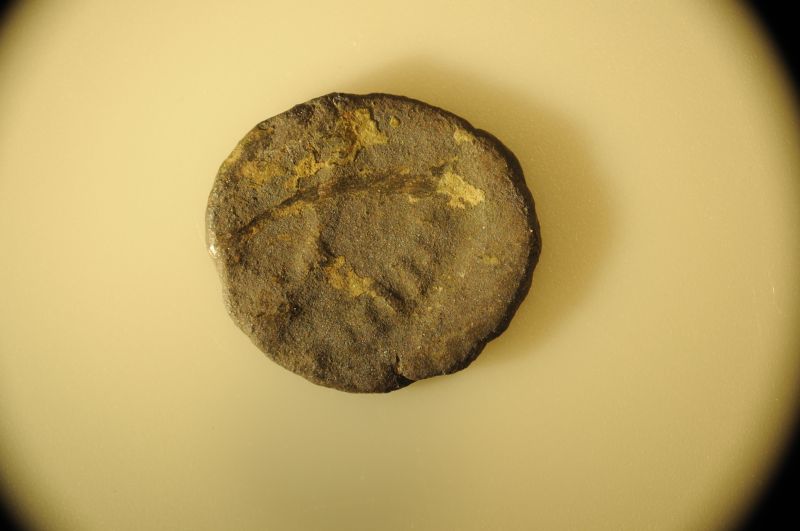
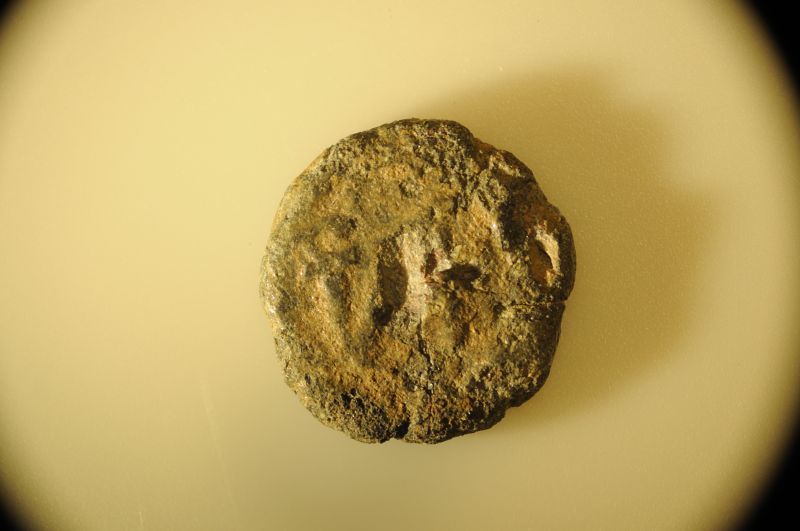
Hello everyone! First and foremost, I want to thank this forum for introducing me to buying Ancient coins! I just wrote up a little welcome speech in the new members section basically explaining how I got here (for anyone interested, https://goccf.com/t/264060) But basically my 9 year old likes coins and I love Ancient Greek and Roman History. A quick google search on how to buy roman coins brought me to the same topic on this forum, and the concept of buying crusty, unknown and unidentified Roman coins just seems to strike the sweet spot for me - the bargain price, the activity of trying to clean them with my son, the quest to identify and the over-all hunt/gamble feeling! I have some questions but first I want to explain what I did so far: -First thing I did was buy "Handbook of Ancient Greek and Roman Coins: An Official Whitman Guidebook" and already read it cover to cover in two days, although wasn't much reading involved https://www.amazon.com/gp/product/030709362X-Second thing I bought was two lots of 10 uncleaned Roman bronze coins off Amazon.com - not sure if this was wise, but that's the first batch I got https://www.amazon.com/gp/product/B001BMWATAWith this first batch, I made two piles of coins, (1) those I can make out some sort of detail, (2) those that just look like clumps of dirt or dirty metal buttons, no detail visible. I put the 2 groups in two jars with distilled water, soaked them for a day, took them out and washed them with dish soap and water, lightly scrubbed them with a nylon toothbrush in circular motions, dabbed them dry and put them back in the jars with fresh distilled water. I plan on repeating this procedure again this weekend. I didn't really notice any difference in most coins after the first wave of cleaning, except for one. -Third thing I did was bought another batch from ebay http://www.ebay.com/itm/LOT-OF-6-Au...162111500951 I received the coins today and I instantly noticed the coins appeared to be of much better quality - even though they are crusted over, it is clearly visible they will (might?) clean up much better. I threw all 6 coins into a 3rd jar with distilled water to start soaking. I have mentally noted this seller as someone I would do business with again. -Fourth thing I did was buy another batch from ebay, but not necessarily Greek or Roman http://www.ebay.com/itm/282072434200I figured it was much cheaper than what I paid on Amazon.com. I did not receive them yet. Here are my questions: 1. How have I messed up so far? 2. I read I could use olive oil (Virgin?) also - what are the pros/cons to Distilled Water vs olive oil 3. Is there a list of vetted ebay vendors that are recommended to buy dirty unidentified Ancients? Is there a list of ones I should avoid? 4. I would rather spend more on uncleaned ancients that have a better chance of not being a metal button, more so for my kid - he seems to need positive reinforcement. After all the work we are doing I don't want him to be discouraged. This ebay seller seems to be asking a larger amount per coin - I'm wondering if anyone has any experience with this seller or lot http://www.ebay.com/itm/LARGE-UNCLE...291768562511 5. Just from looking at the pictures from the book and looking at the ebay listings of uncleaned coins, it sure does seem that someone with experience could identify a lot of the coins even with the layers of dirt. I would think a seller with experience will pick off the good stuff and sell the common coins as "uncleaned and unidentified" - is this just the way it is or do gems get missed often enough? Thank you to everyone for your time! Mike
|
|
|
|
Pillar of the Community
United Kingdom
2624 Posts |
Olive oil is like distilled water on steroids. Since it is slightly acidic it works quicker but is not as gentle as distilled water (but more gentle than lemon juice or some other acidic substances)
Concerning point 5 this is a real concern... it is what puts many people off the activity you are undertaking... including myself. I bought a couple of batches and realises a couple of the coins had been over cleaned (stripped of patina etc) and then daubed with mud and reintroduced as if newly found. Of 30 coins, 10 were slugs (barren of any identifiable features)and the rest were just such bad coins they have no merit to be in my collection. All in all a disappointment. Personally I thought from that experience I was better to spend the money on already identified and cleaned coins that I would cherish rather than large quantities of coins I do not want. Not to say that some have not had good experience finding gems but realistically this is a rare occurrence.
Don't let me dampen your enthusiasm, since I am glad that some people are doing this. I imagine the individual coins that I buy must have at some stage been dug from the ground and cleaned it just must say something about me that I am only happy with the best examples of them.
|
|
Pillar of the Community
United States
7066 Posts |
|
|
Pillar of the Community
United States
6130 Posts |
 For a beginner, I would recommend that you go for a lot of already cleaned coins, provided you buy ones that weren't zapped with electrolysis or run through a rock tumbler. With patience, you can get a good variety of nice late Romans for not much more than you are paying. Learn the types and what to look for, then you will be armed to make informed decisions on whether to pull the trigger on an uncleaned lot. I do a lot of lots on ebay. I have been burned a few times, dropping good money on lots of slugs and uncollectible late bronzes. I have also found some pretty rare coins in "unidentified" or "uncleaned" lots, including everything from Alexander the Great, Augustus, Nero, Pontius Pilate, Galba, Claudius, Constantine I, Eudoxia, Theodora, and Magnus Maximus. I wish I could recommend a seller, but the very best lots are usually either a non-collector selling off an inheritance, or else a good coin that slipped past a power seller who can't be bothered to identify everything. Patience is key. If you search "ancient coin lot" on ebay (make sure your category is just "ancient coins" and not "ancient roman coins"), browse everything that is in auction format, and scroll past anything over $100 with no bids. Learn what is offered continuously and by whom, and learn to pick out the ones that are "different". Learn which auctions use a bait coin (e.g. a denarius of Septimius Severus) to move piles of culls. Learn which ones are just piles of slugs, or low value coins. There are plenty of solid deals to be had on ebay, but true steals don't come around often. As for the coins you already have, you can use regular over the counter hydrogen peroxide to dissolve the calcium and loosen the dirt on deeply encrusted coins. Give them an overnight soak, then rinse off and give them another 24 hours before removing and then putting in distilled water or olive oil.
|
|
Moderator
 United States
23731 Posts |
 to the community and to Ancient coin collecting. When I started collecting ancient years ago I started with un-cleaned lots from ebay. Back than they were cheap and it was exciting to uncover what was under all that dirt. I enjoyed the process. After I gained more experience I realized that to build a collection uncleaned lots were not the area to do it with. So I when to other sources than ebay. I would recommend that you check out these dealers on Vcoins. You can pickup some good deals from there. https://www.vcoins.com/en/stores/an...Default.aspxThere is also a sticky section here on Books, Downloads and Websites. You will find tons of useful material there that will help you learn about ancient coins. Few free to visit us often and ask questions.
|
|
Moderator
 United States
34428 Posts |
@Mike (and @Mike's son), first welcome to CCF. The three dudes who weighed in on your questions before me are huge assets to CCf and very willing resources. I have personally reaped the benefit of getting help from them with what seemed to me anyways to be cull coins. I really don't have much to add except that now is a good time to think about what you want from this collection. Is this a father/son activity where you drop $20 and find a couple identifiable coins that cause you both to learn some history? Alternatively, is this something that you plan to develop a little more seriously and actively seek out specific designs or rulers or eras? Both are worthy goals with great outcomes, but you may find that different goals push you in different directions with your buying habits.
"If you climb a good tree, you get a push." -----Ghanaian proverb
"The danger we all now face is distinguishing between what is authentic and what is performed." -----King Adz
|
|
Pillar of the Community
United States
3444 Posts |
Almost all of us have ventured into the uncleaned lots to try our luck and more importantly get some practice ! If you are going to mess up a coin better that it be a $3 LRB (Late Roman Bronze) than something actually worth more than a cup of coffee ! Later on after you get bored of what you are doing (almost inevitable !) I recommend you search for some "semi cleaned" bronze coins and you may be delighted ! By semi cleaned I mean fully identifiable but with obvious layers of 'dirt' covering the fields and filling up the details. With patience (patience is mandatory !) you can sometimes find decent $20 - 30 - 40 dollar coins that can be greatly improved using the skills you have learned. These can be found only by searching endless listings of coins (generally on ebay). Some 'crud' can be removed ..... some cannot without actually scraping it off with a knife. Don't do it ! Remember you will make mistakes and even hasty decisions. These usually cannot be undone ! I recommend buying bamboo shishkebab skewers to use for rubbing (gently) in the tight spots. They are soft enough to not do any serious damage. It took 2,000 years to encrust the coins. It usually takes more than a few weeks to undo it. Sometimes even months and years !
|
|
Pillar of the Community
United States
6130 Posts |
If you are interested, here is a thread where I posted each coin from a lot individually. I had just gotten started and had no idea what I was doing. Now I know that most of the coins were ruined with electrolysis (zapping with electricity--a big no no!) but beginner's luck was kind to me here. https://goccf.com/t/242013If I had to choose a single best "slam dunk" lot, it would be this one: http://www.ebay.com/itm/151866729856This one defies all logic as to how I got it for so cheap. The coins were tough to ID, but an ID was not impossible. The seller clearly knew which coins were valuable, as evidenced by the last photos with a few coins singled out. Normally, bidding would have been intense, but somehow there just wasn't much interest. Luck comes with enough patience.
|
|
Pillar of the Community
Spain
629 Posts |
I think that in the second lot that you purchased, (the six coins lot) the upper coin to the left is a Maiorina of the emperor Magnentius or perhaps his brother Decentius...
|
|
Valued Member
United States
129 Posts |
Welcome to you and your son. Another good site to look at for uncleaned Roman Bronze (late 3rd - 4th century AD) coins is dirty old coins (you can find it on google pretty quickly). When I started with uncleaned coins I also found that tesorillo was the most accessible way for a newbie to identify many coins I found in uncleaned lots : http://www.tesorillo.com/aes/home.htm . Don't be afraid to ask lots of questions, as the folks on this site are really great about helping to identify coins and sharing their knowledge. Edit: One other really helpful thing is to go to coin shows and just take a look through inventory of the various ancient dealers (maybe not buy anything the first time through, but just get a feel for prices and the wide variety of coins that might appeal to you).
Edited by captainyesterday555 07/03/2016 12:55 am
|
|
Pillar of the Community
United States
3546 Posts |
I have divided my thoughts on this subject into four sections to allow for better focus without mixing themes: FIRST, and most important,  Mike_NJ Learning and feeling confident that CCF members will scrutinize and suggest alternate means when a questionable comment occurs should be comforting and reassuring especially when dealing with one's own coins. I suggest that before one undertakes any action that could potentially damage the patina of any coin, throw the proposed thought process up on a thread and wait for at least two responses from trusted sources... REMEMBER 'LIKE DISSOLVES LIKE' Polar solvents remove polar residues: likewise, a similar logic dictates the non-polar crowd... W/r/t organic, non-polar olive oil, proceed with caution for this chemical can sometimes exhibit an increase in its acidity over time evolving into a mini Etch-a-Sketch (  , not really) only from the viewpoint of its sometimes increasingly acidic and engraving nature. The resulting acidic component of this olive oil could and does adversely etch (or commonly known as pitting) a coin's fields and devices to a point that it lowers the $ value of the coin. This corrosive effect can occur even though this olive oil did actually remove the initially undesirable residue. The olive oil degradation gradually evolves into a state of rancidity. This breakdown(a.k.a. oxidation) of extra virgin olive (commonly used as a standard), for example, occurs more rapidly in the presence of a greater exposure to air, elevated temperatures, and time which all accelerate the process to rancidity. "The IOC standard for free fatty acids in extra virgin olive oil is a maximum of 0.8%." "pH: refers to the hydrogen ion concentration in an aqueous solution. Olive oil and other oils are not water soluble so their acidity cannot be measured in terms of pH." ref. for above: https://www.oliveoilsource.com/defi...ph-olive-oilBecause of these limitations of pH measurements in olive oil complex titration tests are required for acidity content determination in which the average numismatist would more than likely lack the required training to perform these acidity tests accurately etc. Therefore, I personally would visually check on a daily basis one's oil-immersed coins with a loop to ensure that the patina remains unscathed with continued acceptable progress toward the removal of any encrustation etc.
|
|
Pillar of the Community
United States
3546 Posts |
SECOND
Important Procedural method when using 'any' device attempting to remove Crud:
Implement only puncture type movements traveling perpendicular into the coin: NEVER scrape parallel to the field/devices of the coin thus avoiding the creation of hairline or even worse scratches.
W/r/t to cleaning I do not even like this word when it comes to coins but in the unlikely event I become motivated enough to engage in this activity I'll work with a non-metallic substrate such as a wooden popsicle stick with a pointed tip formed by a pocket knife. This is for the very thick and hard-to-remove most outer crud layer. This modified popsicle stick should only loosen this very outer layer of crud w/o initially trying to expose the fields.
Moving down the scale of hand-held pointed crud-removal devices, a wooden toothpick comes in second. At last, if the coin is XF grade or higher and the crud is soft enough, I'll utilize a porcupine quill (equivalent to a rose thorn but with more rigidity). This pointed device squirms into those hard-to-reach cracks and crevices while preserving the integrity of the patina of the coin.
Verdigris (green crud) is a separate and complex topic that someone else can address in another post...
As an alternative measure to olive oil a solvent I'll often first try to soften the crud is xylol (same as xylene) for organic, non-polar residues.
|
|
Pillar of the Community
United States
3546 Posts |
THIRD
PRECAUTION:
Read the MSDS (material safety data sheet) very closely before fooling around w/ xylol and/or xylene: an ample supply of ventilation and the avoidance of skin exposure...
Another use for xylene would be for the aforementioned post olive oil operation. After submitting the coin into an extended olive oil bath, xylol should take off that residual non-polar oily and slick substance as well as its limited polar, free-floating ionic components that cause the etching effect. Do NOT use water 'after' any application either xylene or acetone.
Personally, I would use acetone as the final rinse after I have exhausted all of the chemicals I wanted to try since acetone exhibits both polar and non-polar characteristics...
|
|
Pillar of the Community
United States
3546 Posts |
FOURTH
Finally, this is simply a simple, common sense suggestion (often overlooked) for any new user to save some time if an unwanted event occurs on the computer. Periodically, I'll become so engaged in a topic that my accidentally erased response on a thread would be so catastrophic in terms of the lost time and creativity, the re-creation of the same content matter would not be worth the expended energy. It would just demand excessive time and energy to accurately replicate it again.
Therefore, one might want to first try typing and spell checking the verbiage externally on a Word (ALWAYS clicking 'Save' after every correctly composed sentence) document template separate from the CCF response form.
I cannot overemphasize how many times I've lost what I was typing by not following the above procedure: either from experiencing a power surge, dozing off while holding down the 'Backspace' button, seeing a brown out, or unintentionally clicking on the top left arrow to create a lost go-back-one-page scenario all of which are virtually impossible to recover from.
So, when applicable, one might wish to remember and implement the:
Potential time saver: prepare lengthy posts in word and 'then ' transfer them over to the CCF post. IMO, mdpmedia
|
|
New Member
 United States
5 Posts |
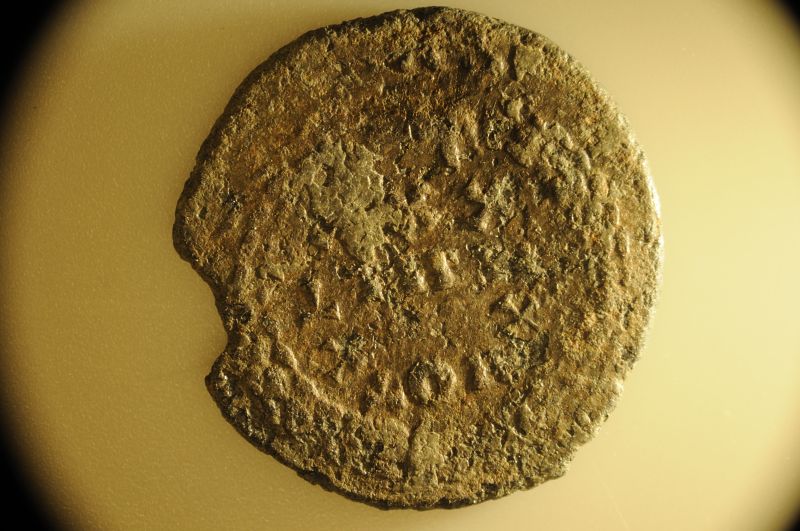
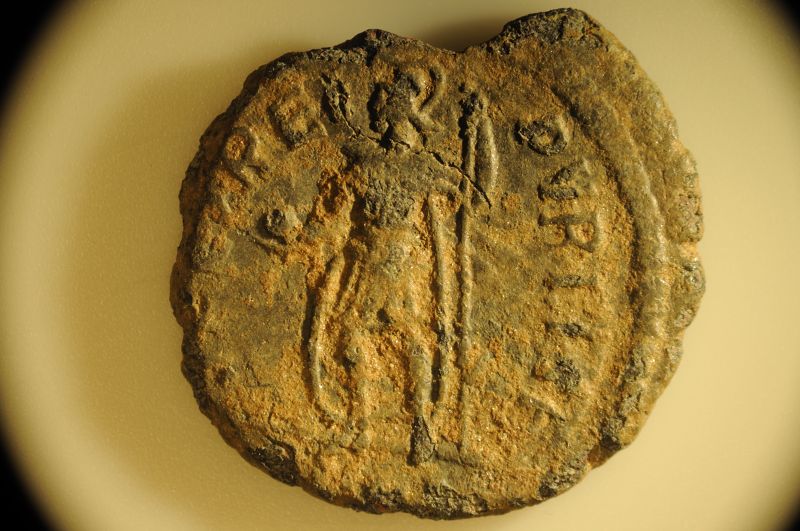
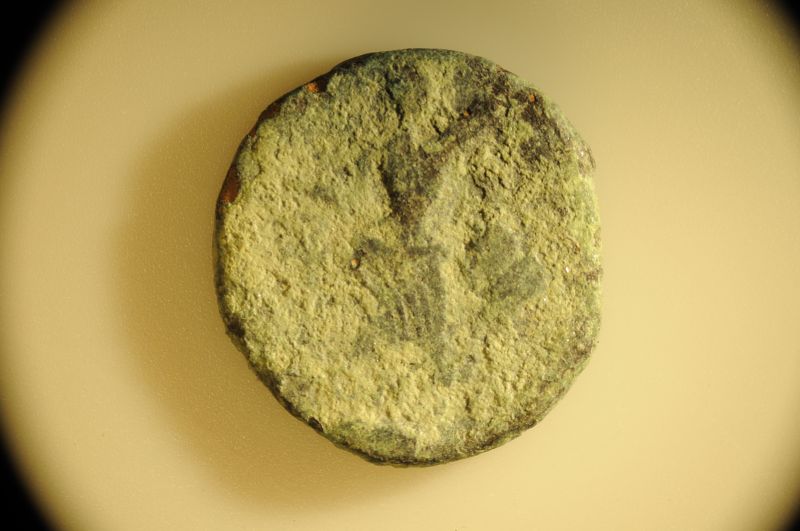
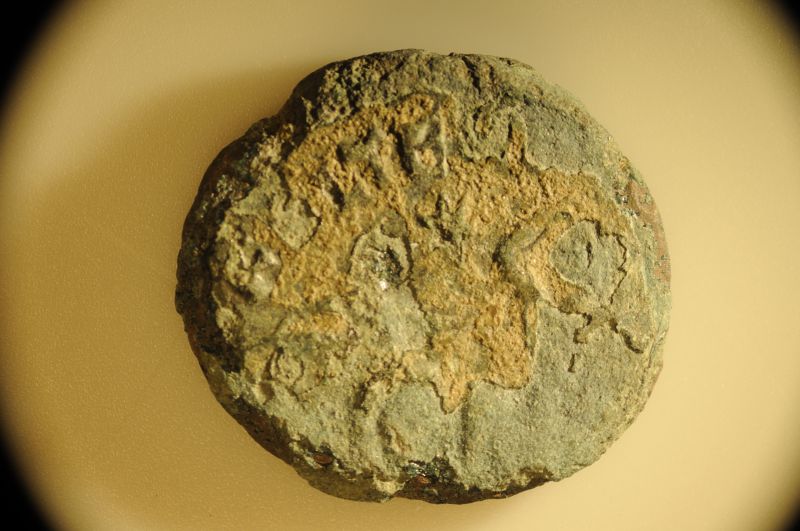
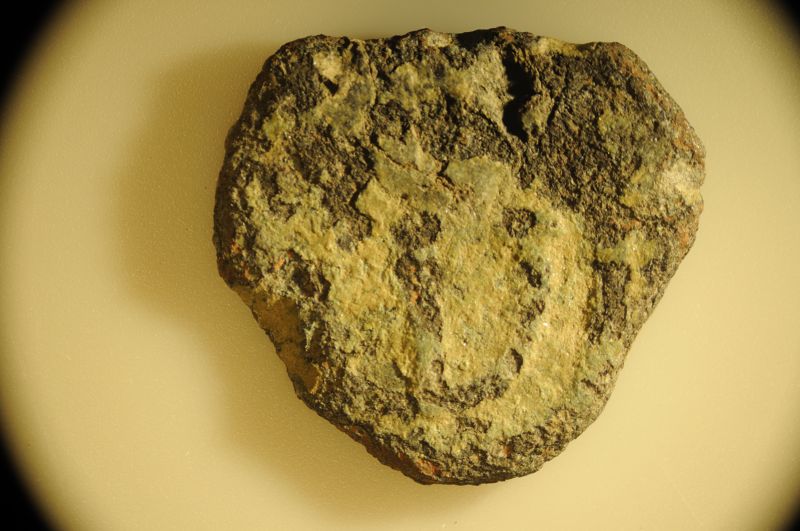
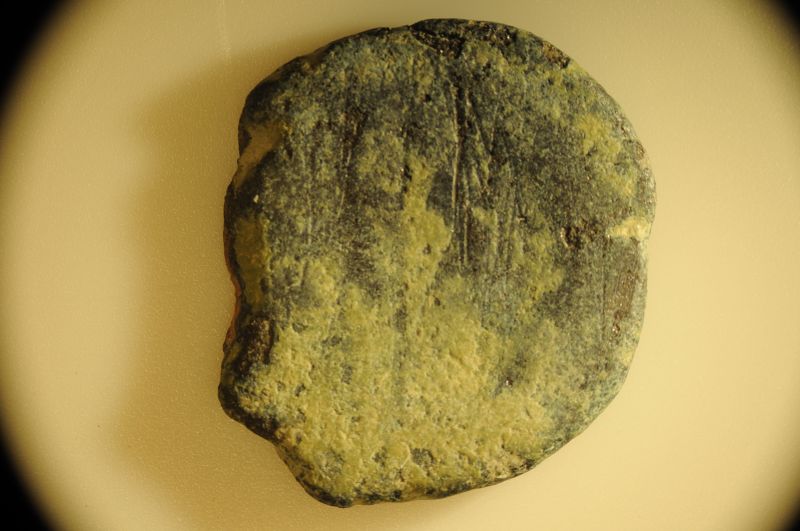
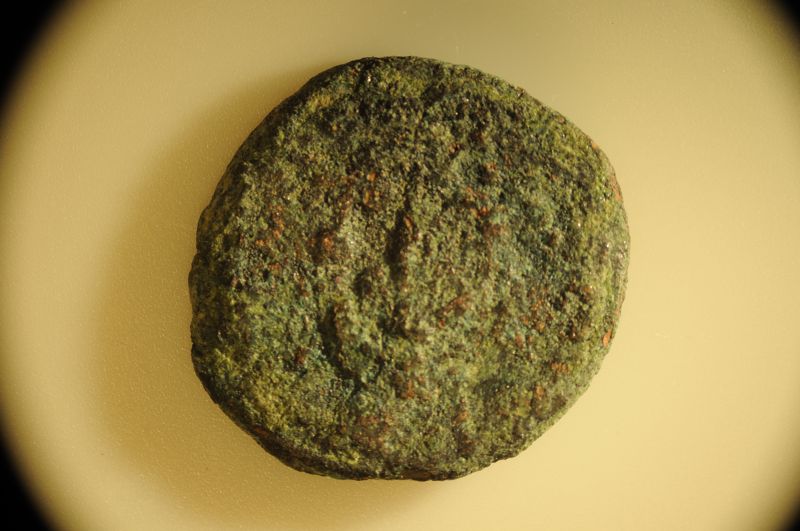
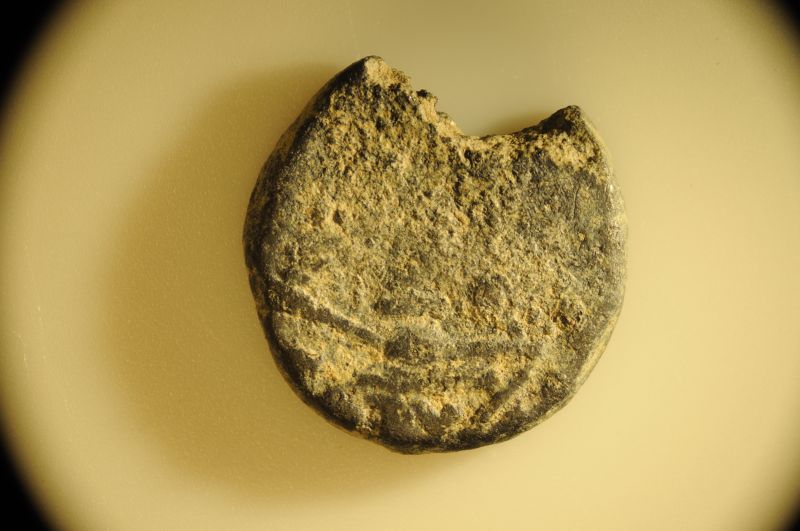
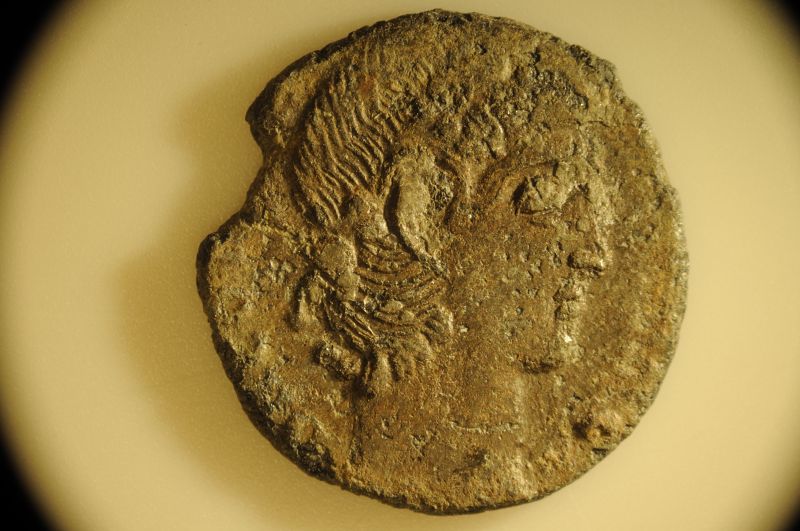
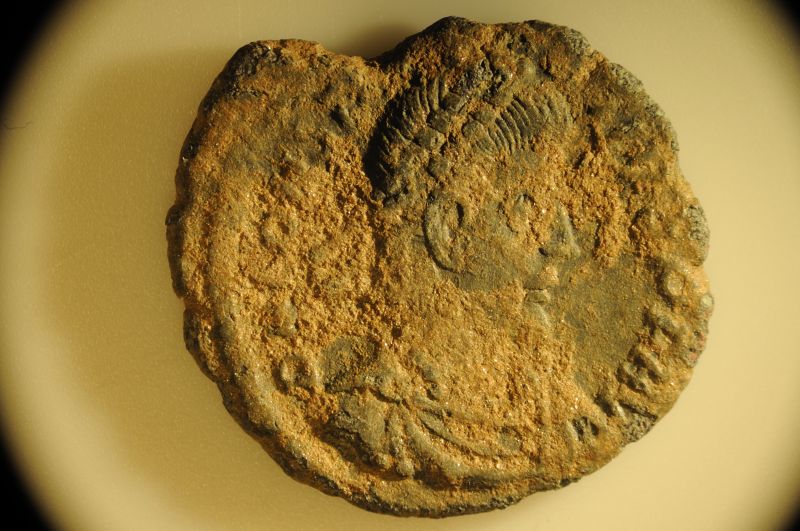
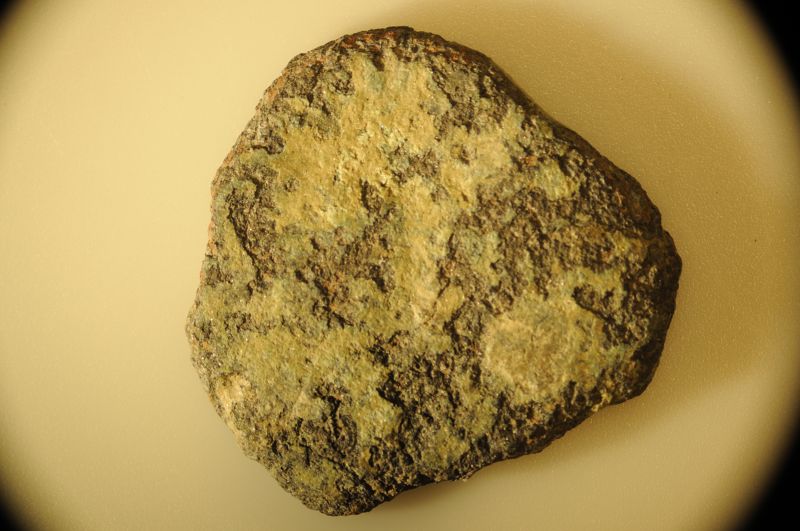
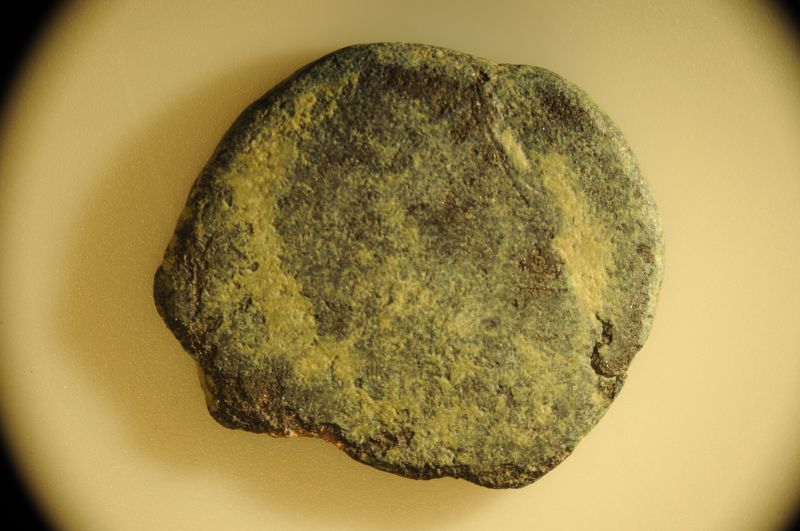
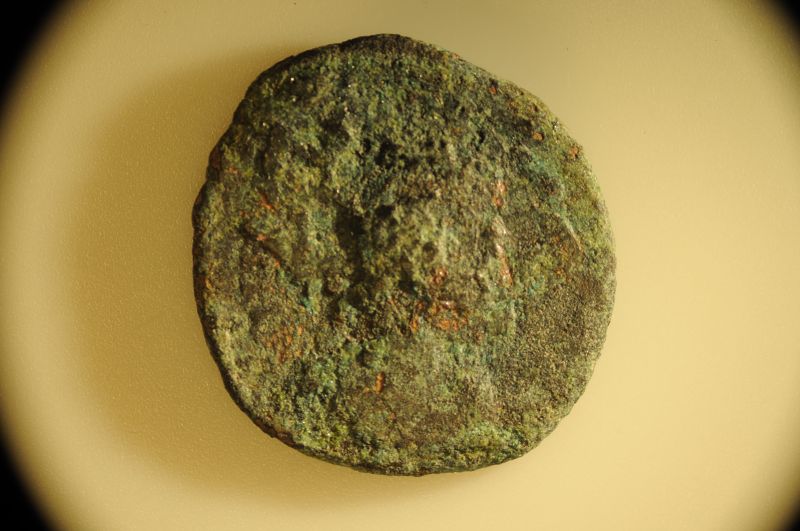
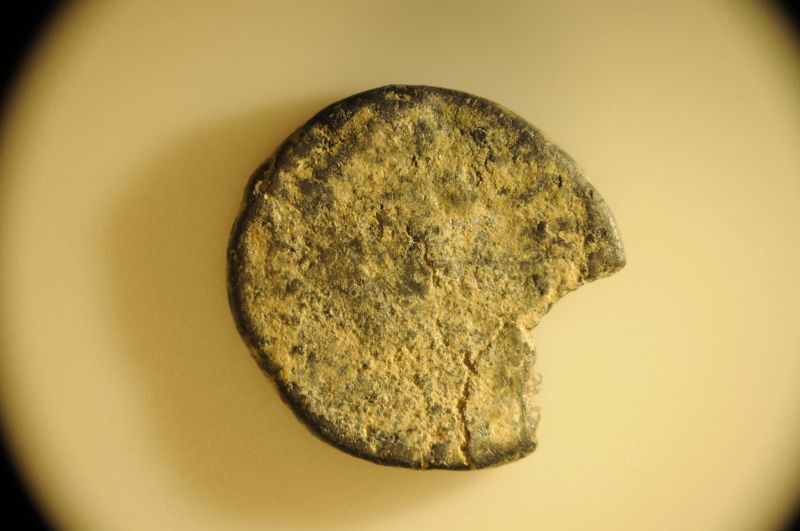
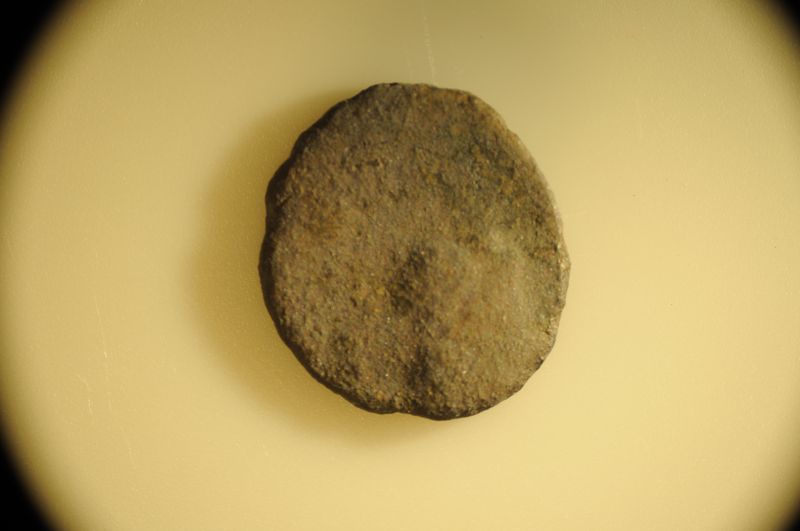
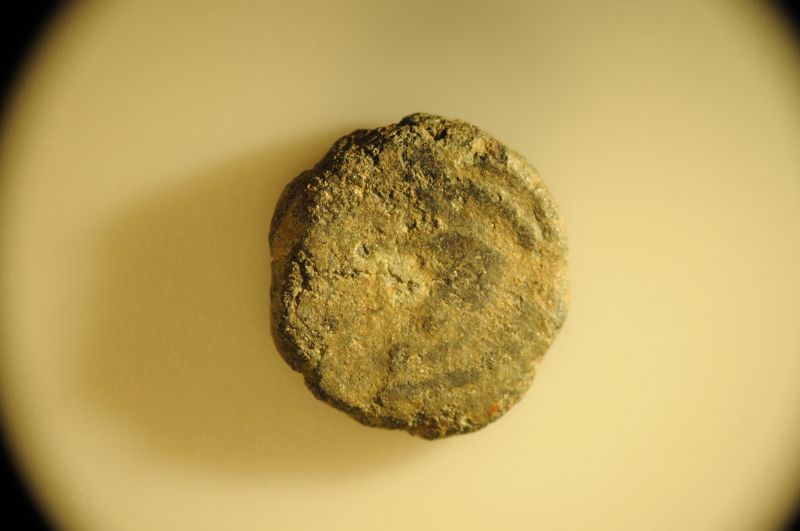
Thank you to everyone that has responded. I have been reading and re-reading the responses and sitting on my thoughts, doing my best to absorb all the information and hopefully learn from the experiences that everyone shared. > it just must say something about me that I am only happy with the best examples of them. I can definitely understand that. After reading the book and initially looking at the pictures I probably over-estimated what sort of coins I would get with these uncleaned lots. Now really thinking about it, I realized I have no frame of reference if I got a great deal, standard deal or more of a crappy deal. I didn't start documenting the coins the moment I got them, but I figure now's as good a time as any to start, while we are still working on the first batch. The 20 coins we got from Amazon.com were divided into those coins that we thought we saw detail (11 coins) and those that we couldn't make anything out. After we cleaned the "detail visible" coins for a 3rd time (gentle nylon brush) I took pictures of them. The first few seem to me to be of better quality, but most - to my untrained eye - don't appear to be anything I would show off to anyone, as if there is little "wow" factor and more of a "that's it?" factor, if you know what I mean. We haven't really had a chance to do anything with the 2nd batch, We didn't receive the 3rd or 4th batch yet. Depending on what the consensus is of these 11 coins will help me understand what my expectations should be. My first thought was "wow these coins are small..." This is the first time I setup my camera with my microscope, so sorry if the light is off or if there is something else I should have done differently. I don't mind if anyone can ID any of these coin 1 no idea, but the letters are worn off, not sure how to ID, I tried to start with the back, looking through VOT legends with wreaths via tesorillo.com, I'm failing miserably :)   coin 2 hoping I can read the letters sometime soon   coin 3 Looks like a woman's head, I think it looks very similar to the coin pictured right under "Forgery Touch-up Work" at http://www.calgarycoin.com/referenc.../tooling.htm  coin 4 no idea   coin 5 no idea, can see some of the head, but it seems the surface of the coin was eaten away   coin 6 I'm not sure if this coin has crud on it or if its a slug with no surface detail anymore   coin 7 slug?   coin 8 Is this the Verdigris that mdpmedia mentioned?   coin 9 I think I got the front and back right, just not sure what's up or down   coin 10 not sure what to make of this one - almost seems like a fragment of something bigger   coin 11 not really sure if this is a slug   so with the various solvents, let me make sure I understand this - 1. Distilled water is the safest 2. Olive Oil might clean crude faster, but its more acidic and might start pitting the coin if left in the oil for too long (or in the case of Olive Oil that has gone rancid, it will be much more acidic) 3. Hydrogen Peroxide dissolves calcium and helps remove crud. Do a overnight soak, rinse off and do another 24 hour soak, then put in Distilled water or olive oil. -How can I tell the crud has calcium? A white color? -Is there any hidden dangers to the coin from soaking in hydrogen peroxide (as was noted about rancid or too acidic olive oil?) -If there is no hidden danger would a Hydrogen peroxide soak be a first good move? 4. Xylol/Xylene is a good solvent to try first for organic, non-polar residues. -Same question regarding any hidden dangers or gotchas. I actually have Xylene, I use it to clean oils off optics, and I seem to recall you don't want to get it on plastics, I seem to recall also hearing that about Acetone. -How could one identify if crud or dirt is an organic, non-polar residue? 5. Acetone is a good final option if all other solvents fail, because it exhibits both polar and non-polar characteristics. -Same question regarding any hidden dangers or gotchas. Thank you everyone once again for your time and insight. Mike
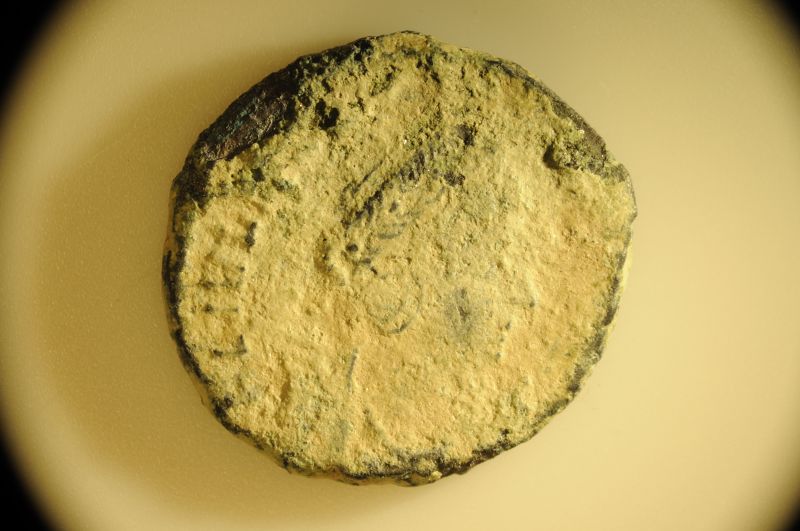
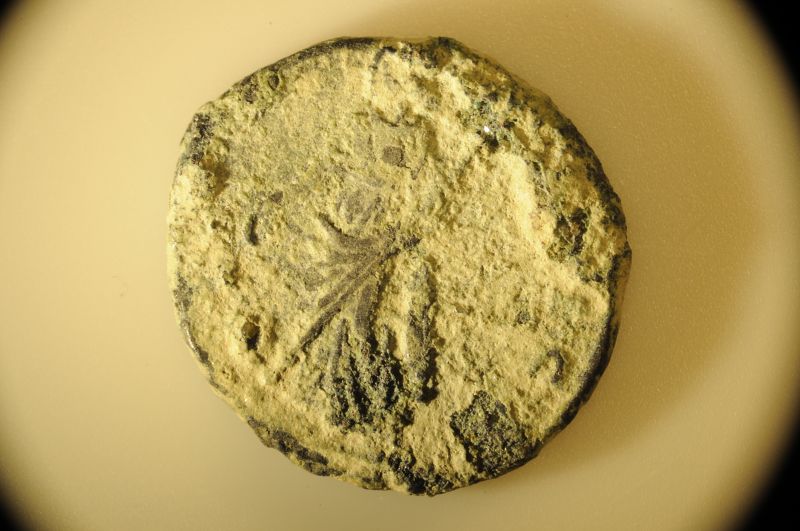
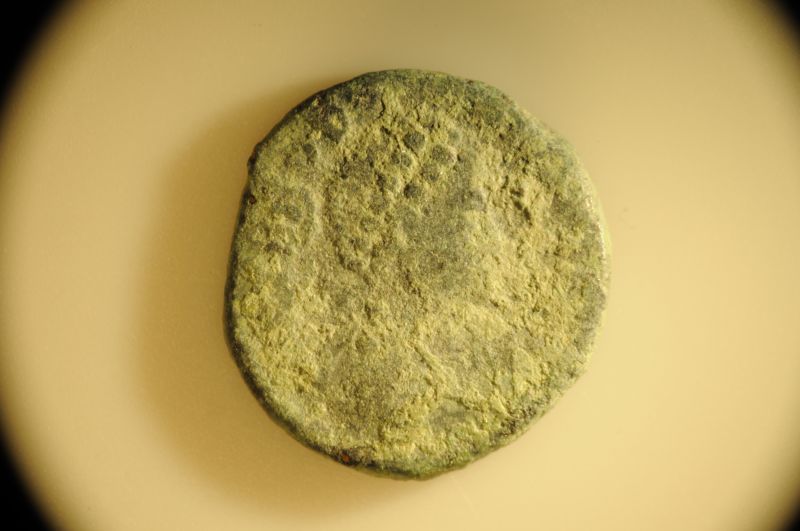
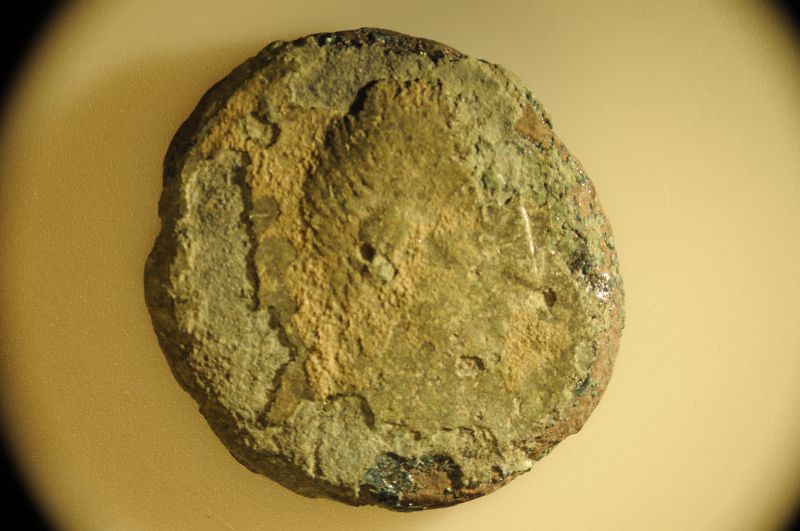

|
|
Pillar of the Community
United States
6130 Posts |
|
| |
Replies: 27 / Views: 3,603 |
To participate in the forum you must log in or register.
Disclaimer: While a tremendous amount of effort goes into ensuring the accuracy of the information contained in this site, Coin Community assumes no liability for errors. Copyright 2005 - 2026 Coin Community Family- all rights reserved worldwide. Use of any images or content on this website without prior written permission of Coin Community or the original lender is strictly prohibited.
Contact Us | Advertise Here | Privacy Policy / Terms of Use
|
| Coin Community Forum |
© 2005 - 2026 Coin Community Forums |
| It took 0.55 seconds to rattle this change. |
 |
|
| |
| |