| Author |
 Replies: 16 / Views: 2,855 Replies: 16 / Views: 2,855 |
|
New Member
Indonesia
19 Posts |
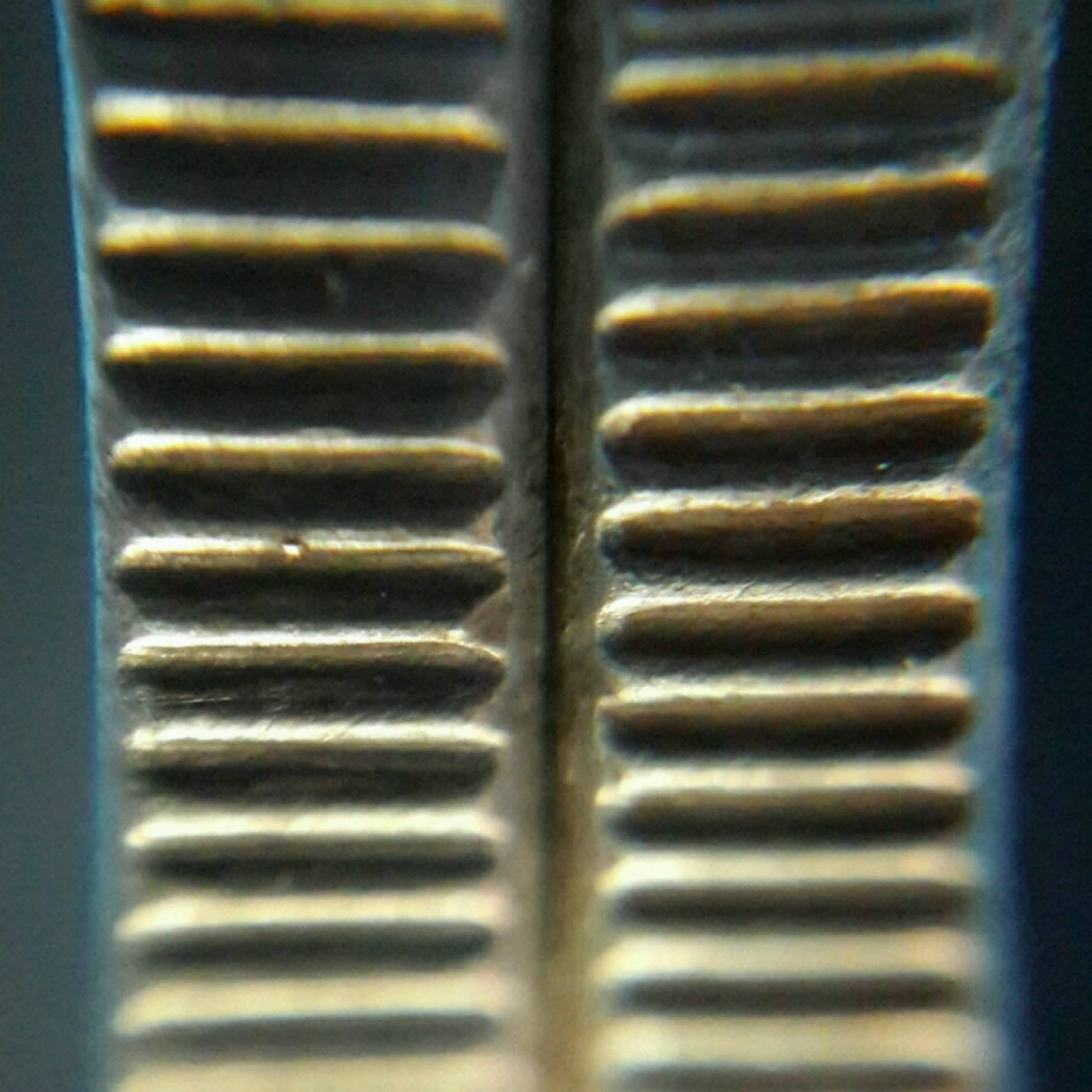
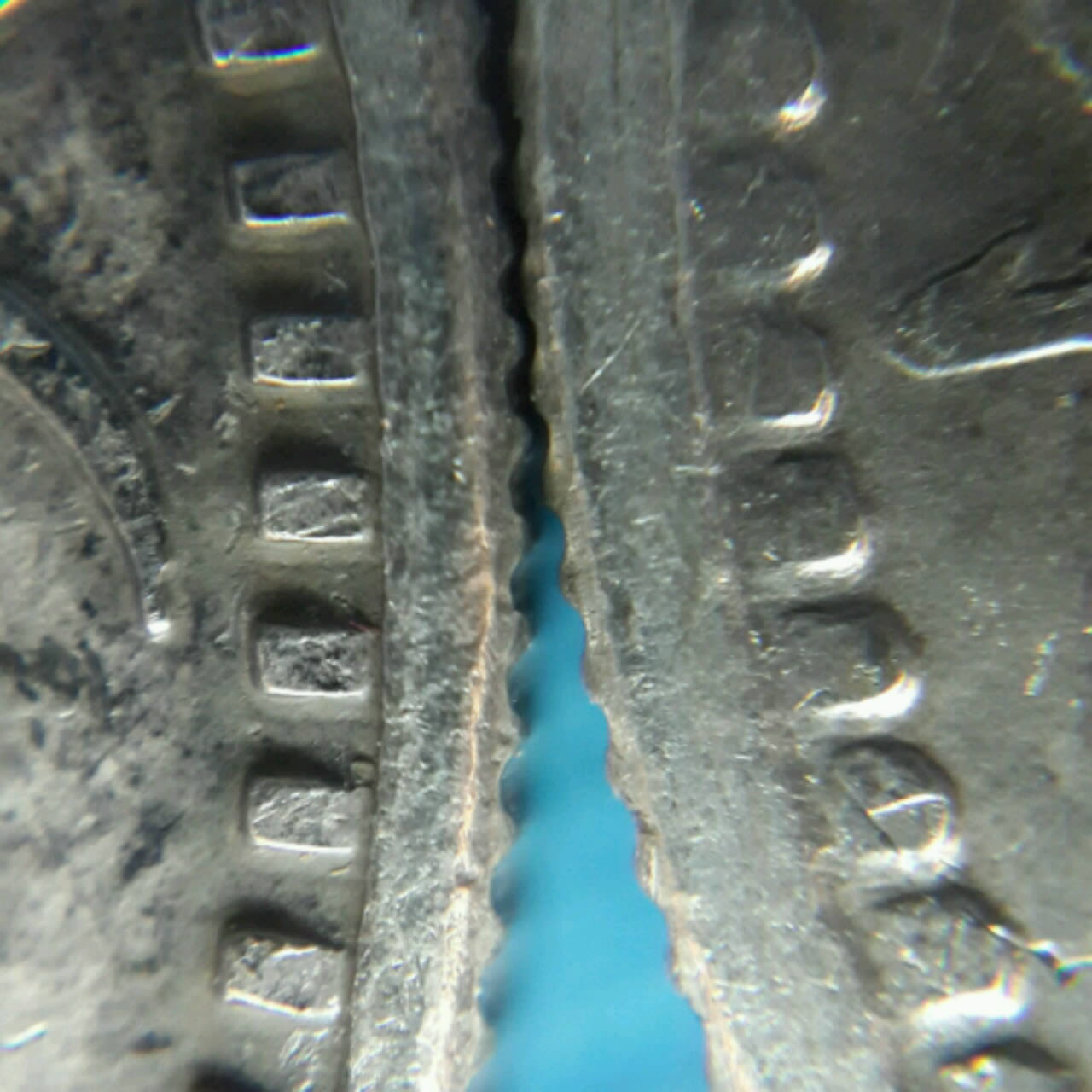
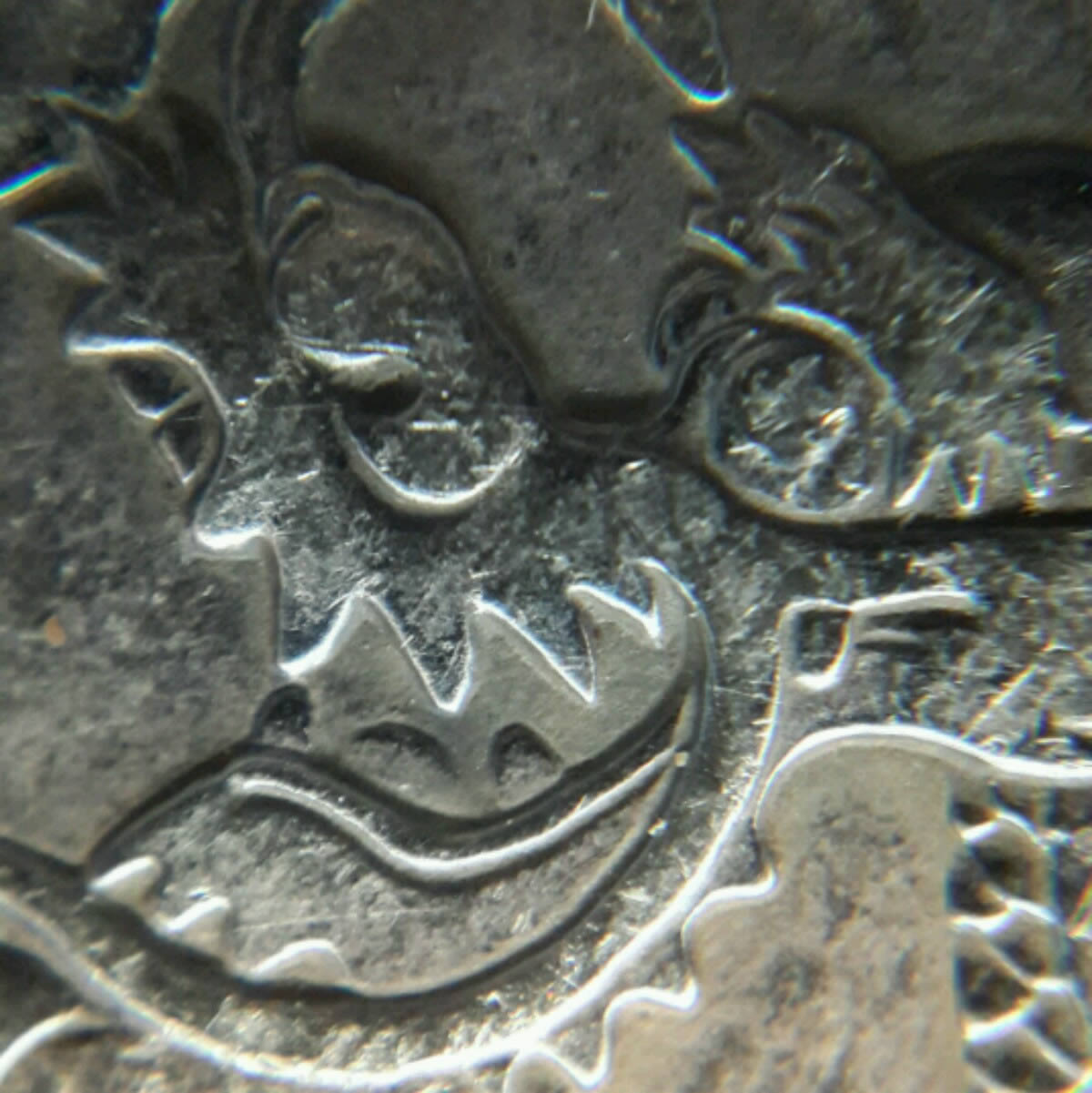
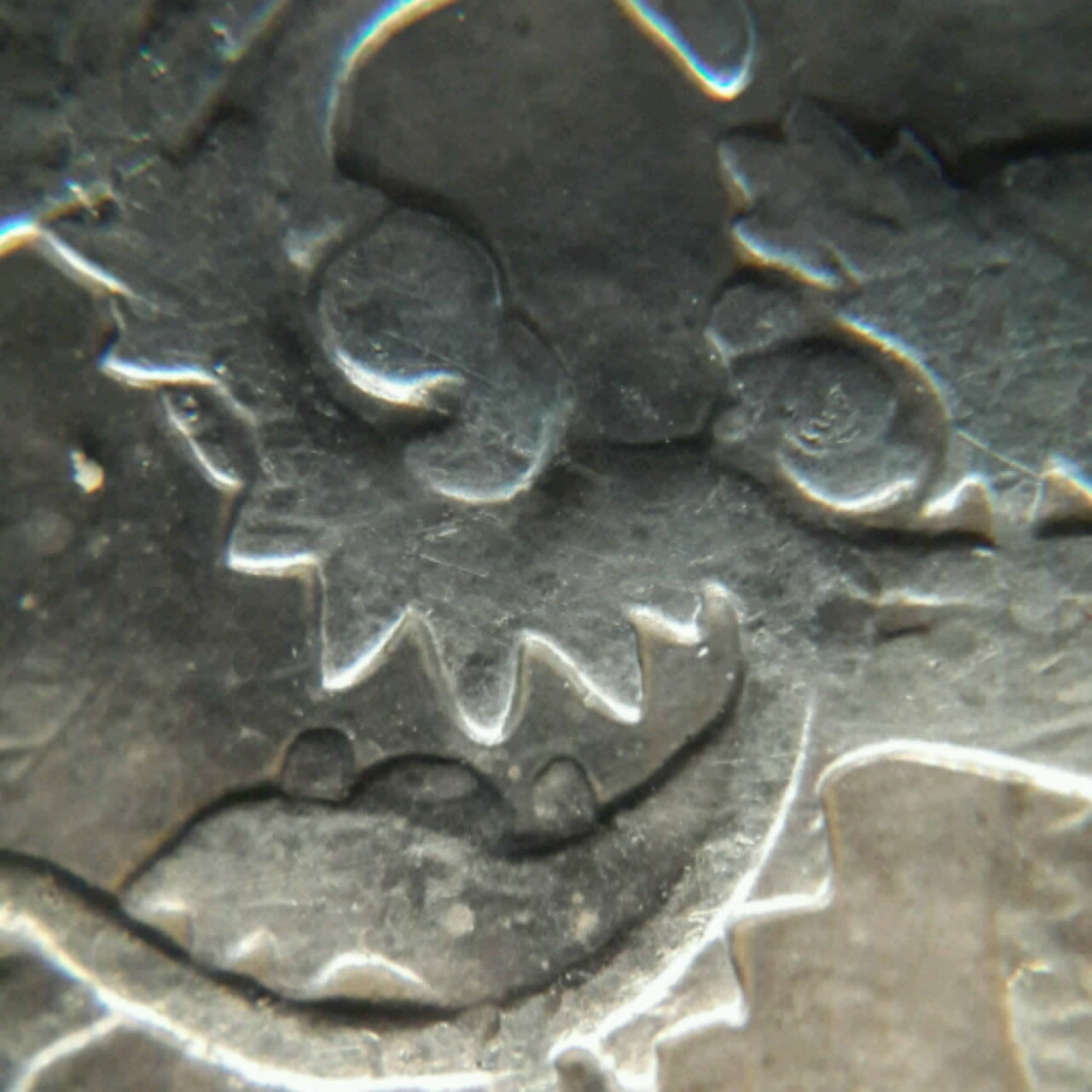
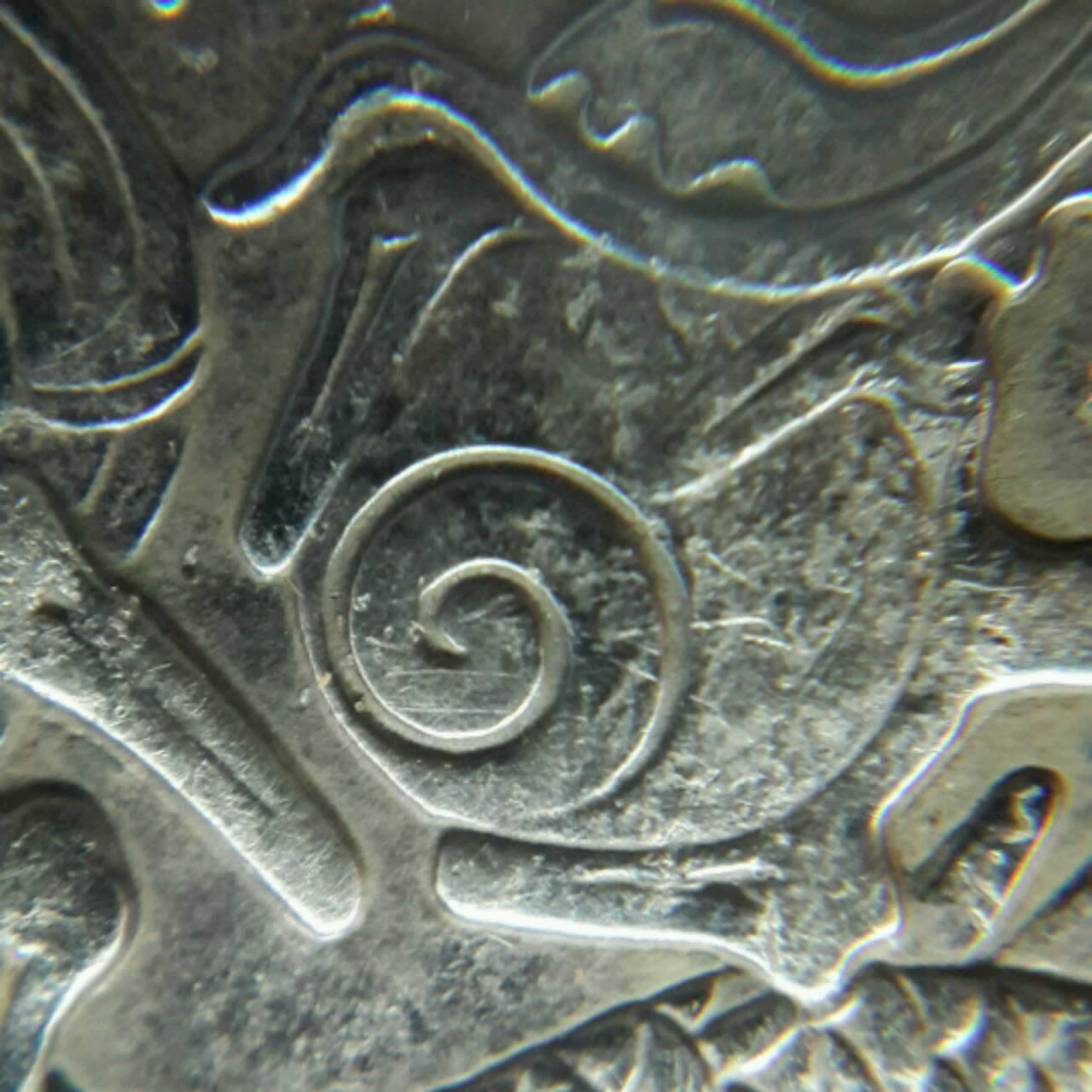
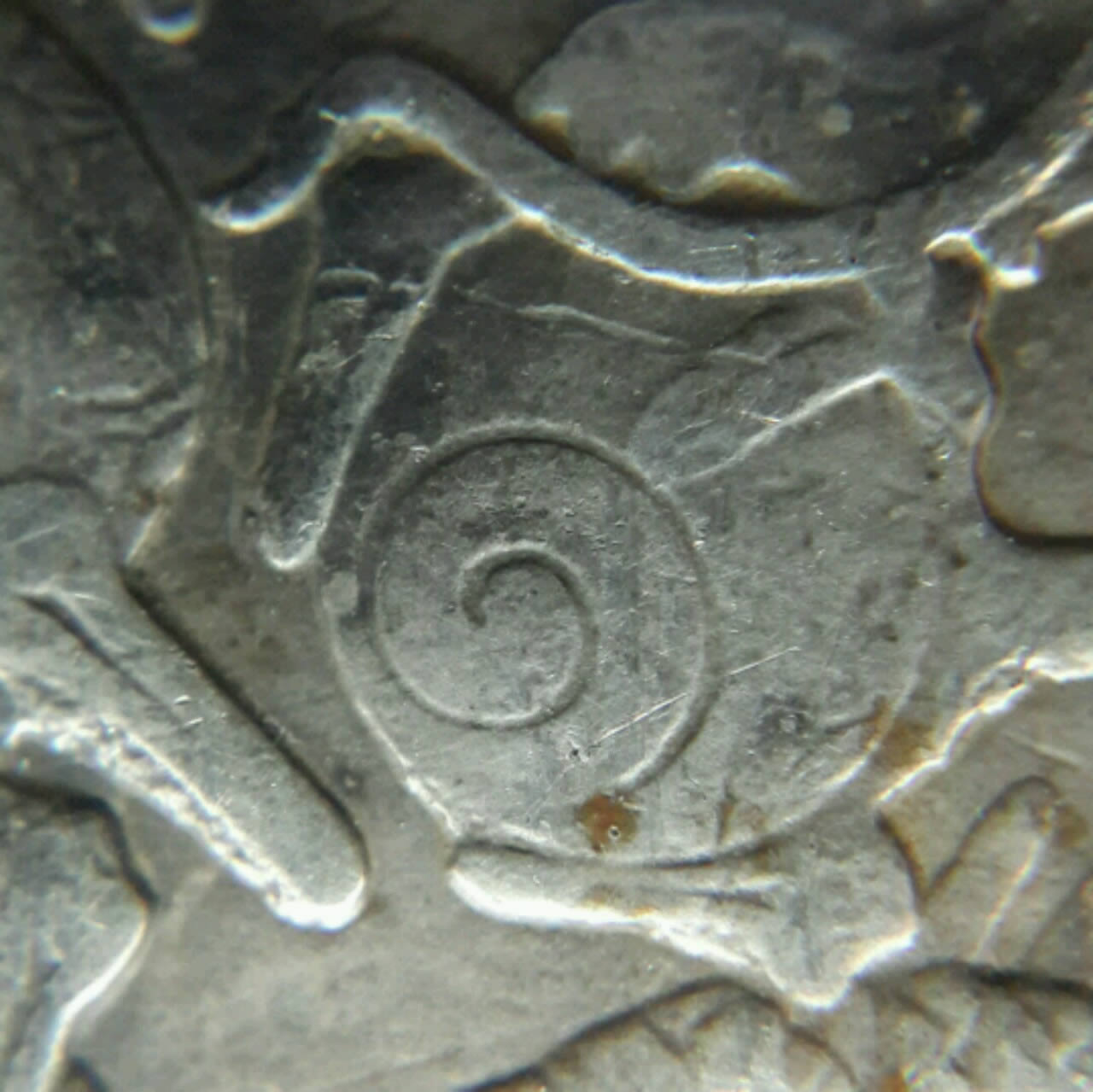
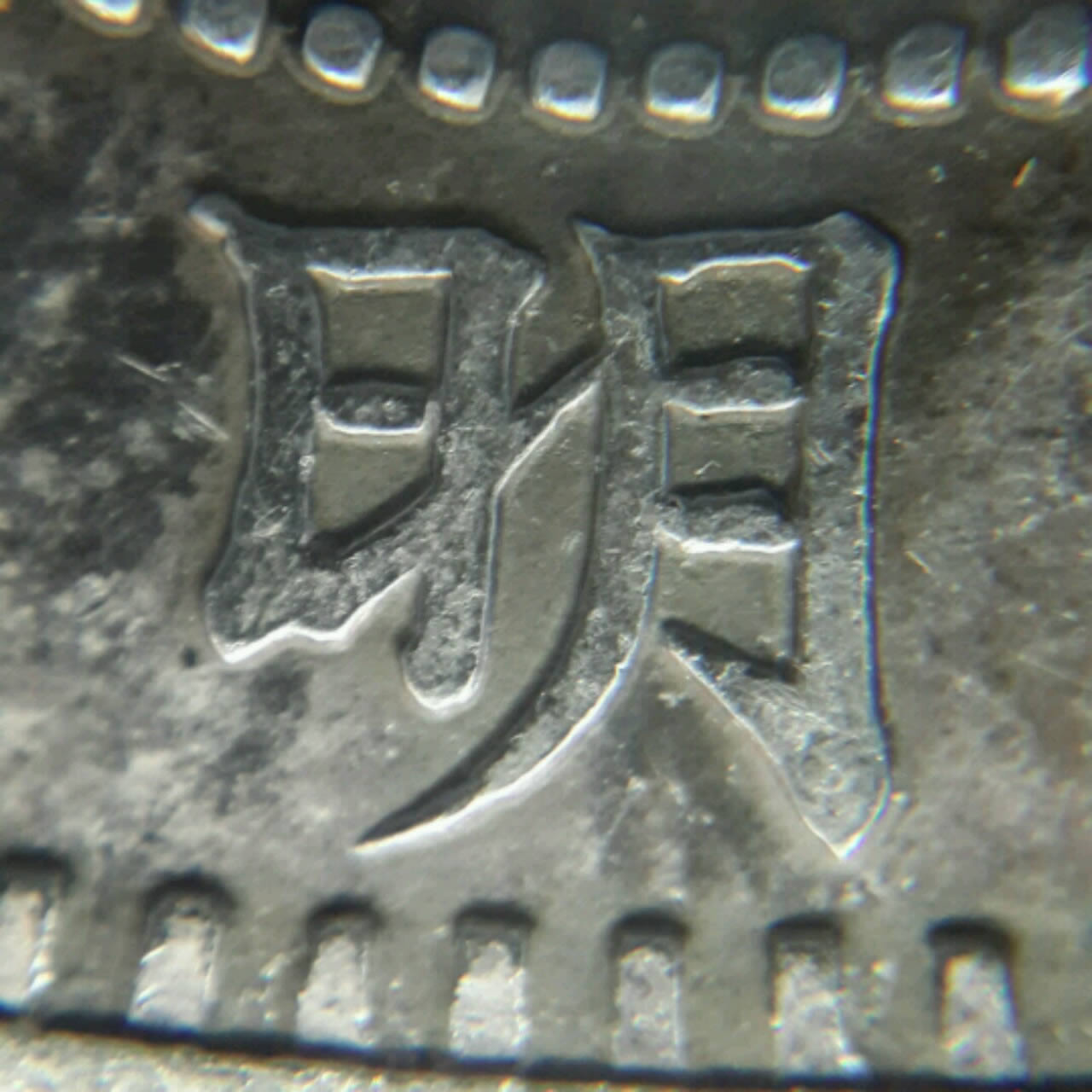
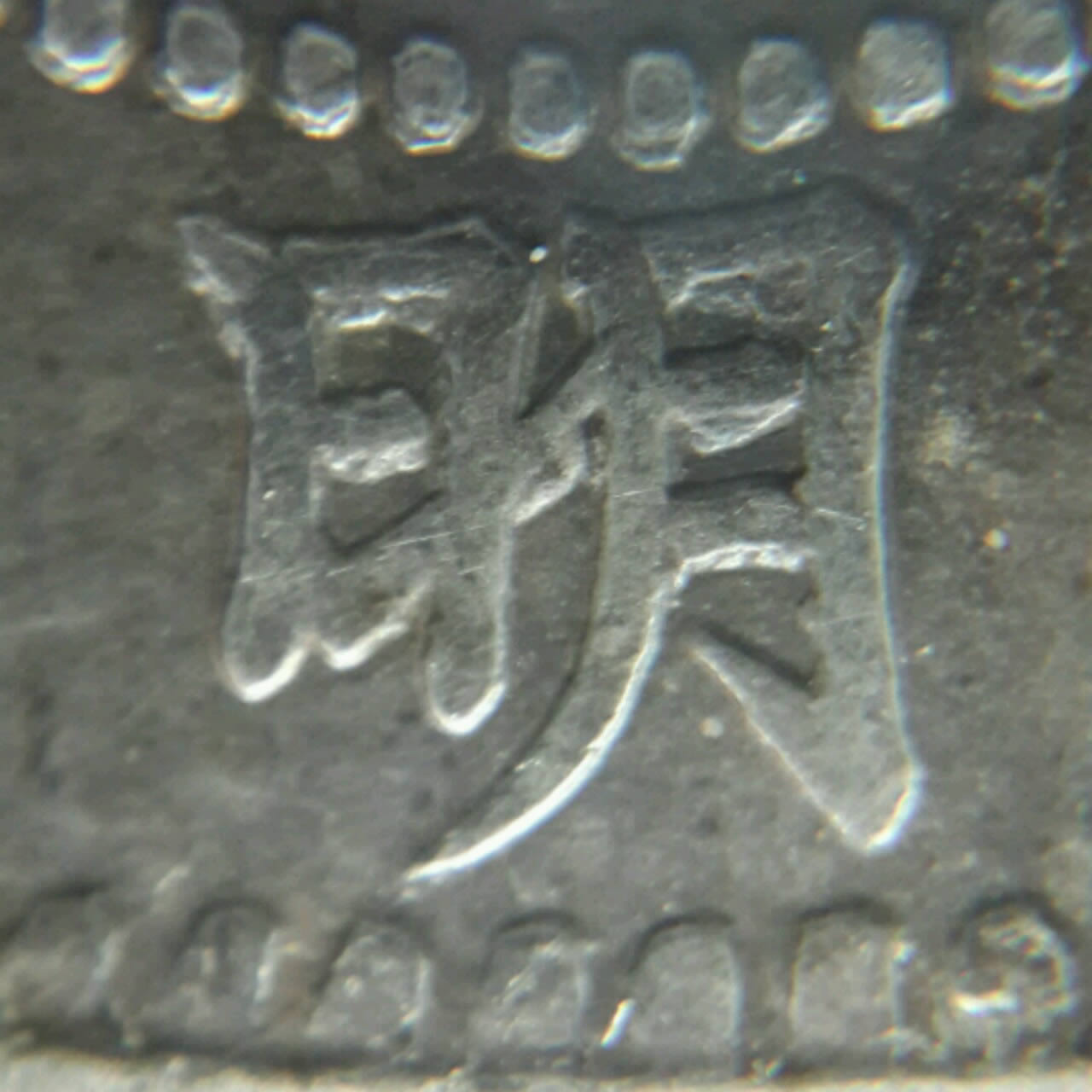
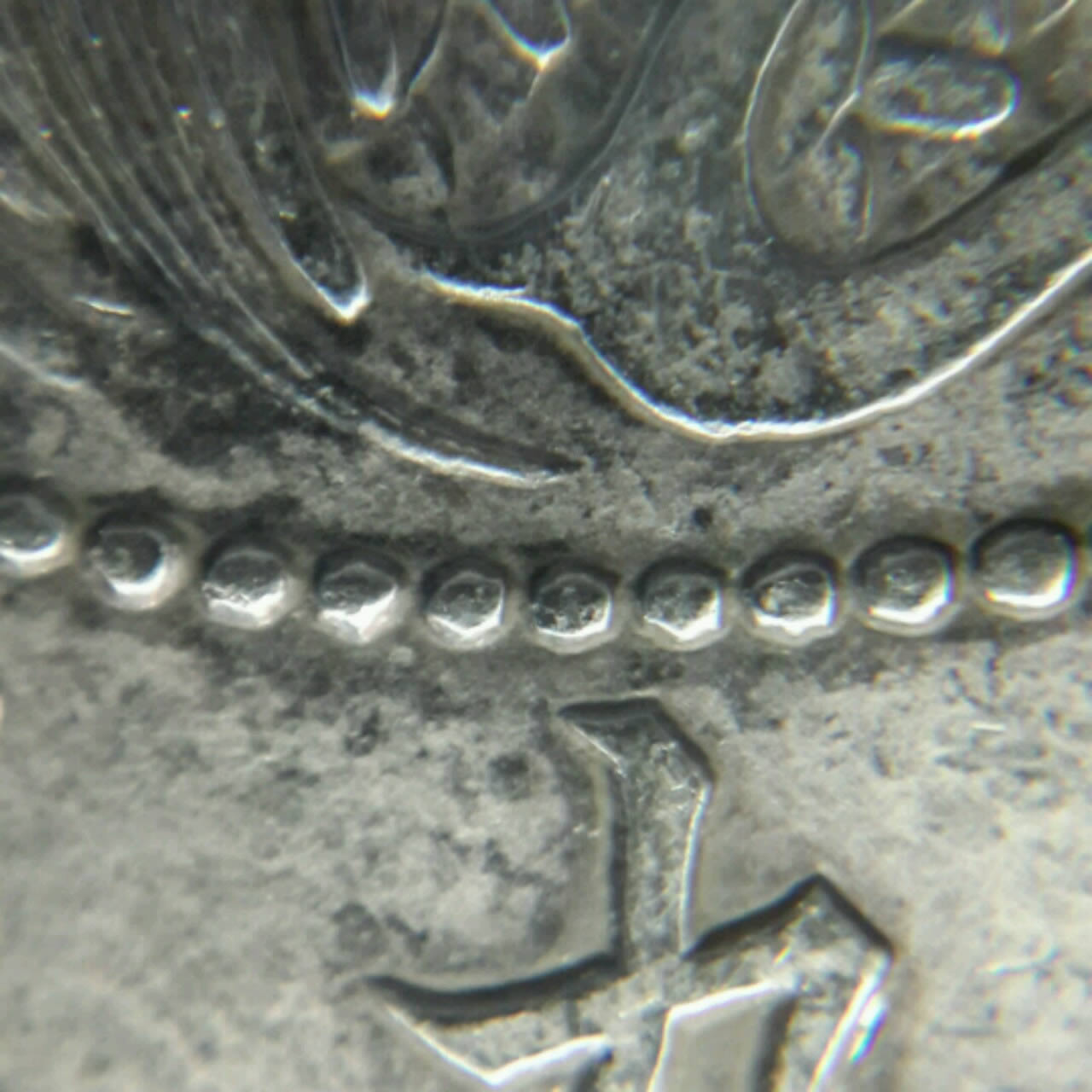
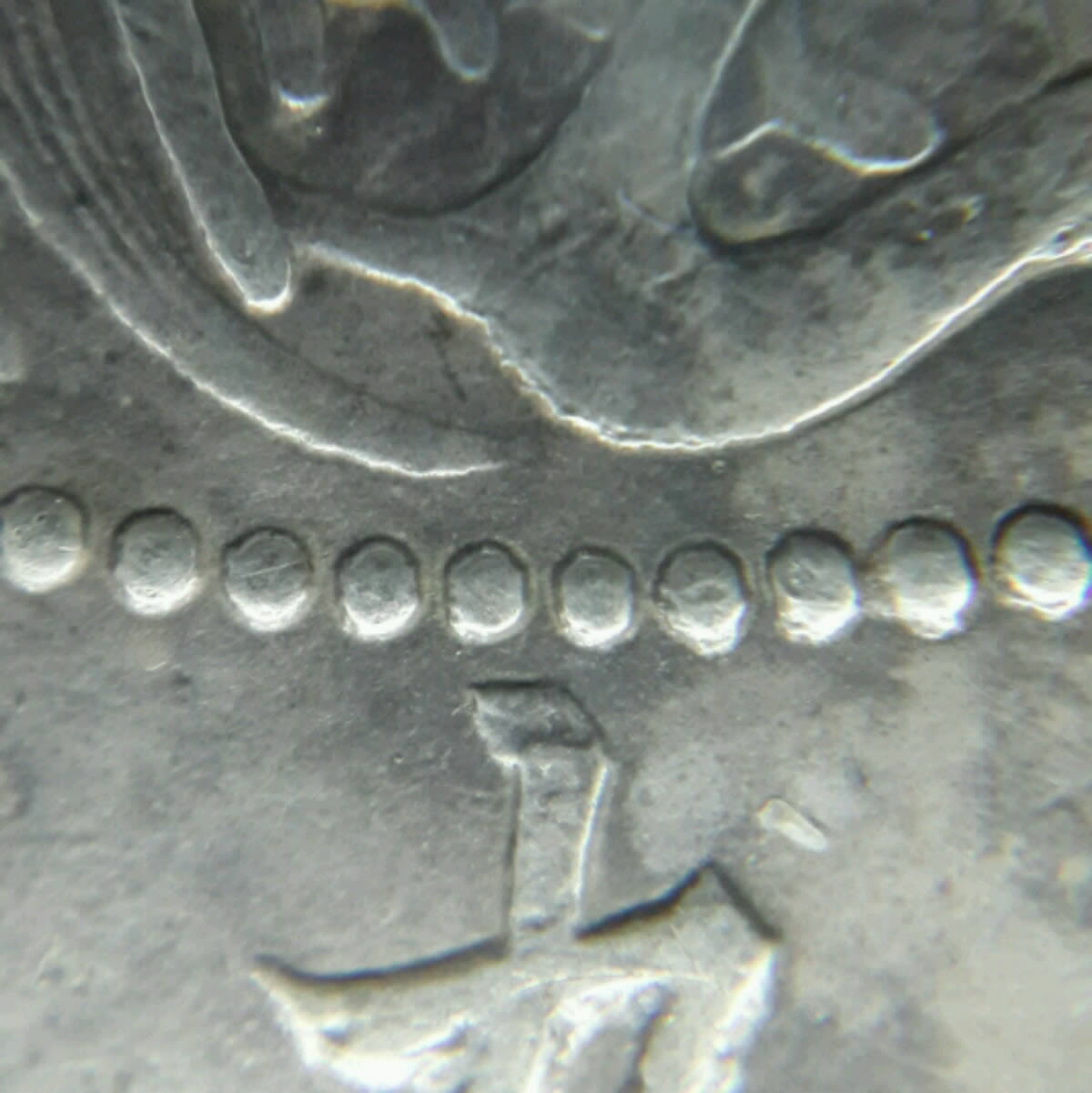
Dear All, Just wanna ask, How many variant of japan one yen meiji year 19 exist? (Km. 25.2, 25.3, ?) Some information regarding the image I uploadea: 1. Size of the coin are same. 2. Different font: Above: Should be Normal Font, Below: Should Be Bold font. 3. The Design a bit different. 4. The edge also different. Thanks, Regards, GIE 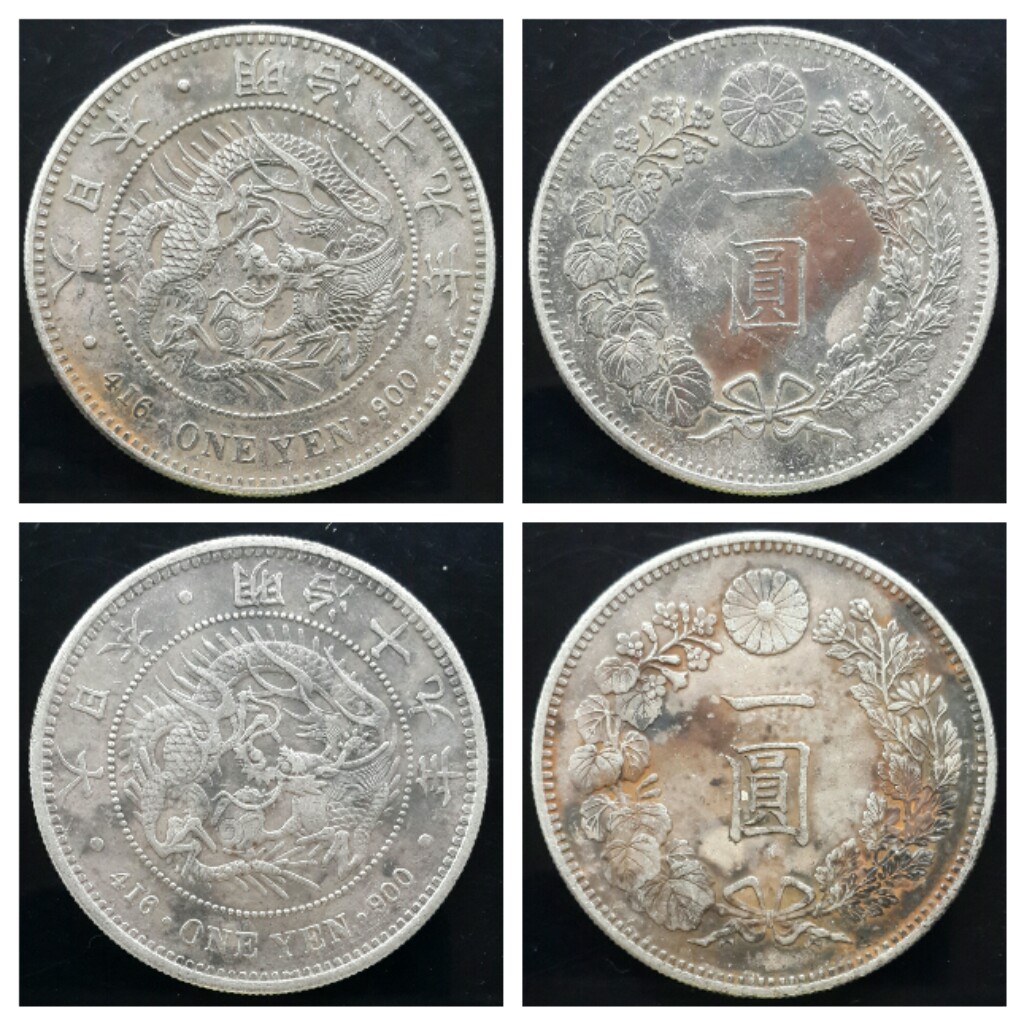 *** Moved by Staff to a more appropriate forum. *** *** Moved by Staff to a more appropriate forum. *** |
|
|
|
Pillar of the Community
Belgium
2895 Posts |
Propaby nice replica's
You should try some silver tests
|
|
New Member
 Indonesia
19 Posts |
Don't worry sir...those coins are genuine. I just wanna know if there is a new variant of year 19 only.
Thanks
|
|
Pillar of the Community
Hong Kong
1270 Posts |
I even can't see the difference for the coin above and below. Are they really two varieties?
|
|
New Member
Indonesia
19 Posts |
Hopefully this image can clearly show the detail. Please reffers to the blue marked cycle. I'll try to upload the edge / rim detail. 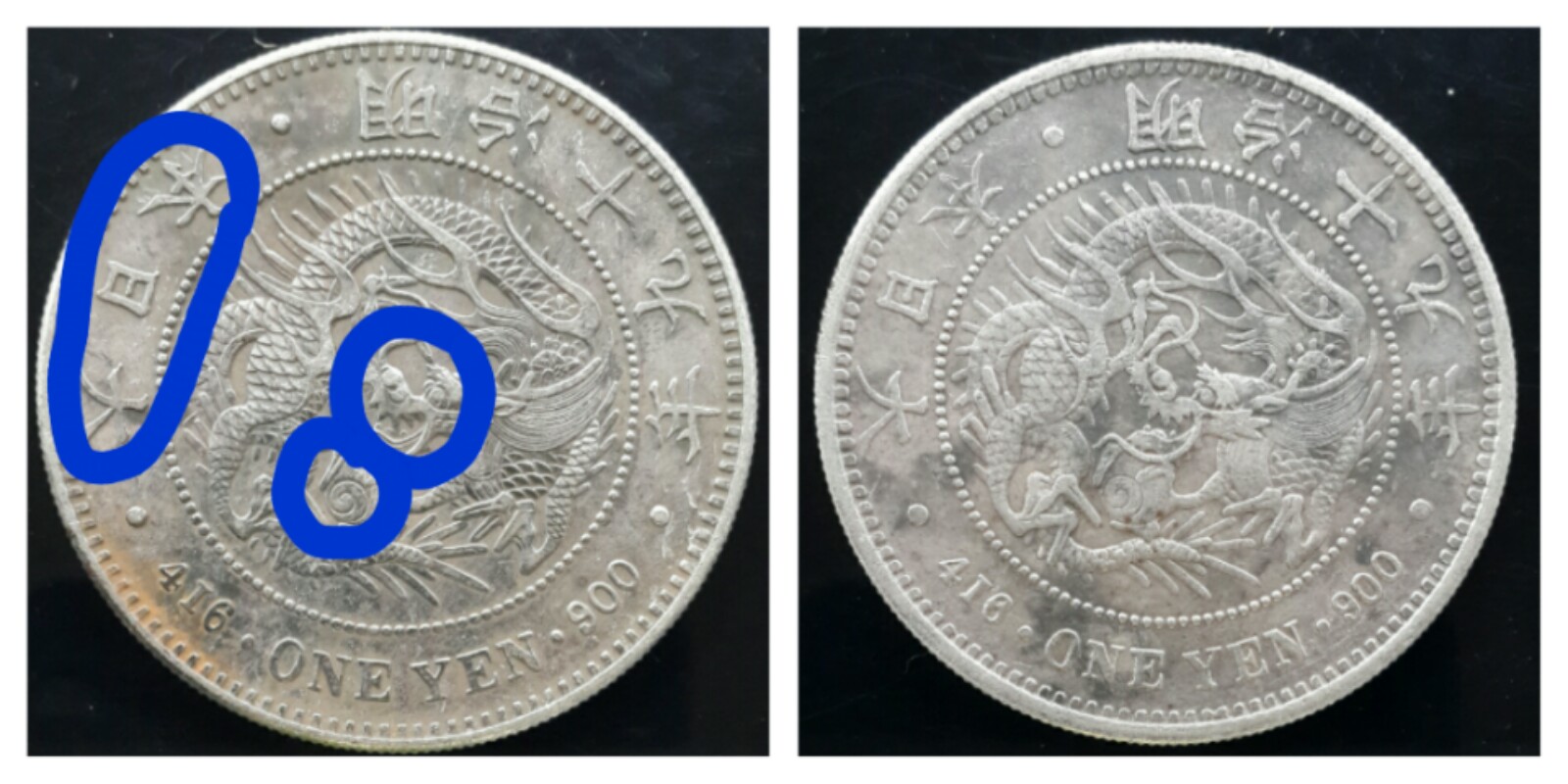 |
|
New Member
Indonesia
19 Posts |
|
|
Pillar of the Community
United States
6130 Posts |
Bottom coin is either worn, or else a very good copy. How much does it weigh? Putting my jeweler's scale on "grains" setting, my two examples came out to 415.3-.7
|
|
Bedrock of the Community
Australia
21794 Posts |
Rule of thumb answer:
Mintage for the date, divided by the number of dies used for that date.
It would depend on mint policy as to how much die wear is tolerated before a die pair is replaced.
Die pair linking is often done in ancient coin studies to estimate the total number of coins produced for a coin type.
There CAN be more varieties produced from a single die pairing, for example: different edge millings as seen in these pictures.
To give more detail this rule of thumb, it may be well worth researching how many dollar sized coins can be produced off a dollar sized die.
More coins can be produced off samller dies.
|
|
Valued Member
Japan
349 Posts |
These are the two variants that I know of. 1. Normal/early type: diameter 38.6mm 198 serrations 2. Expensive/later type: diameter 38.3mm 217 serrations Have fun counting the serrations...  |
|
New Member
Indonesia
19 Posts |
@bungle: Size of both coins are same which is 38.6. For counting the serrations, ehm...hands up... @sel_69I: Thanks for your value knowledge and information. @finn235: The "Worn One": 26.12g, The "Nice One" 25.96g. Both are river found coins with other Meiji Yen which is total 13 coins founded at one of indonesia river (ex port). I've attached those coins found except 2 Right Bottom Coins. Regards, Gie 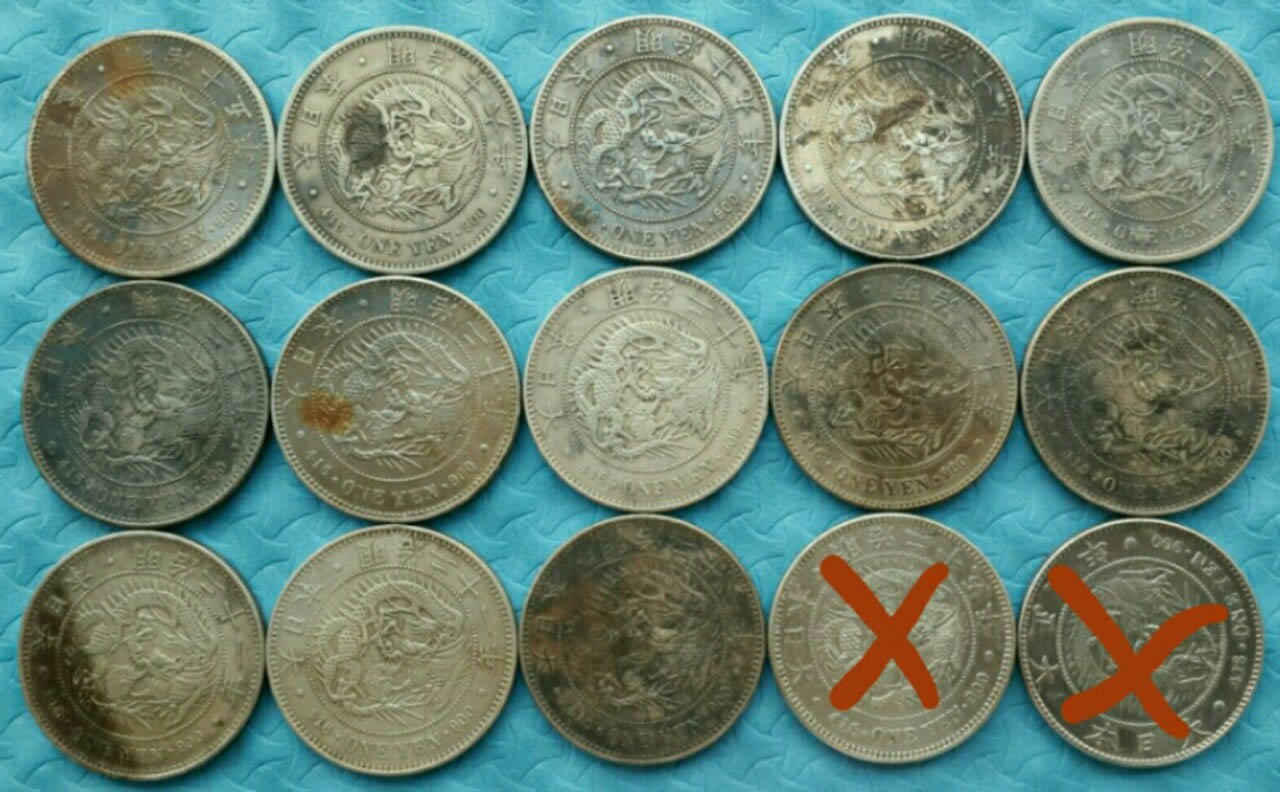 |
|
Pillar of the Community
Australia
3841 Posts |
There are varieties known for Japanese Meiji era coins - I have a book but I cannot remember where I kept it. Japanese varieties coins are unfortunately not well documented unless they are major.
I'm actually quite concerned - the weight of them is actually too low despite the 'worn' condition. None of the coins seem to show too much corrosion damage. Technical weight of these coins are supposed to be around 26.96g. I can somewhat understand if they are around 26.8g but anything under is just too low.
Another concern that I have is the range of the years - these are dated around 1882 - 1888. The two crossed out years would be 1892 and 1914. The reason why I am very concerned is the absence of chopmark / countermark signs. To me, the absence of such chopmark is puzzling is because after 1897, such coins were demonetized and melted down, otherwise countermarked and shipped overseas. Fresh batch of coins were only restarted in 1901 and therefore something does not look right with this lot.
My partial coin collection http://www.omnicoin.com/collection/gxseriesMy numismatics articles and collection: http://www.gxseries.com/numis/numis_index.htmRegularly updated at least once a month. |
|
New Member
Indonesia
19 Posts |
I have bought more more than 500 coins from river diver. All off the coin will lose some weight. For silver coins 2%-5% (even worst if we are clean it with wrong method), cooper coins 5-20%.
If you look closer to the coin, the coin has rough surface.
|
|
Pillar of the Community
Australia
3841 Posts |
As mentioned, a variance of 1 gram is not something to be brushed off lightly. I think I had some weight test done to some of the Meiji silver era coins that I won and they are very close to the specified weight. Even chopmarked coins don't lose too much weight either. Unless the surface has been worn smooth or there is strong evidence of salt corrosion / pitting or there has been some evidence of drill / scrap marks, I cannot see how a coin could lose 1 gram.
My second point has not been addressed either - this is a strange lot without any countermarks / chopmarks. At this point of time, I must say that this is odd at best.
My partial coin collection http://www.omnicoin.com/collection/gxseriesMy numismatics articles and collection: http://www.gxseries.com/numis/numis_index.htmRegularly updated at least once a month. |
|
Pillar of the Community
United States
6130 Posts |
Have they all been tested as .900 silver? That is a lot of money to be dumped in a river.
...Unless a counterfeiter was disposing of evidence before the police arrived...
|
|
New Member
Indonesia
19 Posts |
Only 100% purity silver will not corrosif.
I think for the best answer is sent it to NGC. I'll share it if done by NGC.
Anyway thanks for your all Value Knowledge and information.
Regards,
Gie
|
|
Pillar of the Community
Hong Kong
1270 Posts |
Agikwok, just do a ring test on both coins and compare the sound produced with a standard 90% silver crown, you can easily find out the bottom one is a fake. It does not contain enough or even just made with German silver. The edge boundary is thicker than usual and it has a lighter weight. The dragon is less solid. I am quite sure the bottom coin is a fake.
|
| |
Replies: 16 / Views: 2,855 |




 Posted 07/14/2016 01:45 am