| Author |
 Replies: 9 / Views: 3,012 Replies: 9 / Views: 3,012 |
|
|
Pillar of the Community
United States
6370 Posts |
Here are five different Huo Bu spades from the Wang Mang period. I guarantee that at least one is genuine. I am pretty sure the ones that I will label as counterfeits are, in fact, counterfeits. That means I have enough doubt to keep me from buying them. Hint: The rules of sharp corners and characters apply here. Good luck!  1. 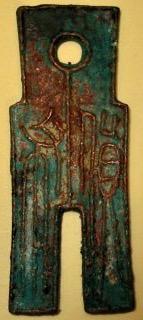 2. 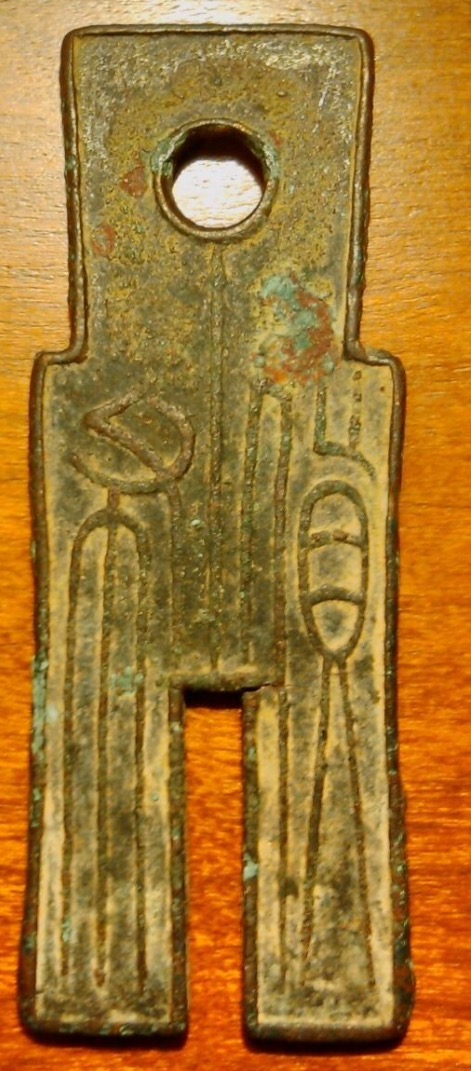 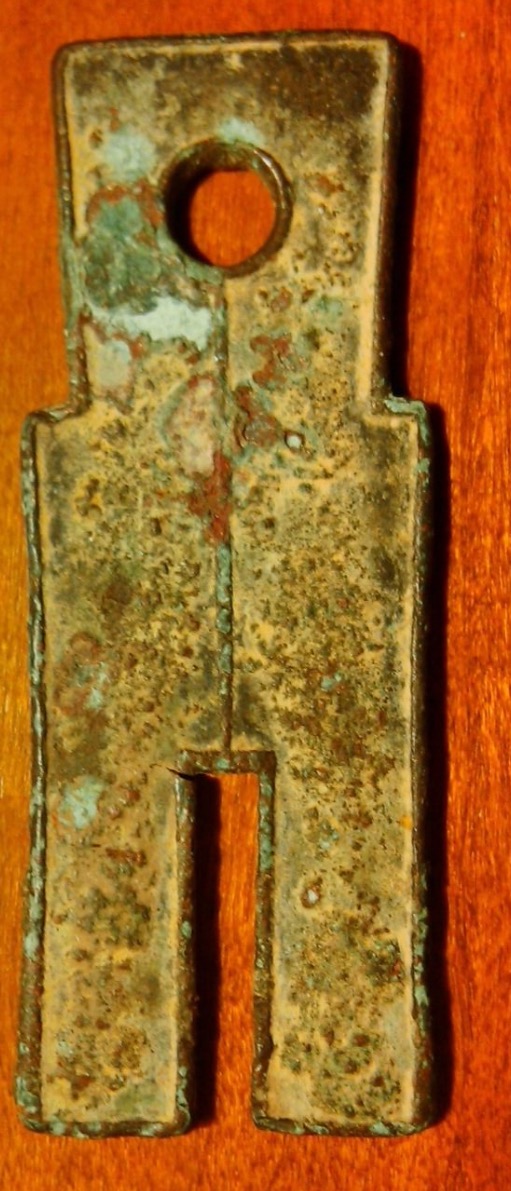 3. 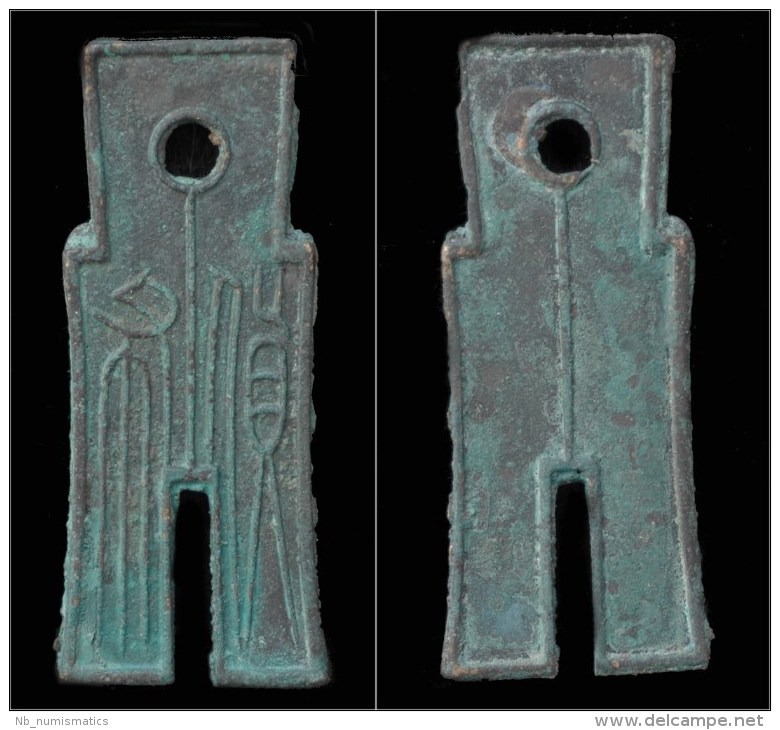 4. 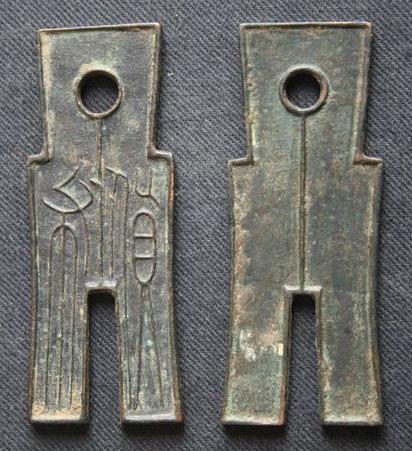 5. 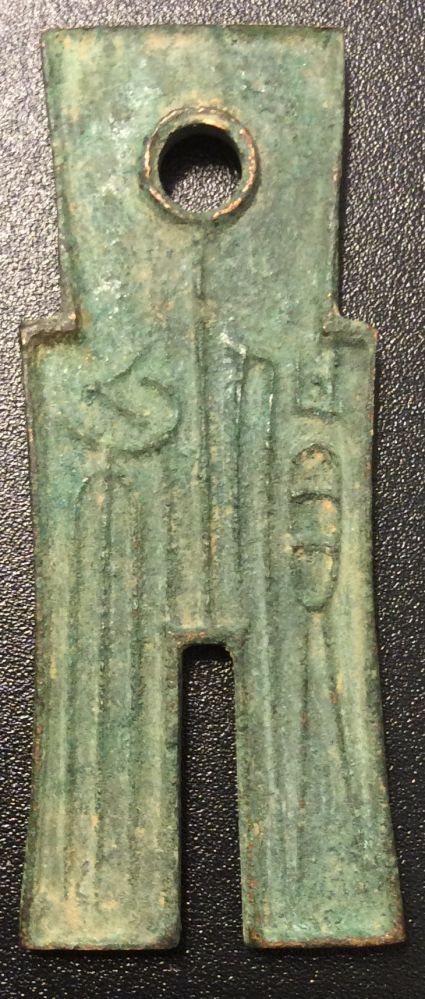 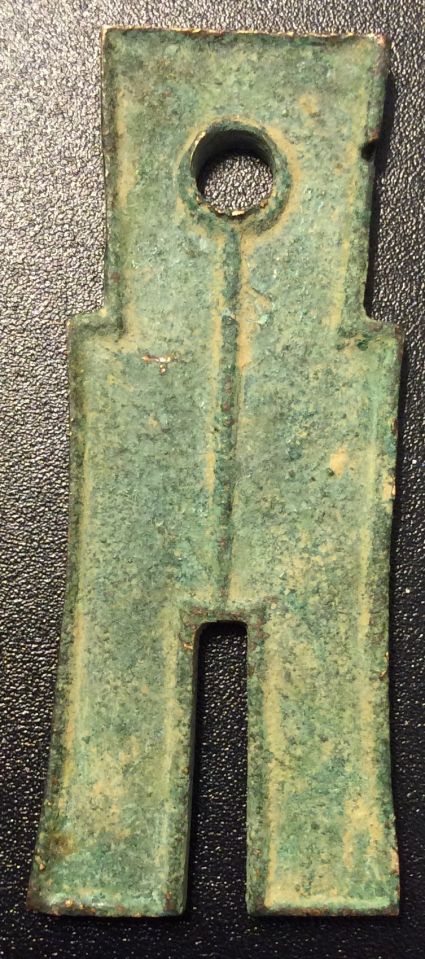 |
|
|
|
Moderator
 United States
23731 Posts |
I'm going to say #1 and maybe #3 are real the rest are fake.
|
|
Pillar of the Community
United States
7067 Posts |
I think #3 is fake since the rims are thick.
The corners on #2 seem somewhat rounded. I'll take that as a bad sign and say that's indicative of a fake.
#1 is hard to tell since the image is so small. The patina feels a bit over the top, and it appears the corners may be rounded (hard to tell). I'll guess it's a fake.
#4 has sharp corners and thin inscriptions, but I don't know about the surface...jury's out, as far as I'm concerned. I lean toward good, though.
I think #5 is good.
I await grading to see if I've earned another "F."
Edited by Kamnaskires
08/04/2016 4:05 pm
|
|
Moderator
United States
34549 Posts |
Quote:
When looking at ancient Chinese coins, this needle-sharp style of the characters and the rims is the first thing to look for. #1 Fake b/c rims are thck and rounded. They don't look like they come from a mold that had details incised by a knife. #2 Fake? On the one hand the details are reasonably sharp, although the rims are a bit rounded. I also like the crack at the stress riser between the two "arms". I don't like that some of the characters are starting to crumble, especially on the top right of the obv. I also don't like the patina as it looks sprayed on--lots of tiny bubbles of brown on the rev. #3 Fake b/c rims are thick and rounded and the pic comes from delcampe (not that I have anything against them--rather I'm assuming that the at least one real spade is a typecoin original pic). #4 Fake? Despite your guiding advice about sharp edges being good, it just seems too precise for being cast 2000 years ago. Can it really be real? #5 Real b/c the rims and letters are reasonably crisp. However, I am somewhat concerned about the apparent casting defect in the mid-sagittal line on the obv. "If you climb a good tree, you get a push."
-----Ghanaian proverb
"The danger we all now face is distinguishing between what is authentic and what is performed."
-----King Adz
|
|
Pillar of the Community
 United States
6370 Posts |
Due to a lack of new responses, I will reveal my opinions. 1. Fake. The patina was the main thing that I saw wrong; It looks glossy. The characters and saggital line look too think for this type. Reminds me of a best66666 specimen. 2. Fake. From a Canadian seller on ebay. Many of the corners are rounded, and the characters are thick and fat. The patina is also very suspicious, especially on the reverse, and there is an abnormal coarseness to the surface. 3. Fake. This is from a seller on VCoins. The characters and rims are too thick, and the style is generally "off." The other Wang Mang spades from this seller (NB-Numismatics) are suspect as well. 4. Genuine. This piece is currently housed in a museum, and is one of the nicest examples I have seen. All of Wang Mang's spades were very well cast and are of very high quality. This particular specimen is uncirculated. 5. Fake. This one is in my collection, and I bought it from Frank Robinson as a fake. The obverse is very well done as the characters are about as sharp as I would expect. The rims are too sharp, especially the topmost rim. I could almost cut a piece of paper with it. The gap in the saggital line is a bad sign. In the reverse, the saggital line is much thicker, and the rims lack the clarity seen on the obverse. I agree with Frank Robinson that this coin is fake. |
|
Pillar of the Community
United States
6370 Posts |
Quote:
Despite your guiding advice about sharp edges being good, it just seems too precise for being cast 2000 years ago. Can it really be real? Yes. The Chinese took pride in the art of mould-making, and considered the moulds as pieces of art themselves. They were quite capable of producing something so nice. Here is an example of one I just bought: 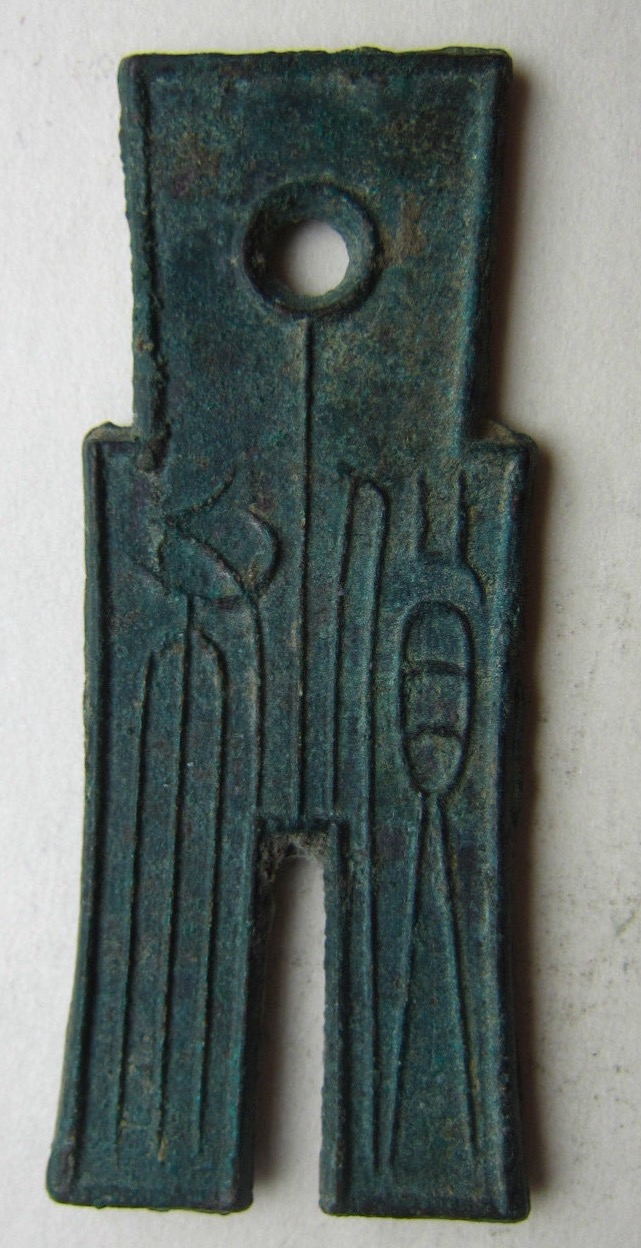 And here is an example from Bob Reis (note that this one is very lightly circulated): 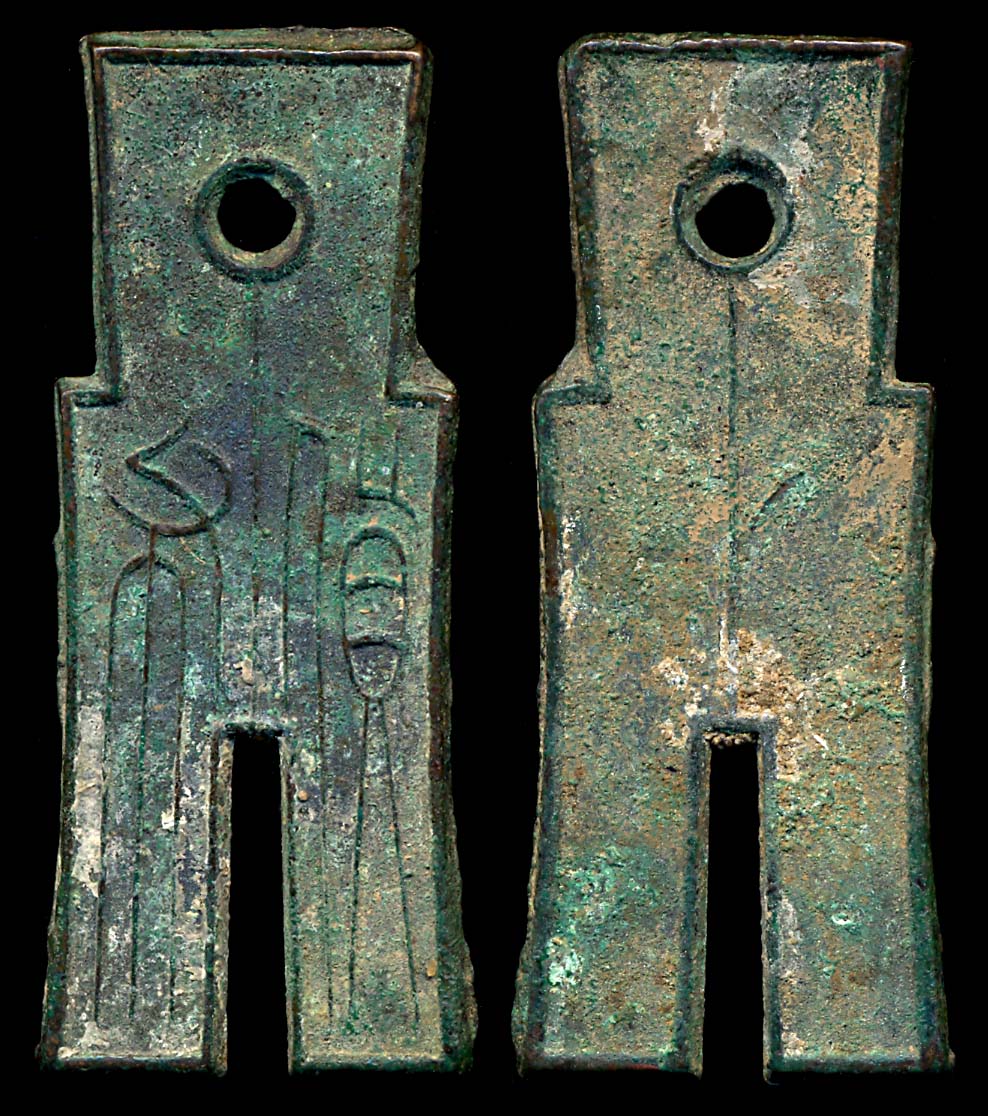 And worn coins would obviously have a thickening of the characters and a lessening of the definition of the corners. 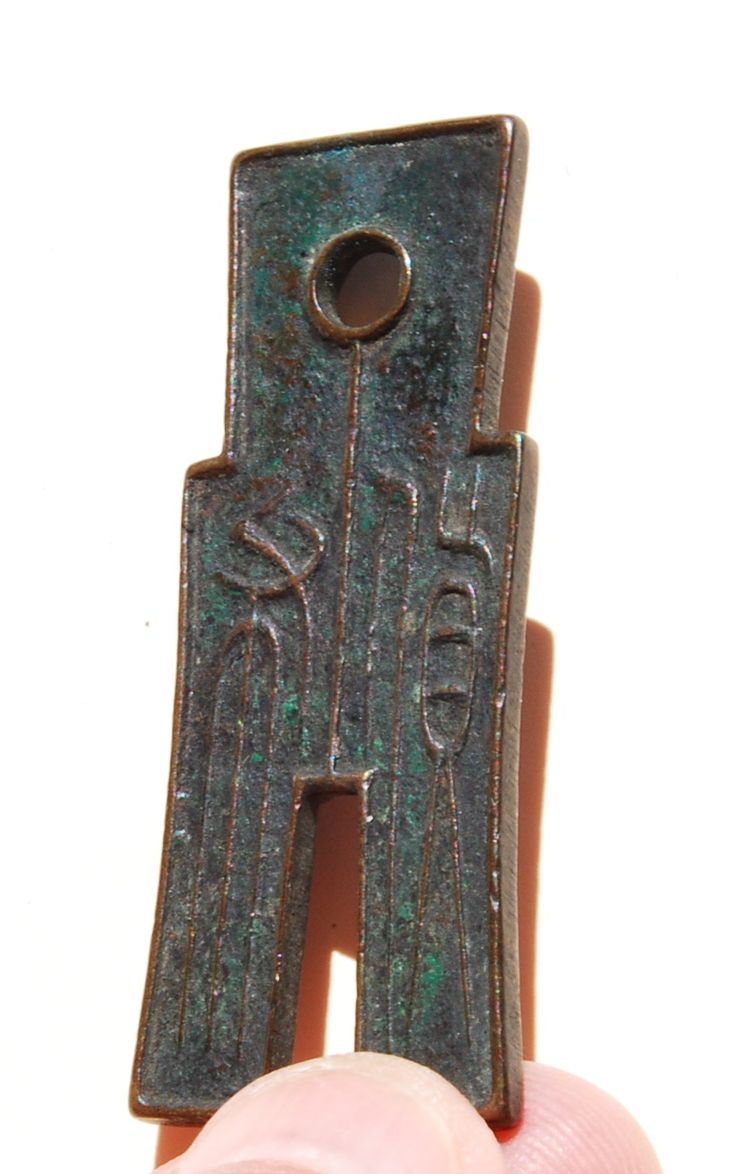 Edited by TypeCoin971793
08/05/2016 4:33 pm
|
|
Moderator
United States
34549 Posts |
Final scores: Ron 40%  Bob 80%  Dave 60%  Clearly, we need more practice. "If you climb a good tree, you get a push."
-----Ghanaian proverb
"The danger we all now face is distinguishing between what is authentic and what is performed."
-----King Adz
|
|
Pillar of the Community
United States
7067 Posts |
I got a low "B"!  |
|
Moderator
United States
23731 Posts |
That's why I'm not willing to take a chance of these yet.
|
|
Moderator
United States
34549 Posts |
Quote:
That's why I'm not willing to take a chance of these yet. I know, right? I only have a few of the old cash coins. By the way, I'm still pretty blown away that #4 was real... "If you climb a good tree, you get a push."
-----Ghanaian proverb
"The danger we all now face is distinguishing between what is authentic and what is performed."
-----King Adz
|
| |
Replies: 9 / Views: 3,012 |
|










 Posted 08/04/2016 4:03 pm


