Variety: From The Mint on Carson Street, by Rusty Goe (2003):
"The most significant die characteristic of the 1876-CC 20-cent piece is the doubled LIBERTY on the shield. Correlating to this is doubling on some of the stars at the left rim, as well as the first letters in TWENTY on the reverse. The letters in the mintmark are spaced wider apart than on any 'CC' issue, with the first 'C' being above the Y in TWENTY, and the second 'C' being located on the other side of the arrow feathers almost directly above the C in CENTS."
Heritage Commentary: In February 1874, Senator John Percival Jones of Nevada introduced a bill in Congress calling for the production of a silver
Twenty Cent Piece. First minted in 1875, the denomination's size and
design led to widespread confusion with the Seated Liberty quarter. (reminds us of the
SBA dollars confused with quarters in circulation) Nevertheless, U.S. Mint Director Henry R. Linderman understood the political pressure that the Mint faced to produce as many coins as possible from the Comstock Lode silver. Accordingly, he instructed James Crawford, superintendent of the Carson City facility, to maintain ample supplies of the denomination on hand. Since many of the 133,290
Twenty Cent Pieces struck in Carson City in 1875 had already been released into circulation, Crawford authorized the production of another 10,000 pieces in 1876. Struck sometime during the first week of May, the majority of these coins remained in the Mint's vaults until May 1877.
On May 19, 1877, Director Linderman wrote to Crawford:Quote:
"You are hereby authorized and directed to melt all 20-cent pieces you have on hand, and you will debit 'Silver Profit Fund' with any loss thereon."
It can be assumed that nearly all 1876-CC
Twenty Cent coins were melted soon after the issuance of this directive from Washington, resulting in the destruction of almost all of the 10,000 pieces produced. Somehow, as frequently occurs under similar circumstances, a few of the coins were held back and escaped the melting pot. The most likely explanation for the pieces saved would be the small number sent to the Assay Commission in Philadelphia. In 1957 a hoard of eight to 10 Gem Uncirculated examples was discovered in Baltimore, Maryland, essentially doubling the known population of this famous rarity. Some have speculated that those coins may have represented all or part of the sample originally sent to the Assay Commission. Since there are a handful of worn and impaired pieces known, it is possible that some were paid out from the mint, and presumably circulated in the Carson City area. For example: John Seagraves Peck, a wagon maker from Virginia City, Nevada, acquired an example in 1876, allegedly from a contact at the Carson City Mint. The coin was held by Peck's family for 133 years until it was sold at auction by Bowers and Merena in 2009. That example has been graded AU58 by PCGS.
The first known auction appearance of this famous rarity occurred at the sale of the Robert Coulton Davis Collection by the New York Stamp and Coin Company, in January 1890. Presented as lot number 1506, the coin in question was described in the auction catalog as:
Quote:
1876 cc mint: sharp, brilliant, uncirc. We know of no duplicate of this mintage."
That coin sold for $7.00.
So how is the doubling only apparent on the cent part of the design? Remember the other thread on the early U.S. Coins? Here is a quote from that thread:
Quote: In 1794 the Engraver,
Robert Scot made dies for the
cent, half dollar, and the dollar coins. Since there was no standardized hubbing, individual punches were used for numbers, letters, the stars, and leaf punches. The edge was lettered with decorative designs in between the words.
So the there were no hubs like we see used today on making the dies. Each die was it's own creation with differences between them. They used punches to make the design into the die. On this coin the punch for the bust was out of alignment and produced a doubled die on the whole bust. The rest of the design was not affected. I've seen that before on a shield dime as well.
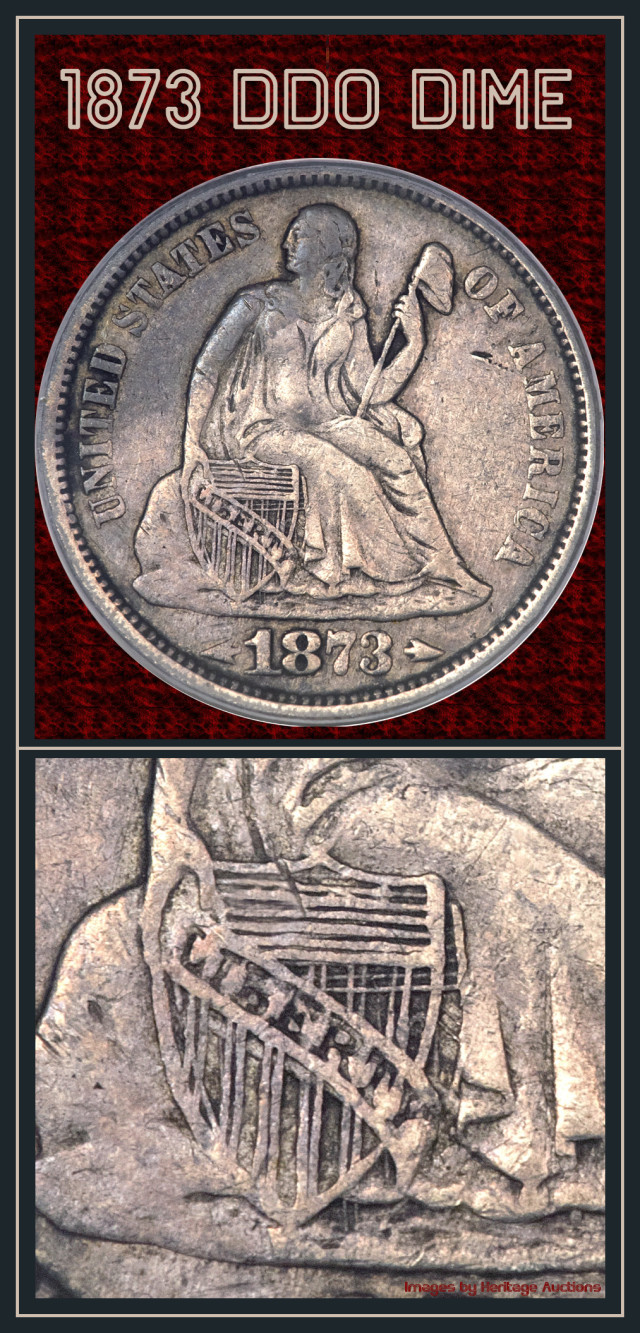
This is a 1873 shield dime. I bet there were more, Just the two examples I've seen so far.
On the 1873 cents there was a doubled die on LIBERTY that year:
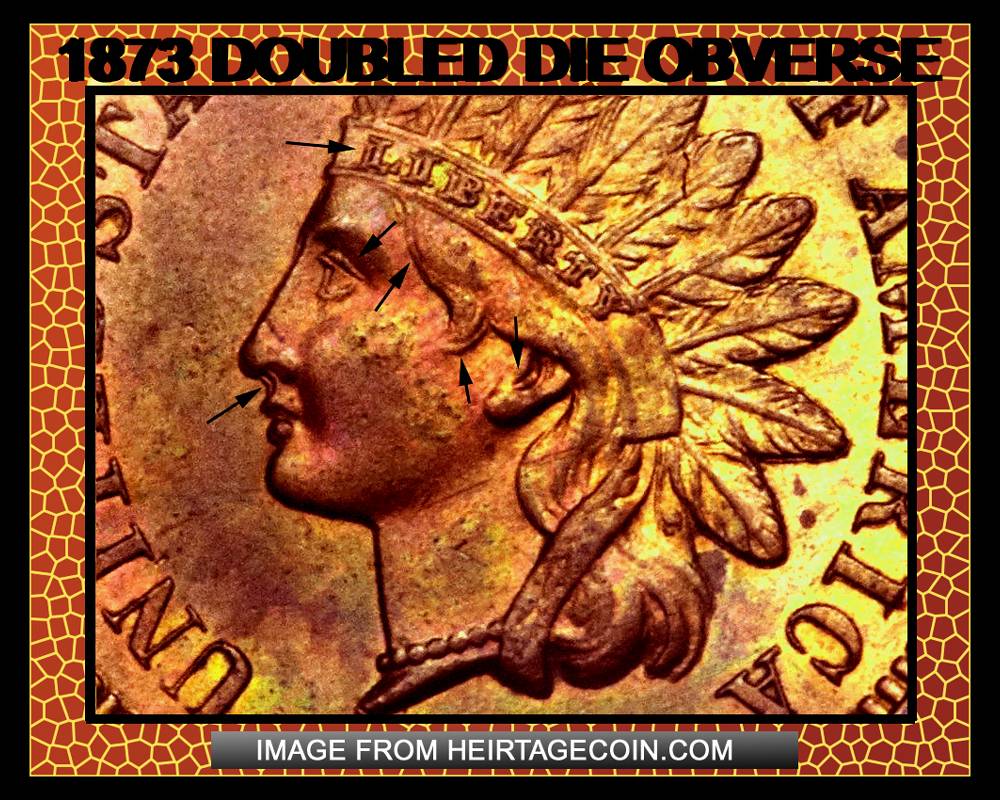
Again we see that not just the letters were affected, but the whole bust.
I thought you might enjoy these. The 1876-CC is not listed in the 'cherry pickers guide" but someday I feel it will make it there.

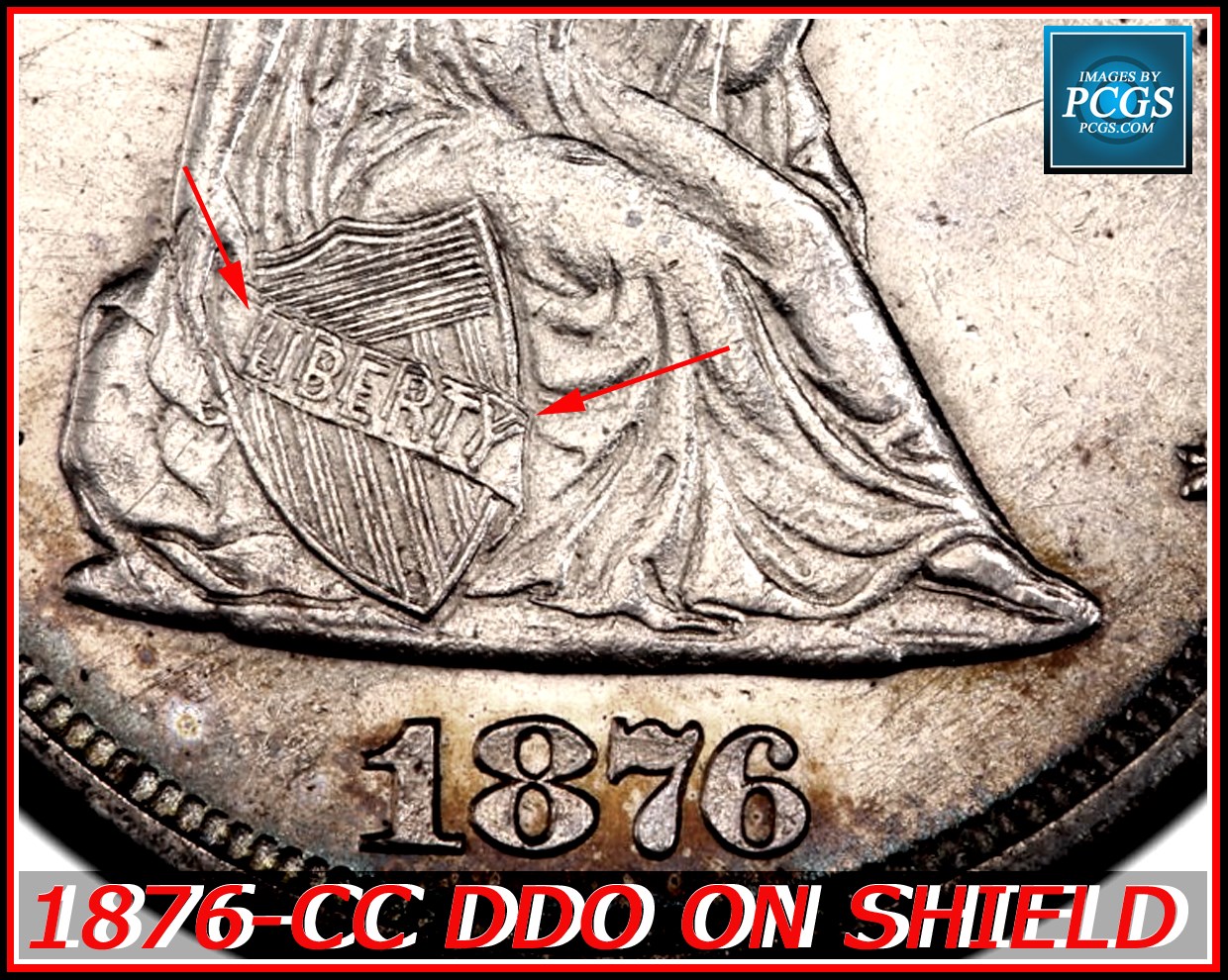


Note the arrows for the subtle die doubling. Out of the examples I've seen online, just a few of these are out there, not listed as a doubled die by the third party graders. But noted on the auctions on Heritage coins. I can just look as they are out of my price range. I can just look at them.....







 Posted 09/14/2016 5:10 pm





