| Author |
 Replies: 14 / Views: 1,724 Replies: 14 / Views: 1,724 |
|
|
Pillar of the Community
Canada
891 Posts |
We found this in a bunch of coins My wife has from her late father any help would be appreciated Thank you 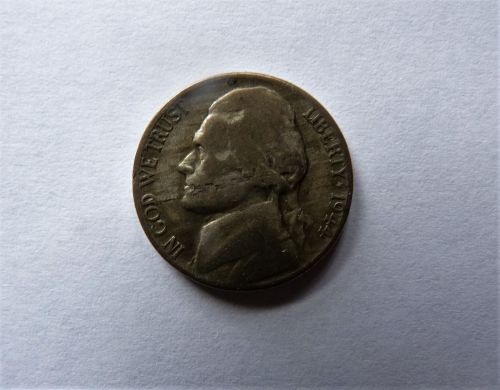 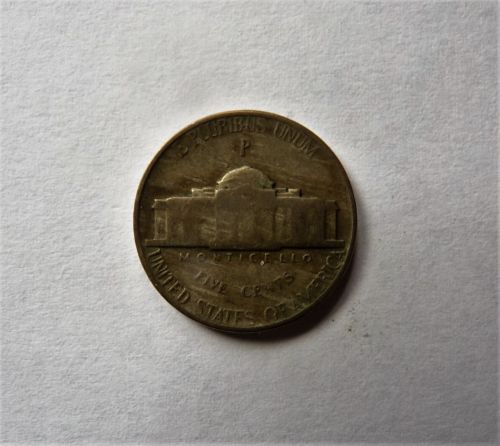 |
|
|
|
Pillar of the Community
Canada
581 Posts |
Silver wartime nickel thus the color you can tell by the big mint marking
|
|
Pillar of the Community
United States
1119 Posts |
|
|
Bedrock of the Community
United States
11951 Posts |
 War time issue. This type was minted between 1942 - 1945 |
|
Pillar of the Community
 Canada
891 Posts |
Thank you it seems to have a crack through the center of the bust and weird lines on both sides
|
|
Pillar of the Community
United States
3463 Posts |
 to the forum! Very nice find from circulation!  |
|
Pillar of the Community
Canada
891 Posts |
here are a couple of better photos 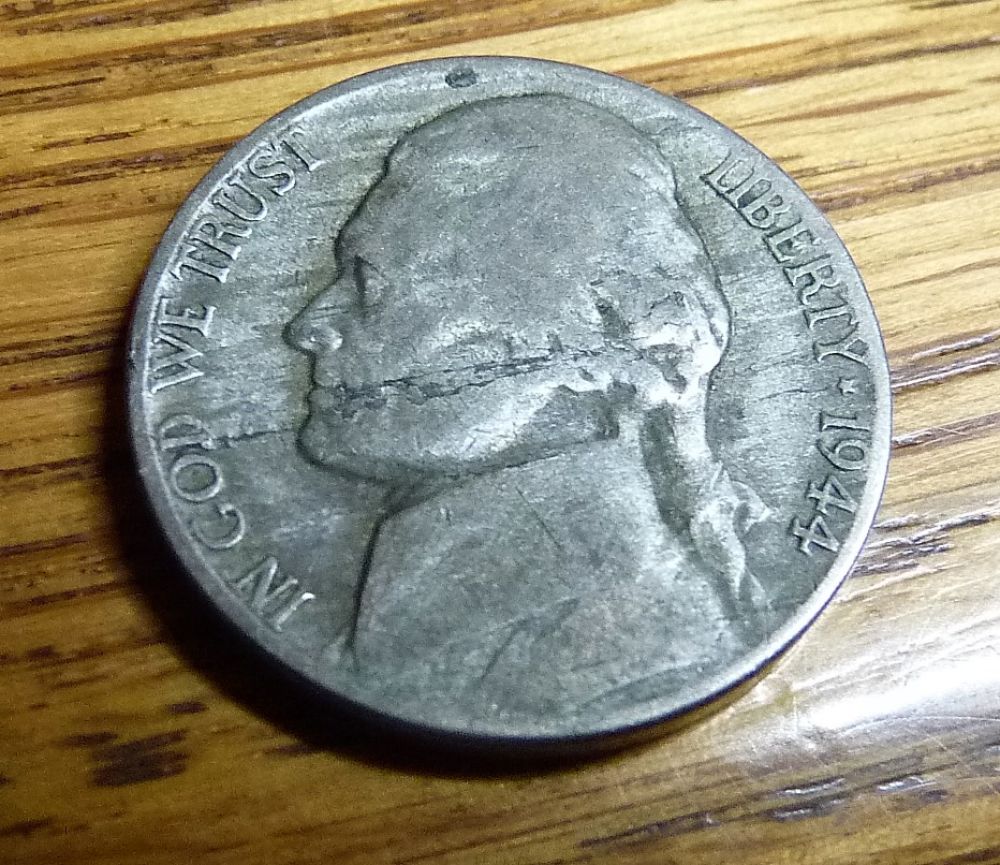 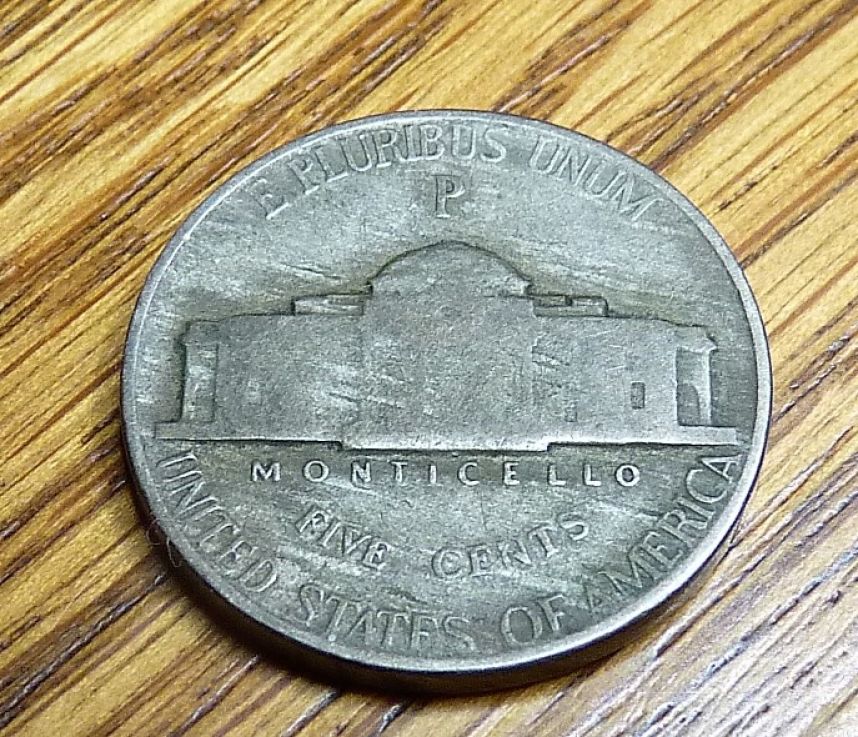 |
|
Pillar of the Community
United States
571 Posts |
The "crack" you see is a lamination error. This happens when the metals in the alloy used to make the coins don't bond properly and start to separate. This also is the cause of the lines on the coin. This type of error is quite common on the silver wartime nickles.
|
|
Pillar of the Community
Canada
891 Posts |
|
|
Valued Member
Canada
458 Posts |
|
|
Bedrock of the Community
United States
94367 Posts |
Good one! to the CCF |
|
Bedrock of the Community
United States
11951 Posts |
Sorry ..did not see the crack in the first pictures.
Just a suggestion ... might have asked about the crack at the start of the post.....
I agree ... it does look like a lamination error
|
|
Pillar of the Community
United States
3516 Posts |
to CCF! As stated before this is a silver War Nickel. With a lamination witch are extremely common with these |
|
Pillar of the Community
United States
1761 Posts |
Since I was posting here for that 1997-P Kennedy I thought I would respond here. This alloy was a quick fix since nickel as you all know was needed for the war effort. This alloy is UNSTABLE and I have shown through XRF and SEM/EDS microstruture analysis (findings not published) that these lamination errors on this issue are SOLELY the result of an UNSTABLE physical alloy nature and has nothing to so with surface contamination or foreign matter creating this error. As some of you know lamination errors can be caused by both unstable physical alloy issues and blank planchet contamination on OTHER U.S. Federal coinage issues. Examining within the areas of lamination on around (30) wartime 5C pieces no outside contamination debris was found WITHIN the lamination streaks by SEM/EDS analysis on ~ 30 specimens of various dates. My guess its the highly oxidized metal Manganese as the root cause for these lamination's and of all the 20thC lamination errors I suspect these wartime issues have the highest % lamination's for a 20thC U.S. issue.
John Lorenzo
Numismatist
United States
|
|
Pillar of the Community
Canada
891 Posts |
Thank you for that information I had no idea
|
| |
Replies: 14 / Views: 1,724 |
|







 Posted 11/16/2016 9:58 pm





