| Author |
 Replies: 39 / Views: 3,124 Replies: 39 / Views: 3,124 |
|
Pillar of the Community
United States
3363 Posts |
Sometimes they go all the way through the rim to the edge. I had thought that was not possible, but I cannot think of a reason why it can't happen. 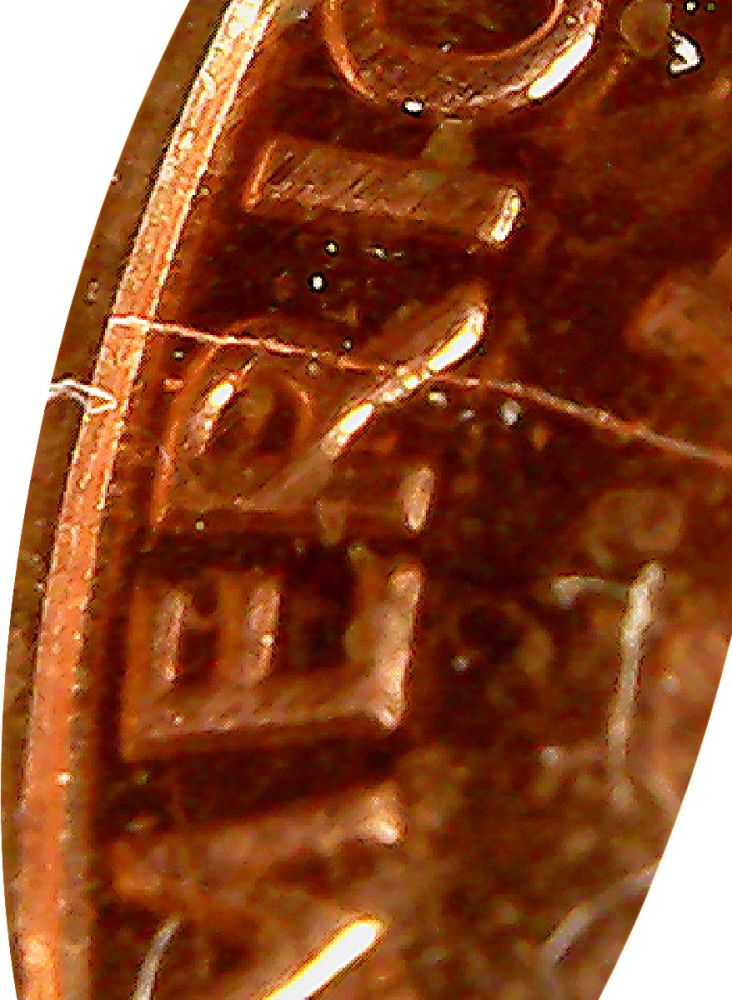 |
|
|
|
Pillar of the Community
United States
5964 Posts |
The die doesn't go down the side. Maybe a Collar Crack?
|
|
Pillar of the Community
 United States
3363 Posts |
A collar crack would only be seen on the edge of the coin. As I understand it, the die has a shoulder on it which forms the inner side of the rim and the top of the rim. The collar forms the outside or edge of the rim/coin. So, if the crack is deep enough into the die, then it will involve the shoulder, too. So the crack on the coin will go into the rim. If you Google "coining die" many images can be seen. Here is one (clearly showing the shoulder on the die): http://www.core77.com/posts/12577/p...oining-12577 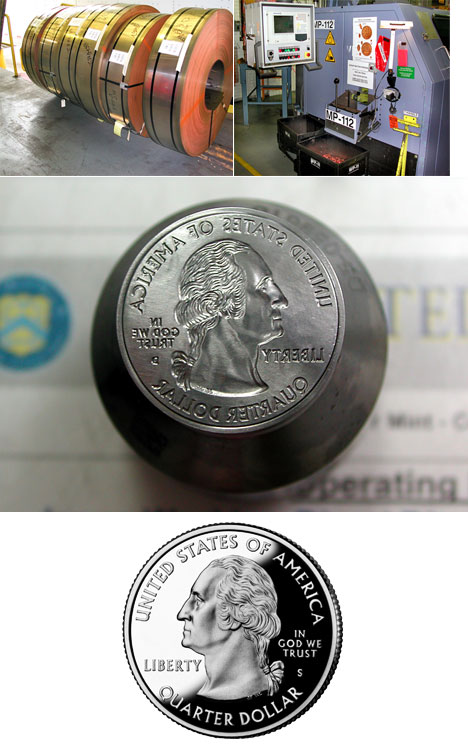 Edited by Pete2226
11/30/2016 8:25 pm
|
|
Pillar of the Community
United States
2260 Posts |
I agree with you Pete. I have found a couple of spike heads that the crack looked like it went through the rim to the edge. I looked on COC at the spikes and there are a few that look like the crack goes to the edge.
|
|
Pillar of the Community
United States
3363 Posts |
Thanks! I appreciate that you see what I am trying to say. To me, it looks obvious. Perhaps I am not remembering correctly, but I am thinking that there has always been the notion that a crack has to stop at the rim?
|
|
Pillar of the Community
United States
2260 Posts |
I have seen post on here to that effect and figured that what I was seeing was PMD. After seeing your post I now believe that the crack actually does go to the edge. |
|
Pillar of the Community
United States
5964 Posts |
Very good stuff Pete! Thank you. I didn't know that about the die forming the inner and top areas of the rim. I had assumed the collar did it all. This will help me figure lots of things having to do with edges of coins. I basically know what I read on this site. That will help me tremendously. I suppose your coin's die had a deep crack. I, like most on here, have a fine mind, just need some education to go with it. Thanks again. EdUcAtIoN iS kEy!
|
|
Pillar of the Community
United States
3363 Posts |
I am wondering if anyone knows something which would invalidate my observations?
|
|
Bedrock of the Community
United States
17884 Posts |
Die cracks very frequently extend across the rim, it is nothing unusual. Since the rim is one of the last things to strike up though the crack will often be much weaker where it crosses the rim. And since the crack will be the highest point on the rim, on circulated coins the crack may be worn off on the rim.
Edited by Conder101
12/01/2016 12:10 pm
|
|
Pillar of the Community
United States
3363 Posts |
Thanks Condor101 - maybe my memory of encountering statements that a crack had to stop at the rim is faulty! At my age, I can easily blame my memory on senility!  |
|
Bedrock of the Community
United States
62064 Posts |
I would think that the dies that doesn't have the ring on the outside of the die,  (Like the quarter in the image above) could have a crack over the rim. The rims on these coins and proof coins have squared rims. But some dies don't have that ring on the outside edge of the die. How do I know? When you see double struck coins, you don't see that ring line: 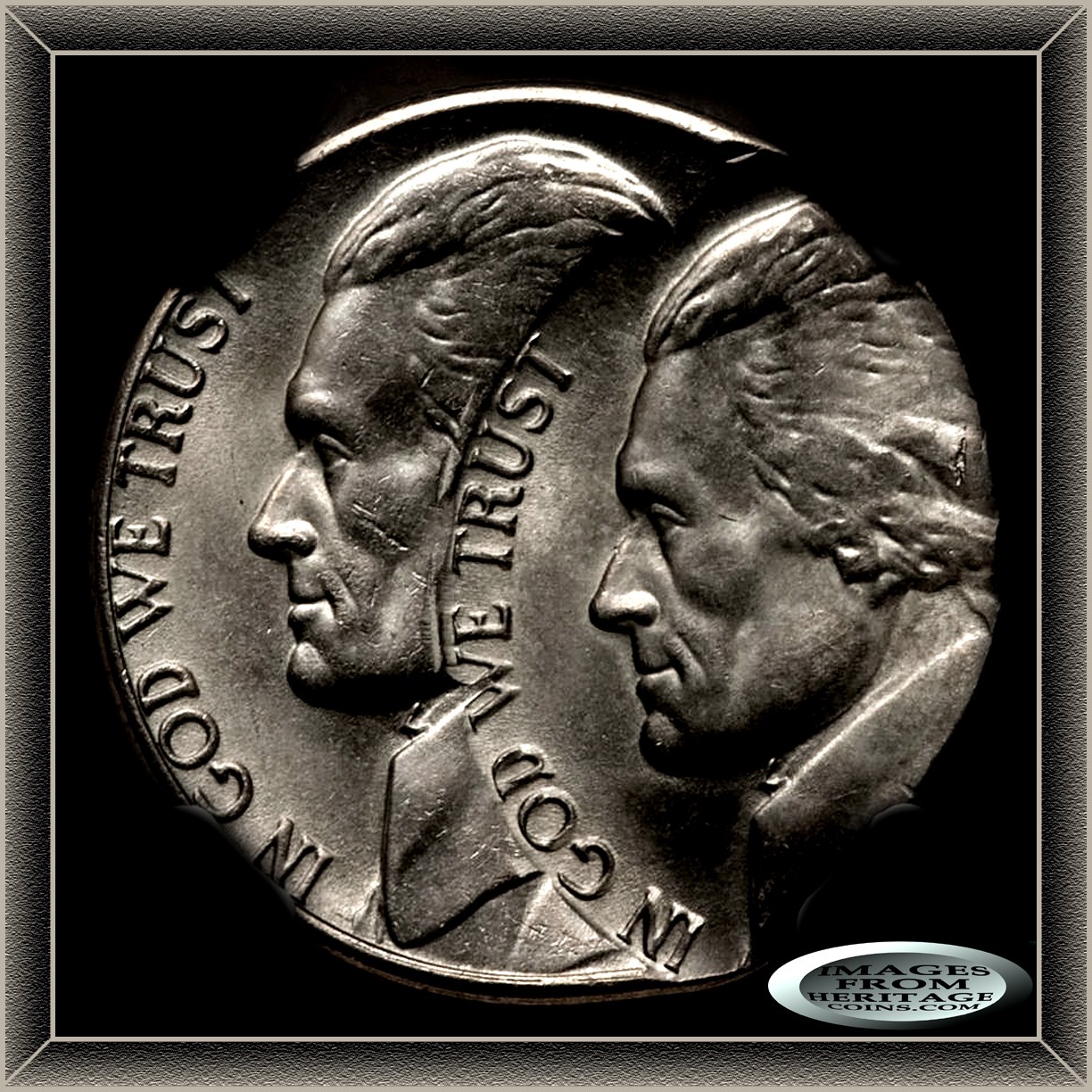 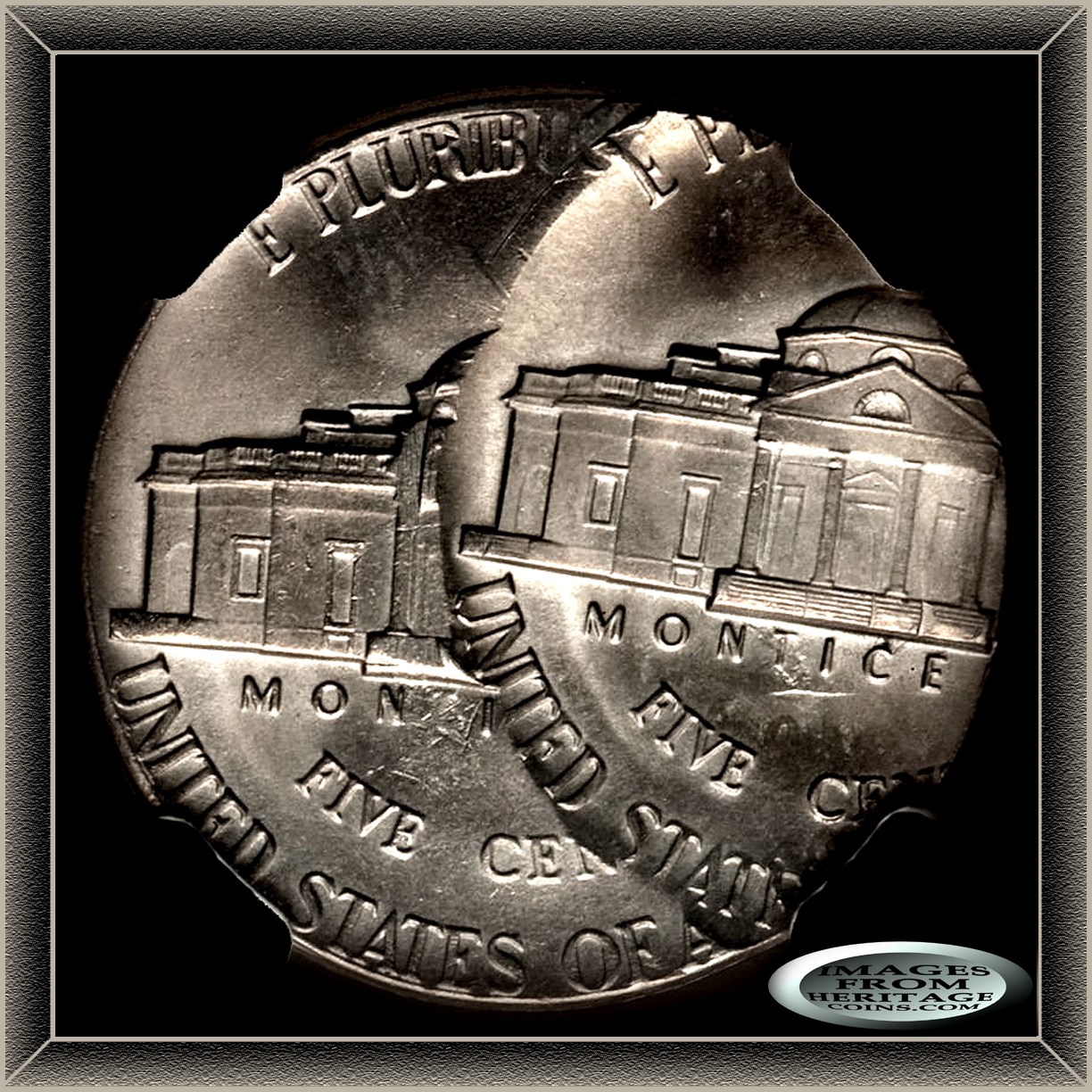 I notice there is a line from the obverse die, but the reverse die doesn't show this ring. Most coins I've noticed the die crack ends at the rim line (the edge of the die). So maybe the Hammer or anvil dies may have these on just on side of them and the opposite ones may not? So not all show the cracks over the rim. The dies maybe setup differently? |
|
Pillar of the Community
United States
5964 Posts |
There's no collar on the second strike? I think I see it on the reverse towards the top. Maybe the collar is necessary to make it work?
Edited by CoinMasters
12/02/2016 01:05 am
|
|
Bedrock of the Community
United States
62064 Posts |
On the reverse of the nickel It doesn't show the outside ring of the die. So it may not have one on this die. Thus when it cracks, it would stop before the ring?
|
|
Pillar of the Community
United States
5964 Posts |
If it doesn't have it, you bet the crack would stop at the ring. I don't know, maybe some dies don't have it, but I couldn't imagine why. Maybe, I don't know.  I think I see it on the reverse towards the top. Edited by CoinMasters
12/02/2016 01:13 am
|
|
Pillar of the Community
United States
3363 Posts |
Quote:
not all show the cracks over the rim One explanation for this would be a shallow crack. It seems to me that any coin with a raised rim will have been from a die with a shoulder to form the inside of that rim. Edited by Pete2226
12/02/2016 09:13 am
|
|
Pillar of the Community
United States
3363 Posts |
Edited by Pete2226
12/02/2016 09:14 am
|
| |
Replies: 39 / Views: 3,124 |










 Posted 11/30/2016 8:20 pm


