| Author |
 Replies: 10 / Views: 1,093 Replies: 10 / Views: 1,093 |
|
|
Pillar of the Community
United States
3363 Posts |
|
|
|
|
Moderator
 United States
56855 Posts |
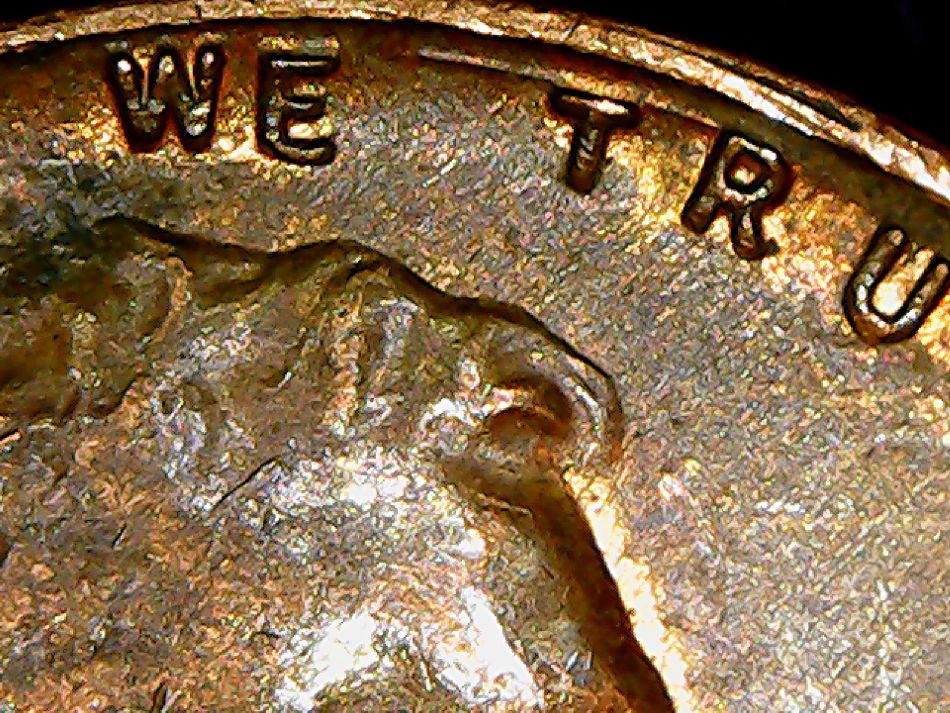
Over abraded die or die gouges? John1  |
|
Bedrock of the Community
United States
62064 Posts |
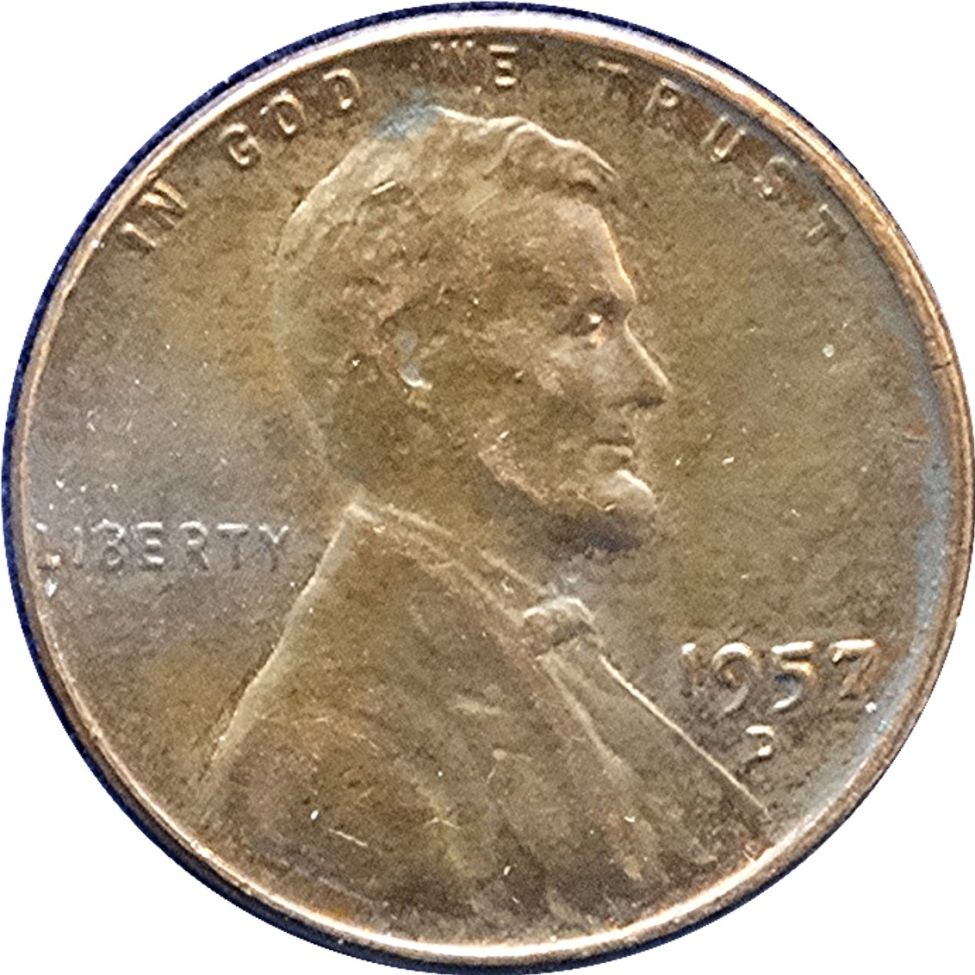
Good question on this one. I've not seen that before on the obverse. On the reverse of a cent that year, I would think Feeder Finger Damage, but that is probably what this is not. I would agree with John1 on this one. Die gouges and a possible die dent on the left side of the jacket. 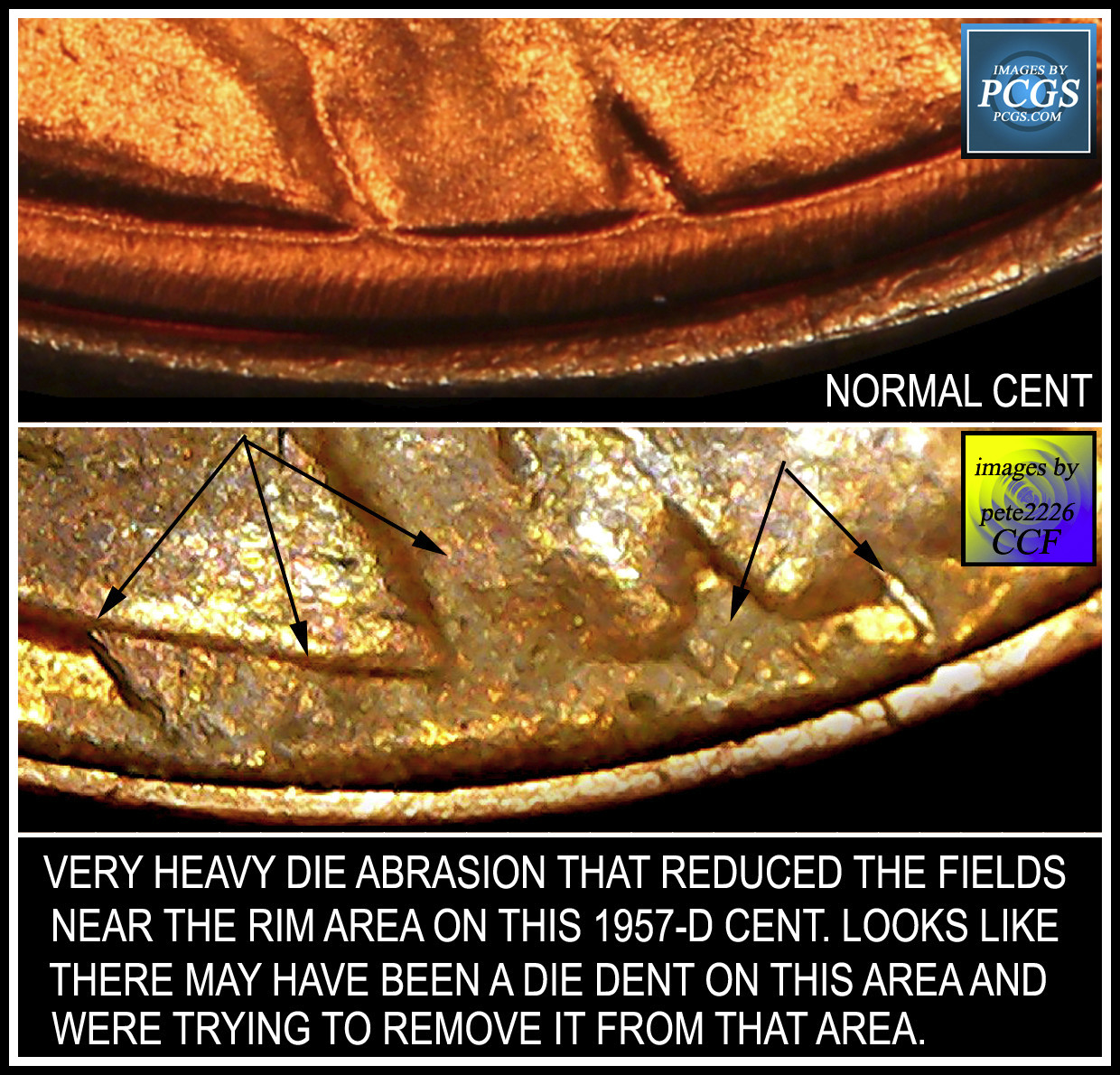 Note the side by side comparison to a normal coin. (13th image in my collection from Pete2226 so far) |
|
Pillar of the Community
 United States
3363 Posts |
Thanks Coop and John.
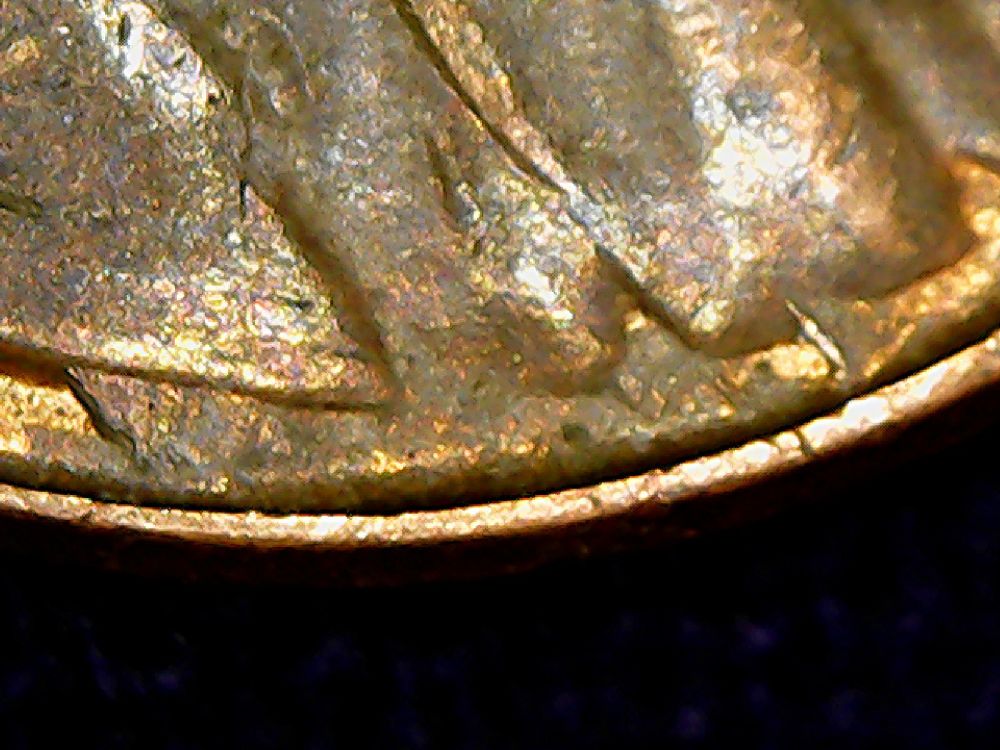
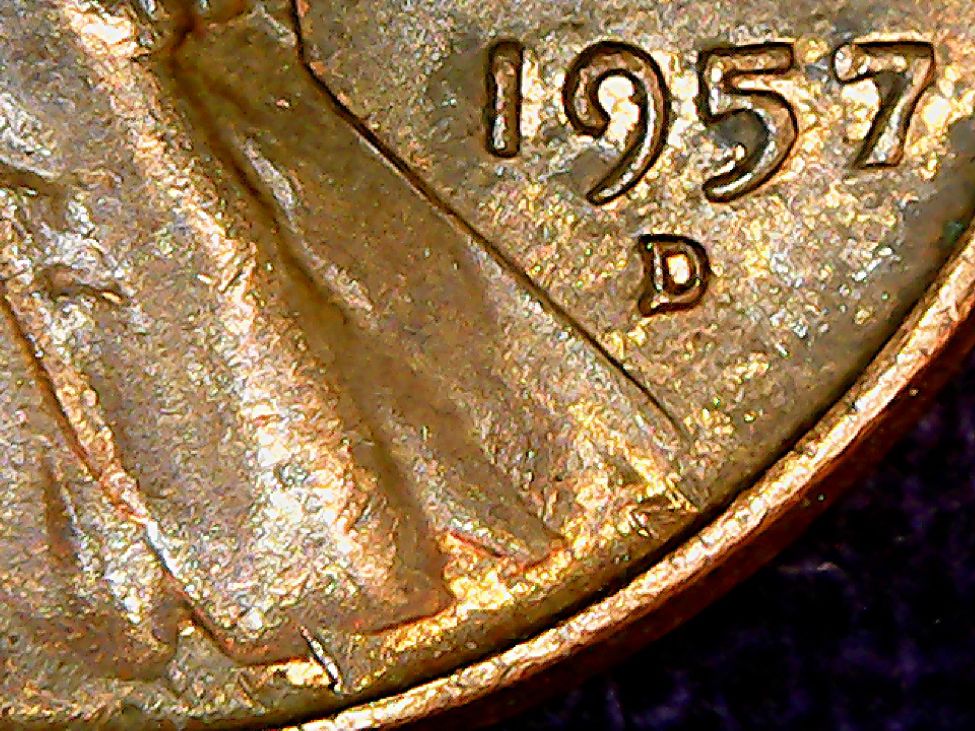
I am especially wondering about the very abrupt "wall" on the left side? It is where Coops' left arrow of the set of 3 arrows is pointing. Does that really look like something which could be caused by die abrasion? What kind of tool would be used to produce that kind of die abrasion? What kind of die abrading tools did they have available? Does anyone have any photos of those tools?
|
|
Pillar of the Community
United States
3363 Posts |
Edited by Pete2226
12/09/2016 2:50 pm
|
|
Bedrock of the Community
United States
62064 Posts |
Does it look like the ATB proof quarter has incuse elements on the die? I don't have a proof example. Maybe they are different than the business strike dies that are raised to make the coin show incuse design on the outside ring devices? Answered my own question. The devices on the proof ATB Quarters are raised. The get polished along with the fields.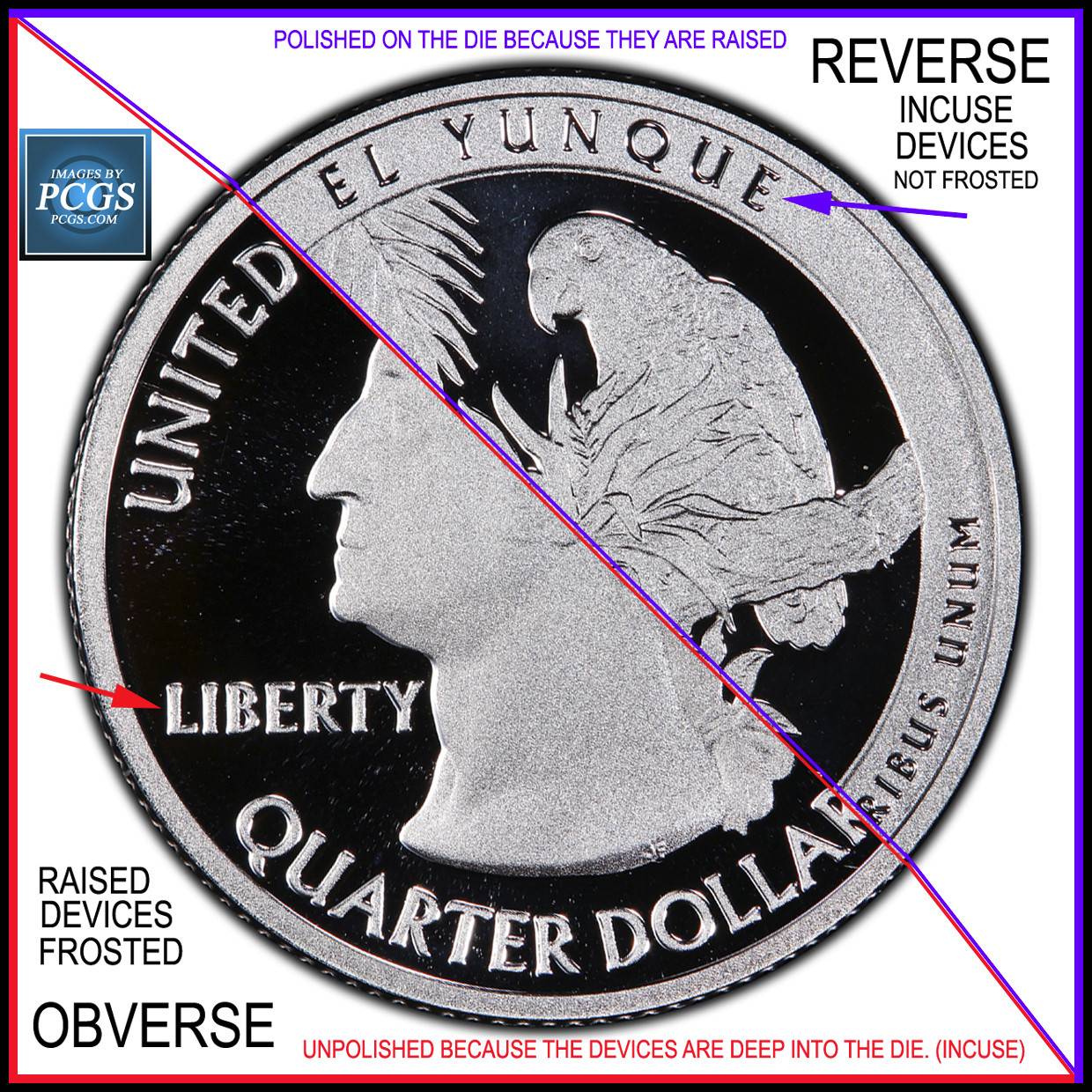 Edited by coop
12/09/2016 4:59 pm
|
|
Pillar of the Community
United States
3363 Posts |
I supplied those links to show what polishing tools looked like.
It may be a stretch but if one were held at an angle, it might explain the anomaly on my coin?
I guess that I am not yet convinced it is abrading because it is so severe - but I am trying to explore how it could be possible.
|
|
Moderator
United States
56855 Posts |
Maybe Mike can help you out? John 1 |
|
Pillar of the Community
United States
2752 Posts |
Hard to say. Could be a die dent, accidental die abrasion, or intentional die abrasion. Maybe a combination?
Error coin writer and researcher.
|
|
Pillar of the Community
United States
3363 Posts |
|
|
Pillar of the Community
United States
3363 Posts |
I am just thinking about this. Mike's use of the term "accidental die abrasion" is an epiphany for me!  When I take that and look at the images (see the links I posted) of dies being polished with hand held rotary tools, I think that I am ready to conclude that this is what happened. The strong vertical edge on the left of the anomaly lends itself to that description. Any other thoughts? |
| |
Replies: 10 / Views: 1,093 |
|










 Posted 12/09/2016 11:11 am


