Early
Wheat cent Die DeteriorationSeveral years ago I purchased a 1913-S coin that looked like a RPM. It looked like multiple 'S' mint marks on it. It was later found to be a did deterioration issue on the die.
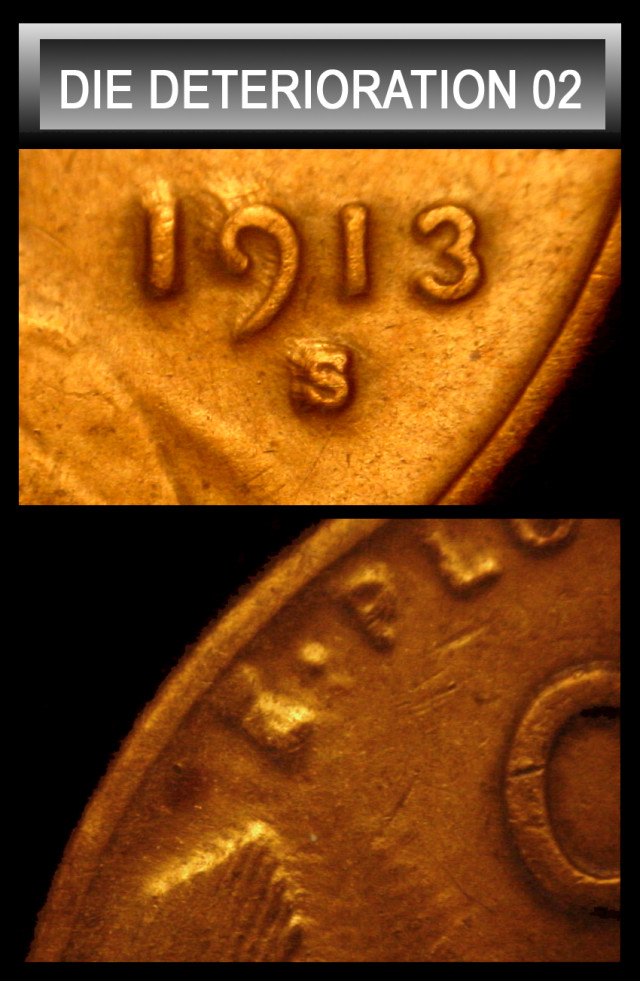
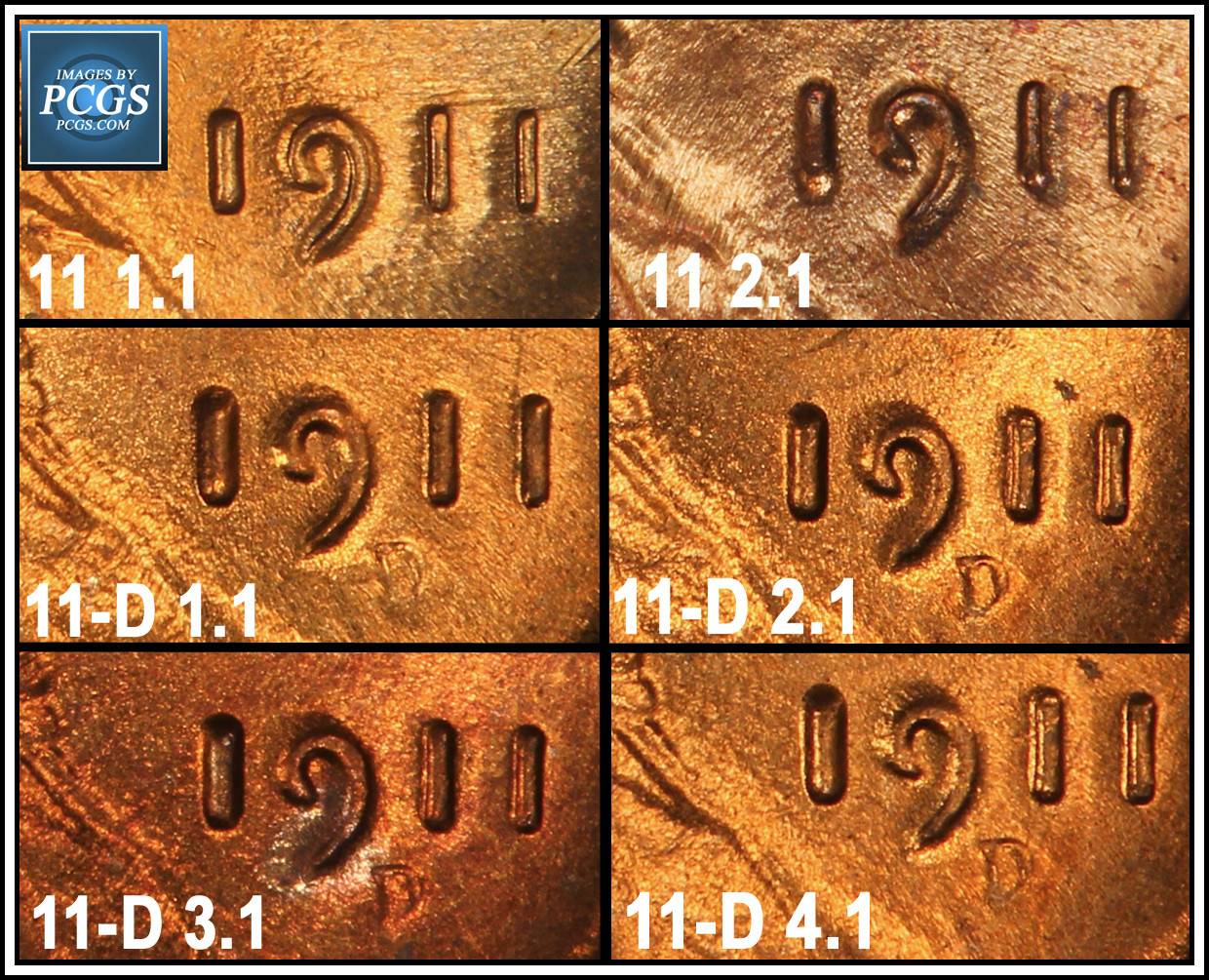
When looking at the date, I noticed the die wear was in the wrong direction. Instead of flowing towards the rims, it was flowing towards the center of the coin. I kicked several different ideas around about how this could happen. Was it an issue with a hub that was wearing out. But then, I noticed that the mint mark was affected also. So it I knew then it could not be a hub issue. (dies are hubbed first, then mint mark is applied in a separate application) Both the die wear and the mint mark showed the same direction. So I put that on the back burner for a while.
Now with the great images on the PCGS COINFACTS website, I would figure out what years were affected by this. I determined 1911-1917 years were affected. Also the 1918, but it was not as drastic. If seems to show on the VLDS dies and also show the ghost image on the reverse of the coins. (progressive indirect design transfer)
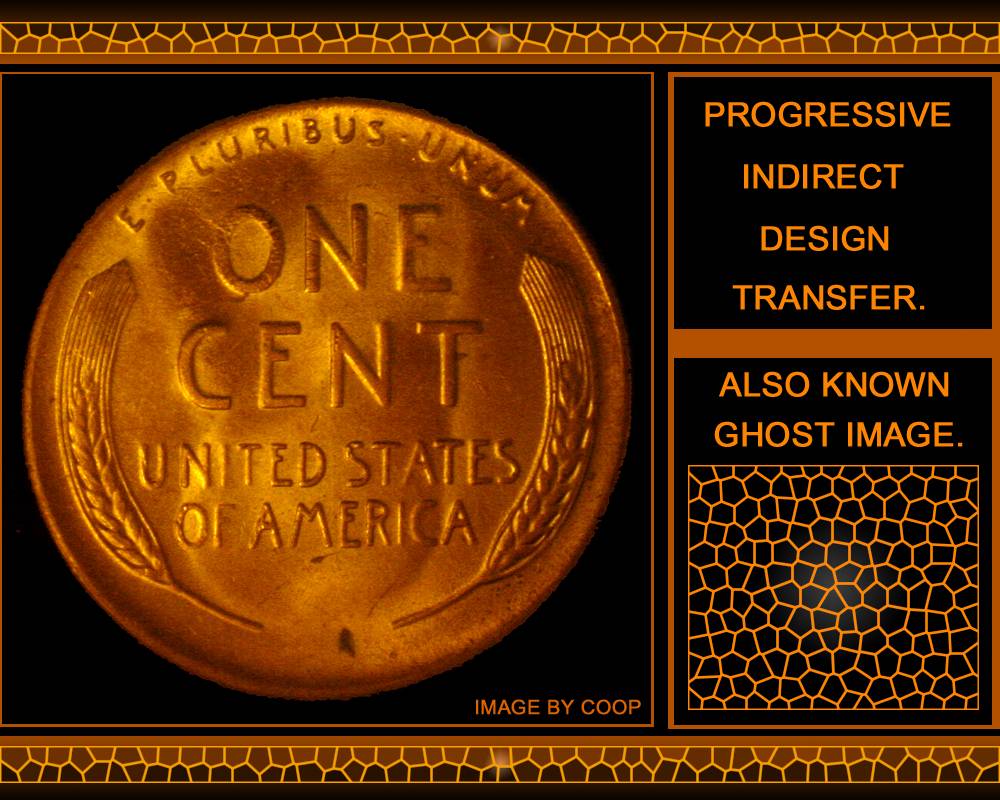
The devices on LIBERTY were also affected like the
Die Deterioration of today's coins. The 1916 year I didn't find examples of this on the website. That year the design was a bit stronger so I feel that kept the dies fresher that year. (or there were not examples of that on the web site)
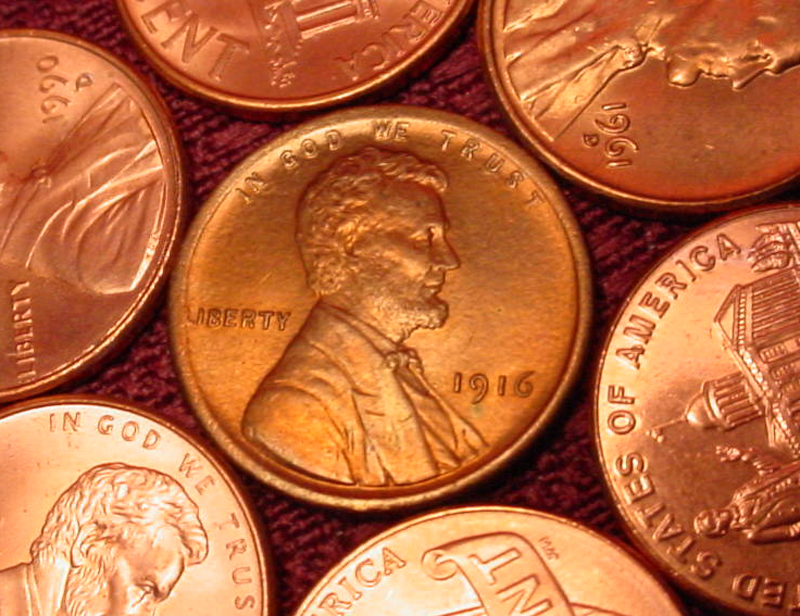
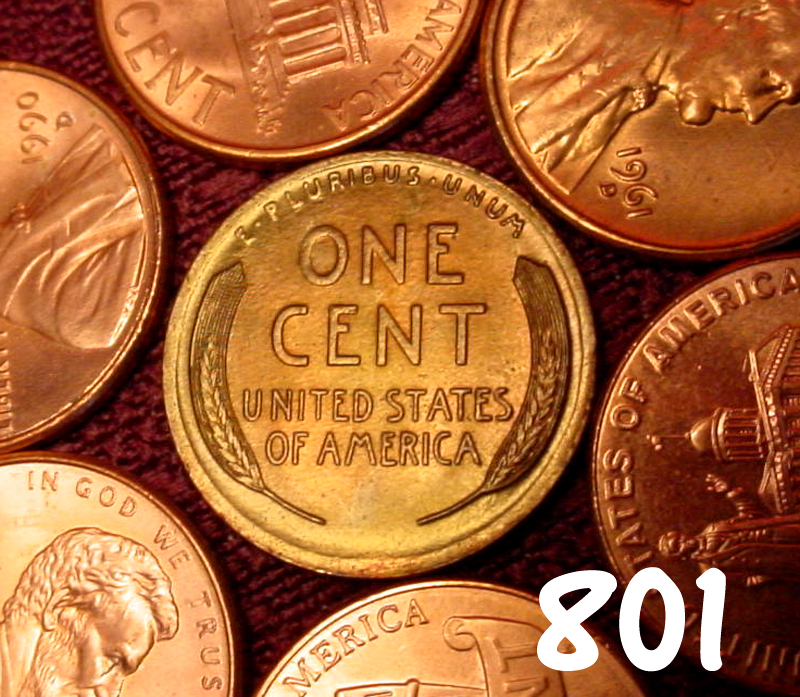
So the dies were affected by something that we don't see on later coins, that cause the die wear in that direction. It might have been something with the larger rims at that time? But the 1909 & 1910 coins didn't have this issue. So I thought I would show the examples I found. (just the date and mint mark areas)
The numbers are date and mint mark and coin number in case I needed more information about one of them.
]b\1911
 1912
1912 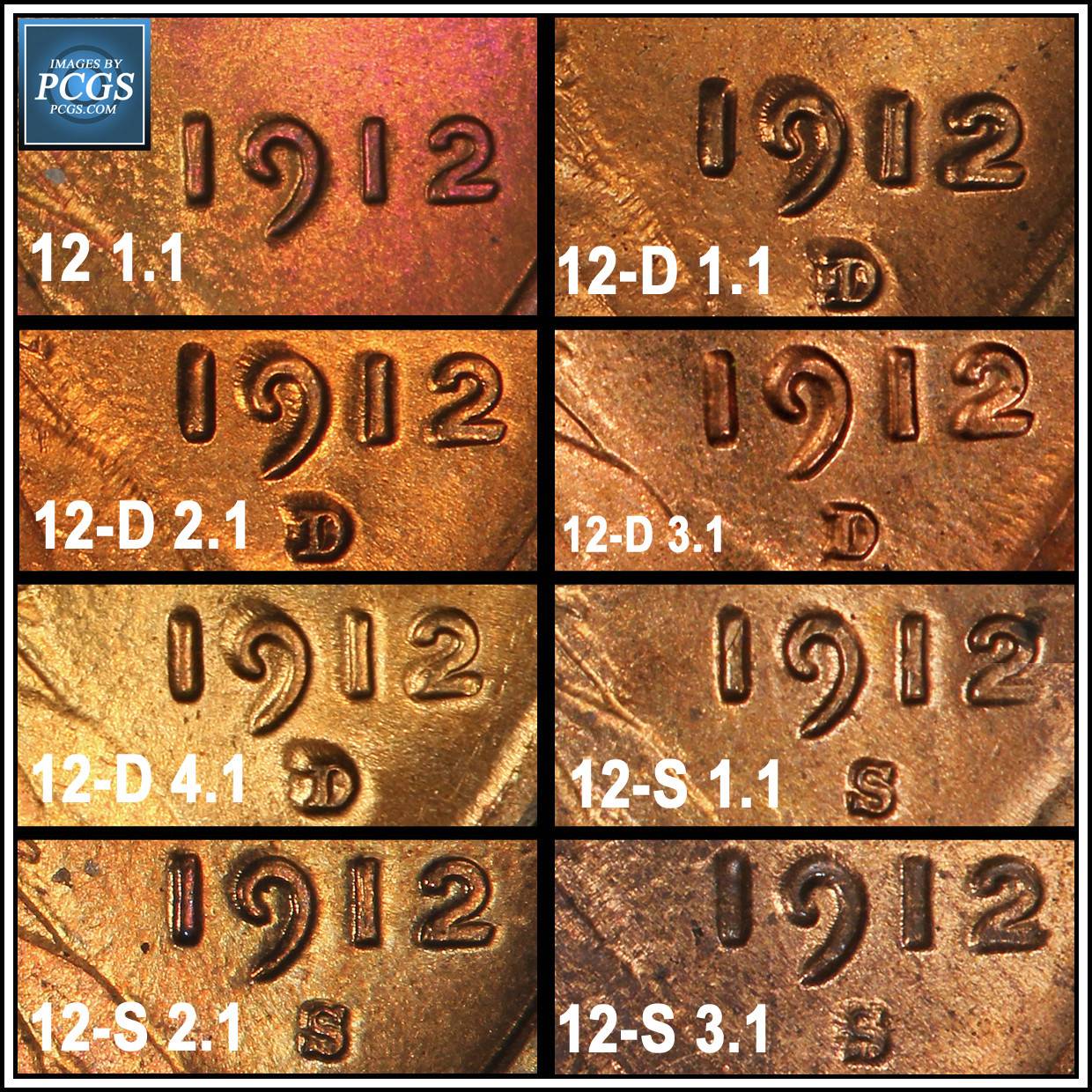 1913
1913 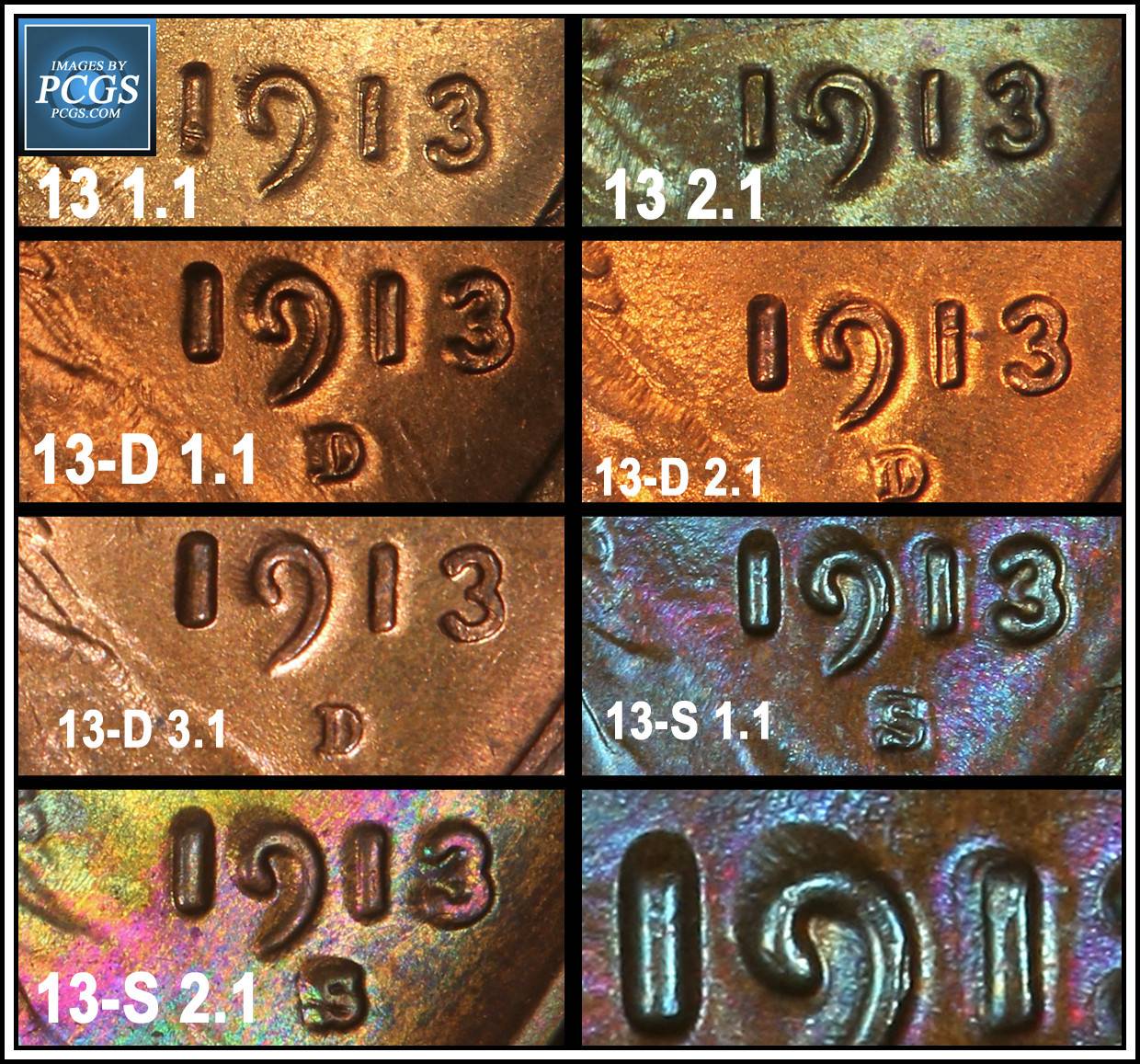 1914
1914 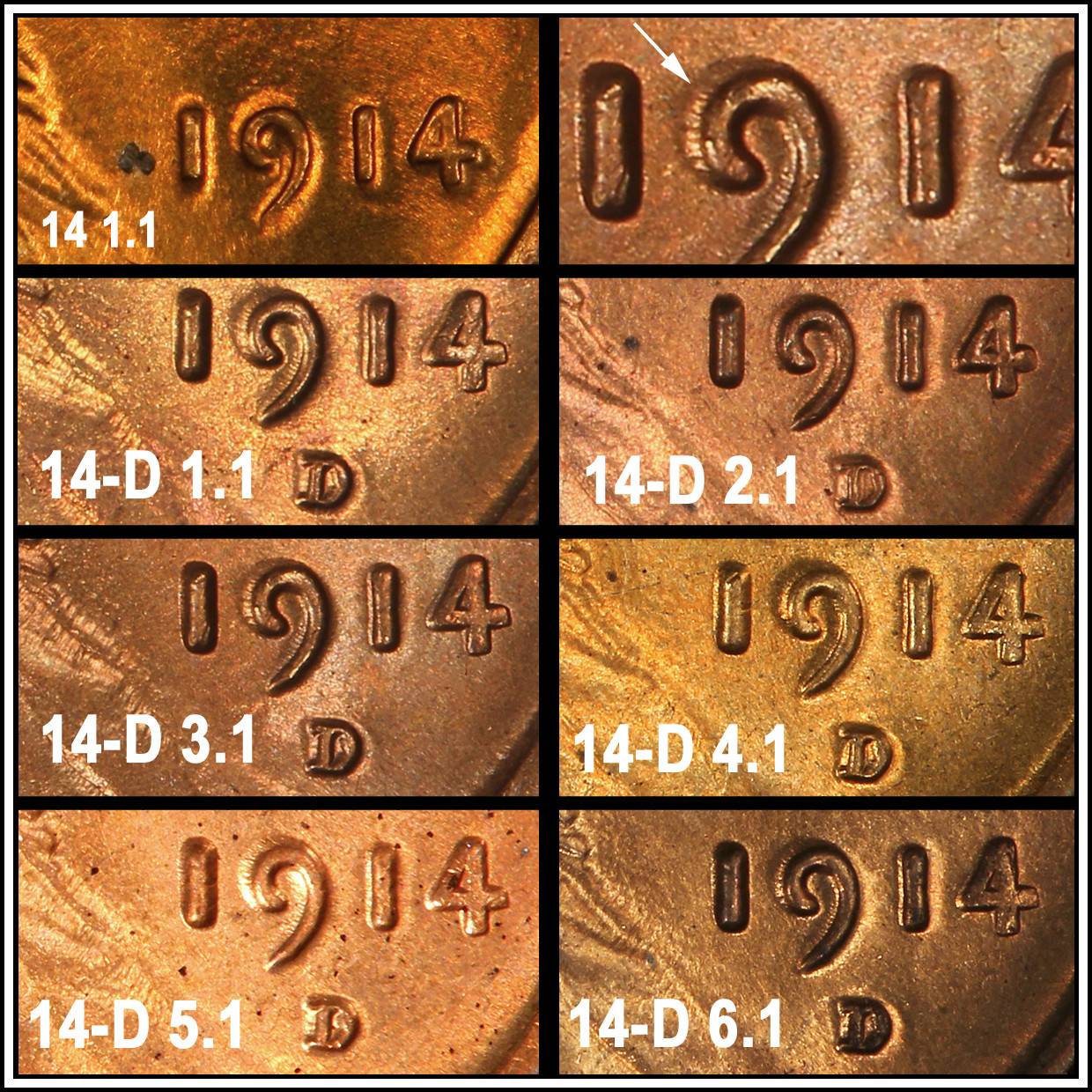 1915-1918[/b]
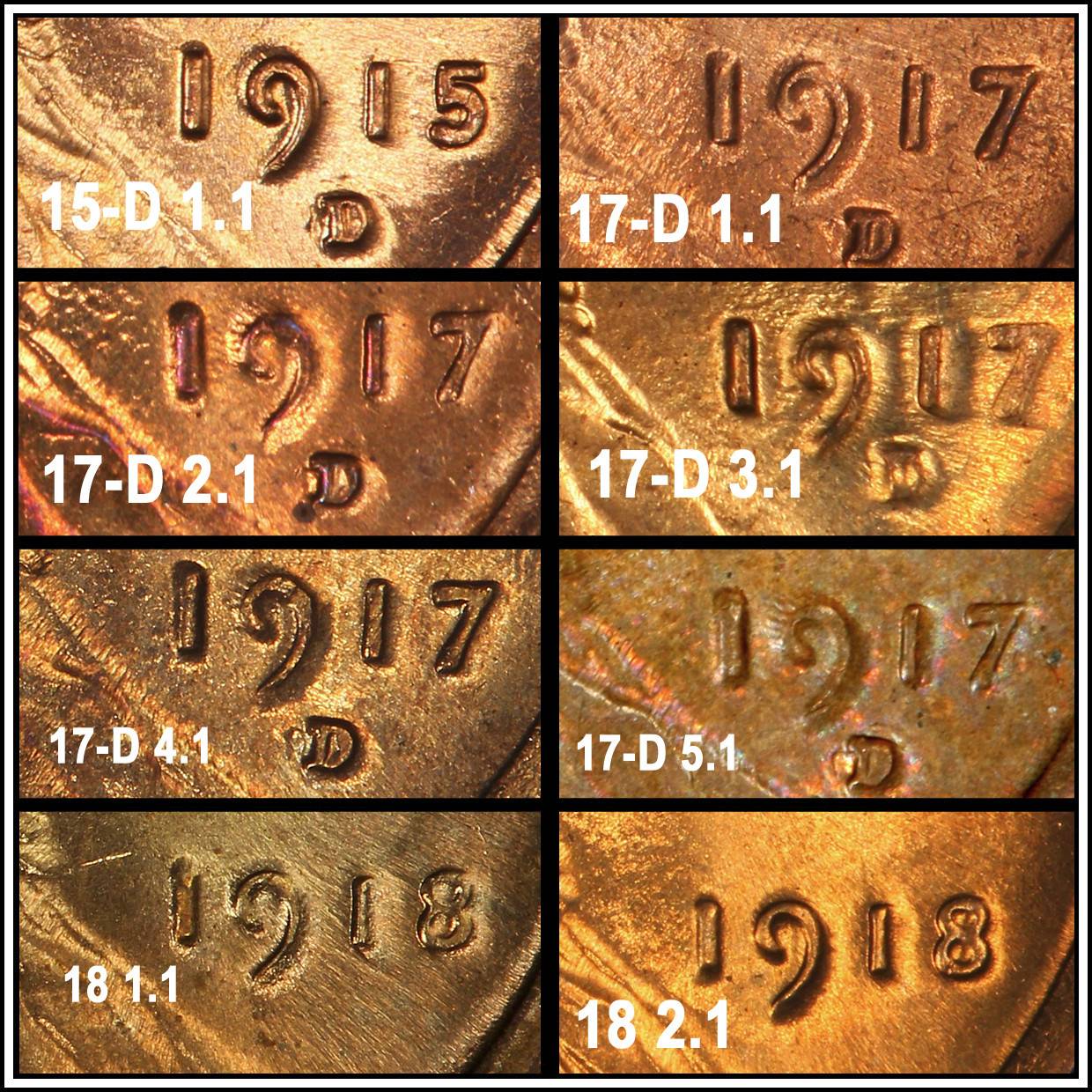
So this is the only case of a different direction of die wear I've found. I guess it shows there are always exceptions to the rules.





 Posted 12/29/2016 6:07 pm





