| Author |
 Replies: 4,683 / Views: 276,171 Replies: 4,683 / Views: 276,171 |
|
|
|
Pillar of the Community
Belgium
1185 Posts |
1562 Spanish Netherlands Philipsdaalder province of Holland, Dordrecht mint 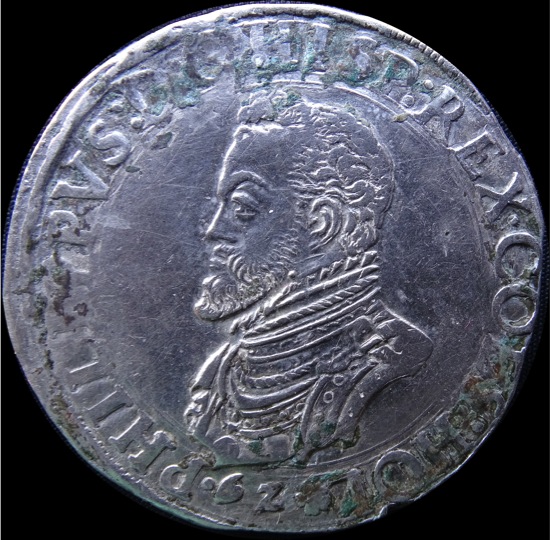 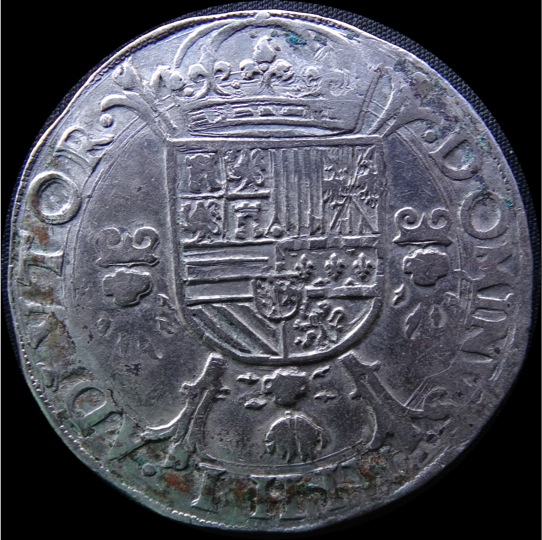 |
|
Moderator
 United States
34554 Posts |
Here is a 1 Kortling from the German Abbey of Corvey dated (15)62 AD. It is attributed as Saurma 3106. 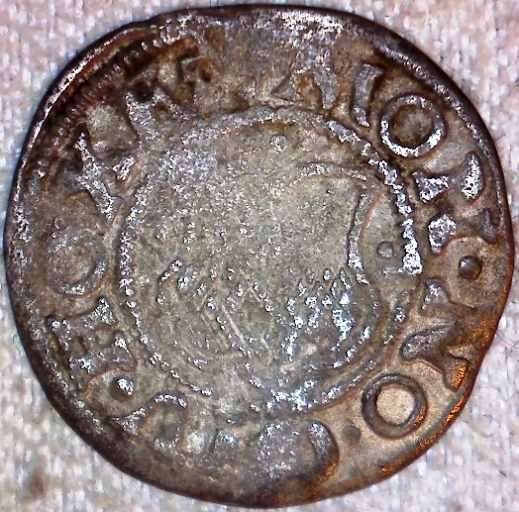 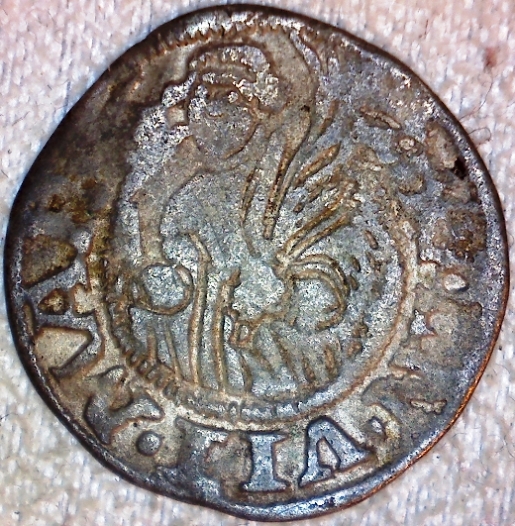 "If you climb a good tree, you get a push."
-----Ghanaian proverb
"The danger we all now face is distinguishing between what is authentic and what is performed."
-----King Adz
|
|
Pillar of the Community
Belgium
1185 Posts |
1561 Philipsdaalder Ghelders 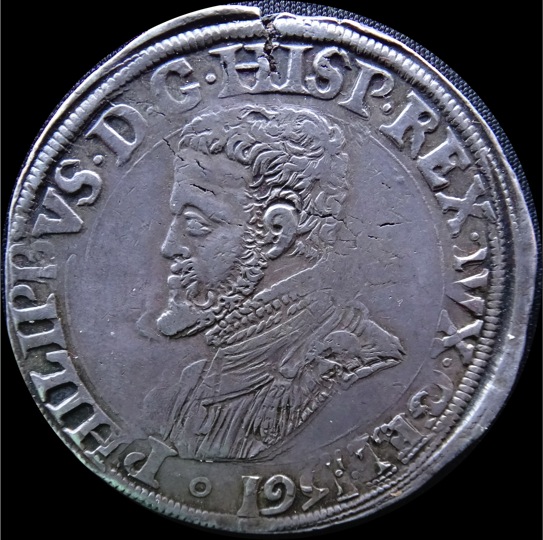 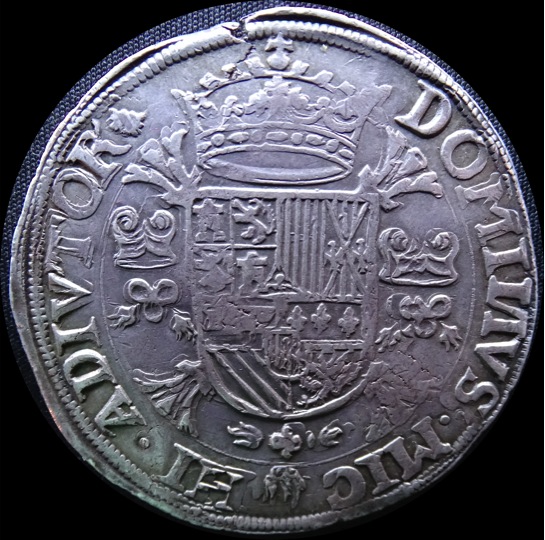 |
|
Valued Member
Norway
375 Posts |
1/2 Groat Lithuania/Poland The date is not very readable on this one, but as far as I can see it is 1561 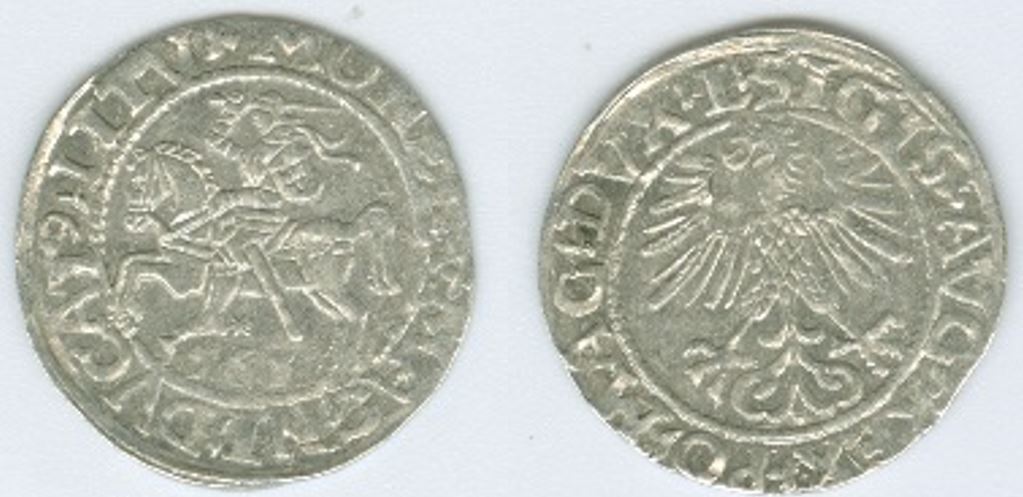 |
|
Pillar of the Community
 United States
8056 Posts |
Yes. Gumowski lists this date as either 1561 or 1651, and gives your version an "R".
|
|
Pillar of the Community
United States
9395 Posts |
1561 -- Lithuania, 1/2 groat:   |
|
Moderator
United States
34554 Posts |
@1c5d7n5m, is the legend doubling from the use of a rocker arm during the striking of this coin? Here is my 1 Drier from the German City State of Brandenburg dated 1561 AD. It is attributed as Saurma 4769.   "If you climb a good tree, you get a push."
-----Ghanaian proverb
"The danger we all now face is distinguishing between what is authentic and what is performed."
-----King Adz
|
|
Pillar of the Community
Belgium
1185 Posts |
Quote:
is the legend doubling from the use of a rocker arm during the striking of this coin? The daalders in the Netherlands from the 16th and part of the 17th centuries were 100% hand made. For an impression of the procedure the engraving of Hans Burgkmair is informative. The engraving was made on the occasion of the visit of emperor Maximiliaan, the grandfather of Philip II, to the mint in Flanders. I'll show a daalder from this mint during one of the next days. In the background the mint master explains the procedure to the emperor. Left in the back you can see the oven to melt the silver for a days work; left in front someone is cutting the plancets from the silver plate, how skilled this worker needed to be! On the right you can see how the stiking of a daalder is done. Two blows with a heavy hammer, the upper die is in the other hand and more mobile, the lower die is immobiized to the woodblock which serves as a table. The right panel shows a surviving pair of steel dies that were used in the Netherlands for a 1578 daalder.  Two hammer strikes were needed to produce the coin. THis is why the Dutch still say: "the first strike is worth a daalder" (a good start and the job is almost done). Sometimes the first strike is too weak, or the second not exactly on top of the first (double strike) : often the upper die moves a bit with respect to the planchet which lies on the lower die. What happened with this 1561 daalder above? I can't say exactly. The shift in the legend is abrupt and large compared to the "standard double strike" for the face of the king. Mayby the second strike was made when the upper die was not horizontal so the coin started to move. I have seen similar stike errors on other coins from the same period. |
|
Moderator
United States
34554 Posts |
Ok yes, thanks. It looks to me like the Germans introduced the screw press about a decade before this coin was made (see below link), so the Dutch may still have been using the "old" technology. Sounds like the screw press was used mainly for smaller denomination coins anyway. It is just when I see only partial doubling like that, I assume that the coin moved as different parts of the anvil and die were coming together. This potentially seems more likely with a rocker press than an anvil and die. https://www.fleur-de-coin.com/artic...ient-minting"If you climb a good tree, you get a push."
-----Ghanaian proverb
"The danger we all now face is distinguishing between what is authentic and what is performed."
-----King Adz
|
|
Pillar of the Community
United States
9395 Posts |
1560 -- Lithuania, 1/2 groat:   |
|
Pillar of the Community
Belgium
1185 Posts |
thanks for the interesting link ; it seems that this source confirms that the ecu's talers and daalders, dalers, crowns were handmade untill mid 17th century: Quote:
Henri II came up against hostility on the part of the coin makers, so the process was only to be used for coins of small value, medals and tokens. In 1645 it came into general use for minting coins imperfections in the hand cut planchet and hand made dies; variations in strike angle and strike force; changes imposed post strike by the teeth of time ..... all these contribute to a unique identity to these coins, which is both charming and interesting; a numismatic polymorphism. |
|
Moderator
United States
34554 Posts |
Great Half-Groschen @pepactonius! Here is one of mine also dated 1560 AD. I have it attributed as Kopicki 3529.   "If you climb a good tree, you get a push."
-----Ghanaian proverb
"The danger we all now face is distinguishing between what is authentic and what is performed."
-----King Adz
|
|
Pillar of the Community
United States
1156 Posts |
(15)60 Mansfeld-Eisleben thaler. 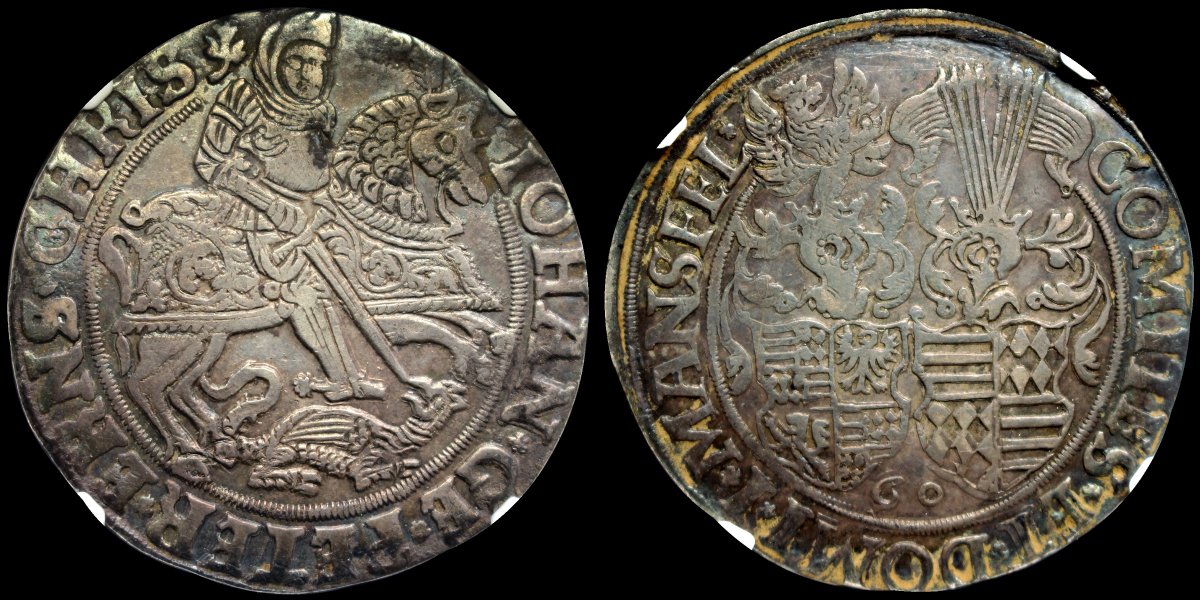 |
|
Pillar of the Community
United States
9395 Posts |
1559 -- Brandenburg, 3 pfennig: 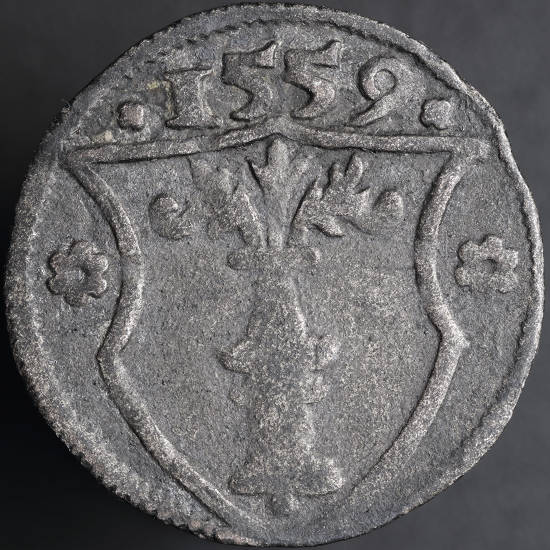 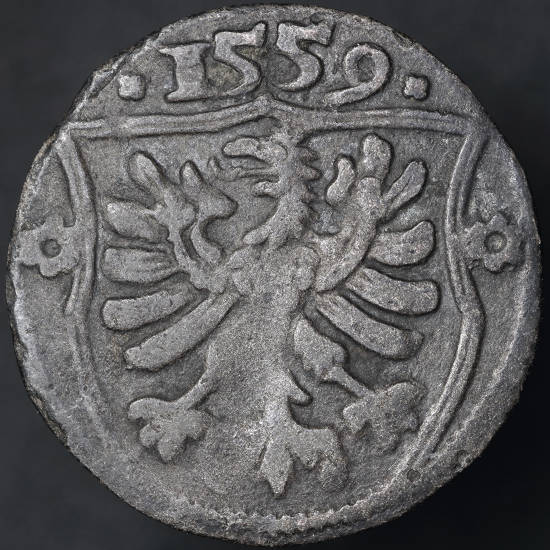 |
|
Valued Member
Norway
375 Posts |
Half groat Lithuania 1559 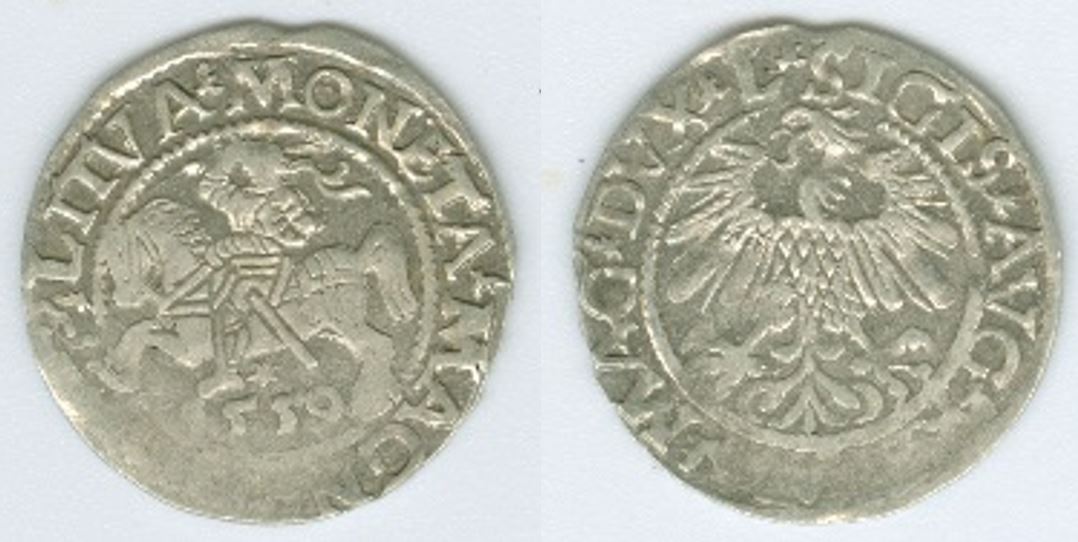 |
| |
Replies: 4,683 / Views: 276,171 |








 First Page
 Previous Page


 Posted 04/07/2018 8:45 pm


