| Author |
 Replies: 14 / Views: 1,199 Replies: 14 / Views: 1,199 |
|
|
Pillar of the Community
United States
3656 Posts |
|
|
|
|
Pillar of the Community
United States
2563 Posts |
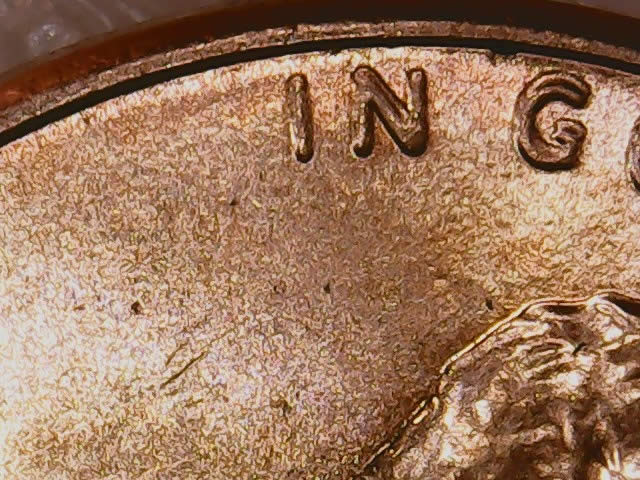
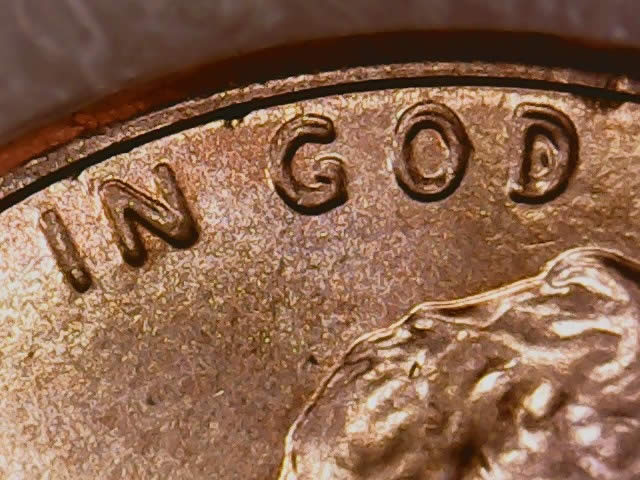
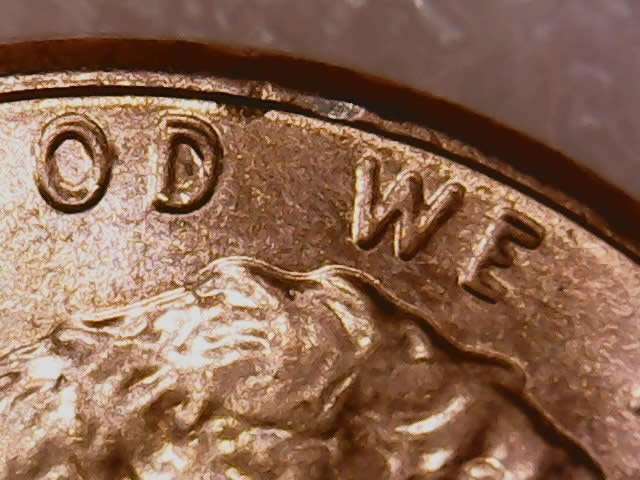
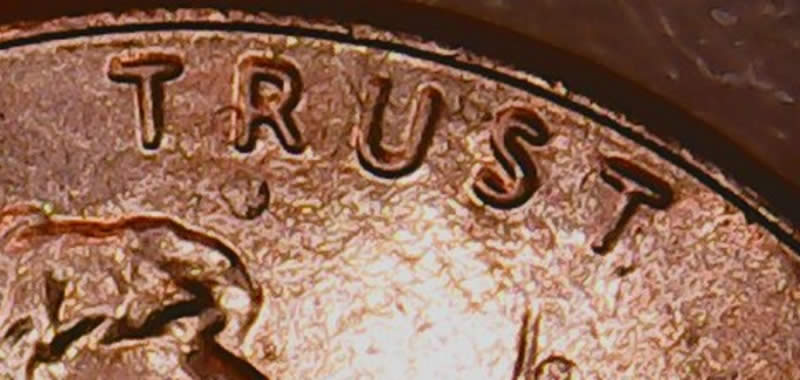
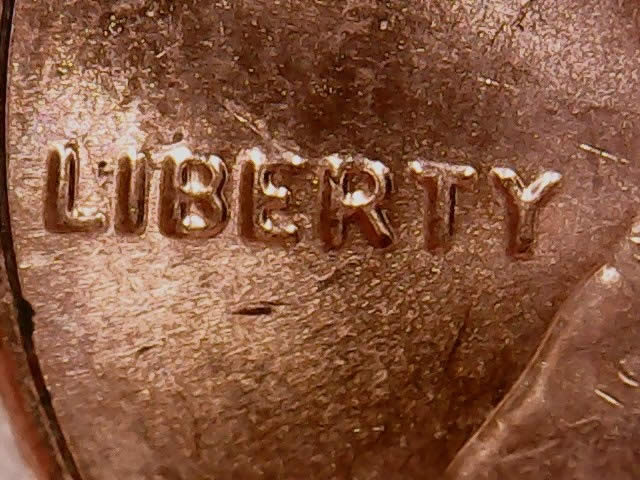
I'm interested in "God", but everything else looks like MD.
|
|
Moderator
 United States
56855 Posts |
Looks like worn die to me. John 1  |
|
Pillar of the Community
 United States
3656 Posts |
Thanks guys, nothing spectacular (which is Okay) it is so nice to have you all to help out.
|
|
Pillar of the Community
Canada
891 Posts |
 with CoinCollector2000.I think its still a keeper  |
|
Bedrock of the Community
United States
62064 Posts |
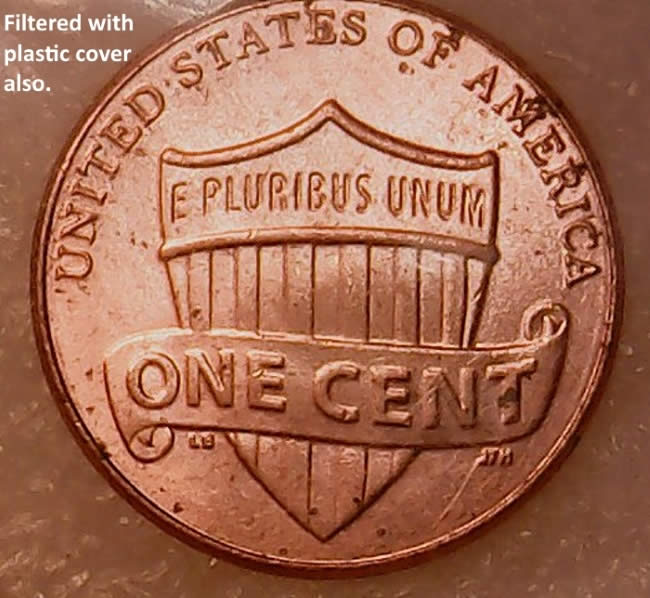
Note the affected areas with MD. Note that those areas are one color? That is because those areas that were contoured, are not flattened. Thus making them show the same color. Note the un-affected areas on those same devices? You can see the contour on those devices. The color fades from light to dark as it flows across the rounded surfaces. What is the first clue? On 'IN' you can see the MD there first, but it continues to get stronger on 'GOD'. If this were hub doubling is probably would be similar in strength, rather than dropping/increasing because of the different die movement. So this is not hub doubling, just varying machine damage on the devices. (which is common also) 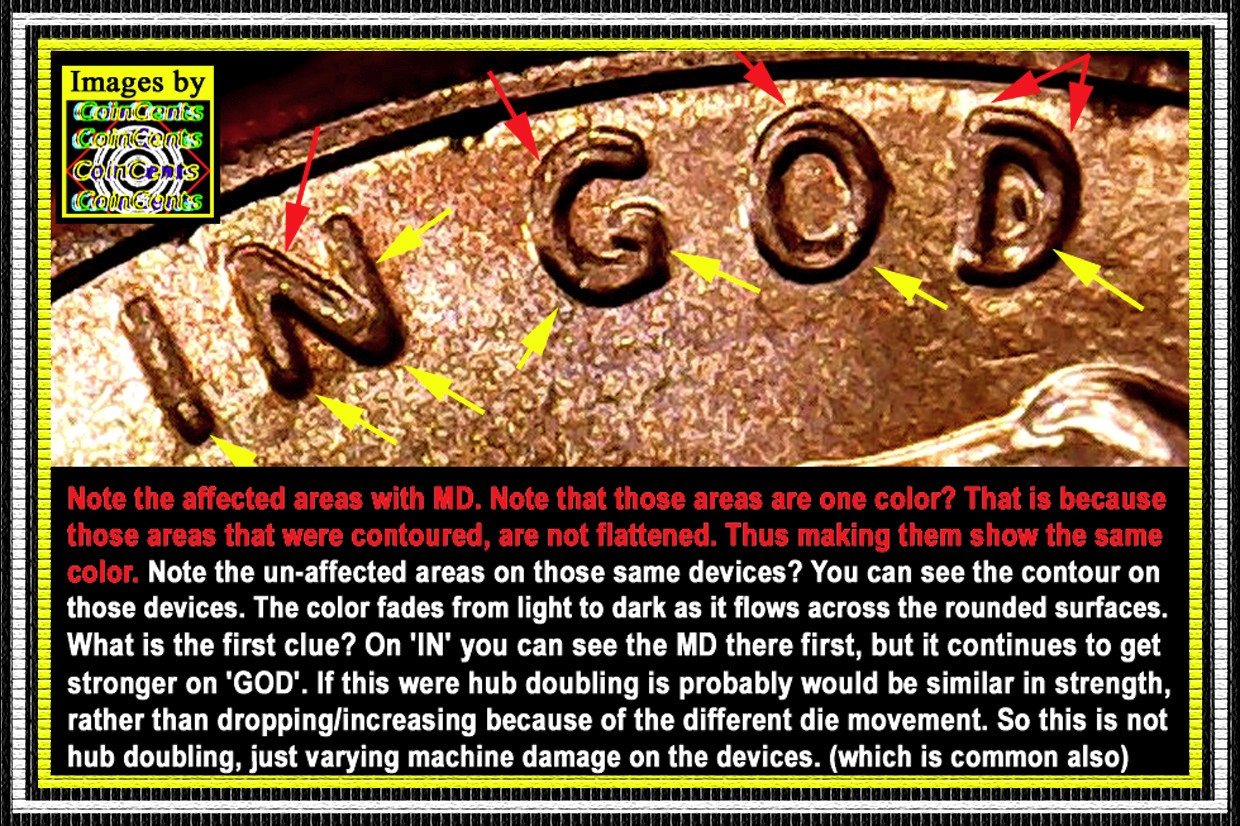 Edited by coop
01/12/2017 7:29 pm
|
|
Pillar of the Community
United States
3656 Posts |
Thanks coop you always explain things so well. I can see exactly what you are describing and it makes so much sense. Thanks for taking the time to write it all out for me and making the image of it all with details.
Thanks Mike - yes, I am actually going to save this one - it's not to often that I see such a strong case of MD that I can see it just using my loupe.
Edited by CoinCents
01/12/2017 7:34 pm
|
|
Rest in Peace
10197 Posts |
Coop, question. I had always thought that MD was indeedc"shelf-like" as seen here but with sharp edges, these seem more rounded like a DDO. Is this because of the newer machines being used. My reference is the older pre-1992 coins, where MD can be seen on both date and mintmark. Just wonderin', thanks |
|
Pillar of the Community
United States
3360 Posts |
It fooled me! I see GOD as being DDO. I suppose that there is some kind of theological problem with that?  |
|
Bedrock of the Community
United States
62064 Posts |
Going back to the cause of shelf doubling, it is caused by after the strike, the machine/dies move slightly and alter the new struck device damaging these devices. They get reduced like a kick in the shin leaving a flat shelf like affected area. These can vary according to how strong the bounce/movement/sliding/wrenching of the dies after the strike. It can vary from device to device like on your coin. it can be even larger: 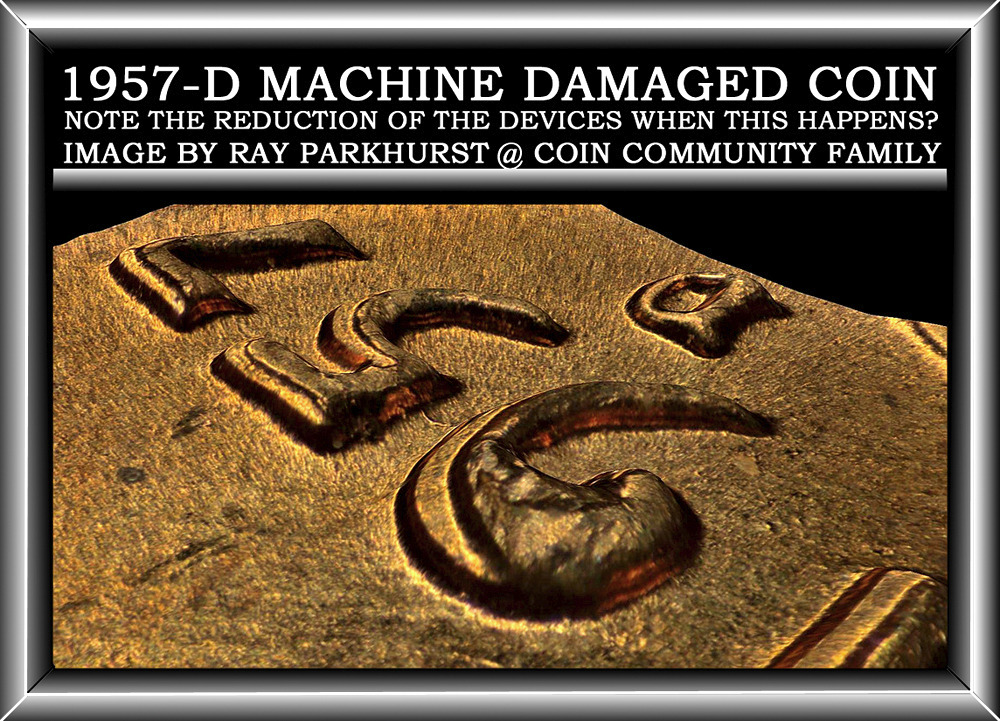 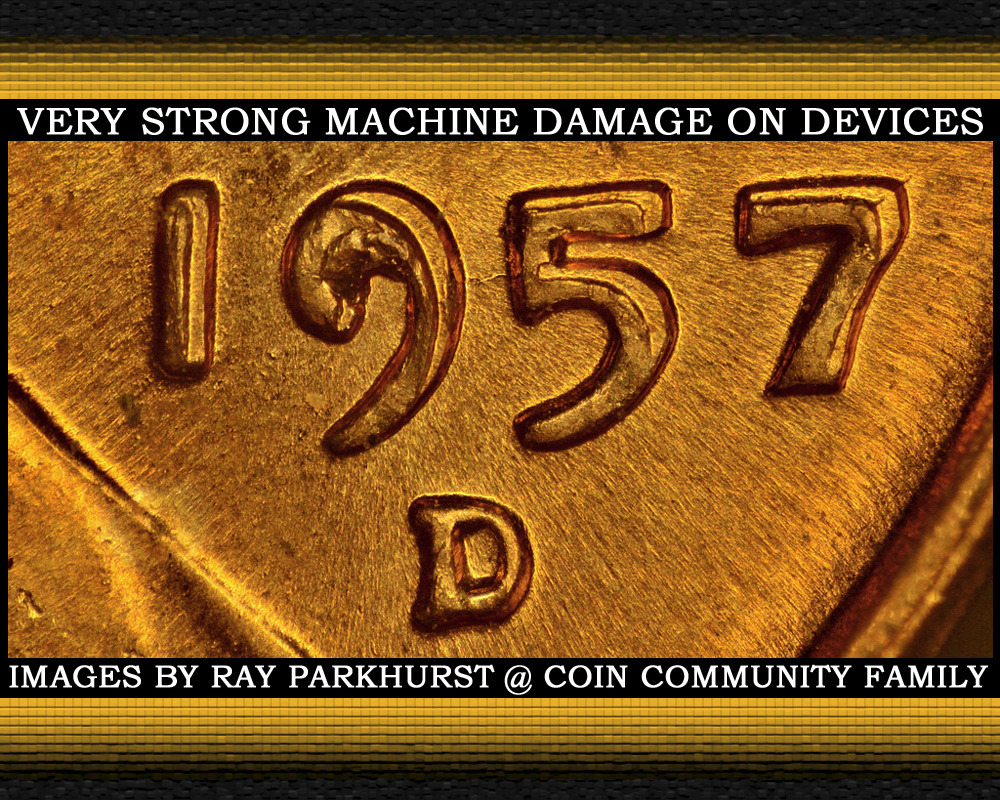 As to the question about different from the multi-hubbed dies and the single squeeze dies; the big difference between the two is the height of the profile? What does that mean? The devices on the multi-hubbed dies are deeper into the die, making them taller on the coin. Not just the letters, but also the bust, buildings, Eagles and ETC will be taller. On the single squeeze they are not as high as the previous dies. Thus when we see dies showing wear, the pattern/locations maybe the same, but the look is different. The single squeeze dies have a lower height. The Die Deterioration is more seen on the fields and not as much on the devices. On the multi hubbed examples we see the edge of the devices altered along with some on the fields. 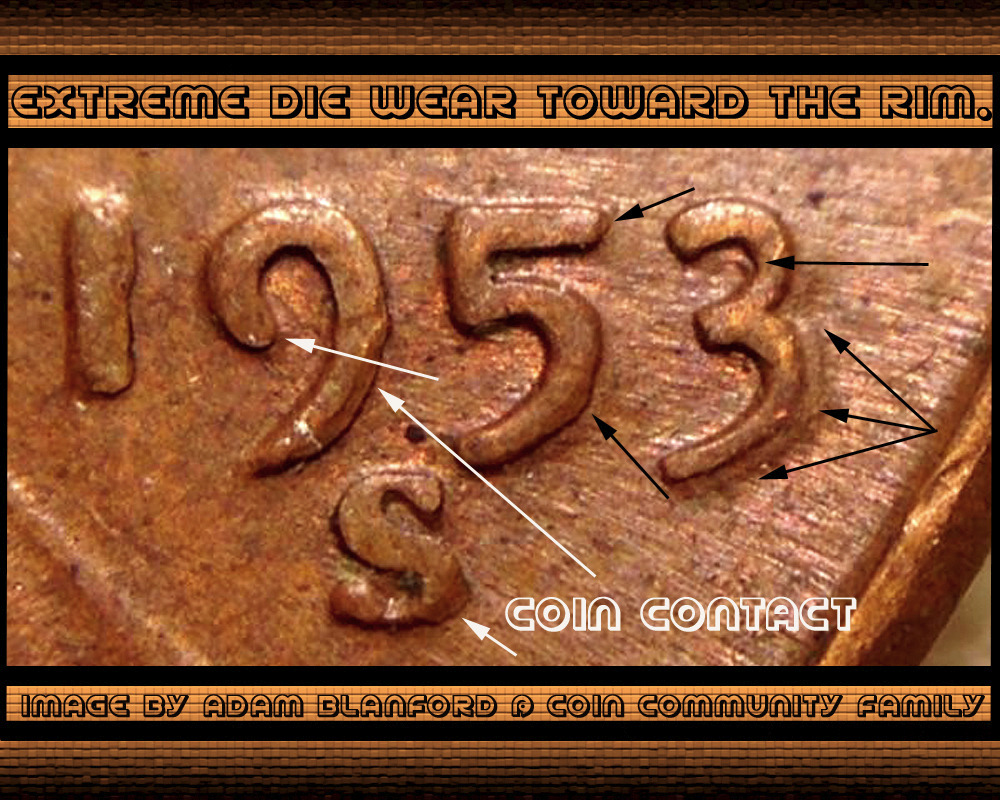 How the edge of the date digits are affected? Then compare with the with the single squeeze dies:  Note how the single squeeze dies don't show as much die wear on the edge of the devices, but more so on the fields of the coin? The beauty in the design of the multi-hubbed dies is the depth of the devices. Some of the proof coins are struck many times. Why? To enhance the design striking upwards on the coin. 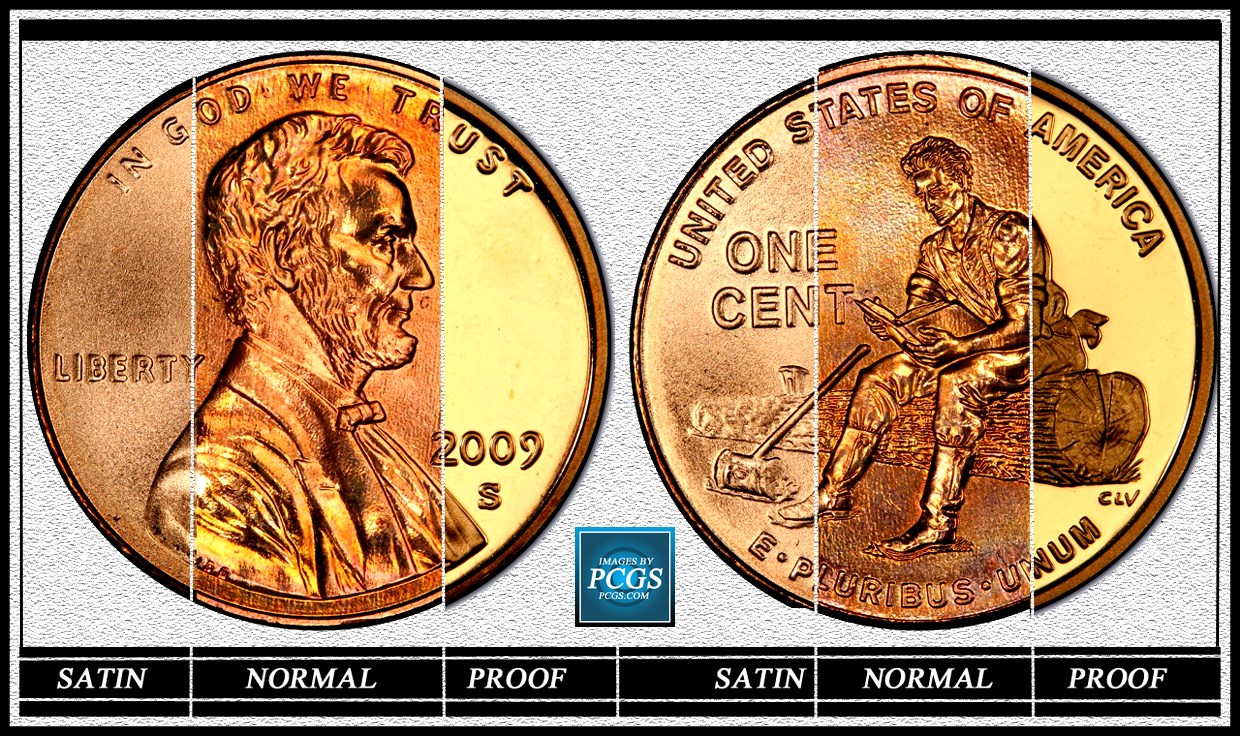 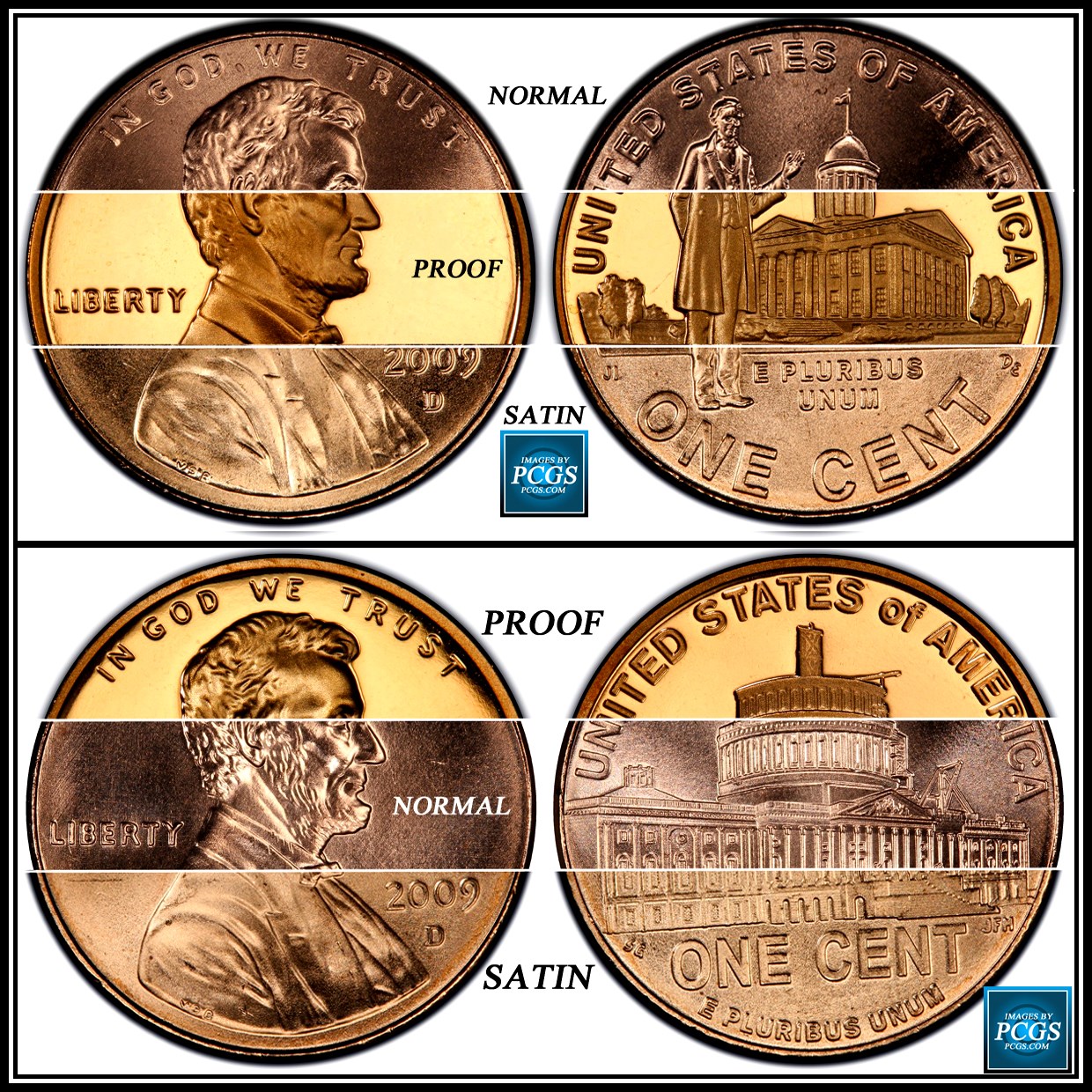 uploaded/coop/1971_nickel_normal_SBS_proof_AAA.jpg?i=0.803388220869699]/img] 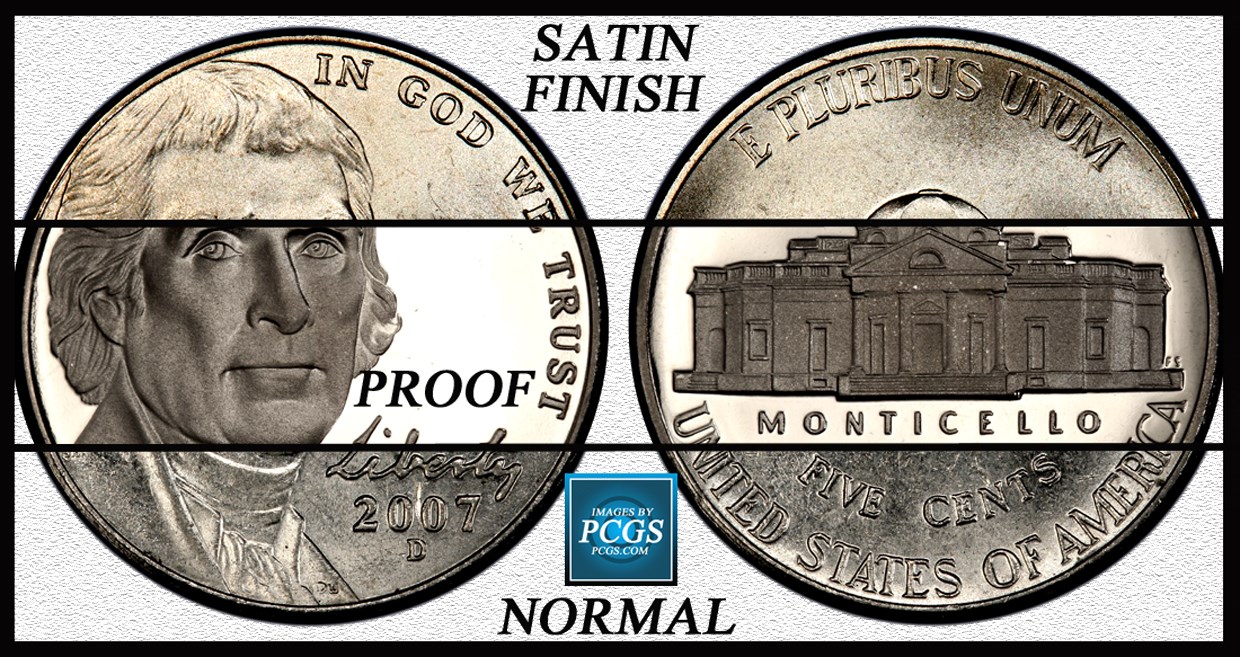 Note the proof examples has more definition? That is because they are struck on nicer planchets, better dies and struck more than once. So I hope I gave you some food for thought? |
|
Pillar of the Community
Canada
891 Posts |
well Thanks for the lesson Coop. Now if I can only retain 10 % of that
|
|
Pillar of the Community
United States
3656 Posts |
Mike, what I started doing after a couple months (knowing that I was not able to remember all the good stuff) I started saving the posts and images from the replies on to my computer. This way I can go back a re-read and retain more each time around. The written explanations on how these things occur (like coop, explains here) is priceless and at times way over my head. But by saving them I can keep learning from them without trying to find the correct post that it was on to go back to.
So many of our members know so much and me basically nothing. So I love the education I get along the way, because I relate it directly to the images and see what they are talking about.
|
|
Rest in Peace
10197 Posts |
Thank you Coop!  Quote:The single squeeze dies have a lower height. The Die Deterioration is more seen on the fields and not as much on the devices. On the multi hubbed examples we see the edge of the devices altered along with some on the fields. That's the answer to my question plus the other six courses of the meal! Wow, really explained it well. Was it somewhere around 1992 that the single-squeeze process was put into service? Thought I heard that was supposed to stop the DDO's since no more multiple hubbings. But yet there still are a few. |
|
Pillar of the Community
Canada
891 Posts |
Good idea CoinCents. Believe Me I re-read a lot of posts
|
|
Pillar of the Community
United States
2259 Posts |
My desktop is covered with icons of Coop's images so I can open them and compare to coins I find. It helps alot.
|
| |
Replies: 14 / Views: 1,199 |
|










 Posted 01/12/2017 6:05 pm





