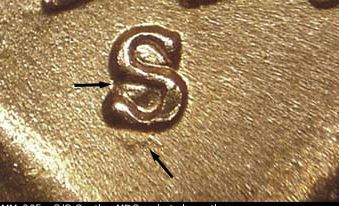
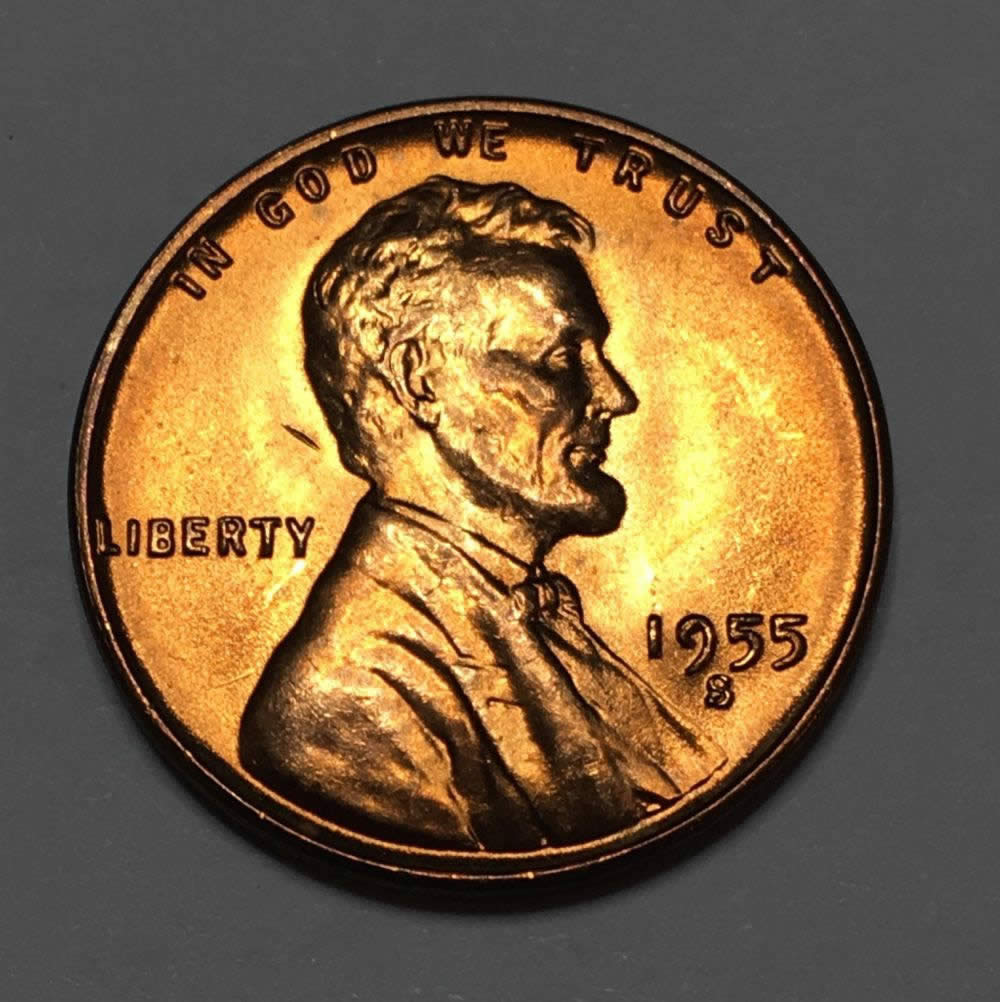
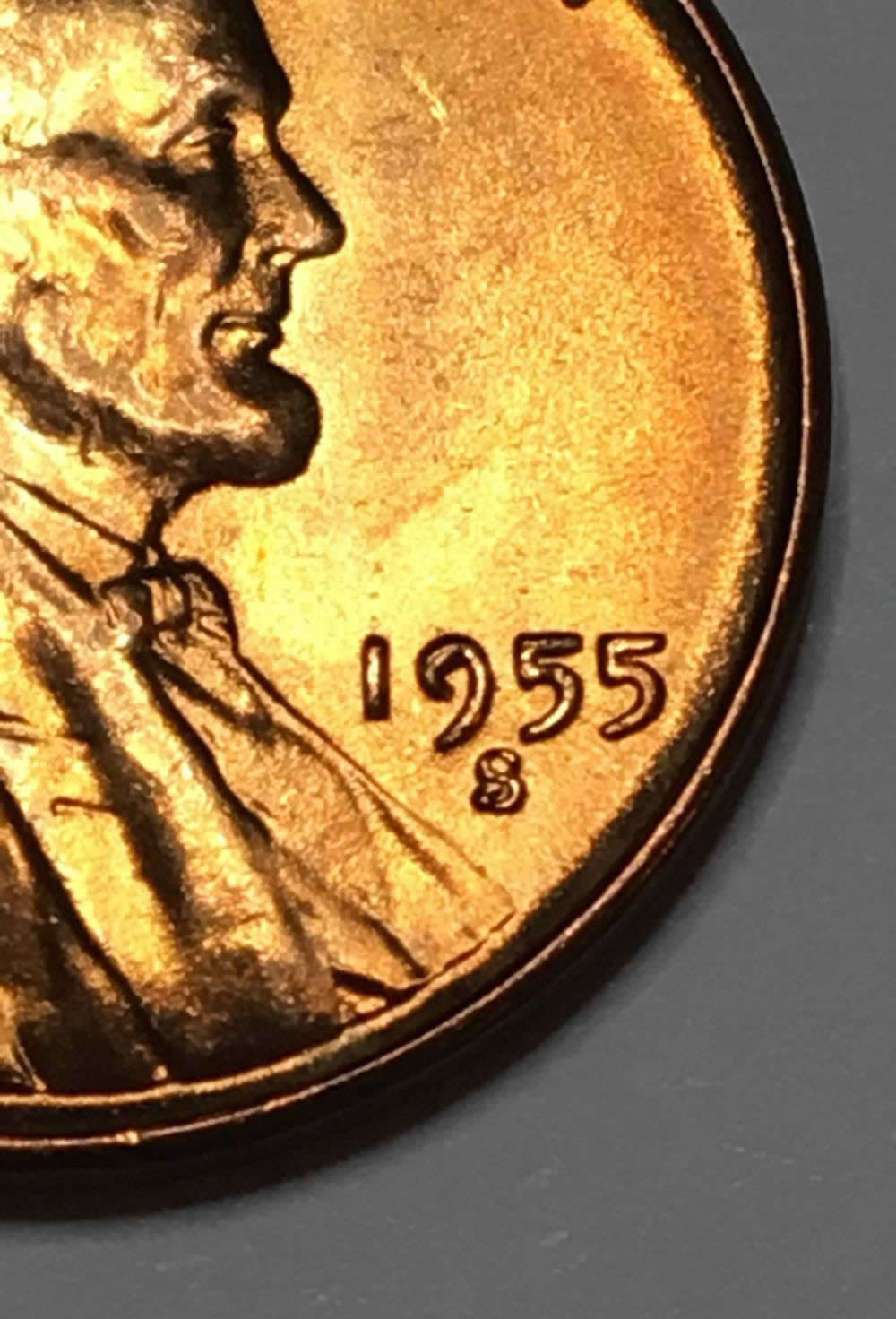
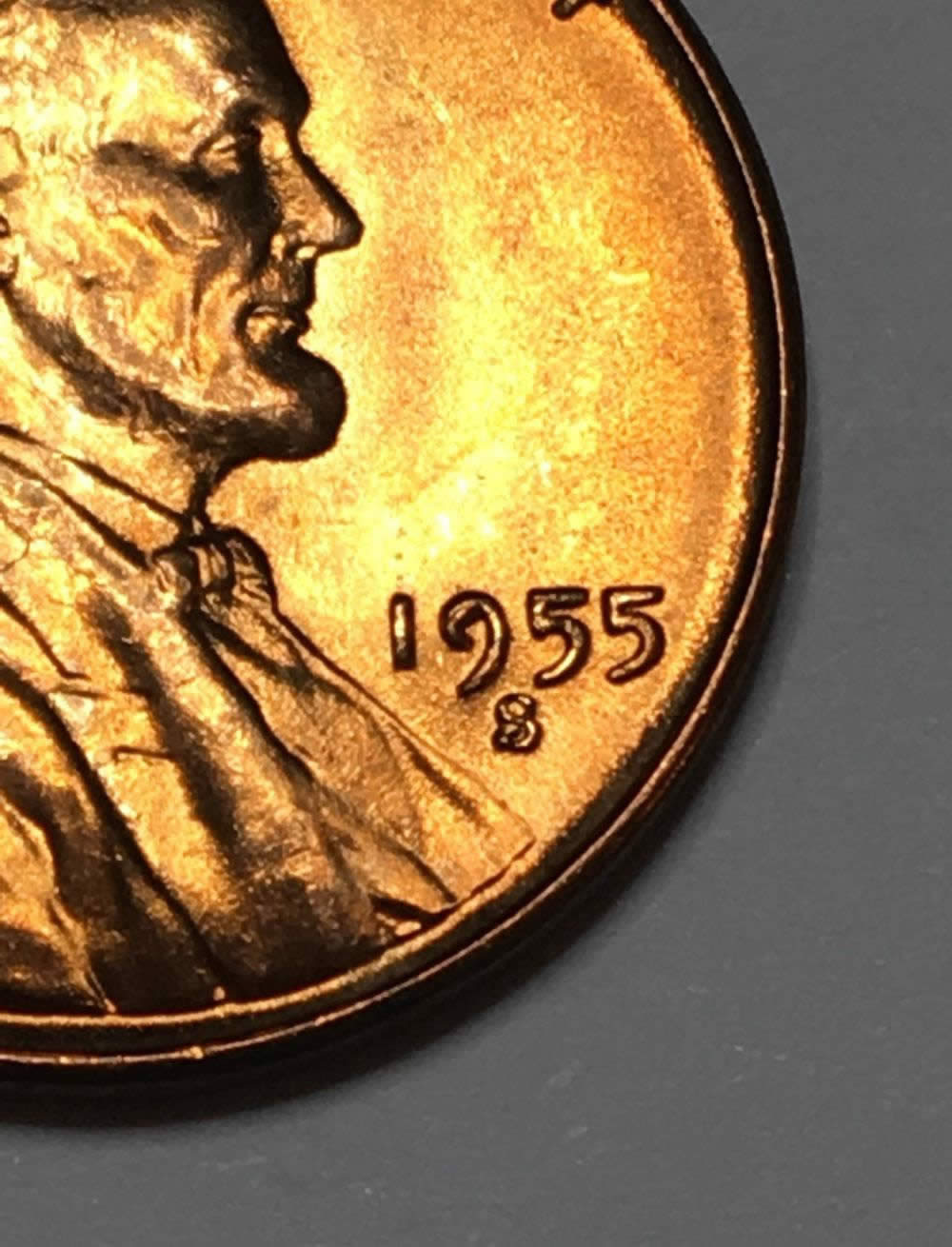
Ross Son: The area with the arrow is showing the RPM punching below the cross bar, Not that area is in a straight line. Because it is a RPM south it is possible to have been punched a second time with a damaged punch and slight showing a spread from a miss punch from a different punching event. They punch the mint mark punch until the desired depth is achieved. (So some mint marks are stronger or light because of not having the same depth of punching. What the RPM is showing is called a spread between punches. Here is a classic one for that year:
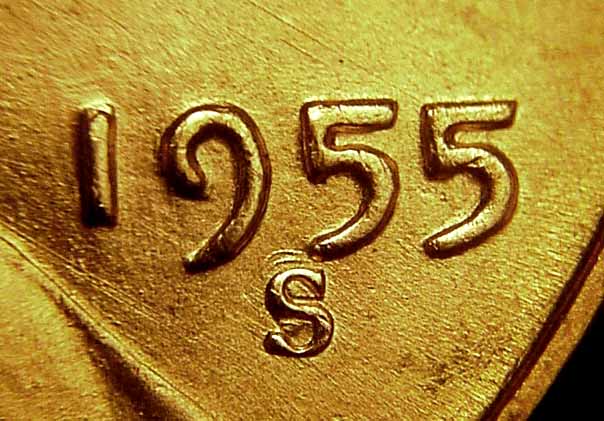
Note the closeness of the punch to date. They felt it was to close. So they kept trying until it reached the lower area. So you can see how they punch the mint mark into the die sinking into the field. This leaves a raised area on the coins. But they have to tap it hard when they get to the right depth.
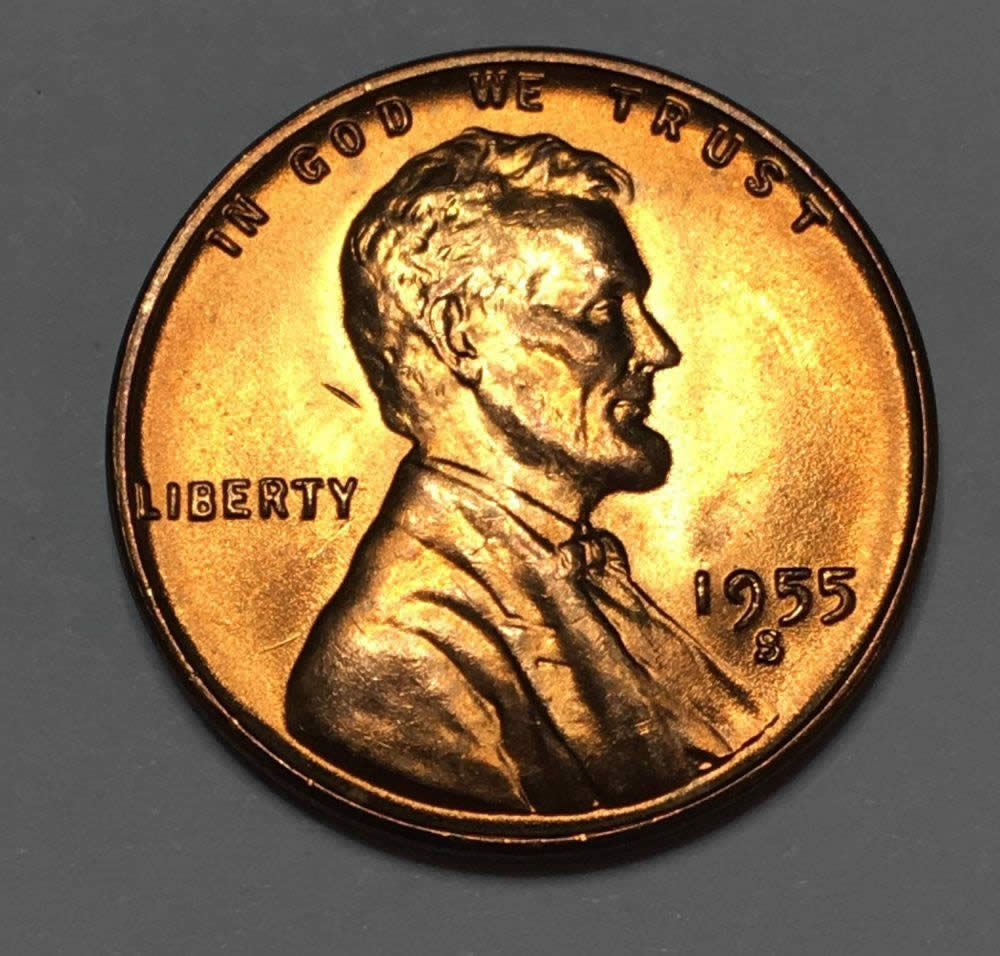
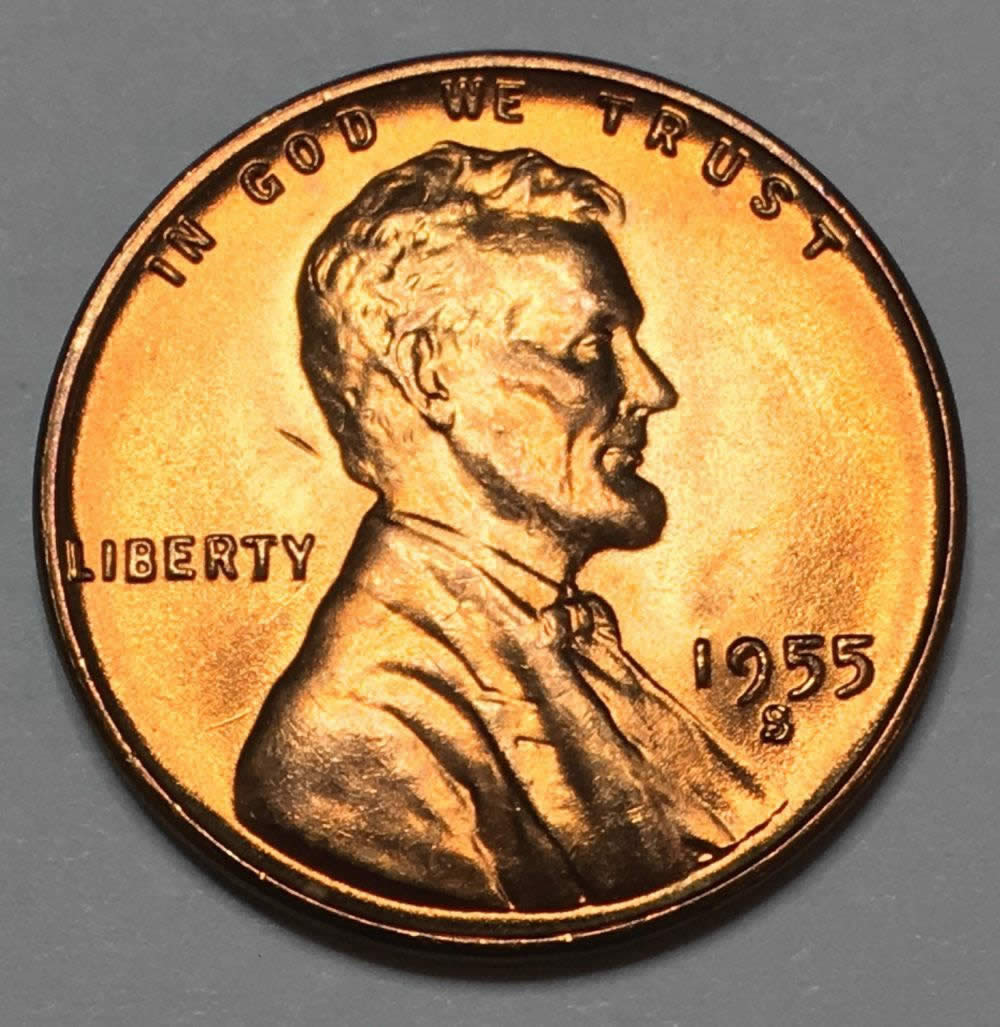
piercethegrimes: On the 9 on the date, that was cause by the date field crumbling away from the device. This is common to find on the 1950's wheat cents as they over used the dies past retirement. (squeezing every cent it could from them) When this happens thing go down hill fast for the dies. All the different
Die Deterioration we note during that time keep coin collectors busy trying to define what happen during that time. LOL So it not the same issue as the mint mark punch issue. The die is first created, and then the mint mark is added to the 'D' and 'S' mints dies.
Edited by coop
01/20/2017 11:13 am












 Posted 01/19/2017 4:06 pm