Thanks to all for the replies.
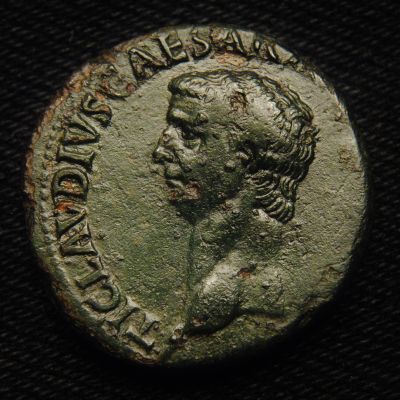
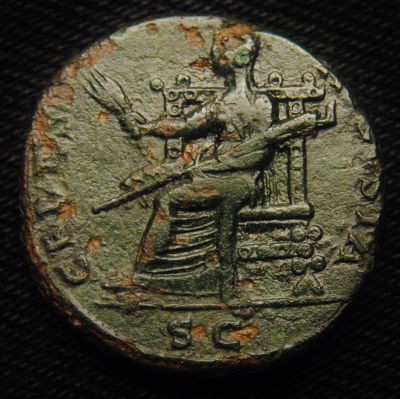
I do wonder if perhaps this coin is an as rather than a dupondius? If so, it would only be about a gram light. The Ceres design was intended to only be a dupondius, but I suppose it would not have been difficult to put the wrong flan on the anvil. I am still up in the air on this one:
Concerns:
- Close (but not perfect) die match to documented fake on FORVM
- Extremely light weight
- Relief seems to drop too low between the eye and the nose. Likewise, something seems funny about the ear.
- Several small cracks in the flan, most prominently at about 1:00 on the first picture.
- The portrait does seem unusually good compared to the reverse and obverse legends.
Reassurances:
- Patina looks to be genuine, even if somewhat smoothed on the obverse
- Fine details in the letters match the Wildwinds example more closely than the one on the fake reports.
- Facial expression also matches the Wildwinds example better than the fake report, and the wear on the portrait probably preclude it being made from the same dies as the fake. It is not a high value coin, so it seems unlikely that a counterfeiter would go to such trouble to simulate moderate circulation.
- Damage to the reverse seems in line with aggressively treated bronze disease, which can explain why parts are well preserved and others ruined.
- 100% positive feedback seller that offers lifetime authenticity guarantee.
- Definitely not the notorious Bulgarian fake of the same type.
And since I am not familiar with the signs, where are you guys seeing evidence of tooling?










 Posted 01/25/2017 6:27 pm


 w echizento on that.