Die Deterioration is a natural process the die goes through while striking coins. It is like a metal part on a motor that wears out after a long usage or life. Dies experience that also. But die abrasion is totally different
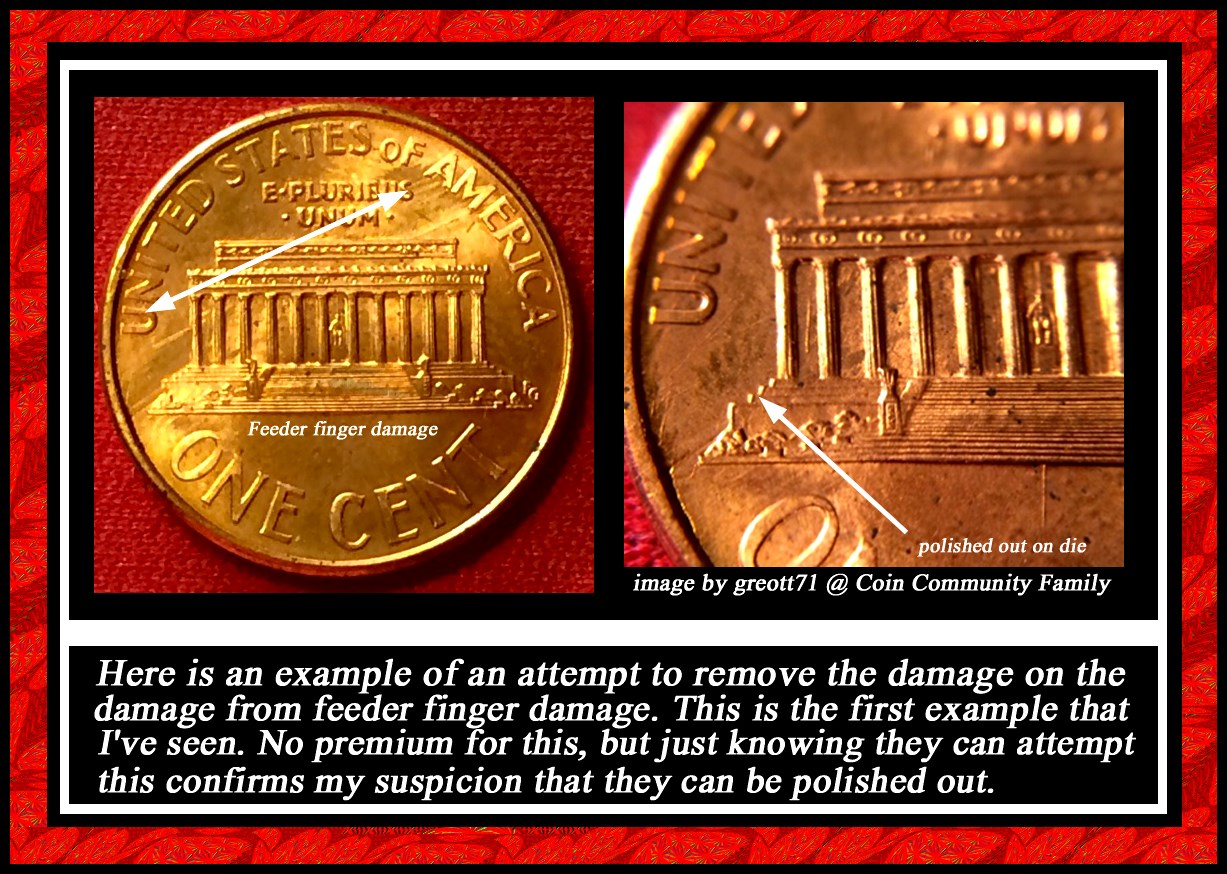
Die Deterioration. The difference is that the die suffered from an event (die clash, die damage from striking the collar, striking feeder fingers, being dropped or suffer field gouges during handing) So after those events, the die is touched up a bit by polishing. But after a few times this abrasion shows on the coins struck. How? By thinner devices, altered shapes of the devices, missing devices, roof lines missing, neck and initials can be found missing on the coin struck because of these events that needed to be fixed/touched up a bit to continue with the dies life.
So how do I recognize this?Die abrasion happens because
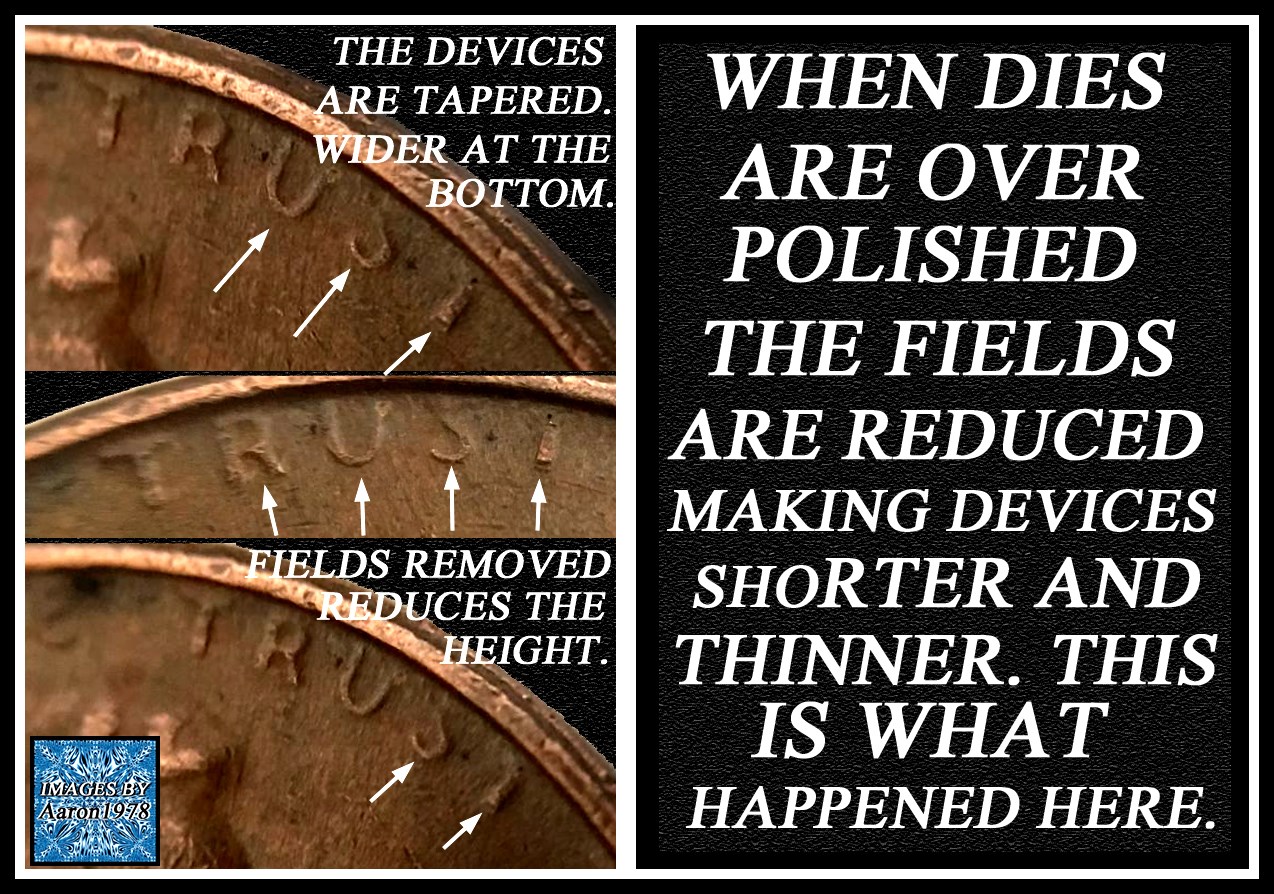
the field was so polished off the die that the incuse devices are reduced in height.
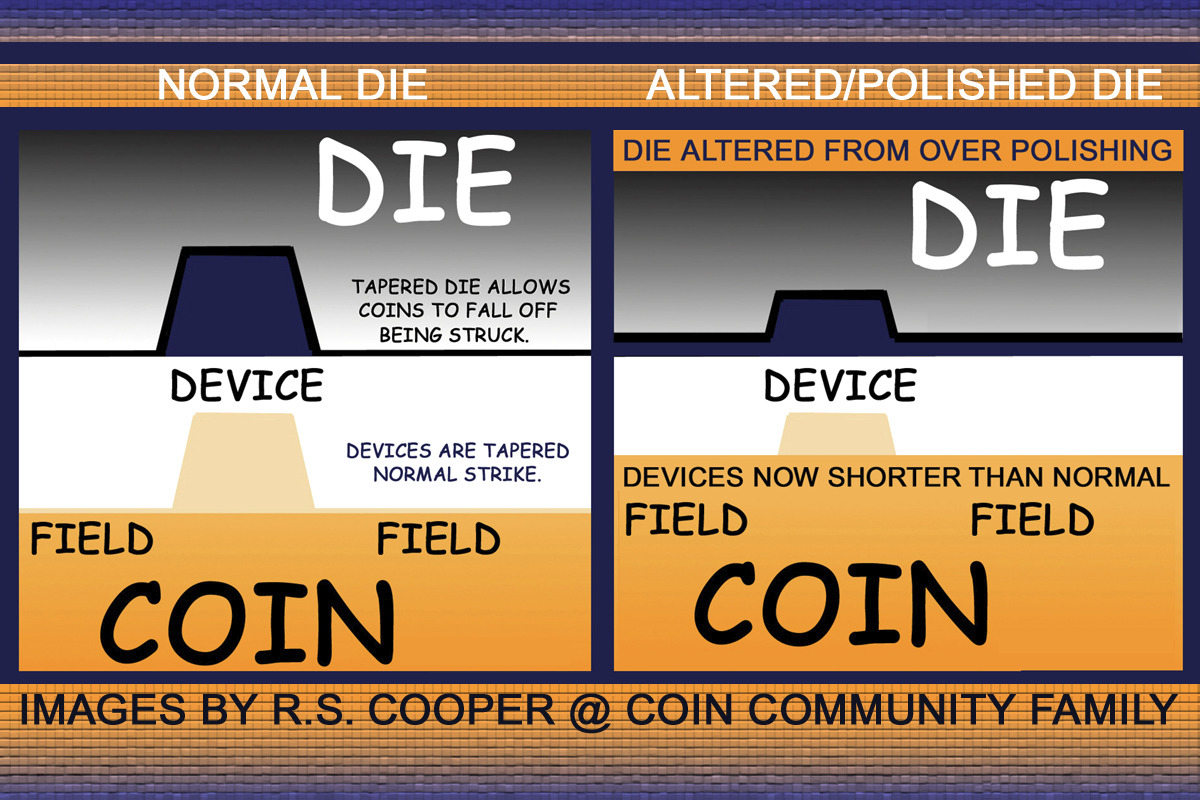
So when this die polishing happens, it removes some/part of the devices
height and width on the coins struck by that die.
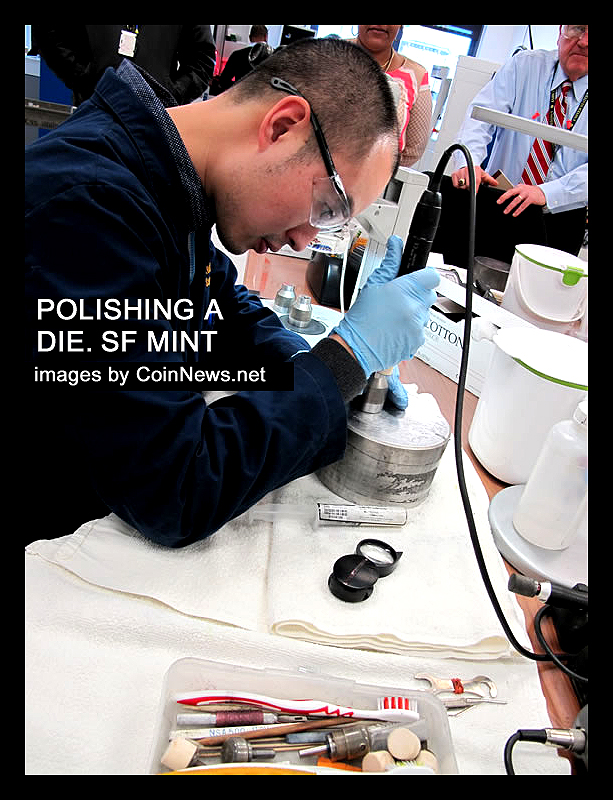
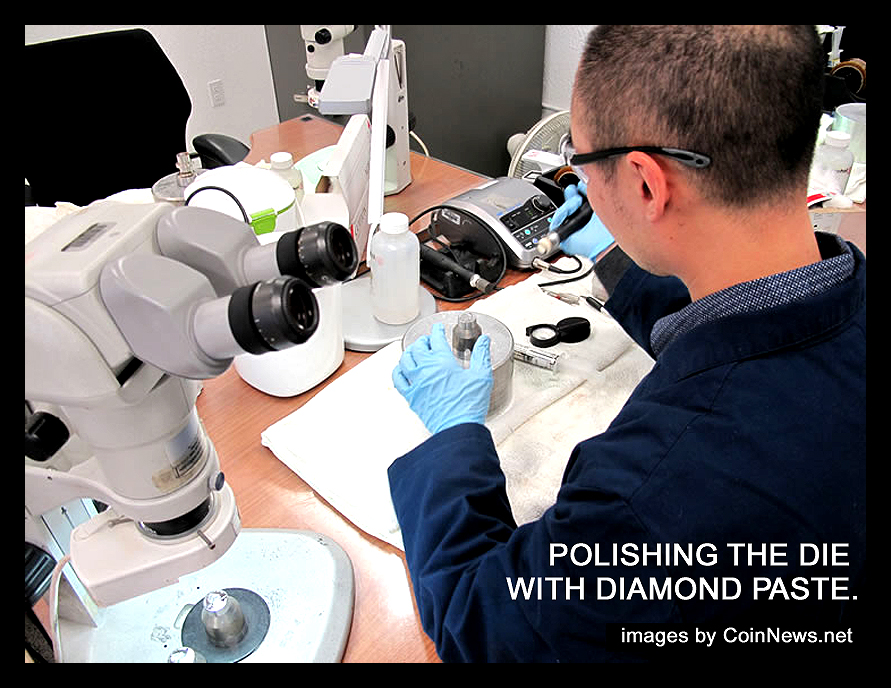
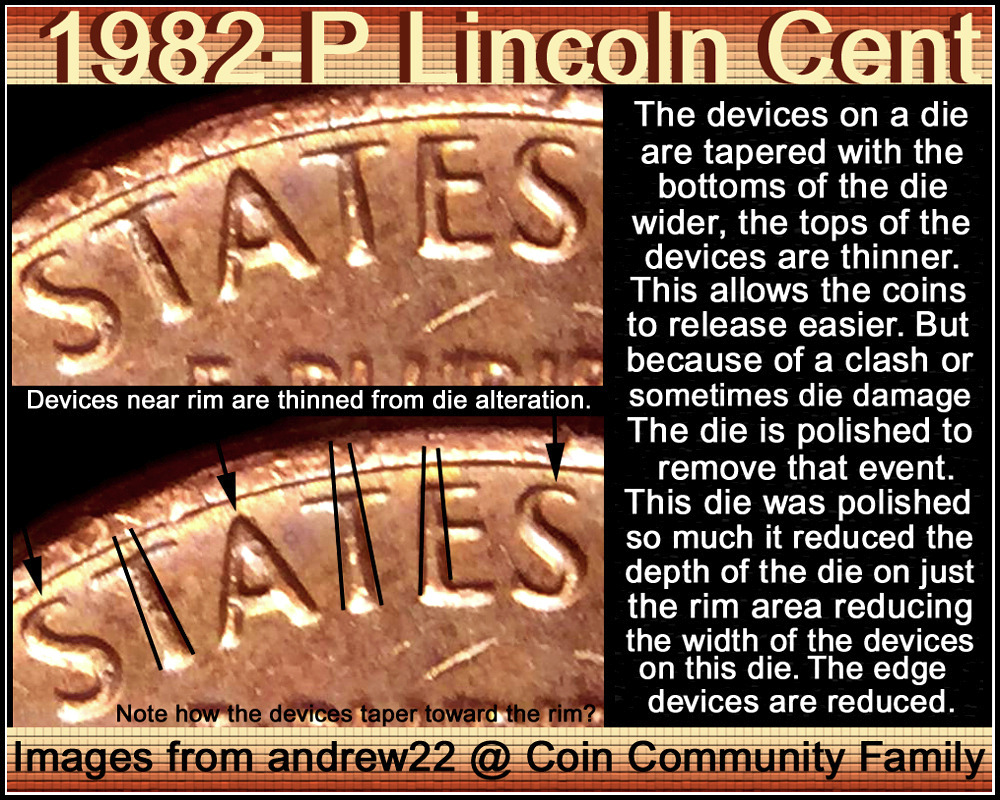
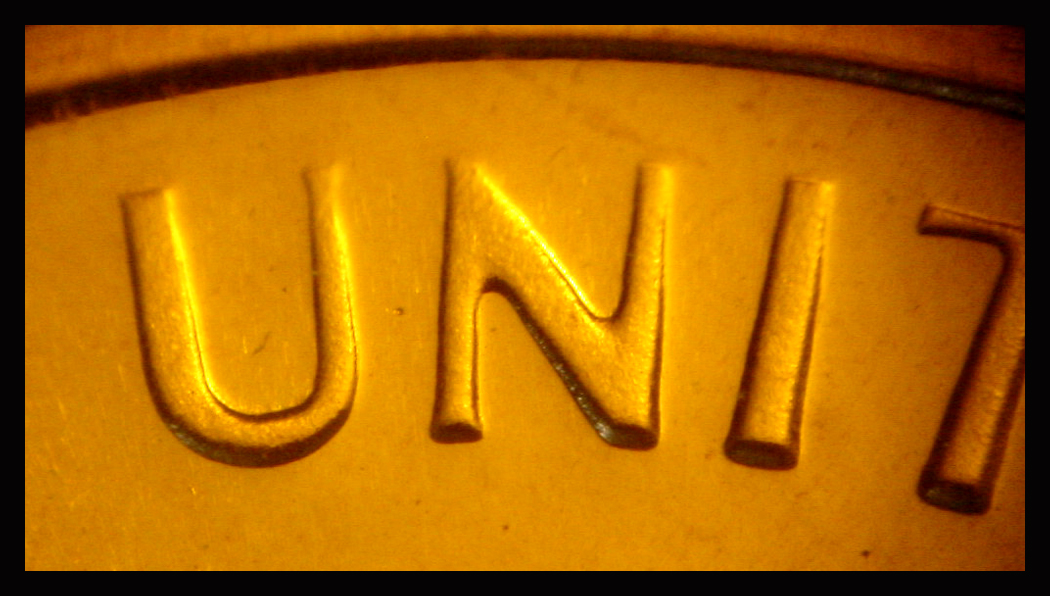
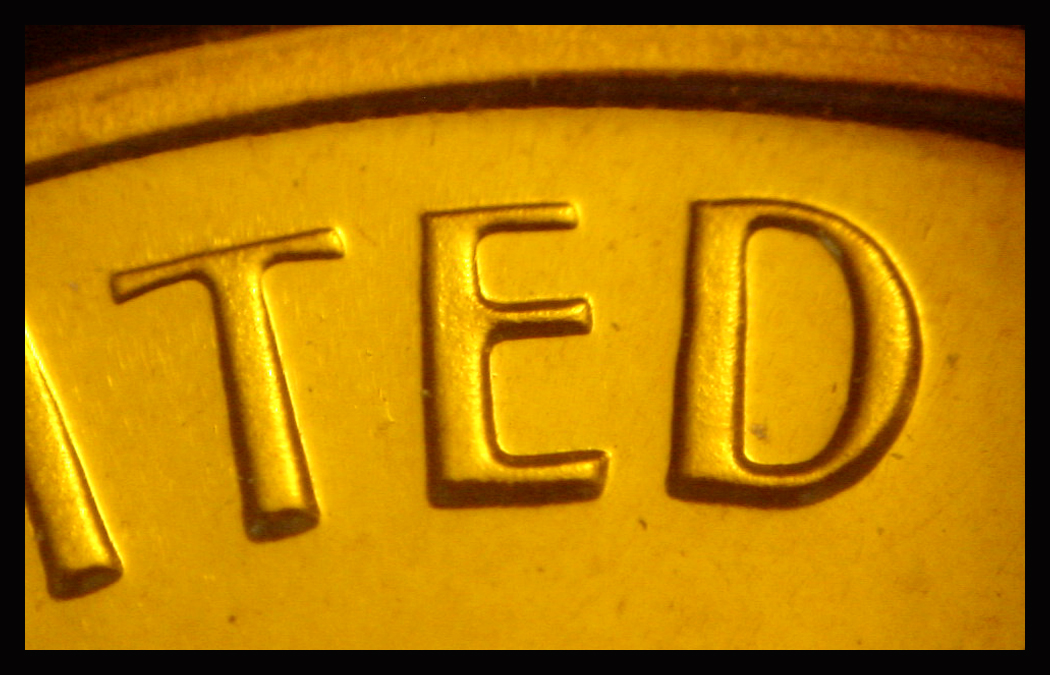
Because of this abrasion, sometimes we
can see this a bit different when the devices are thinner than the base of the devices:
On the 1922-D cents, some dies were over polished and a lot of detail was missing. Why would they do that? They were only given so many dies and they had to complete the filled number for that year. So when events happened, the had to be polished in order to continue. A lot of coins that year were weak looking that year because of the polishing.
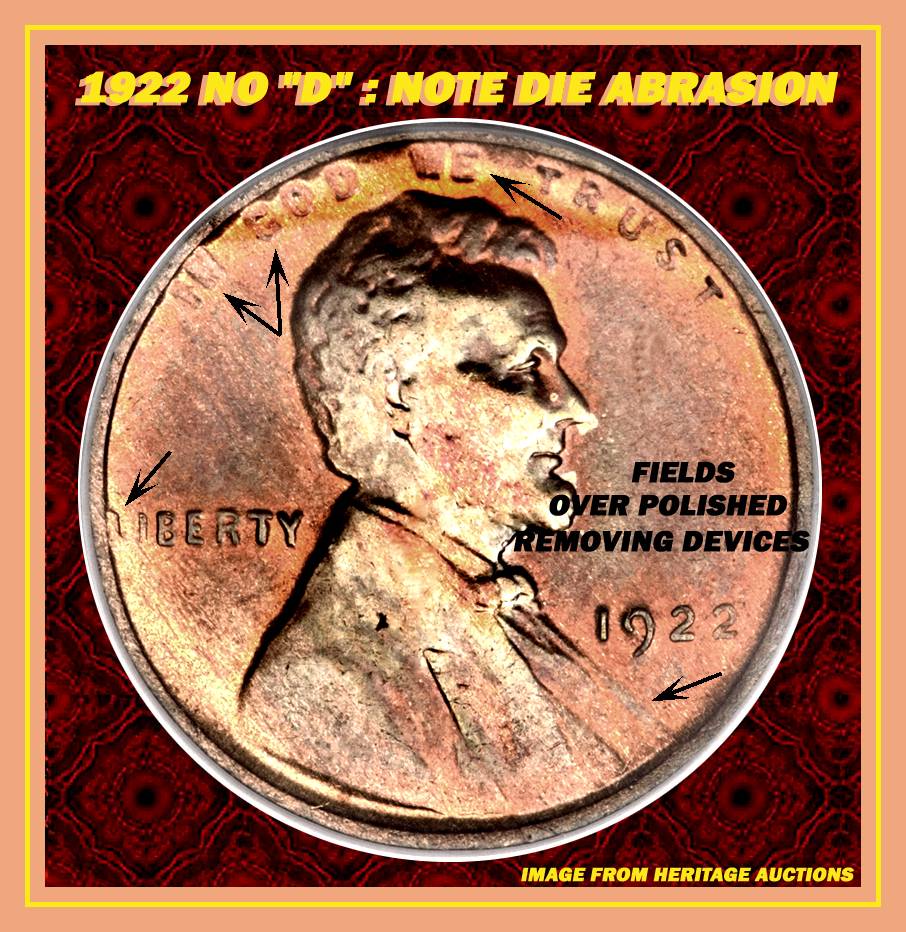
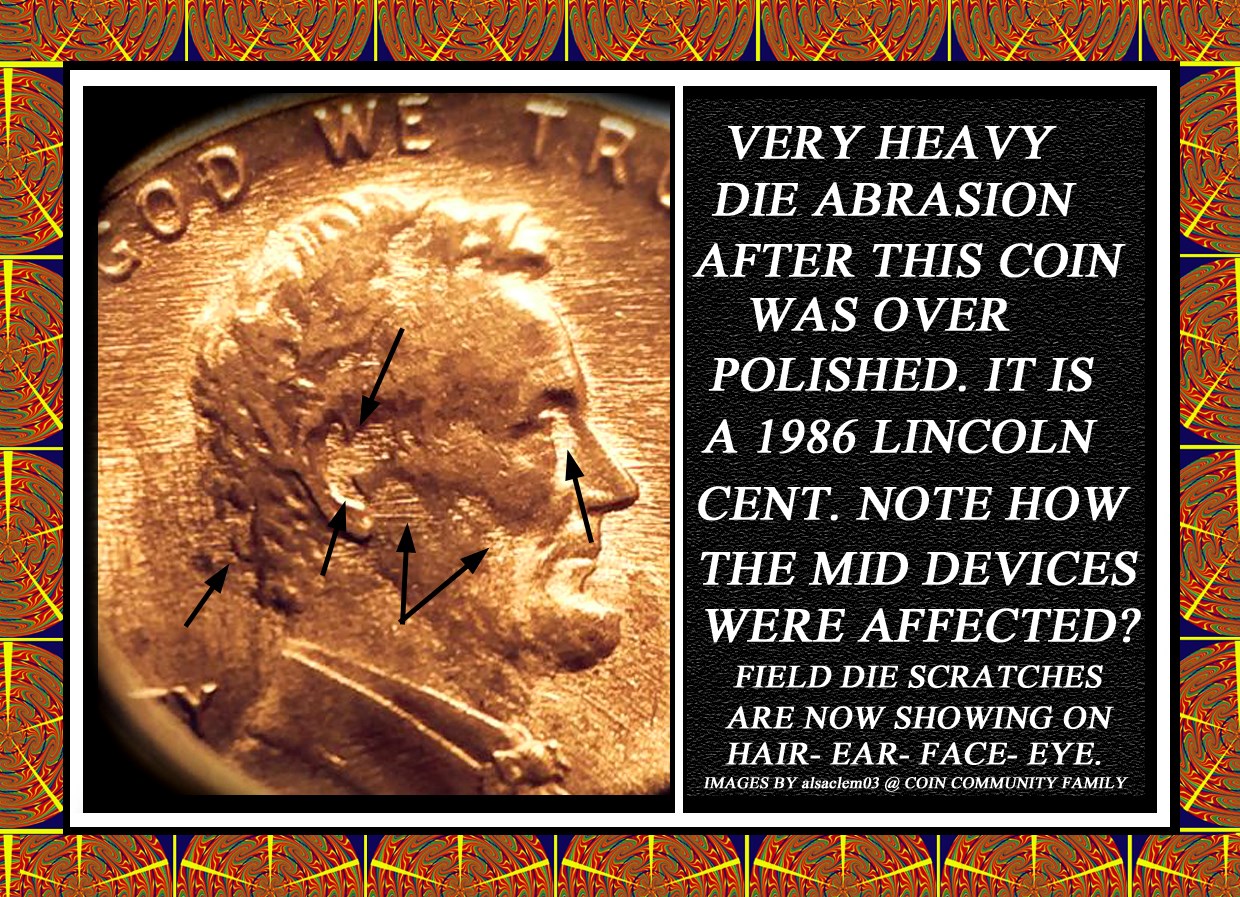
Sometimes they over polished the bust and the mid depth devices are altered.
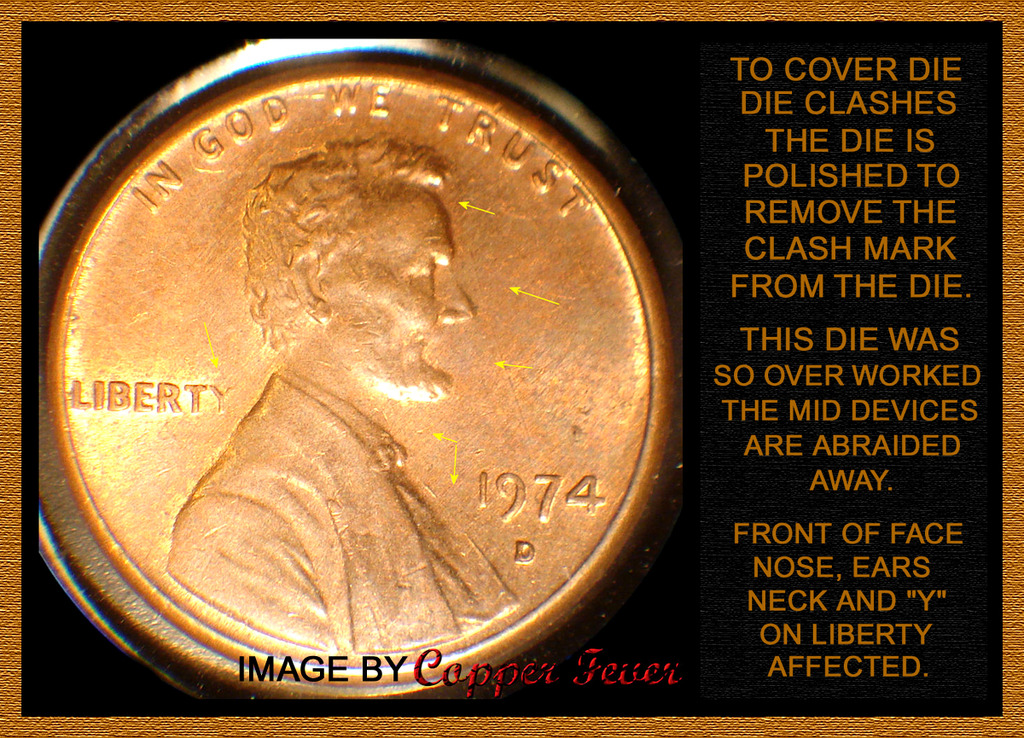
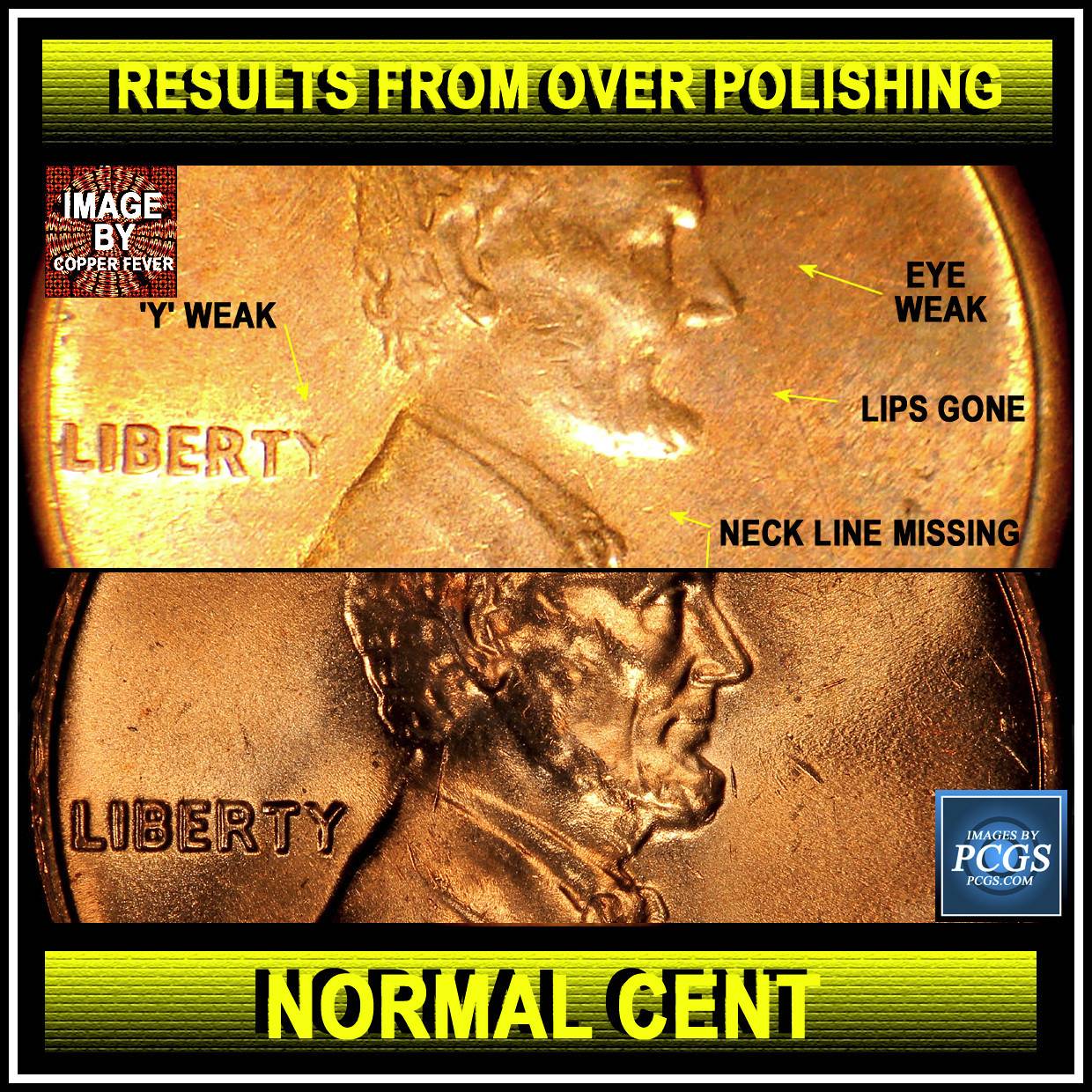
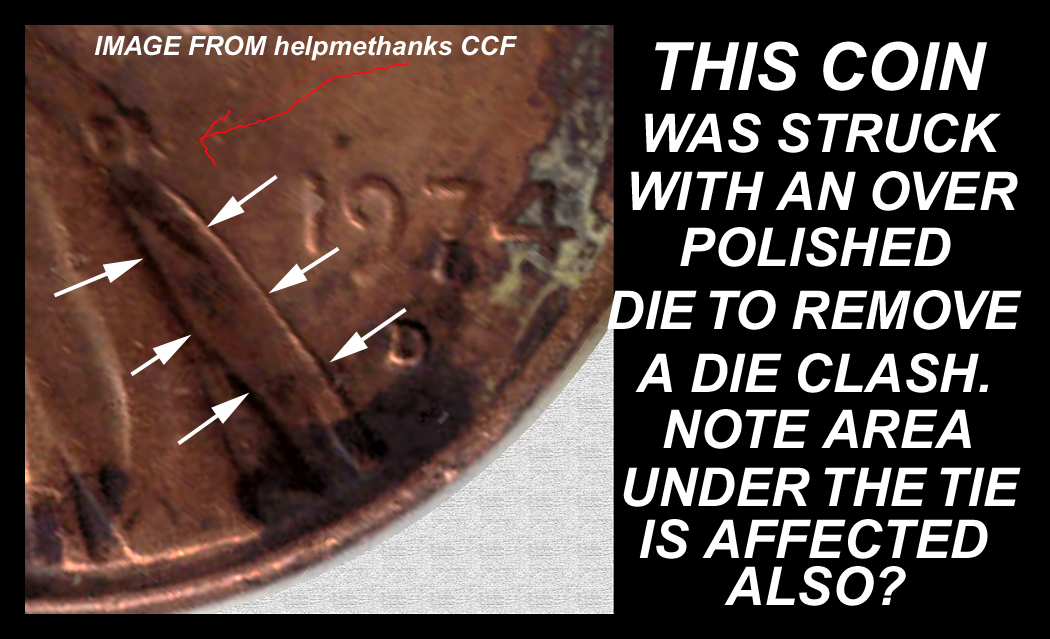
This was probably done to cover a clash that was very strong.
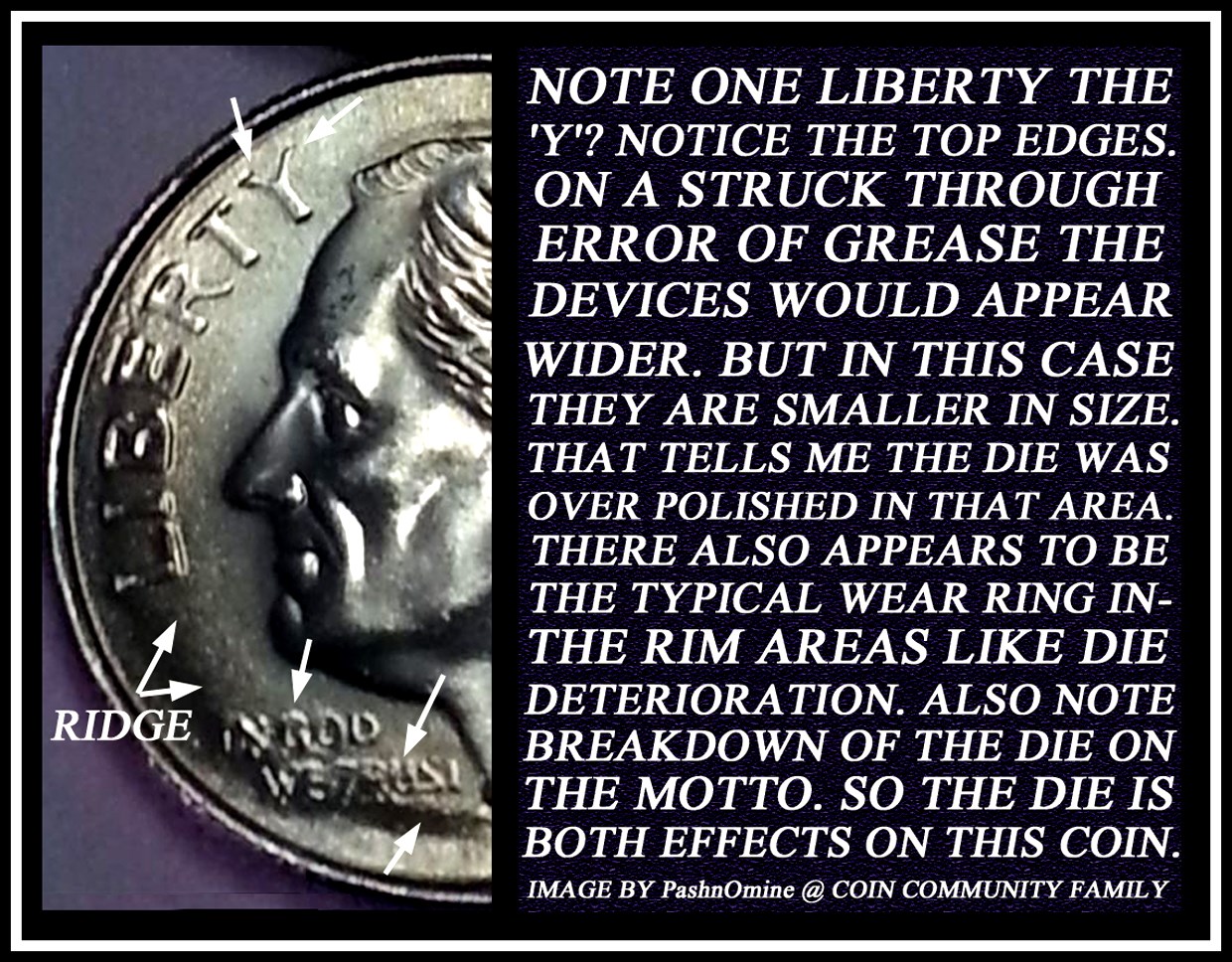
Other areas also show this type of abrasion when this happens:
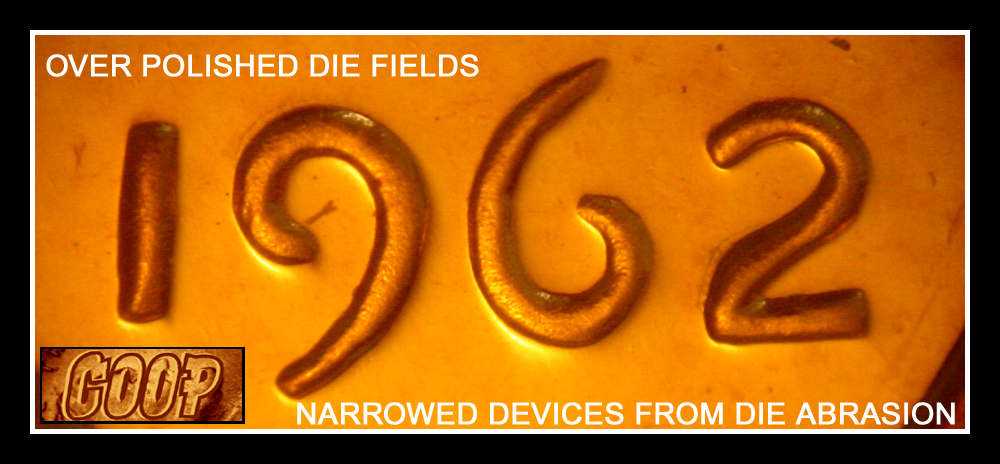
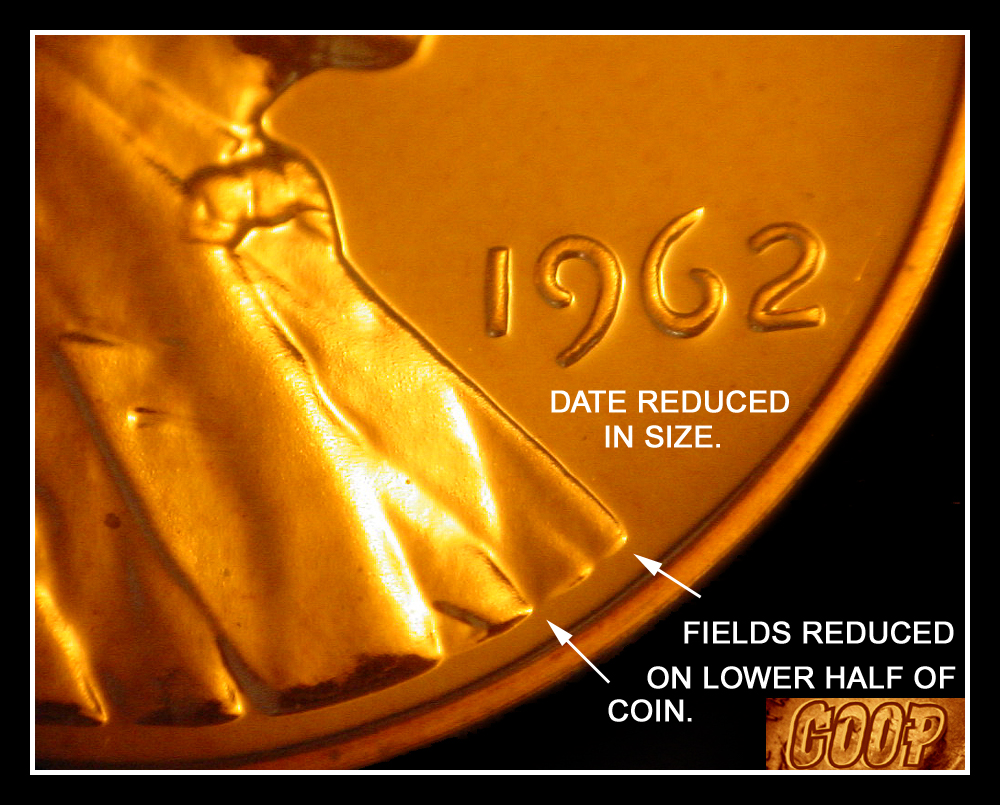
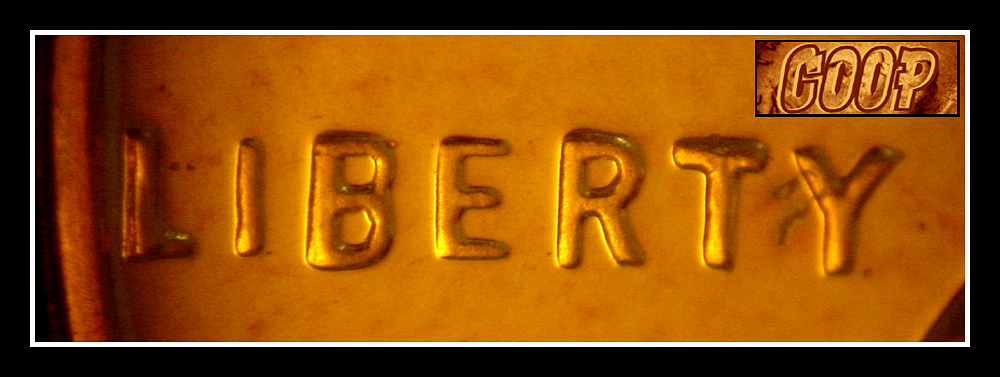
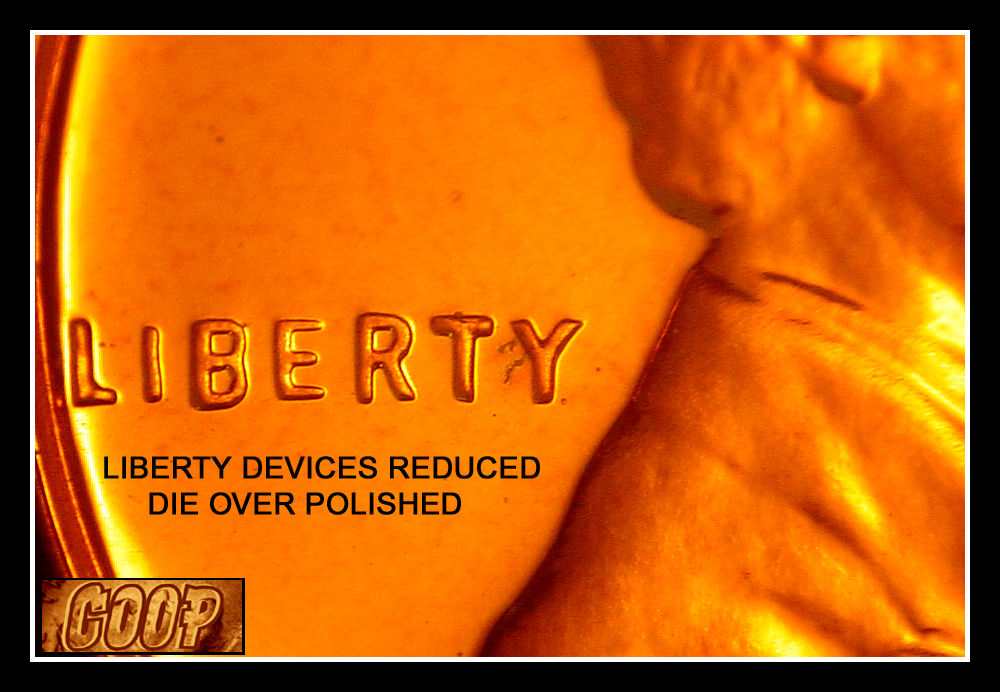
Reverses also affected:
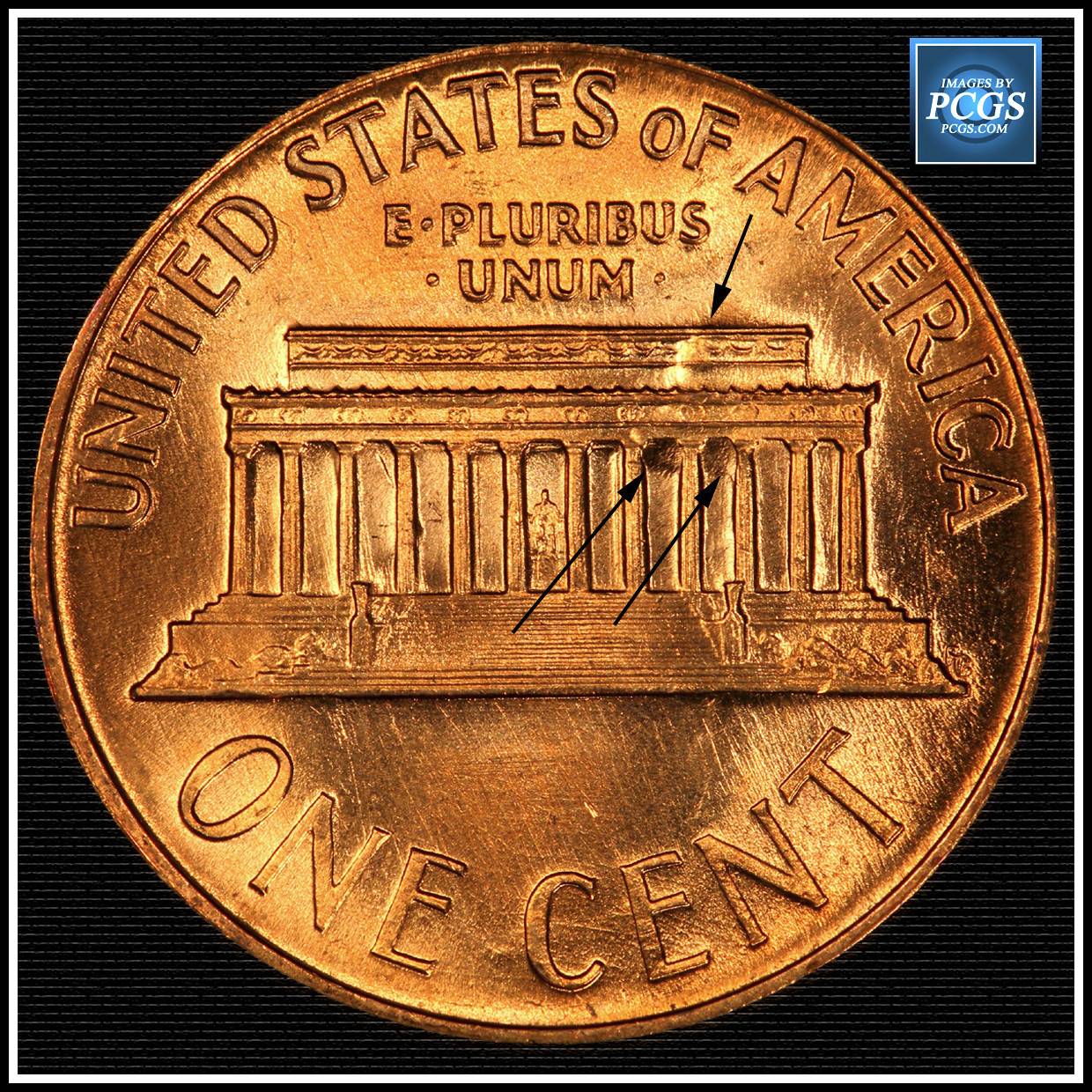
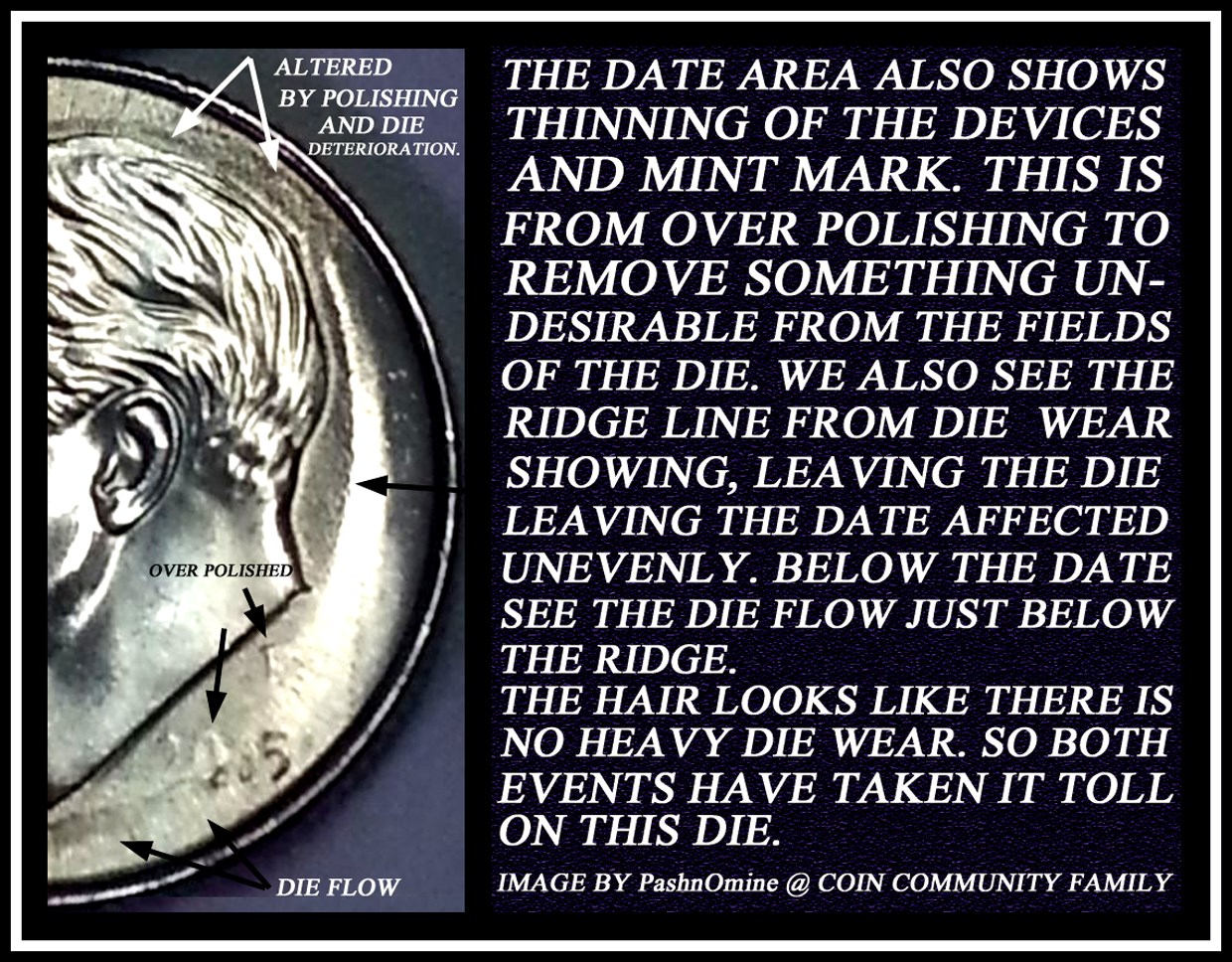
Obverse date and coat area affected:
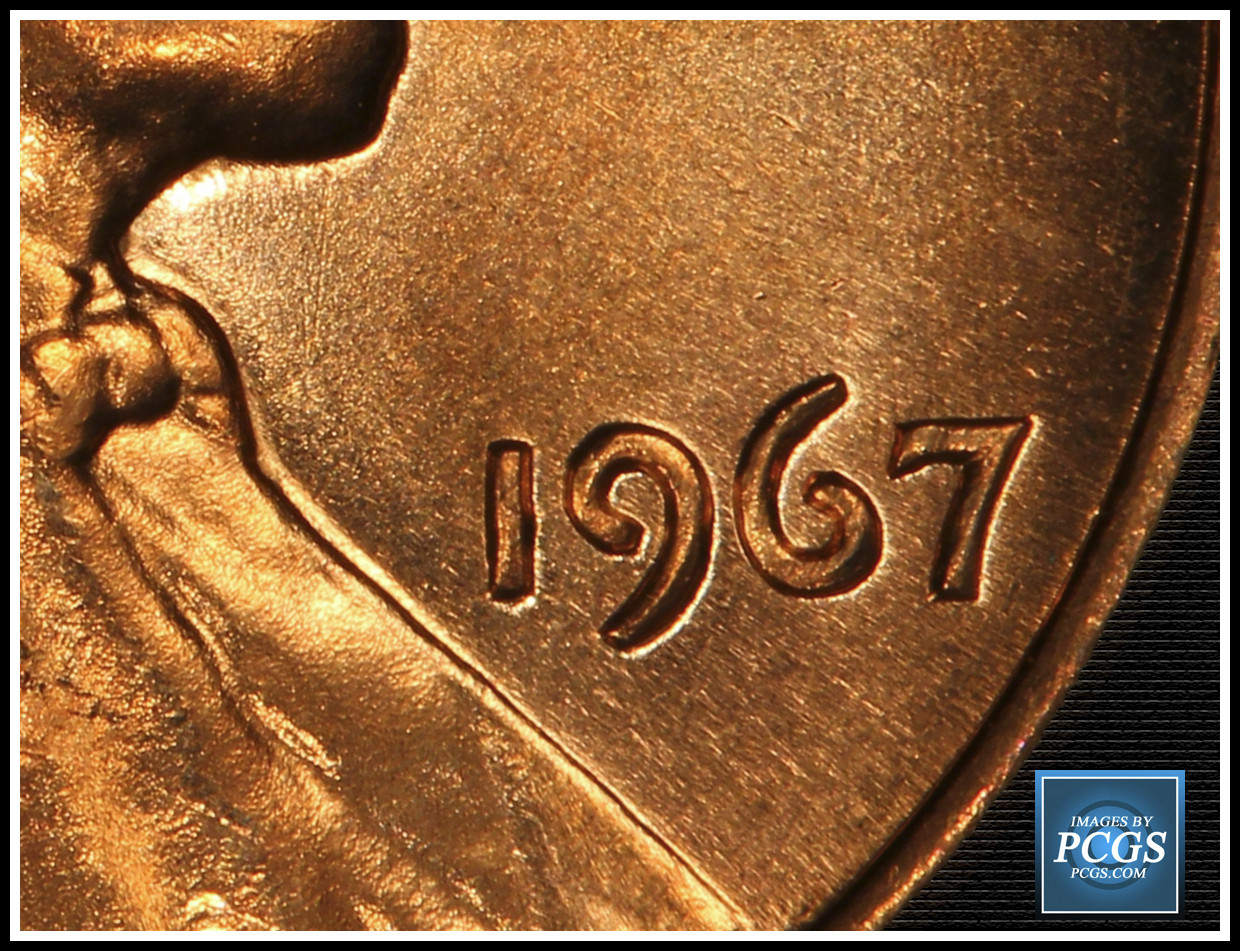
Normal coin:
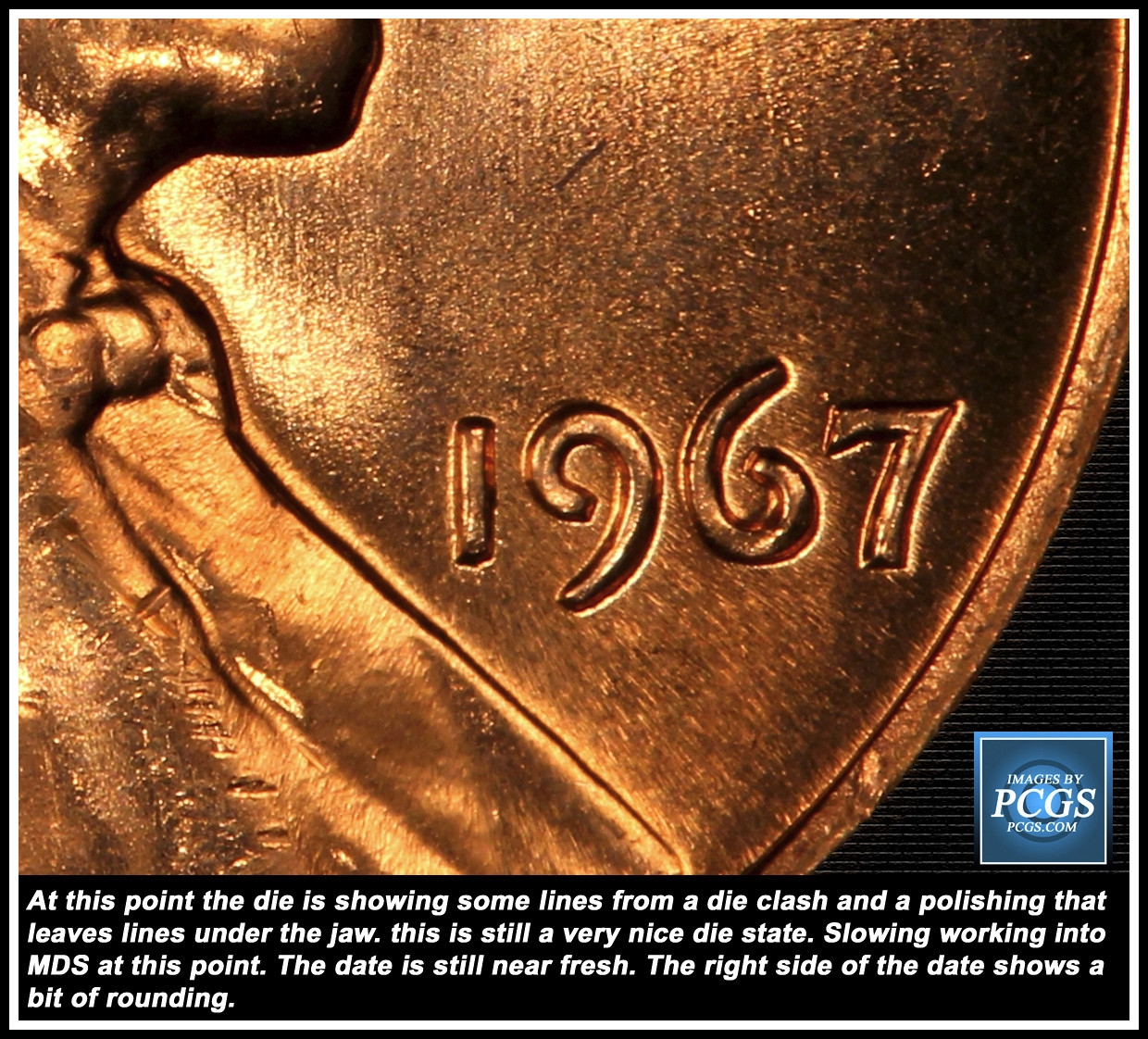
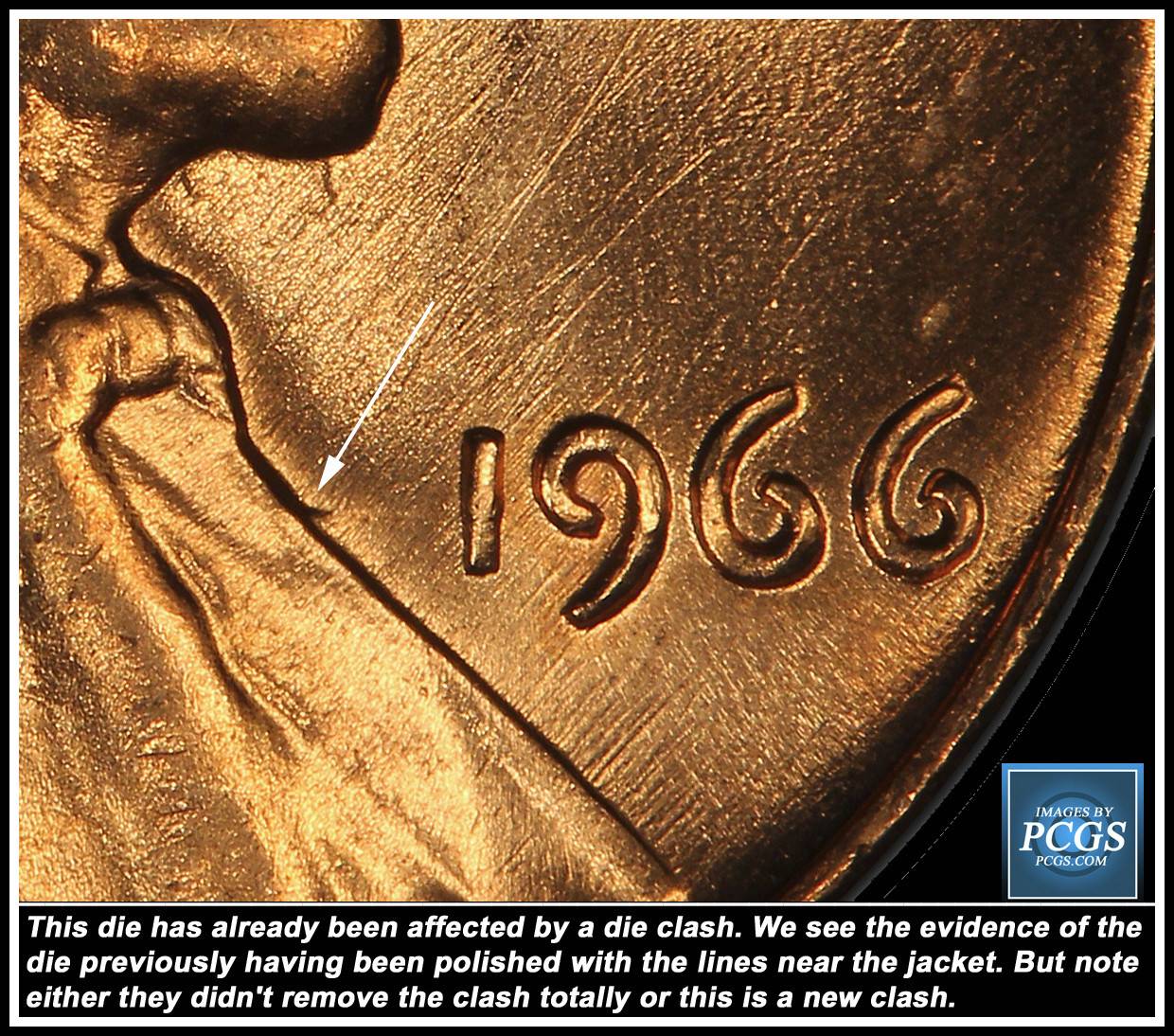
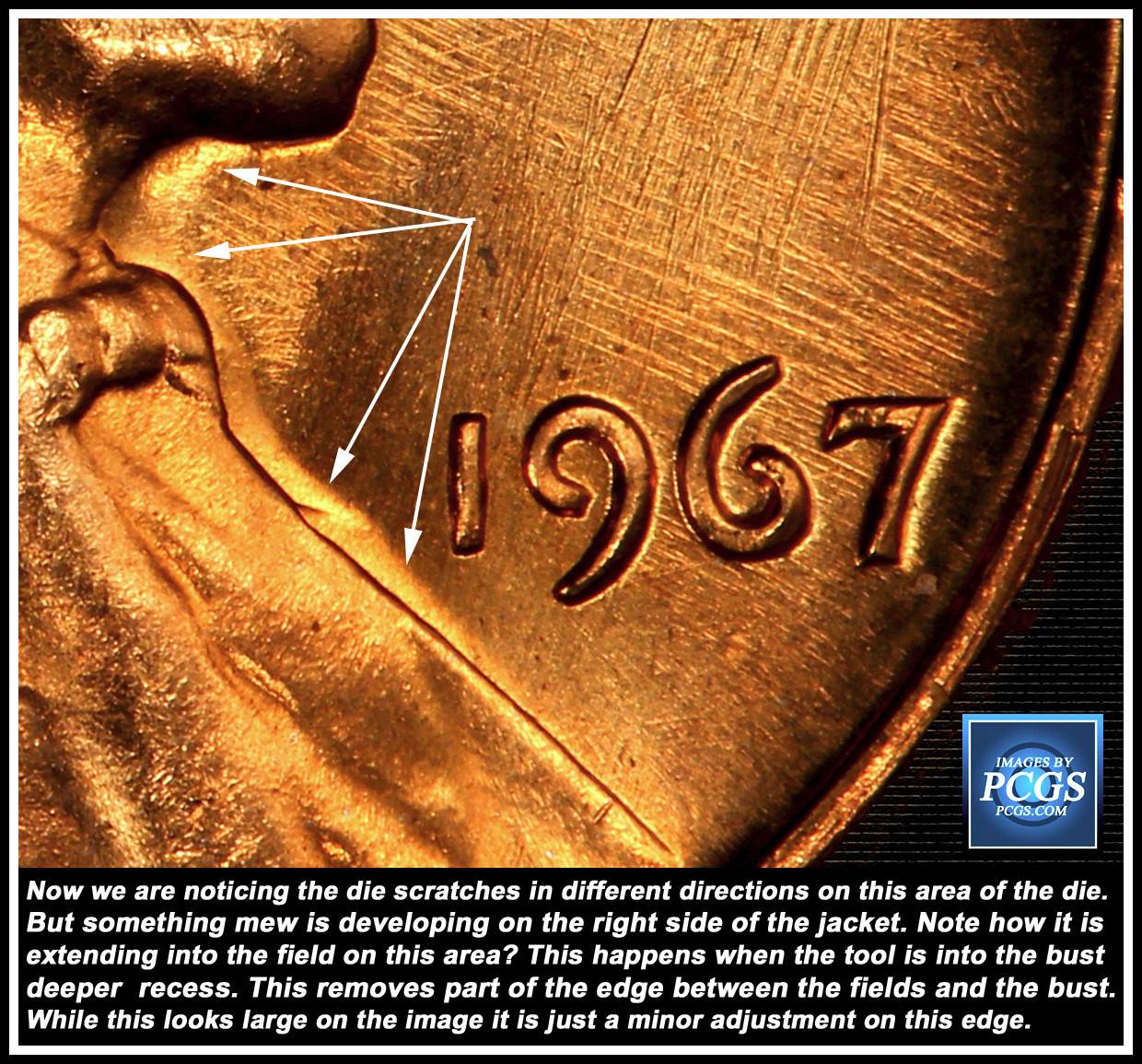
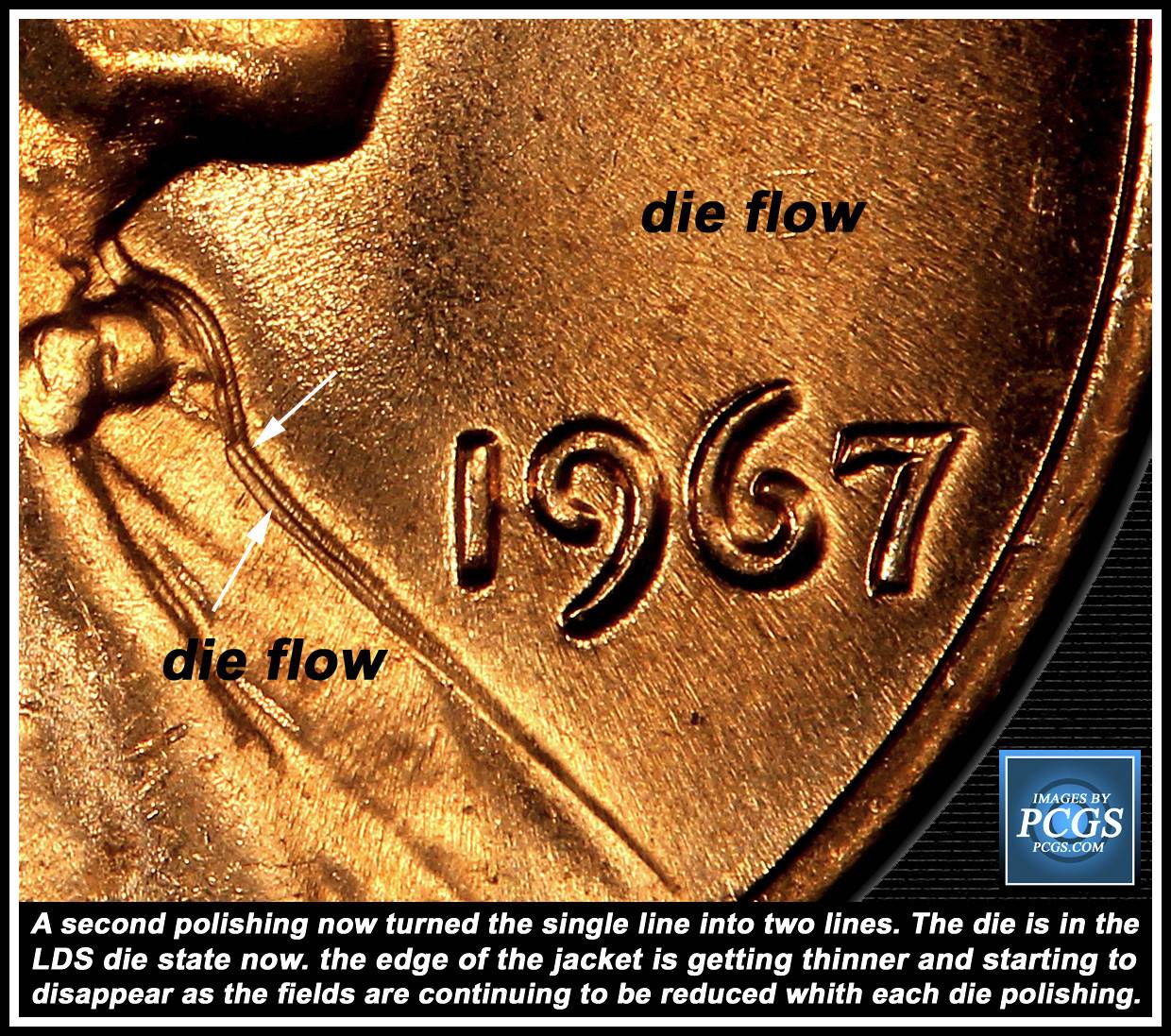
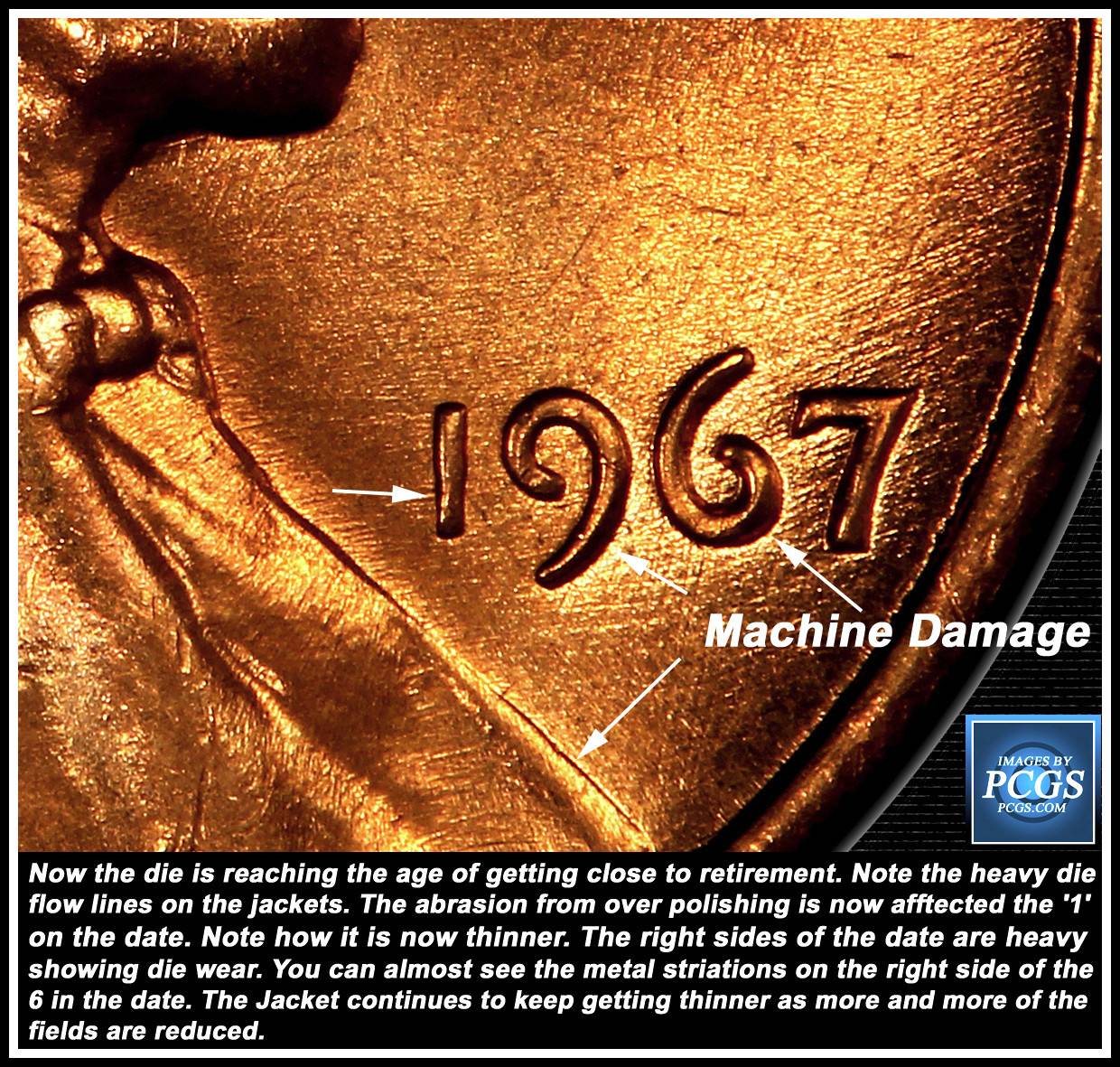
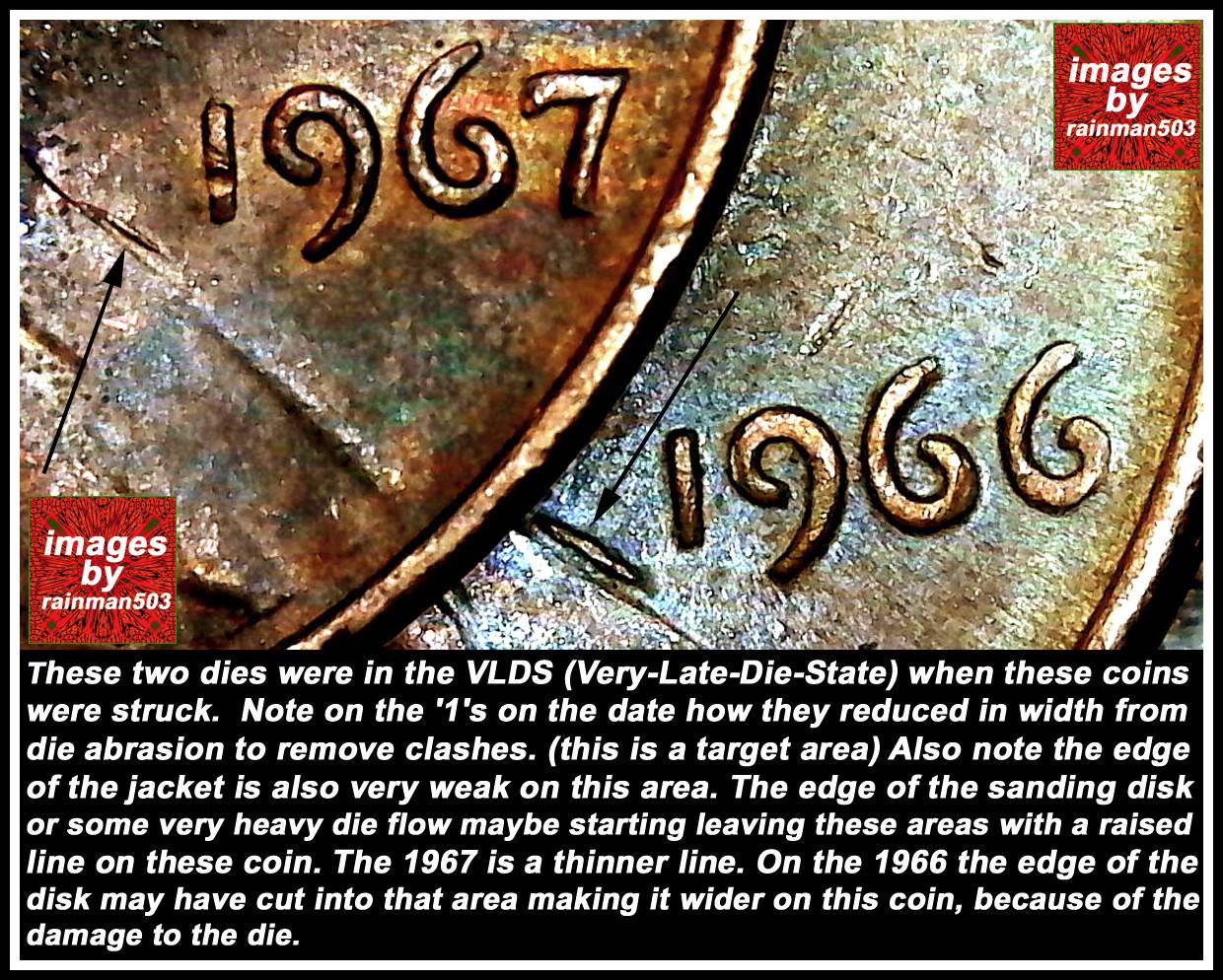
Sometimes the event that needed to be removed from the die was deeper. Well more field area is removed and the coins struck after that show the end results:
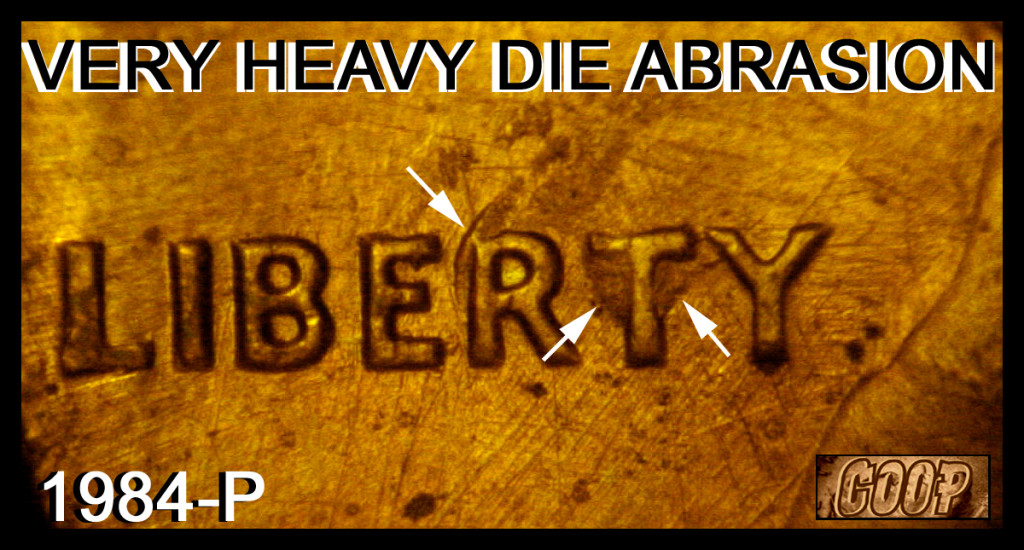
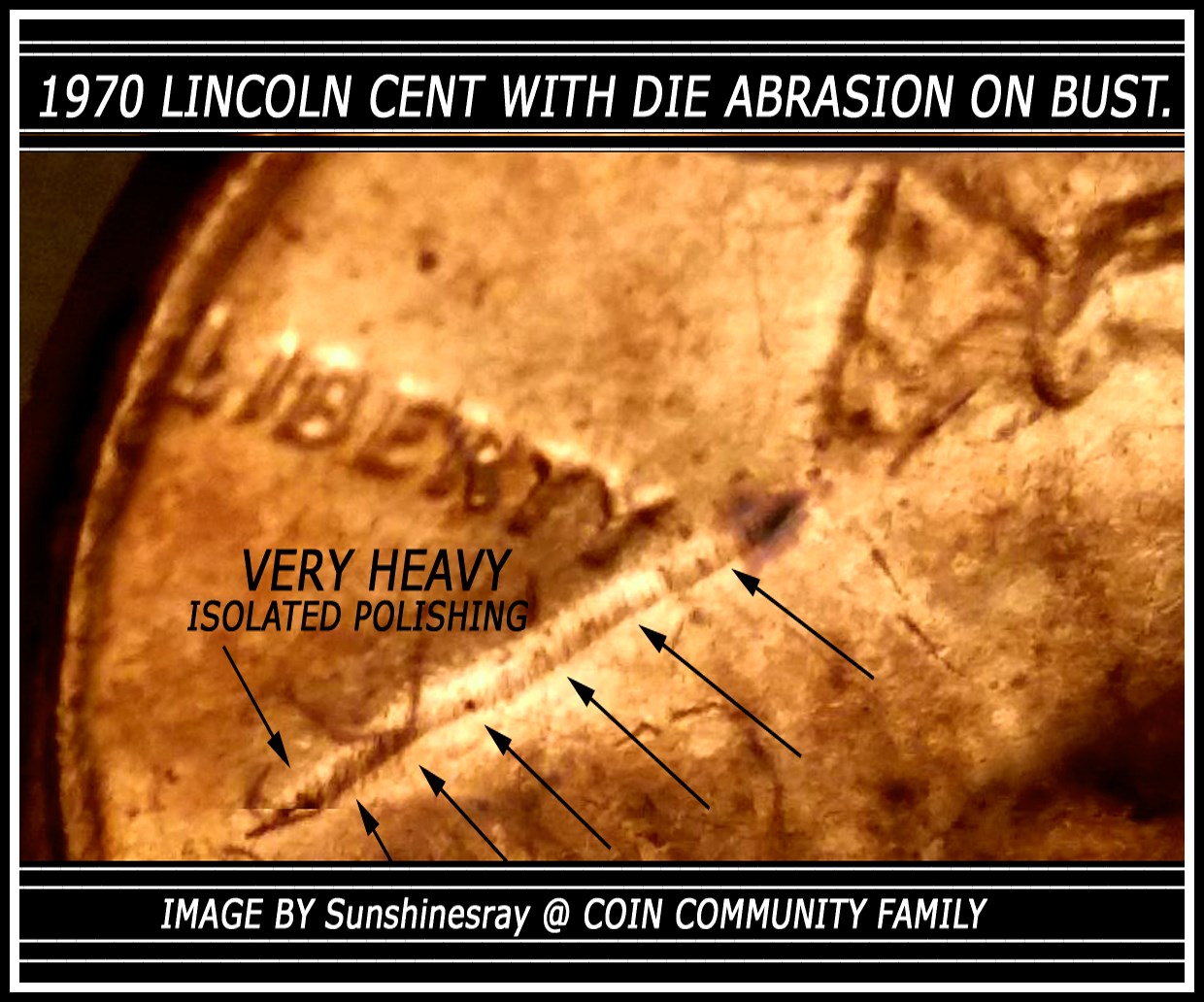
Proof dies are polished, but for a different reason. To make the fields shiny.
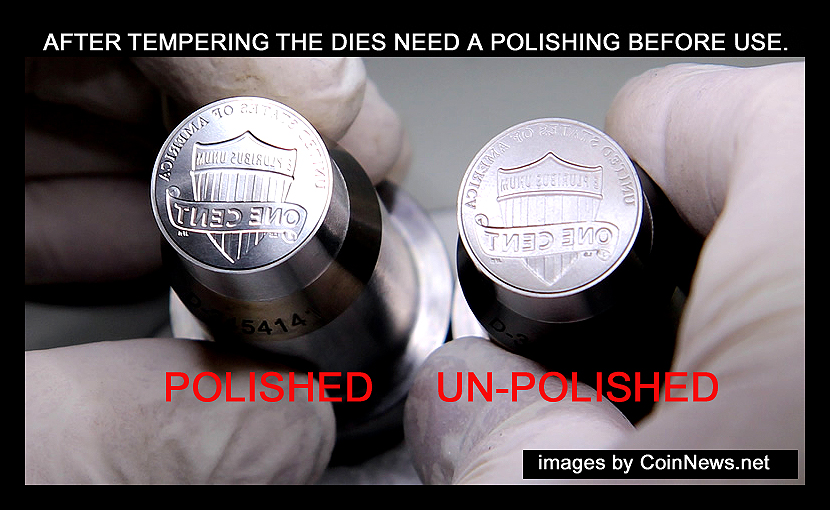
This removes residue left over from the die preparation process.
So the extra polishing affects the dies life. When something is removed from the die, the original freshness of the die is gone forever on the coins struck after those die events. These do not increase value for the coins struck, but sometimes knowing what causes this is a great teacher on what you are really looking at on your search for varieties.
coophome=







 Posted 02/28/2017 12:04 pm





 What a great resource! Thank you coop for continuing to share your knowledge with us.


