Coin Community Family of Web Sites Join Thousands of Coin, Bullion, & Money Collectors
Vancouvers #1 Coin and Paper Money Dealer Specializing in Modern Numismatics Royal Estate Auctions - $1 Coin Auctions300,000 items to help build your collection! Coin, Banknote and Medal Collectors's Online Mall Join Thousands of Coin, Bullion, & Money Collectors Royal Canadian Mint products, Canadian, Polish, American, and world coins and banknotes.


Username:
Password:
Save Password
Forgot your Password?


This page may contain links that result in small commissions to keep this free site up and running.

Welcome Guest! Registering and/or logging in will remove the anchor (bottom) ads. It's Free!

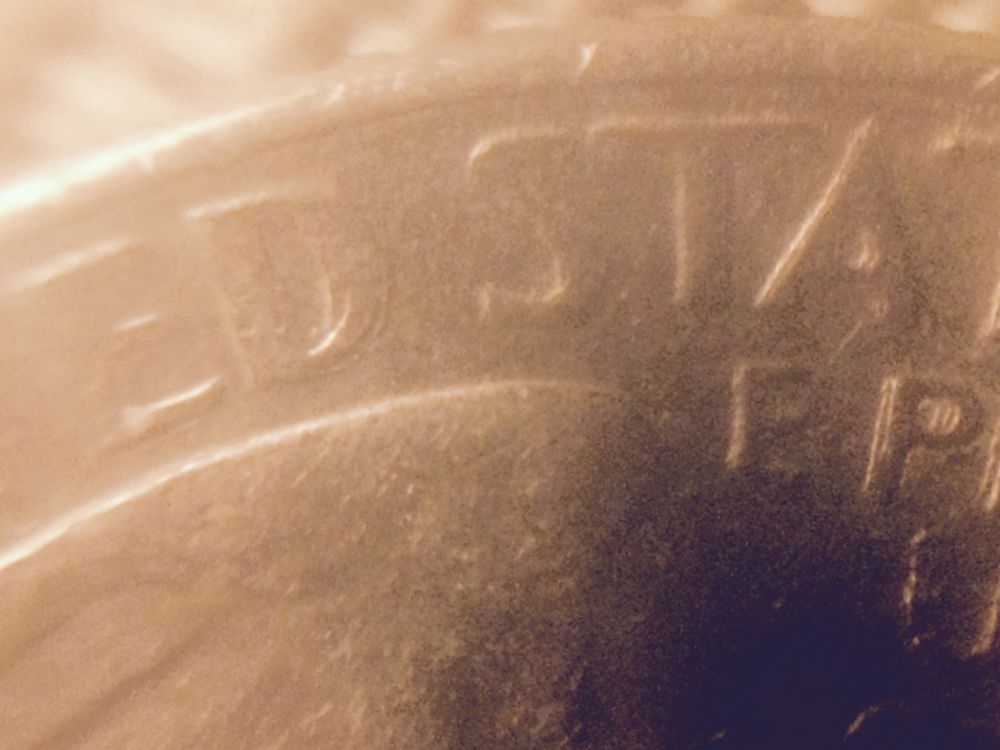
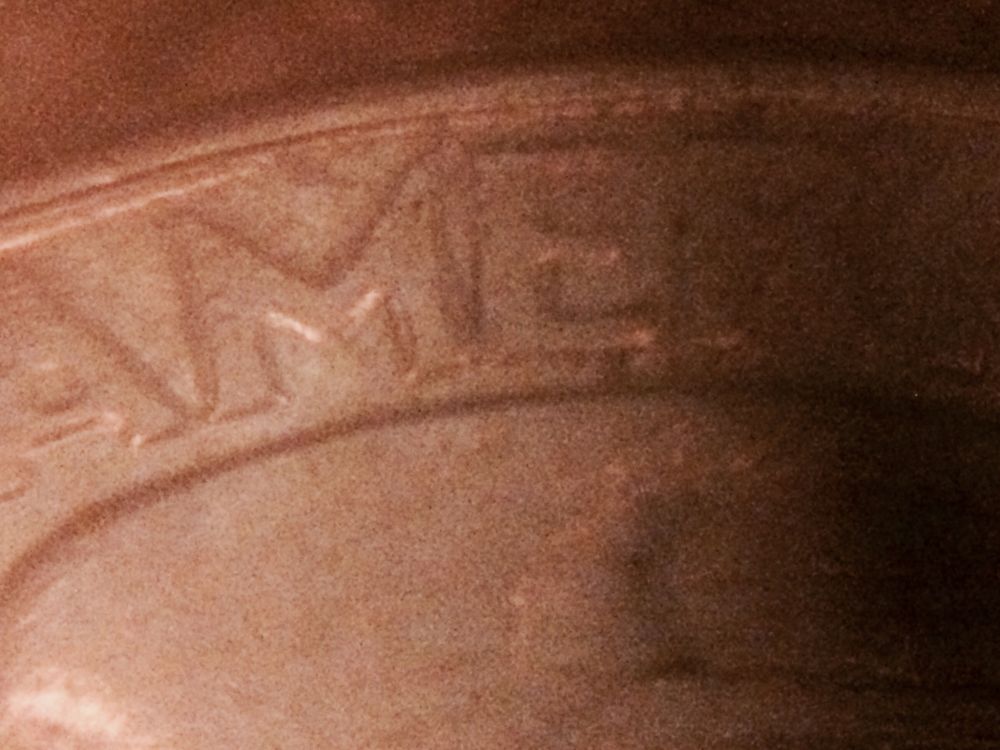
Is This Doubling On The Reverse Of This Quarter?

To participate in the forum you must log in or register.
Author Previous TopicReplies: 1 / Views: 651Next Topic  
New Member

United States
36 Posts
 Posted 03/02/2017  05:55 am Show Profile   Bookmark this topic Add teen783 to your friends list Get a Link to this Message Number of Subscribers
is this considered a form of Die Deterioration?

Is-This-Doubling-On-The-Reverse-Of-This-Quarter?

Is-This-Doubling-On-The-Reverse-Of-This-Quarter?
Bedrock of the Community
coop's Avatar
United States
62064 Posts
 Posted 03/02/2017  09:17 am  Show Profile   Bookmark this reply Add coop to your friends list Get a Link to this Reply
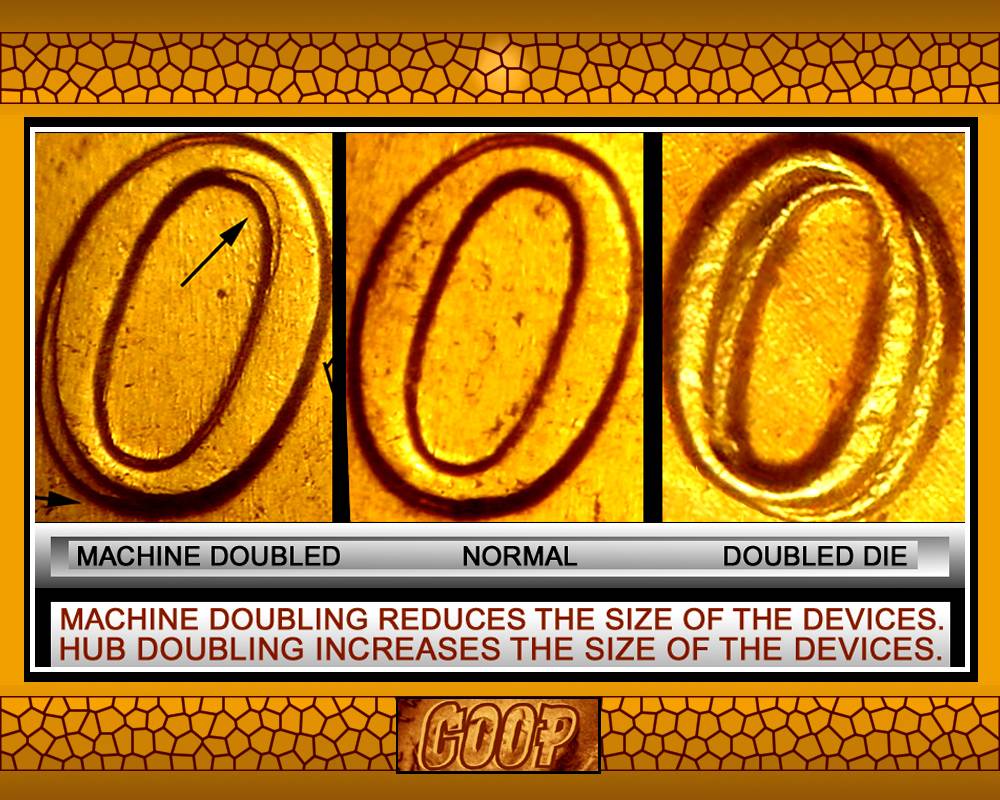
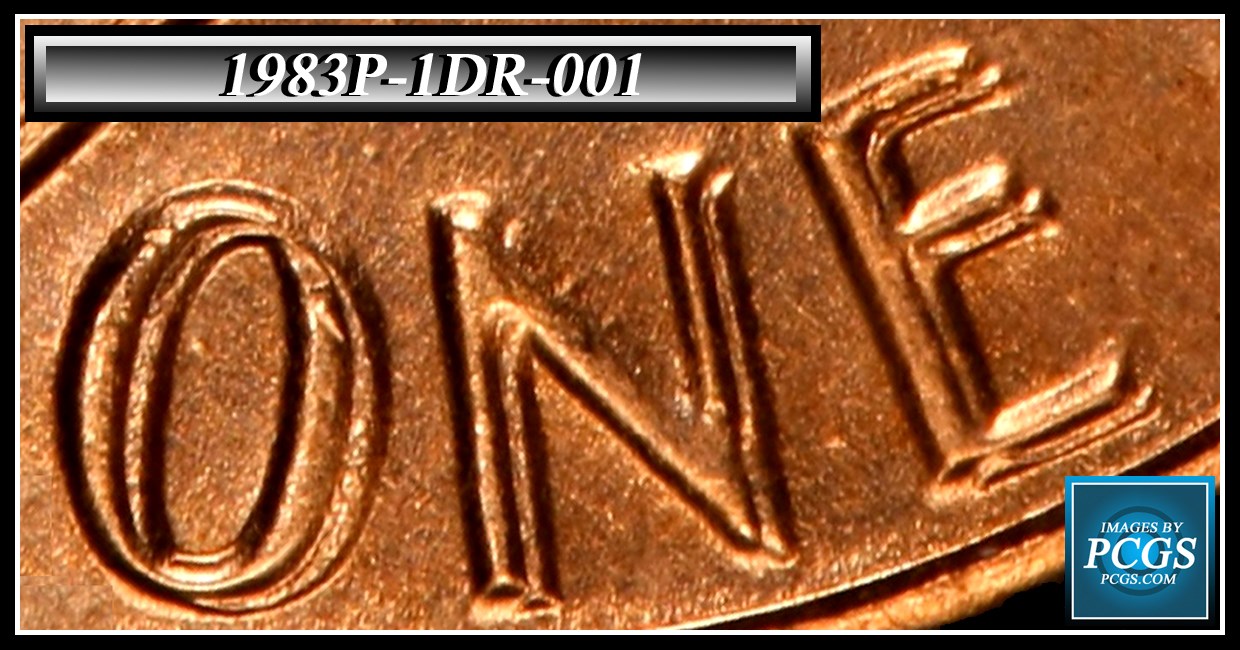
This looks like machine damage to the coin after the strike. Note how the devices are being reduced from what a normal coin would look like? I used side by sides to show MD-normal-doubled dies to help to see what is going on with a coin:
Is-This-Doubling-On-The-Reverse-Of-This-Quarter?
Note on the first image how the MD reduces the size of the device compared with the normal coin. Then note the one on the right how the devices were actually doubled on the die (called a 'Doubled Die') making the devices doubled. What is the difference between the two. The example on the left was struck with a normal die, but the die movement altered the coin after the strike. The example on the right is an example of a die that was hubbed twice, creating a double set of devices on the die. Every coin struck with this die will show the same doubling.
Is-This-Doubling-On-The-Reverse-Of-This-Quarter?
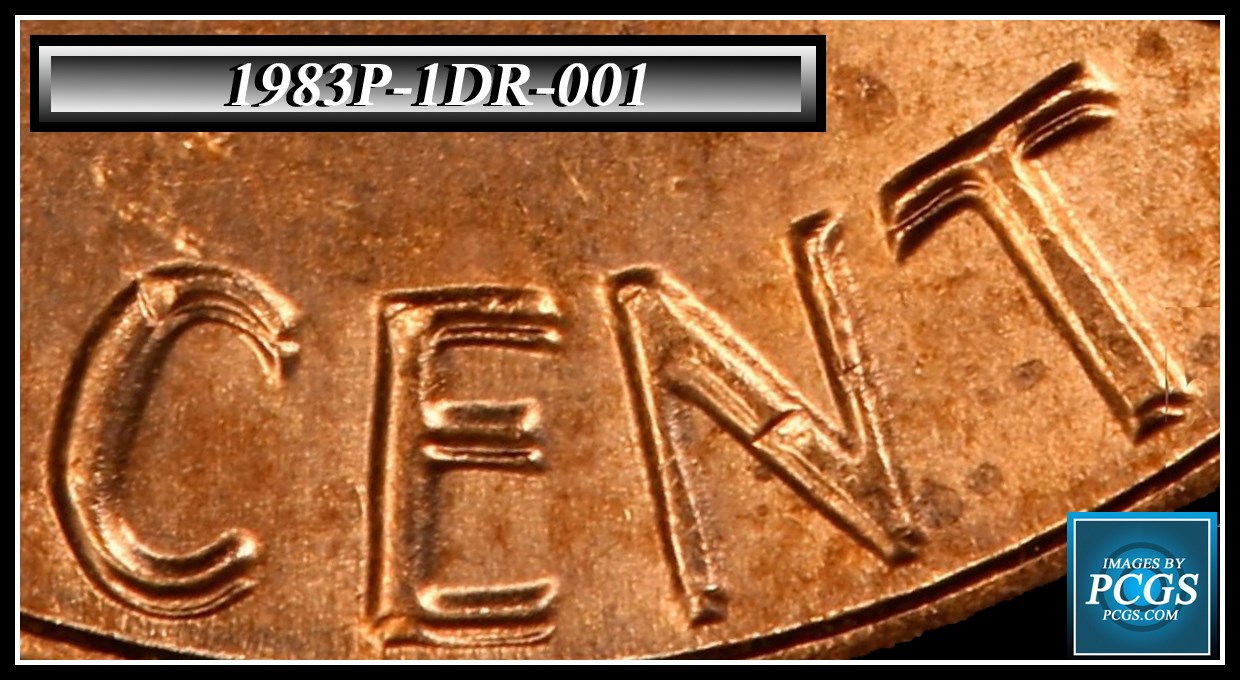
Note that the devices are enlarged.
Is-This-Doubling-On-The-Reverse-Of-This-Quarter?
So the example you have is from a normal die and the one that shows the doubling on the right is an example of a doubled die. (doubled on the die). The cent I posted is a collectable and nice to find in your searches.
Edited by coop
03/02/2017 09:18 am
  Previous TopicReplies: 1 / Views: 651Next Topic  

To participate in the forum you must log in or register.


Disclaimer: While a tremendous amount of effort goes into ensuring the accuracy of the information contained in this site, Coin Community assumes no liability for errors. Copyright 2005 - 2026 Coin Community Family- all rights reserved worldwide. Use of any images or content on this website without prior written permission of Coin Community or the original lender is strictly prohibited.
Contact Us  |  Advertise Here  |  Privacy Policy / Terms of Use

Coin Community Forum © 2005 - 2026 Coin Community Forums
It took 0.27 seconds to rattle this change. Forums