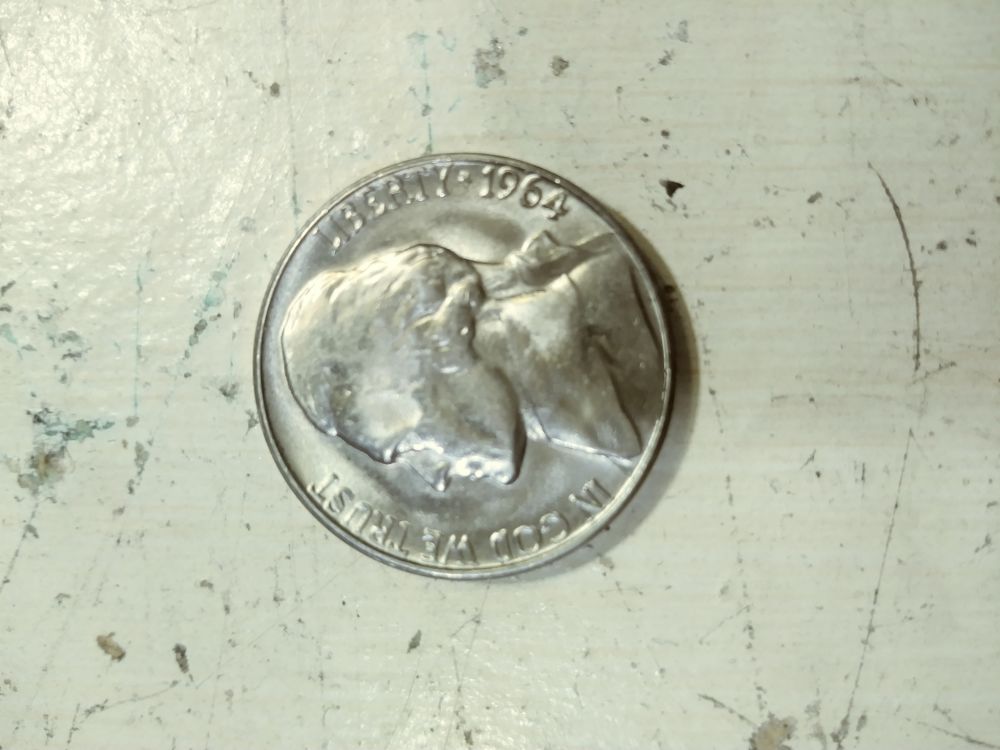
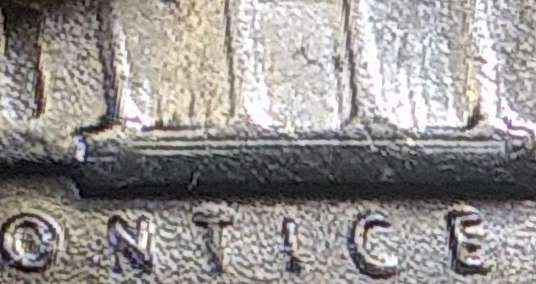
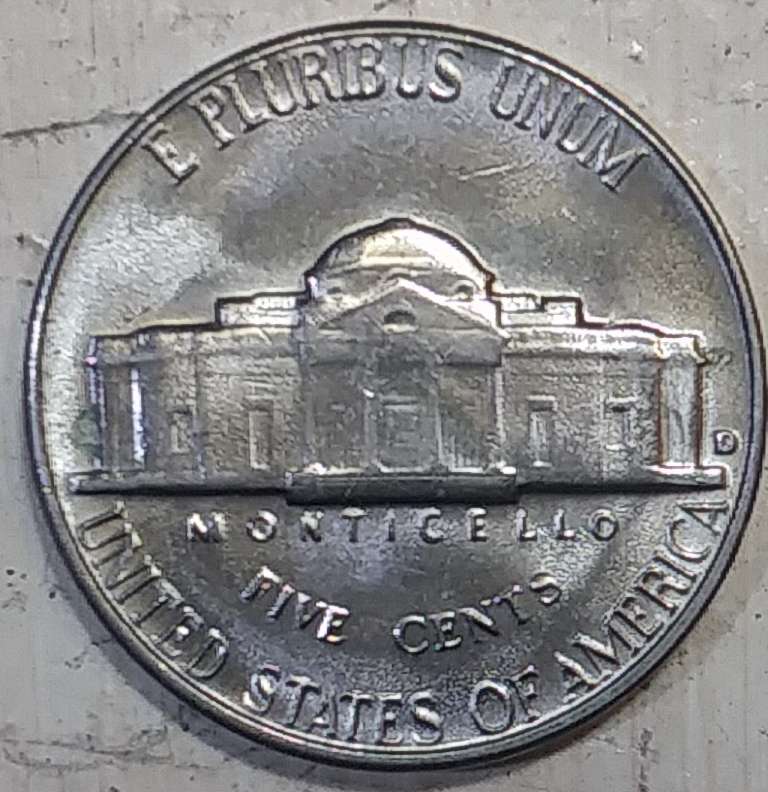
The 64 D is a tough one to find with the a few steps. I would consider it a good find. As far as proof goes, this coin has no proof like appearances to me.
You need to understand how proofs are made.
There is a different process than for those minted for circulation.
I copied this from the CCF Glossary
http://www.coincommunity.com/dictionary/ProofA coin usually struck from a specially prepared coin die on a specially prepared planchet. Proofs are usually given more than one blow from the dies and are usually struck with presses operating at slower speeds and higher striking pressure. Because of this extra care, Proofs usually exhibit much sharper detail than regular, or business, strikes. PCGS recognizes Proofs (PR) as those struck in 1817 and later. Those coins struck prior to 1817 are recognized as Specimen strikes (SP).
Proof setA coin set containing Proof issues from particular year. A few sets contain anomalies such as the 1804 dollar and eagle in 1834 presentation Proof sets.
Proof diesSpecially prepared dies, often sandblasted or acid-picked, that are used to strike Proof coins. Often, the fields are highly polished to a mirrorlike finish, while the recessed areas are left "rough"; on coins struck with such dies, the devices are frosted and contrast with highly reflective fields. Matte, Roman, and Satin Proof dies are not polished to a mirror-like finish.
Proof-only issueA coin struck only in Proof, with no business-strike counterpart.
ProoflikeTerm to designate a coin that has mirror-like surfaces, the term especially applicable to
Morgan dollars. Those
Morgan dollars that meet PCGS prooflike standards are designated PL.












 Posted 04/05/2017 7:18 pm


