| Author |
 Replies: 63 / Views: 12,316 Replies: 63 / Views: 12,316 |
|
|
|
Pillar of the Community
 India
1996 Posts |
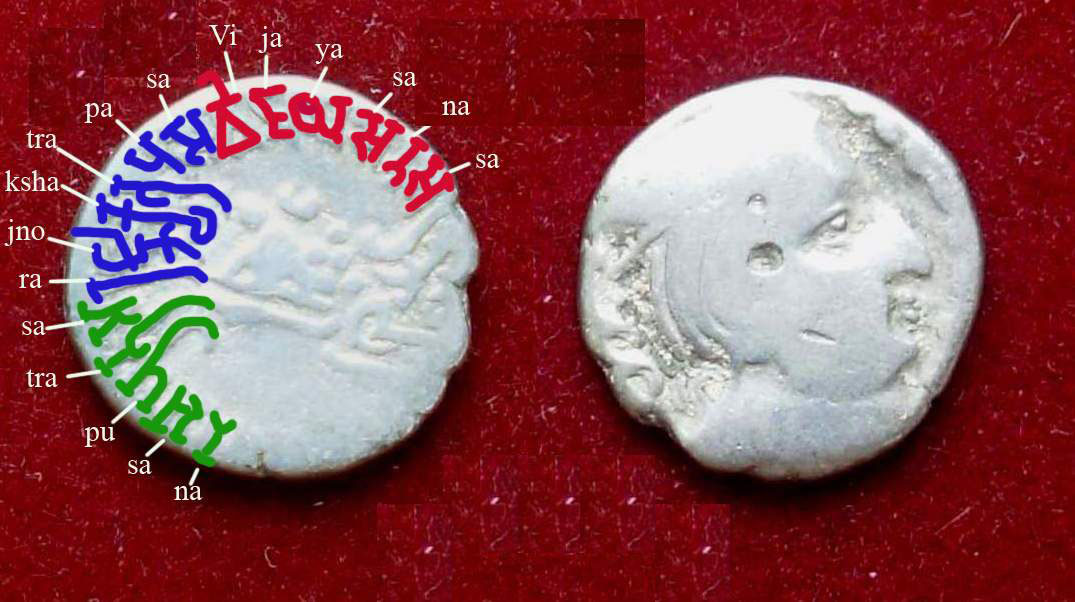
Coin no.AI/WK#003 is an issue of Vijayasena as Mahakshatrapa. The following one is as Kshatrapa. 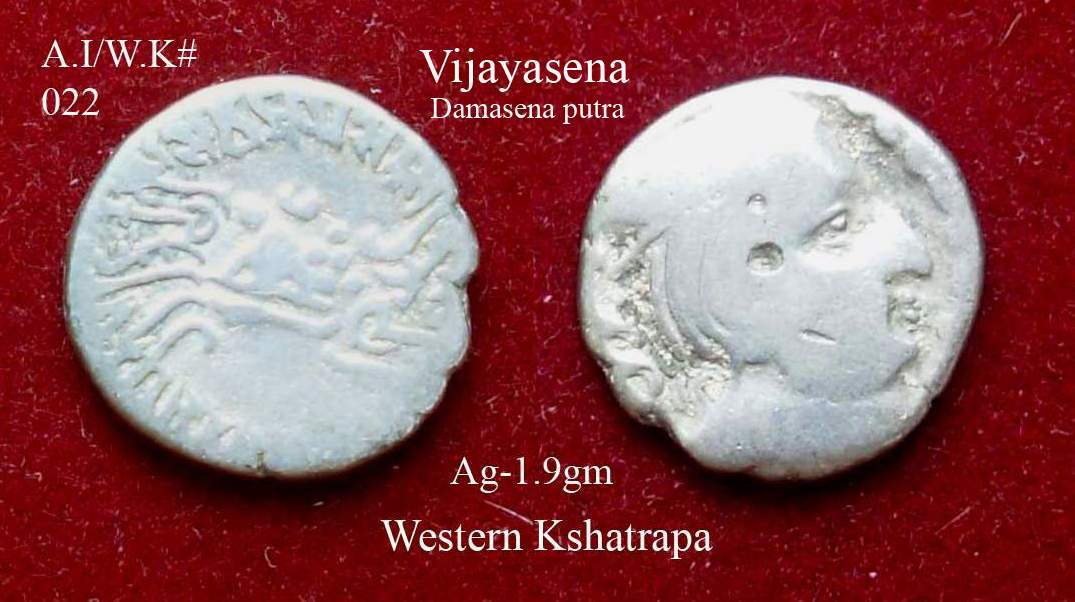 Edited by drnsreedhar
07/26/2017 2:45 pm
|
|
Pillar of the Community
India
1996 Posts |
|
|
Pillar of the Community
India
1996 Posts |
Damajadasri III (251-255) 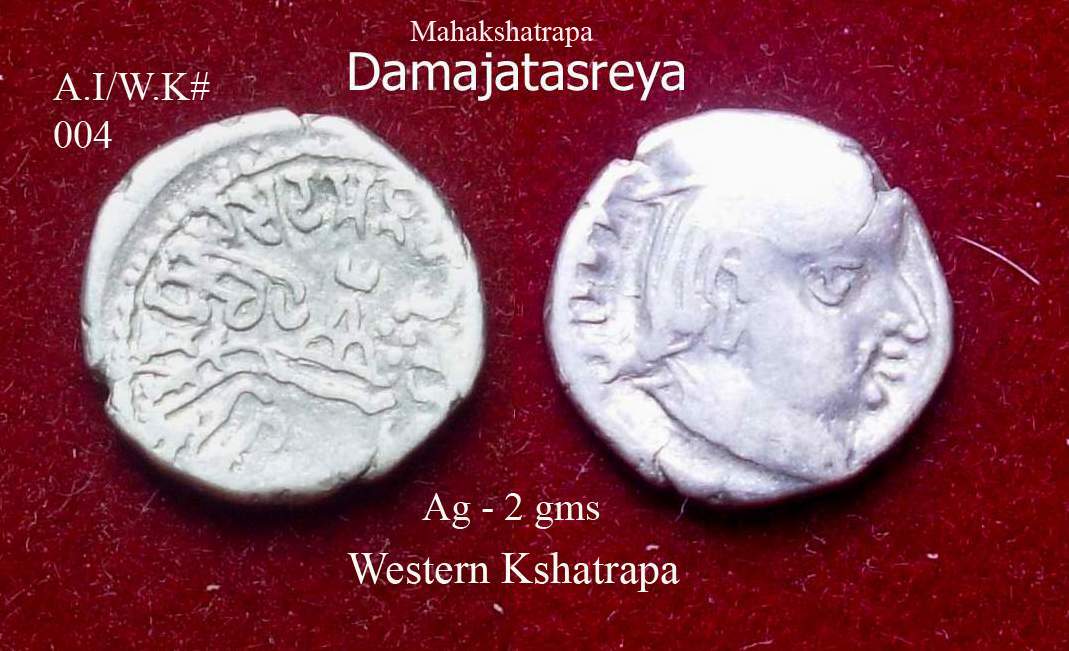
|
|
Pillar of the Community
India
1996 Posts |
|
|
Pillar of the Community
United States
6130 Posts |
Here is a coin of Viradaman as kshatrapa, 234-238 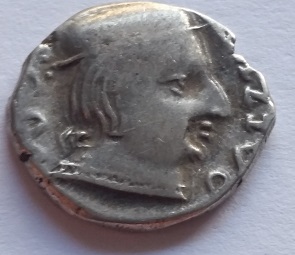 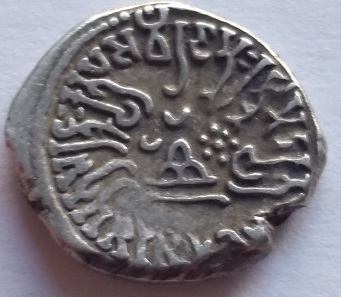 I have always been fond of the very stylish calligraphy used on his coinage! |
|
Pillar of the Community
India
1996 Posts |
Great coin Finn235 This coin has a special feature. In the father's title, "Rajno" and in son's "Rajnah" are very clearly seen. 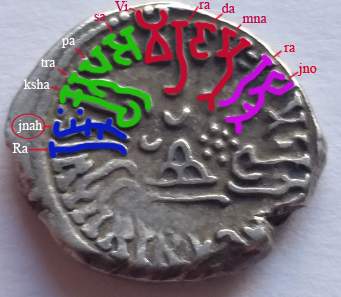 Even in my place (located in the Southern most tip on India),it is difficult to get these coins in such excellent condition. I made my collection from a few of the North Indian dealers some time back and they remained in the box. I started off recently with them and am still trying to learn them. Very interesting calligraphy indeed. Yours is an excellent specimen for learning. Please share as much info as you can. Thanks for sharing. |
|
Pillar of the Community
India
1996 Posts |
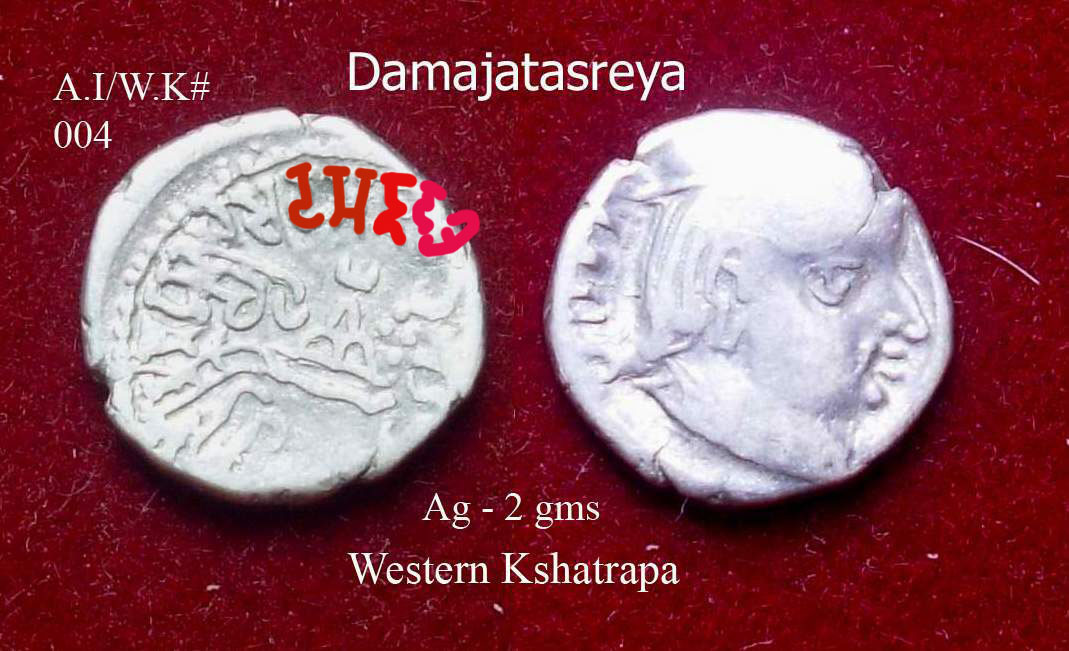
Another coin of Damajadasri III (251-255) with a different die. Relation of letters and the Chaitya (three arched hill) is different. 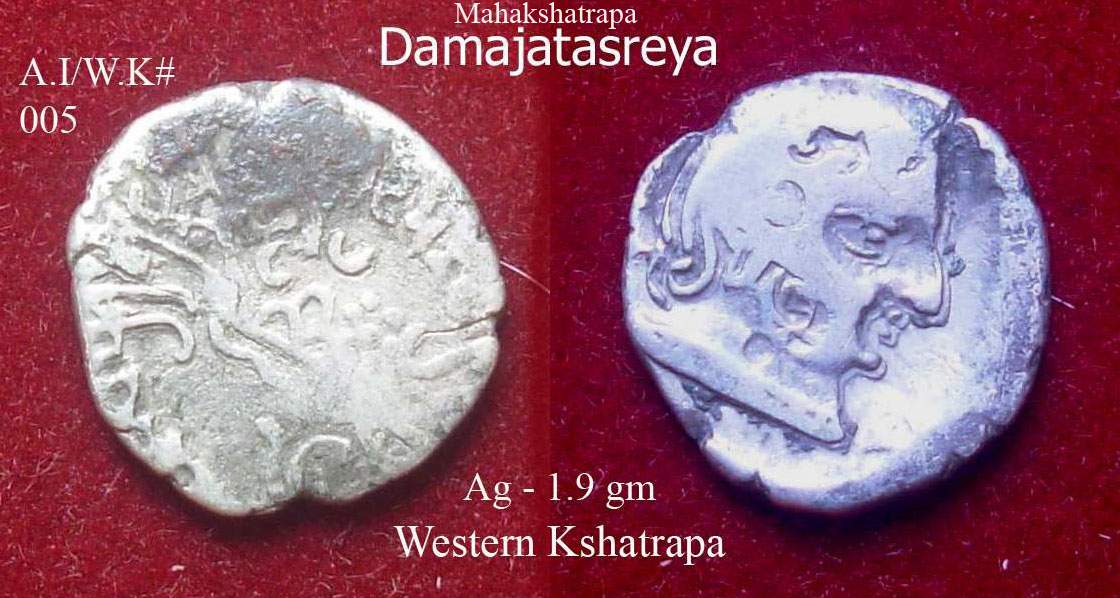 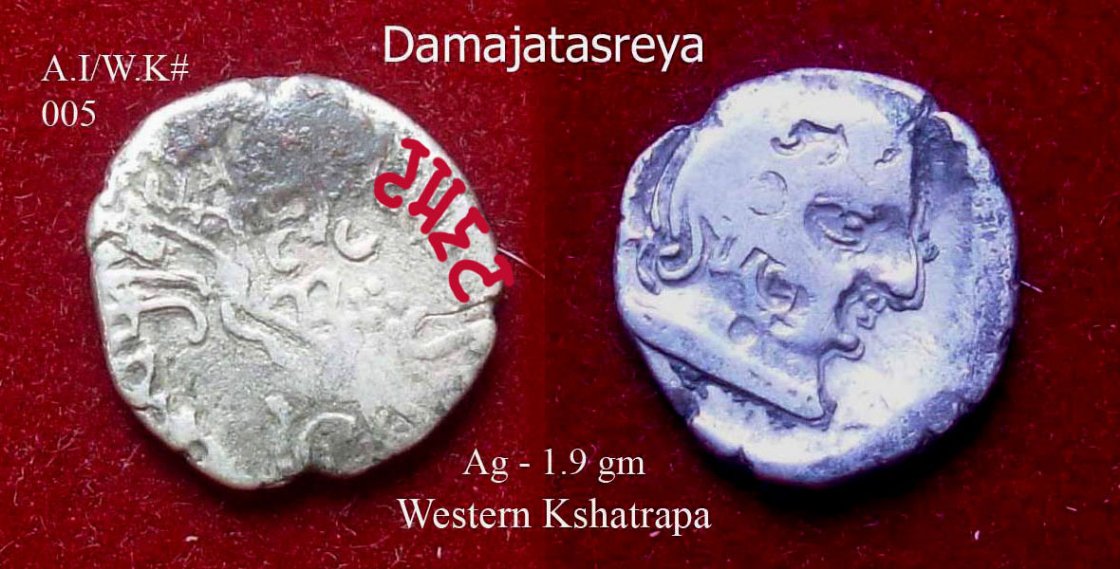 |
|
Pillar of the Community
United States
6130 Posts |
Thanks for the kind words and also for providing the very nice overlay.
I admit that I am far from an "expert" in this field, but it is fun to learn!
What is the difference between "rajno" "rajna" and "rajnah" in the titles? I have never seen an explanation for that.
|
|
Pillar of the Community
India
1996 Posts |
I too do not have a concrete idea as to the difference. What I understood (if I am not wrong) is that Sanskrit used to express numbers in singular, double and plural. In "The Indo-European Languages - Page 109" it appears that singular word is "rajnah" and double is "rajno". It is generally seen that the title "kshatrapa" is preceded by "rajnah" and "mahakshatrapa" by "rajno". In India, reverence is expressed by addressing in plural. That could be a reason, I am not very sure! 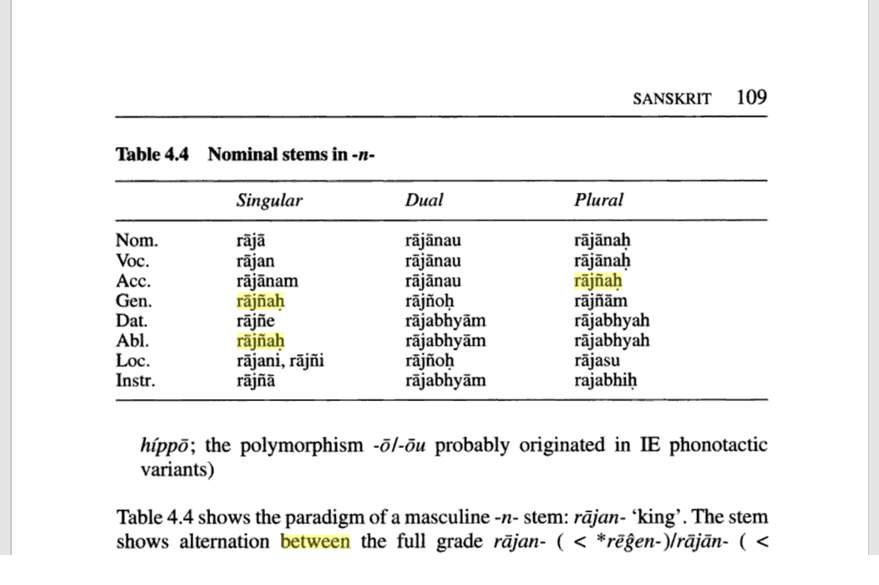 I have to confess that I am unable to understand the table fully. I can give another interesting example of expressing reverence in plural from Nepal. You can see them on their coins as well. The word used in Hindi to give respect is "Sri". The name of the Maharaja of Nepal is preceded by three or five "Sri"s. If it is three, the letter "Sri" is written three times. If it is five, they write "Sri paanch" preceding the name. "Paanch" means five and that is struck on coins in numeral! 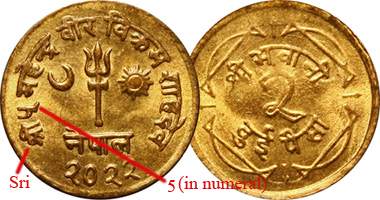 Obverse legend is "Sri 5 Mahendra Vira Vikrama Shahdev" |
|
Pillar of the Community
India
1996 Posts |
Now I have to modify the overlay of coin no.022. 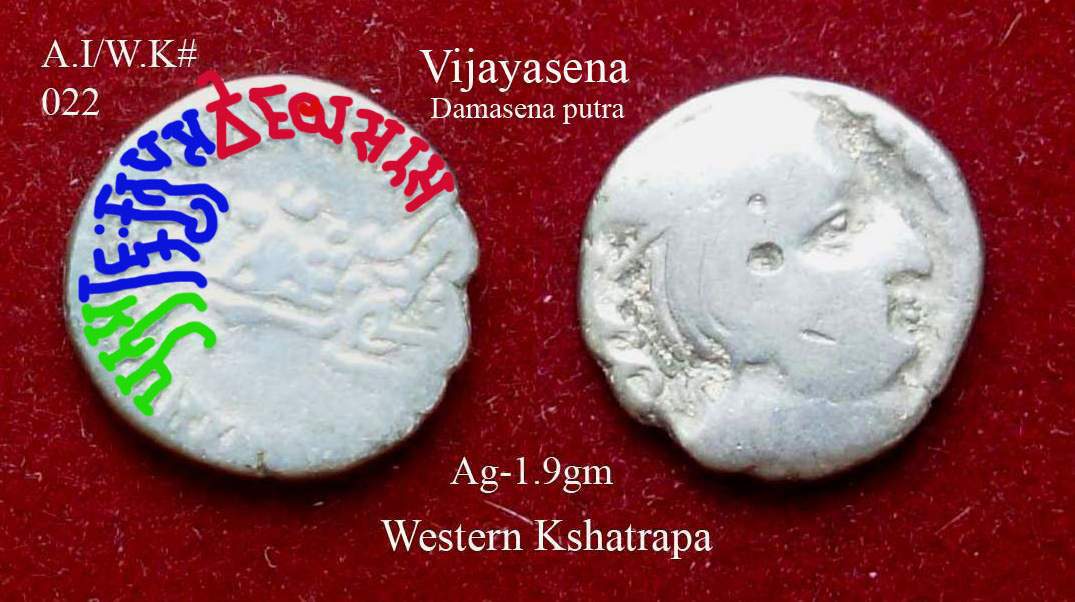 |
|
Pillar of the Community
India
1996 Posts |
Rudrasena II (255-277)son of Viradaman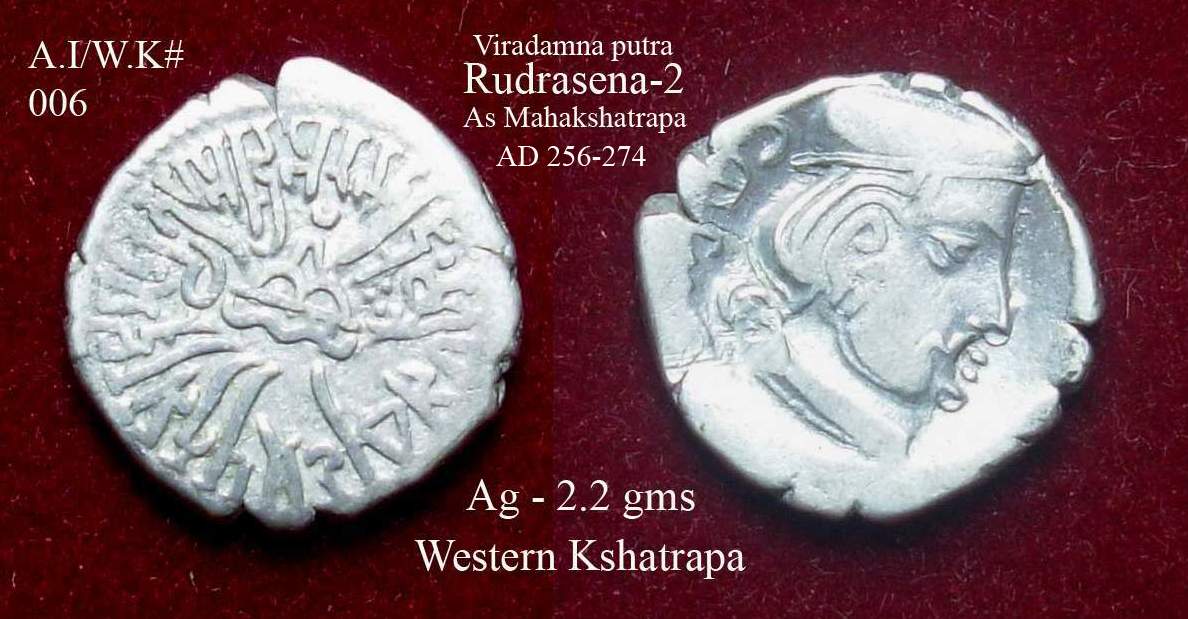
|
|
Pillar of the Community
India
1996 Posts |
The coin above with overlay. The last digit of the date could be "7" or "9". It looks more like "7" to me.Date is in Saka Era (S.E). 100+80+7=187. S.E started in 78 A.D. So 187 S.E is 187+78=265A.D. 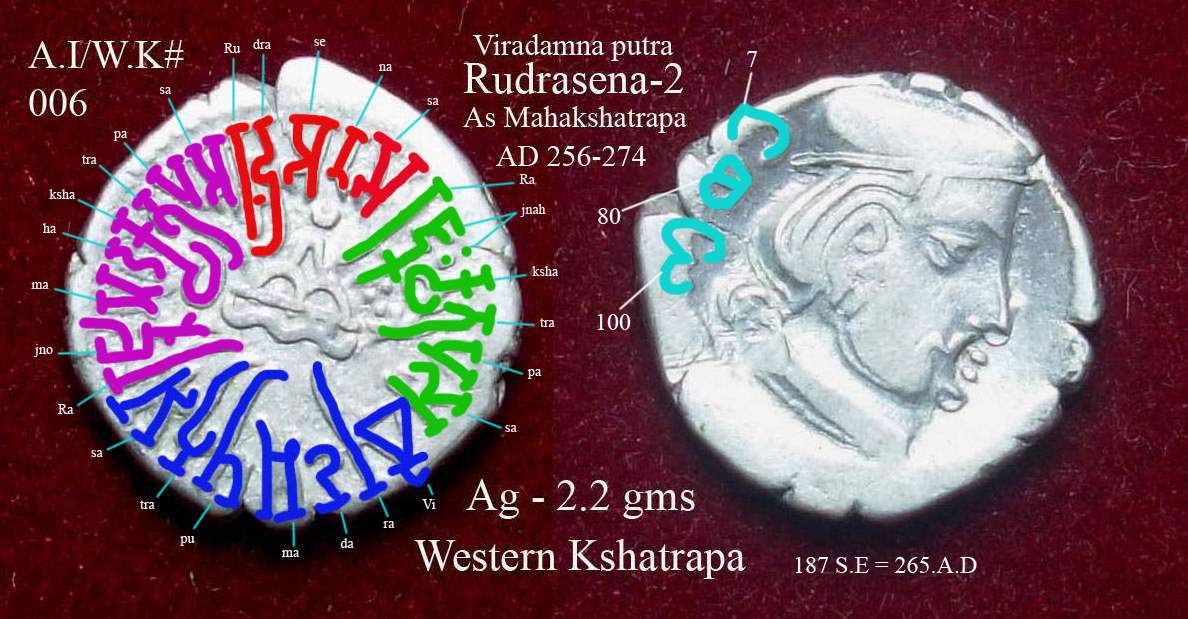 Edited by drnsreedhar
08/02/2017 2:51 pm
|
|
Pillar of the Community
India
1996 Posts |
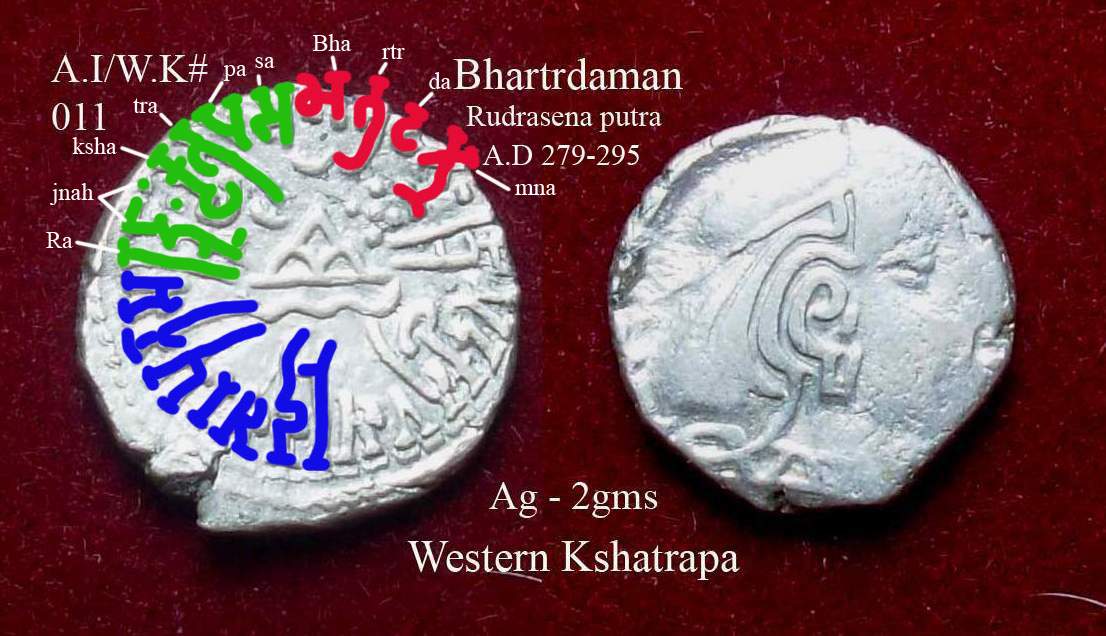
Rudrasena putra Bhartrdaman 279-295.AD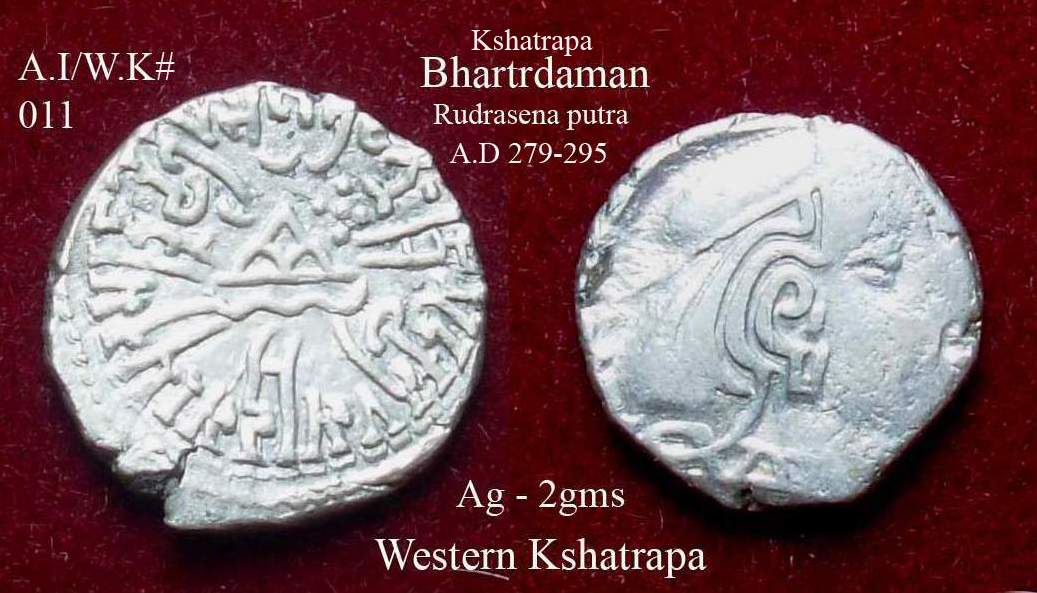
|
|
Pillar of the Community
India
1996 Posts |
|
|
Pillar of the Community
United States
6130 Posts |
Bhartradaman as kshatrap, date off flan 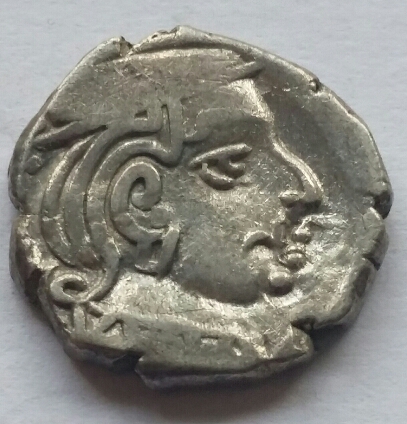 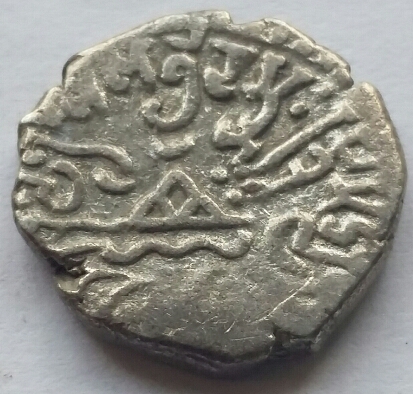 |
| |
Replies: 63 / Views: 12,316 |




 First Page


 Posted 07/26/2017 2:44 pm