John,
Agreed...the
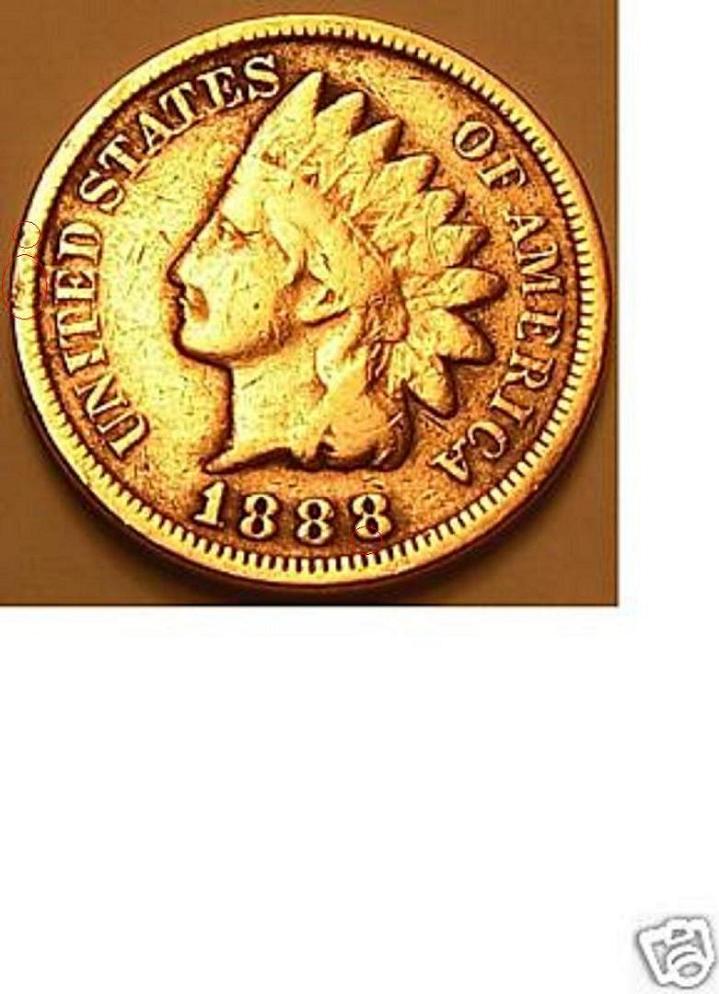
Cud at 9:00 is a significant marker. In the past, I have actively looked for this coin unattributed, and would you believe a collector found a VF-30 1888/7 S-1 for only
$2? From what I've heard, new discoveries are quite rare--but that proves it's possible.

I've spent countless hours looking for this coin, and observed that while the rim
Cud advances slightly along the edge and deeper into the denticles, it always covers the majority of 2 denticles opposing the E in UNITED. However, that begs the question--what about earlier die states of this variety? If coins with this advancing
Cud were struck, I tend to think there were S-1 examples with a much smaller
Cud, but very few (if any) have been found.

When I asked Rick Snow about EDS S-1s, he thought it
possible, but then he fell back on the idea that every genuine S-1 should have a rim cud--confusing to say the least! I'll concede to his expertise, although I consider it
quite possible that more S-1s exist without the
Cud because they must have been struck--and an average of
200,000 coins/die were struck in 1888! The other possibility--the mint reused a die from 1887 with a
Cud present--is a bit far-fetched. So, at least a few coins were struck before the die broke.
I agree that's it's often difficult to see the overdate 7 on genuine S-1s in lower grades. In fact, I consider it possible that coins exist with this small feature obscured by dirt--and possibly lacking the full rim
Cud of known examples. Of course, attributing these coins will be very difficult from photos alone!
Regarding additional markers, here's something I found after studying a number of genuine S-1s. While I've seen a couple of exceptions, I've have noticed more coins with a weak 8th feather tip, as noted by the arrow in the composite photo below. Of course, I have only seen a dozen different S-1s!
Just a few rambling thoughts after studying this variety--good luck!










 8fe6_1.jpg


 Posted 04/26/2008 12:12 pm


