| Author |
 Replies: 20 / Views: 2,218 Replies: 20 / Views: 2,218 |
|
Pillar of the Community
United States
1386 Posts |
|
|
|
|
Bedrock of the Community
United States
62064 Posts |
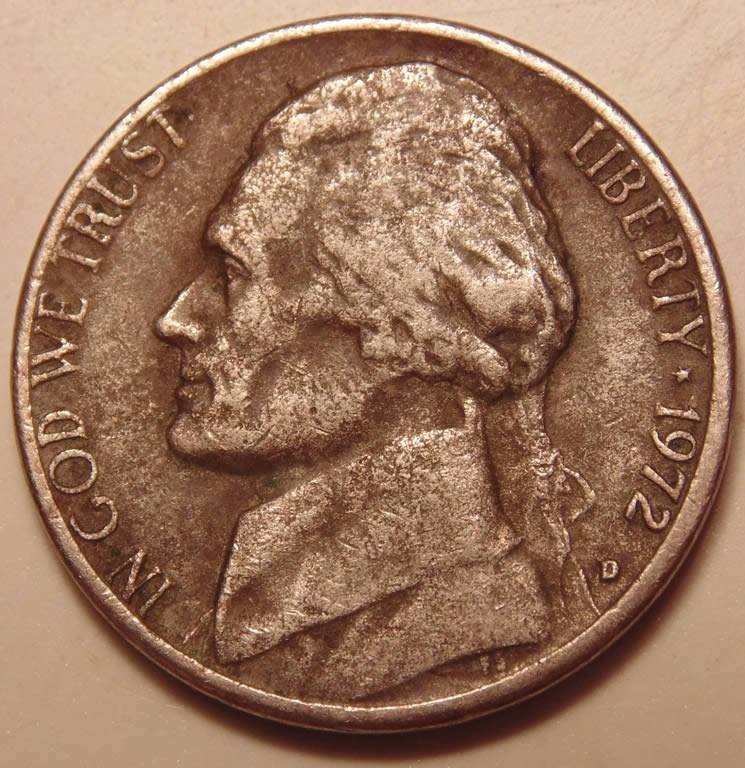
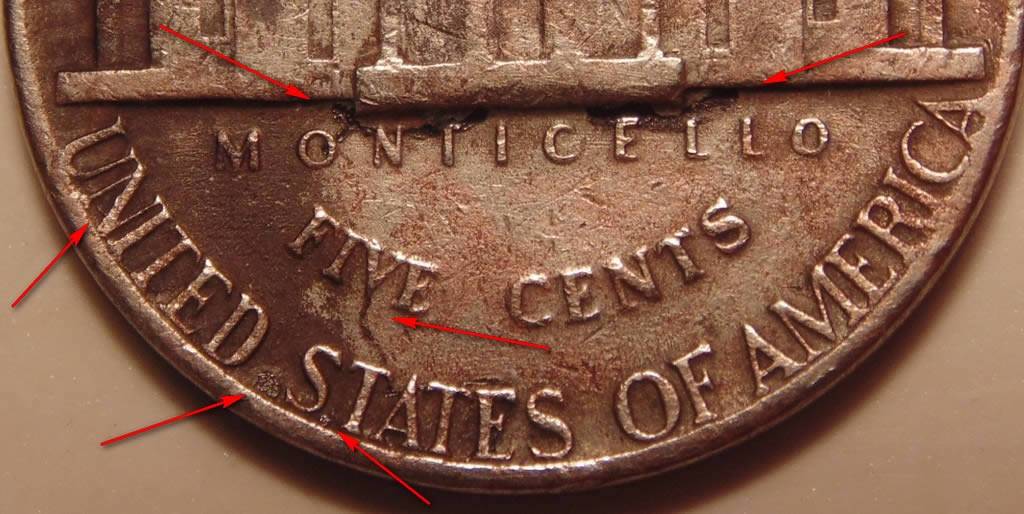
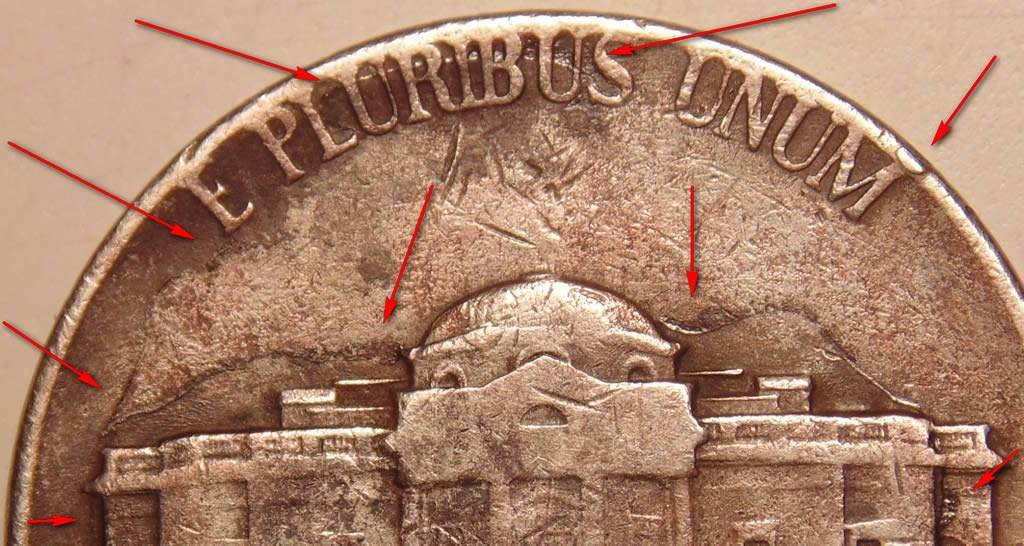
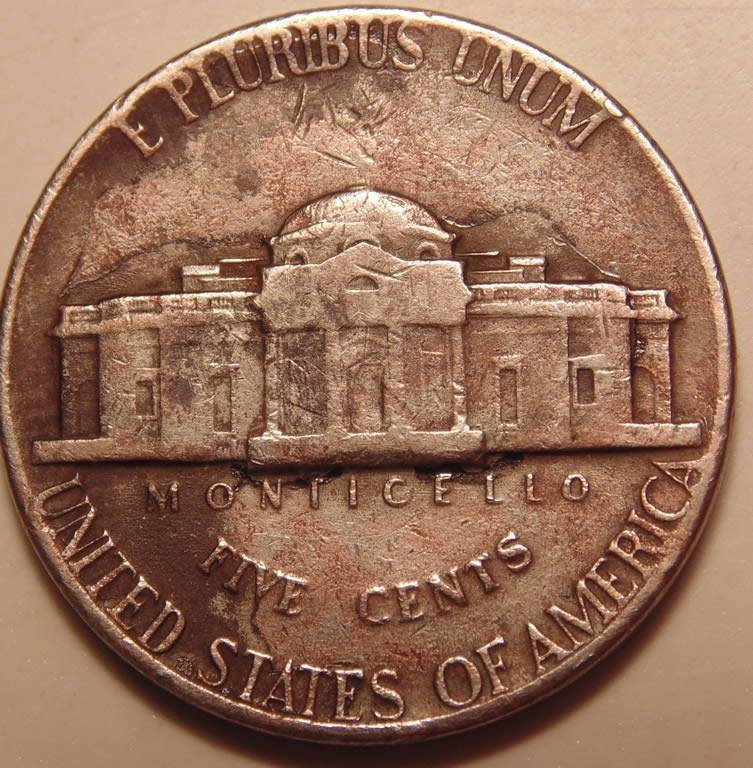
Check to see if something was spilled on it and has dried? This happens often to coins. They get tossed in the cup holders in cars and stuff happens. The coin is in the later die state. Thus we see the edge of the coin and the devices touching on the EPU.
|
|
Pillar of the Community
 United States
1386 Posts |
The coin was in pretty bad shape when I found it. I have already cleaned the reverse only and what is there is part of the coin. I scrubbed it with a tooth brush and metal cleaner.
I started with a toothpick and the areas didn't move or wipe away at all.
Edited by Newbie234
09/09/2017 2:13 pm
|
|
Pillar of the Community
United States
505 Posts |
|
|
Pillar of the Community
United States
1386 Posts |
|
|
Rest in Peace
10197 Posts |
Newbie, why not? Acetone removes most organic compounds, actually is safer than some metal cleaners to health?  |
|
Pillar of the Community
United States
1386 Posts |
I had reaction to acetone. So I will not do anymore.
|
|
Moderator
 United States
16019 Posts |
I Quote:
have already cleaned the reverse only and what is there is part of the coin. I scrubbed it with a tooth brush and metal cleaner. Ouch ... really? Then what you have is 5 cents ... regardless of whatever caused the issue. |
|
Pillar of the Community
United States
505 Posts |
Nickel searcher is absolutely correct. Metal cleaner like 'brasso' for example, and a hard bristled toothbrush could completely DESTROY a coins value.
Likewise crazybo and myself are correct in advising acetone to remove surface dirt. What's the problem?
That bad reaction was probably the acetone removing a 'artificial re-toning job'. The coin was probably damaged all along and the acetone just revealed the deceit IMO.
|
|
Rest in Peace
10197 Posts |
Redfin, I took it OP physically reacted to it...  |
|
Pillar of the Community
United States
1386 Posts |
Yes I had a physical reaction to it,Darn near passed out.
I have also rubbed a toothpick over multiple spots and nothing came off. I also used a soft tooth brush. The cleaner was like a mothers metal polish,Nothing that would damage the metal.
Edited by Newbie234
09/10/2017 05:50 am
|
|
Moderator
United States
23522 Posts |
The first step here is to completely revise your definition of "nothing that would damage the metal." For this coin it isn't relevant, but what you did would completely destroy the numismatic value of any true collectible.
|
|
Pillar of the Community
United States
1386 Posts |
I understand that. I only did it to see what was on the coin. It was pretty gunk filled. So is there another way to clean a coin besides acetone?
|
|
Pillar of the Community
United States
505 Posts |
Quote:
Yes I had a physical reaction to it,Darn near passed out.  Quote:
So is there another way to clean a coin besides acetone? I'm assuming that mineral spirits or turpentine would work just as well...the problem being that if you had a reaction to acetone you'll have reactions to these as well. My best advice...hold your breathe?  |
|
Pillar of the Community
United States
1386 Posts |
Redifin,It's hilarious someone had a physical reaction to acetone?
|
|
Pillar of the Community
United States
7604 Posts |
Quote:
Acetone is produced and disposed of in the human body through normal metabolic processes. It is normally present in blood and urine. People with diabetes produce it in larger amounts. Reproductive toxicity tests show that it has low potential to cause reproductive problems. Quote:
Acetone has been studied extensively and is generally recognized to have low acute and chronic toxicity if ingested and/or inhaled. Acetone is not currently regarded as a carcinogen, a mutagenic chemical or a concern for chronic neurotoxicity effects.
Acetone can be found as an ingredient in a variety of consumer products ranging from cosmetics to processed and unprocessed foods. Acetone has been rated as a generally recognized as safe (GRAS) substance when present in beverages, baked foods, desserts, and preserves at concentrations ranging from 5 to 8 mg/L. Quote:
Acetone is believed to exhibit only slight toxicity in normal use, and there is no strong evidence of chronic health effects if basic precautions are followed.
At very high vapor concentrations, acetone is irritating and, like many other solvents, may depress the central nervous system. It is also a severe irritant on contact with eyes, and a potential pulmonary aspiration risk. In one documented case, ingestion of a substantial amount of acetone led to systemic toxicity, although the patient eventually fully recovered. Edited by Chase007
09/10/2017 1:42 pm
|
| |
Replies: 20 / Views: 2,218 |









 Posted 09/09/2017 2:11 pm


