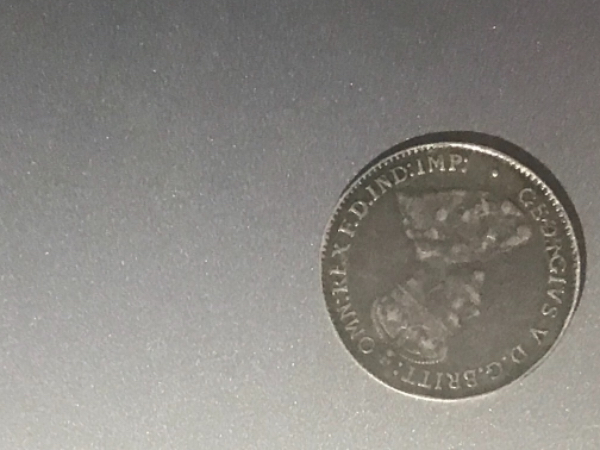
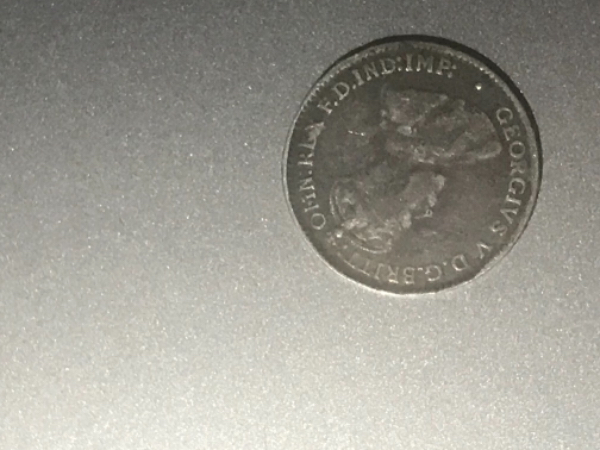
Sorry, but it is, almost certainly, an altered coin. The obverse and reverse dies which are used to make modern coins are differently shaped; this means that it is physically impossible to accidentally put an obverse die into the reverse position of a coin press. There are a very, very few "genuine" double-headed or double-tailed coins known; these were deliberately (and illegally) produced by mint workers fooling around after-hours.
It is difficult to tell how your coin was created, but the usual method is to start with two normal coins. Take one coin and grind it down completely flat on one side, so it is very thin. Take the second coin, and lathe out one side, creating a shallow bowl, into which the remains of the first coin can now fit. If done well, the seam between the two halves of the coin can be very difficult to spot. I think I can see traces of the seam in the first pic, above the IND IMP, but I'd need to see better pics to be sure.
Yes, the weight is usually wrong when such a fake double-headed coin is made, since magicians and tricksters don't need to get the weight right. A correct weight might just be a coincidence.
Don't say "infinitely" when you mean "very"; otherwise, you'll have no word left when you want to talk about something really infinite. - C. S. Lewis












 Posted 10/01/2017 08:09 am


