| Author |
 Replies: 17 / Views: 6,281 Replies: 17 / Views: 6,281 |
|
Valued Member
United States
65 Posts |
For a long time I have avoided like the plague any copper coin that had green on it. This crud or whatever you want to call it seems to affect/infect areas around the raised portraits and devices.
I see that the TPGing services don't seem to see anything wrong with this green crus, and grade coins with it.
Just what is this green ick I see, some of which are even on uncirulated speciments.
*** Moved by Staff to a more appropriate forum. ***
|
|
|
|
Moderator
 United States
34476 Posts |
Quote:
Just what is this green ick I see PVC residue? A little bard to know for sure without pics, but that would be my first guess. And yep, good idea to pass on coins with this damage. On the other hand, if you were talking about ancient copper coins, then it could be bronze disease (also good to avoid by the way). "If you climb a good tree, you get a push."
-----Ghanaian proverb
"The danger we all now face is distinguishing between what is authentic and what is performed."
-----King Adz
|
|
Bedrock of the Community
Australia
21789 Posts |
The green 'ick' is most probably verdigris, commonly known among coin collectors as 'copper (or bronze) disease'.
Chemically, it is a complex copper salt of copper hydroxy carbonate. If it appears as small clumpy or pimply growths, avoid the coin like the plague as you said in your OP. Underneath those growths, you will almost certainly find tiny corrosion pits in the surface of the coin.
You must keep keep such coins well away from other coins in your collection, because such corrosion can spread to them. Almost of the value is lost.
Curiously, with larger ancient coins, if the green appears faintly, as an even green tinge over the whole of the coin, some regard that as attractive eye appeal, and it can actually enhance the value of the coin. This rather attractive patina, when it appears on copper roofing of public buildings, is much admired.
|
|
Bedrock of the Community
United States
17884 Posts |
Green "ick" can also just be an accumulation of skin oils and dirt.
|
|
Rest in Peace
United States
17900 Posts |
I've seen some beautiful all green large cents where the green is a hard toning as opposed to verdigris.
Rather than being corrosive, they are similar to those with the dark toning that actually helps protect the surface.
Photos of what you are referring to might be helpful.
|
|
Rest in Peace
United States
18456 Posts |
By the way your describing it , sounds more like green corrosion than verdigris . But I'm sure TPG would detail those coins if it were . pics are so beneficial in determining your question .  |
|
Valued Member
 United States
65 Posts |
Thanks for all of your responses. I can understand a coin that has a green glow to it. That is probably toning of a sort. But what I was referring to are the patches around the devices and sometimes actually on the larger raised areas. From what you've said, these are corrosion locations on the coin. Yes, I have put a few Lincoln Cents in a jar with these problems, along with coins without any visible problems, and a few months later, the unblemished coins were showing signs of the green ick.
For the most part, I see this problem is very common on the Lincoln Cents minted after 1982. They seem to deteriorate at a very rapid rate, including signs of the green ick. For those cents prior to 1982, they also show this green ick, but they don't seem to succumb quite as rapidly.
I do collect Lincoln Cents, and stay away from anything detracting. As with my US Braided Hair Large Cents, I collect only choice specimens of a grade. What I mean by that is there is no unusual discolouration, no major nicks, rims are as clean as possible, etc. Most of all, the coins should catch my attention due to its condition, Great eye appeal.
So, the green ick is something I avoid like the plague. I was pretty sure it was corrosion, but needed to ask.
I look to fill my gaps in the US Braided Hair Large Cents several times a month, but I am running into the green ick even on coins that have been slabbed by PCGS. Apparently they don't think it is something detracting for grading purposes. I guess the green they are seeing might just be oils and dirt. But that still makes me shy away because it takes away from the total eye appeal of the coin. It's pretty frustrating to not see a coin for months that meets my critical eye, but I guess that is part of the fun of collecting.
Thanks for providing all of your opinions and knowledge. I am a bit more educated now. Caley Ann
|
|
Moderator
United States
34476 Posts |
Ok yes. Of course after 1982, US cents were made with a zinc core, which can corrode quite quickly. If you can, please post a pic or two of the ick on one of your slabbed coins. That would be quite interesting I think.
"If you climb a good tree, you get a push."
-----Ghanaian proverb
"The danger we all now face is distinguishing between what is authentic and what is performed."
-----King Adz
|
|
Valued Member
United States
65 Posts |
I don't own any slabbed coins with green ick. Like I said, I avoid those like the plague. I just could not believe TPGing services slabbed coins with such stuff. Like I said, it probably isn't corrosion in those slabs, but just oil and dirt.
|
|
Bedrock of the Community
United States
20753 Posts |
It is really simple. If you have any Copper, Bronze, etc. items out doors, you would eventually see the same thing. In some areas of the country Copper cables actually sort of rot away. In the Midwest, Companies such as ComEd have gone to Lead Covered Copper cables for grounding due to the excessive SO and SO2 in the air. This Sulfur Oxide compounds in the air combine with water, H OH, to form an Acid that attacks Copper forming CuSO3 or 4 which is that green stuff on pipes, statues and coins. In some areas this is so bad you read about what is called Acid Rain ruining statues and other outdoor things. That green stuff is CuSO3 or CuSO4 and it will spread if left lone. AND do not get it on your hands since Copper Sulfate is poisonous.
|
|
Bedrock of the Community
Australia
21789 Posts |
The Statue Of Liberty needed a very extensive restoration due to corrosion. Steel skeleton (frame), with copper cladding. Not a good combination of metals.  |
|
Valued Member
Canada
206 Posts |
|
|
Valued Member
United States
65 Posts |
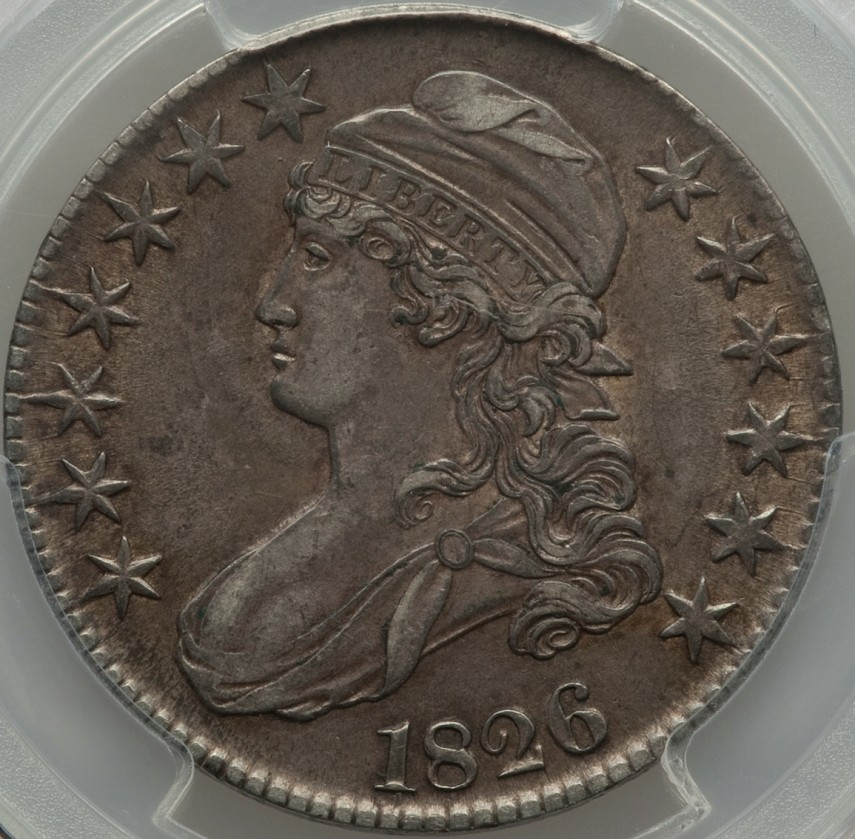
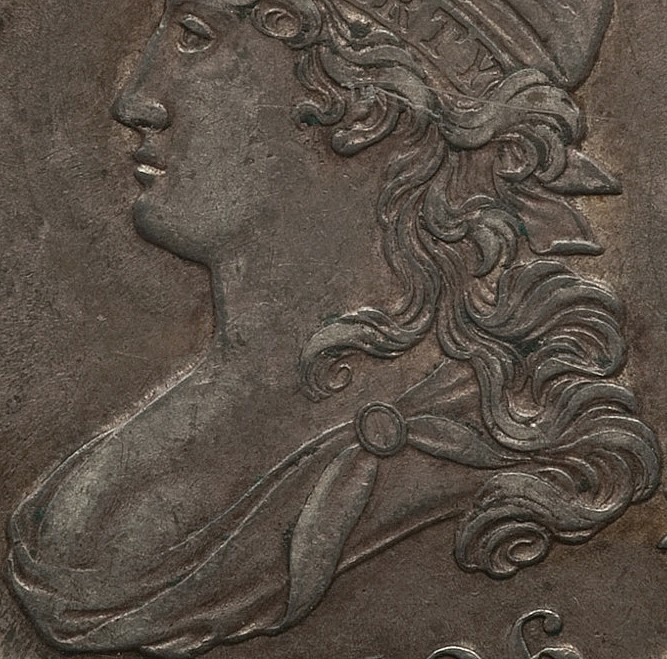
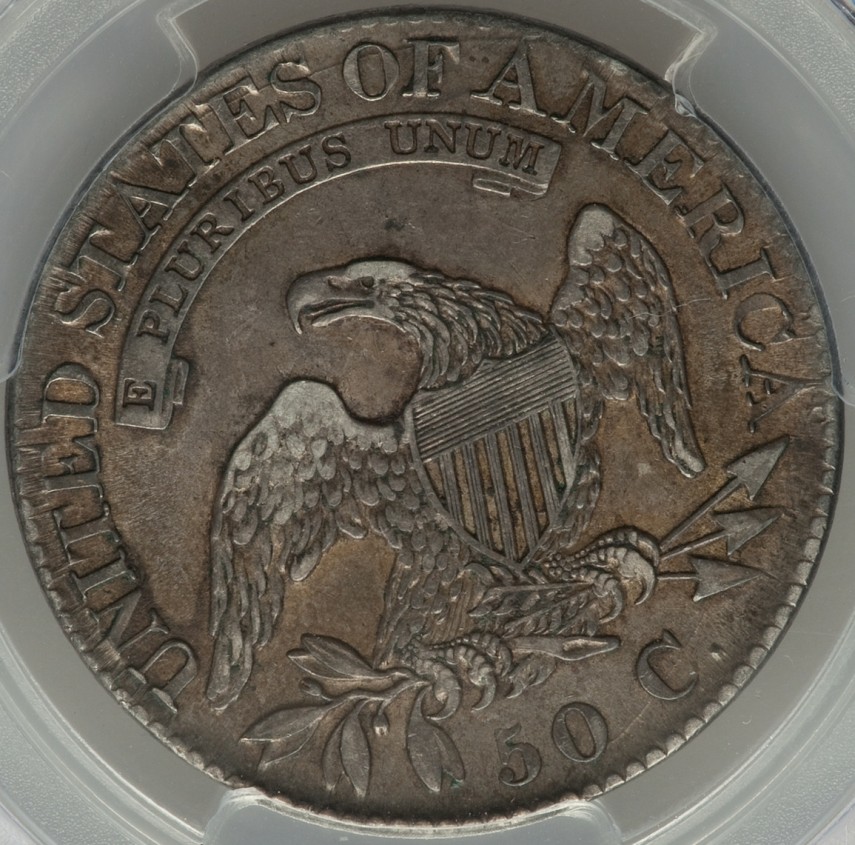
OK, here is a picture I pulled off the internet. This is a US Braided Hair Large Cent reverse which has what I call the green ick. Exactly what is it, if it is not corrosion? 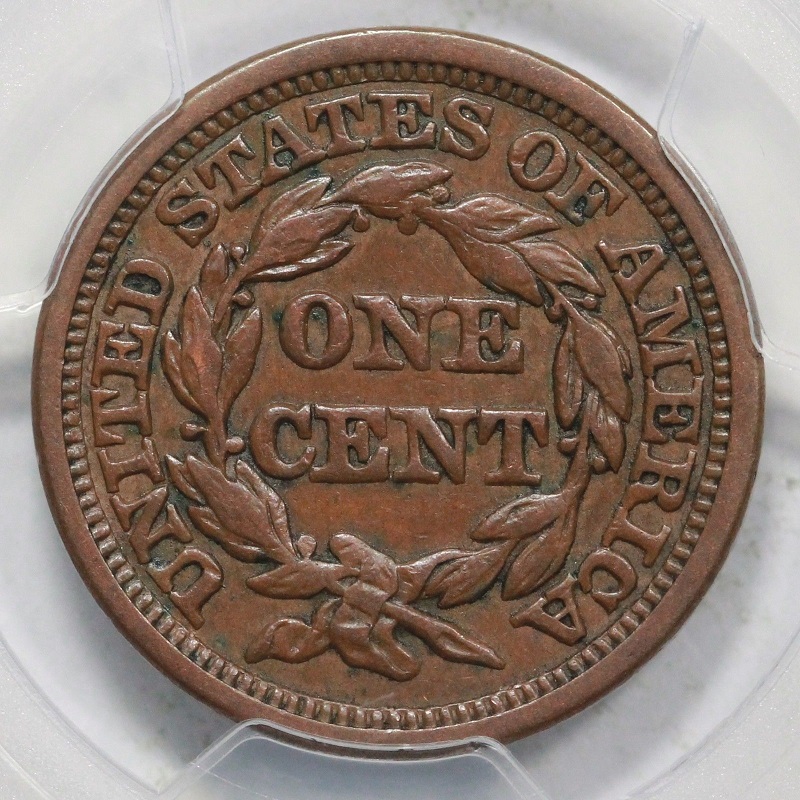 |
|
Pillar of the Community
United States
655 Posts |
I think it's just some kind of crud instead of actual damage or incipient damage and that's why they're slabbed. So many copper and some silvers- with just a little copper- have some of this. Here's a recent pic of 10 circ IHCs reverses that I was selling. About half of them have some green crud. 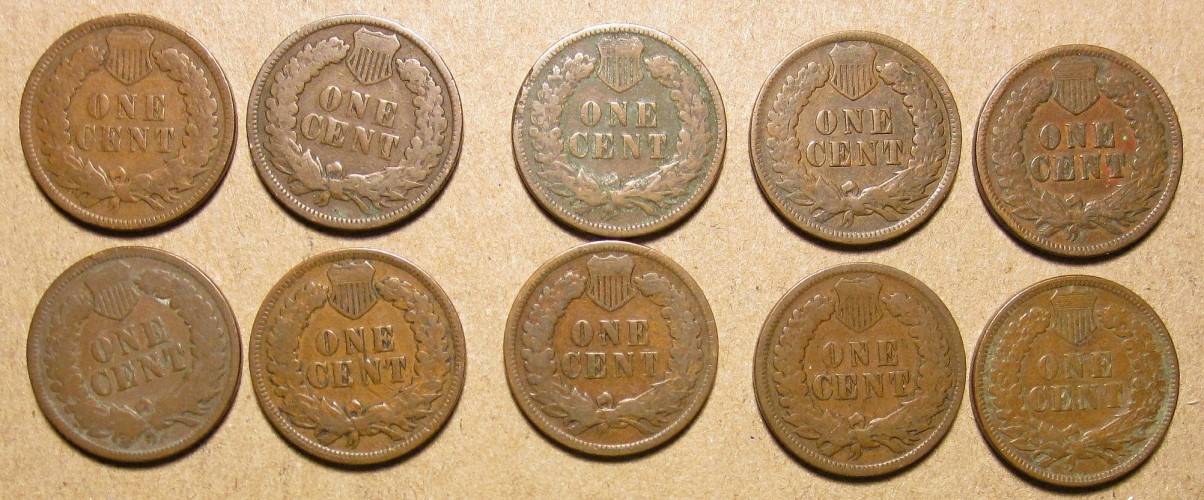 |
|
Pillar of the Community
United States
655 Posts |
Actually, some of those IHCs I bought looked so nasty under a loupe that, at one point, I gave most of them a bath. Don't know if it really killed any germs but it made me feel better, lol.
Your lg cent does look a little severe, though. Maybe, it does have some pitting along with the ick.
|
|
Pillar of the Community
United States
655 Posts |
Edited by ron6788
10/21/2017 11:48 am
|
| |
Replies: 17 / Views: 6,281 |










 Posted 10/15/2017 10:29 pm