Posted 10/31/2017 11:36 pm


From NGC
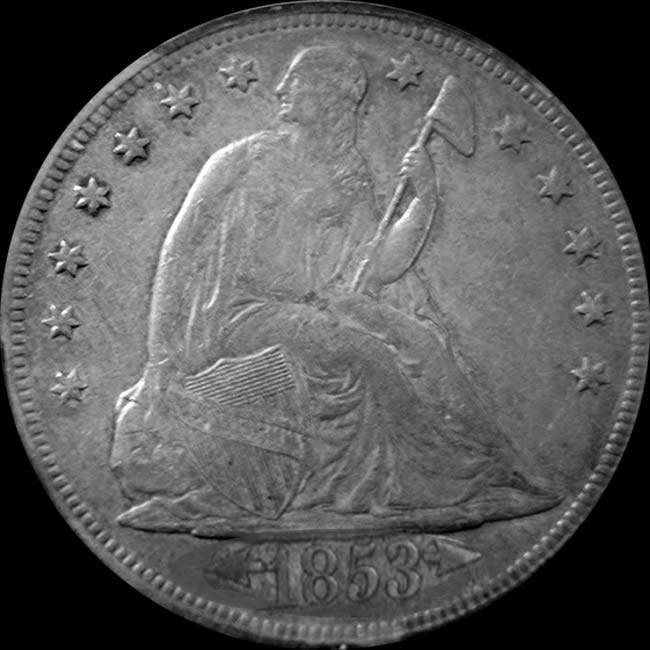
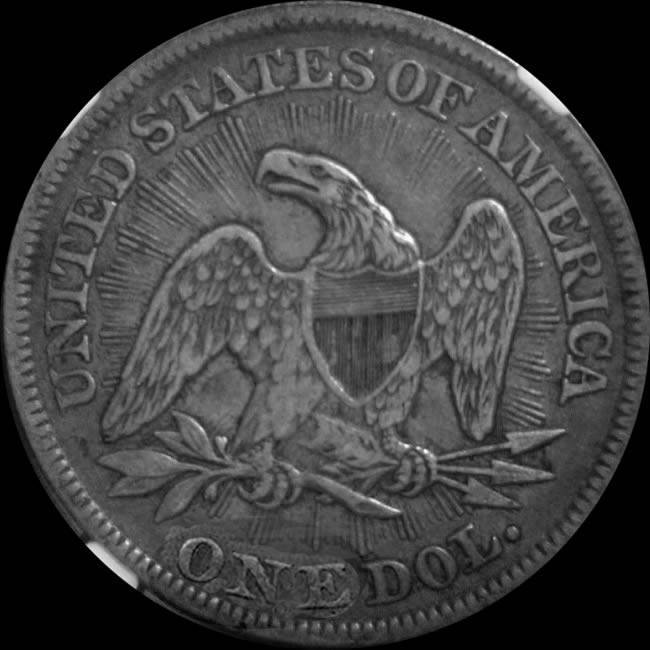
The vast quantities of gold that flooded the eastern United States in the late 1840s had a deleterious effect on the country's silver coins. As the price of the staple coinage metal rose sharply when reckoned in terms of gold dollars, it was not long before speculators started their usual hoarding and/or melting practices. By 1850, there were few coins in circulation between the lowly cent and the gold dollar. In an effort to rectify this grave coinage situation, Mint Director George N. Eckert proposed that Congress lower the weights of the silver coins to ensure that their face value remained above their bullion value. Despite reservations, Congress authorized this plan in the Mint Act of February 21, 1853. The half dollar's new weight was 12.44 grams, a sufficient enough reduction from its former weight of 13.36 grams to ensure that the denomination remained in circulation. To distinguish these new half dollars from their predecessors, Eckert ordered that arrows be placed on either side of the date and rays added around the eagle. With these features, the Philadelphia Mint delivered the first 80,000 examples of its lighter half dollar on May 21. By the end of the year, a respectable total of 3,532,708 specimens were produced by the parent mint alone.
The Seated dollars barely circulated so there was not the same problem of pulling small change out of circulation.
The vast quantities of gold that flooded the eastern United States in the late 1840s had a deleterious effect on the country's silver coins. As the price of the staple coinage metal rose sharply when reckoned in terms of gold dollars, it was not long before speculators started their usual hoarding and/or melting practices. By 1850, there were few coins in circulation between the lowly cent and the gold dollar. In an effort to rectify this grave coinage situation, Mint Director George N. Eckert proposed that Congress lower the weights of the silver coins to ensure that their face value remained above their bullion value. Despite reservations, Congress authorized this plan in the Mint Act of February 21, 1853. The half dollar's new weight was 12.44 grams, a sufficient enough reduction from its former weight of 13.36 grams to ensure that the denomination remained in circulation. To distinguish these new half dollars from their predecessors, Eckert ordered that arrows be placed on either side of the date and rays added around the eagle. With these features, the Philadelphia Mint delivered the first 80,000 examples of its lighter half dollar on May 21. By the end of the year, a respectable total of 3,532,708 specimens were produced by the parent mint alone.
The Seated dollars barely circulated so there was not the same problem of pulling small change out of circulation.