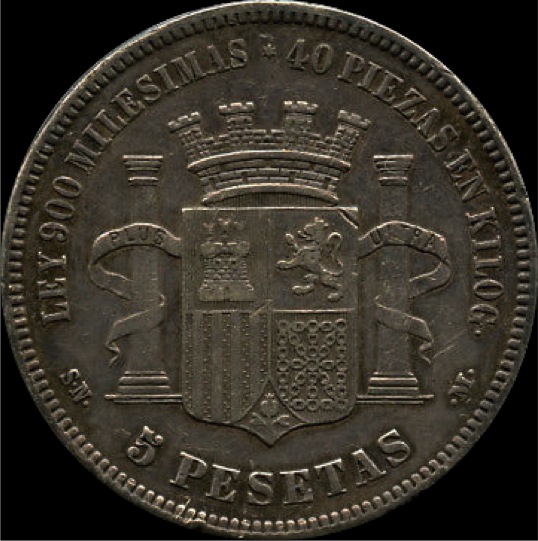
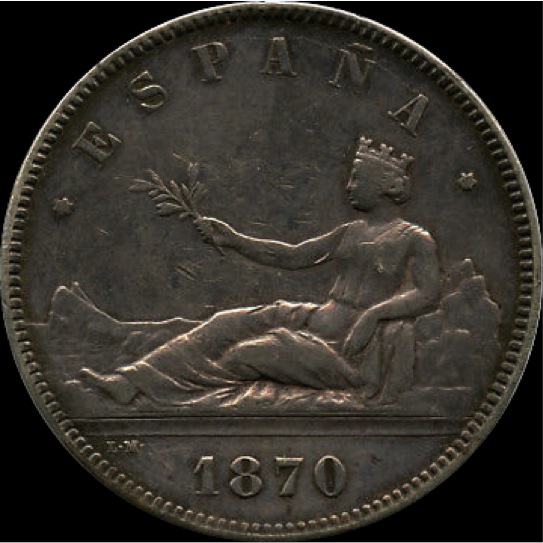
Every time I saw one of these I wanted one, now I'll have it!

The Massachusetts Bay Colony (1628-1691) was an English settlement on the east coast of North America in the 17th century around the Massachusetts Bay, the northernmost of the several colonies later reorganized as the Province of Massachusetts Bay.
A dowry is the transfer of parental property to a daughter at her marriage rather than at the owner's death.
A dowry establishes a type of conjugal fund, the nature of which may vary widely. This fund may provide an element of financial security in widowhood or against a negligent husband, and may eventually go to provide for her children.
Dowries may also go toward establishing a marital household, and therefore might include furnishings such as linens and furniture.
The dowry was a custom brought to the United States by colonists from England and elsewhere in Europe.
One legend tells how
John Hull, the Master of the Mint in Boston and a wealthy man, determined the dowry for his daughter Hannah's marriage to Samuel Sewall.
Hull is said to have set his 18-year-old daughter onto one side of the large scales in his warehouse. He piled shillings into the other side of the scale until he reached her weight in silver, and that was her dowry.

Nothing to sneeze at being worth your weight in shillings!
Just a tidbit here from my figuring. Let's say John Hulls little daughter Hannah was of a weight of 85 pounds.
A Pine Tree shilling weighed 72 grains, lets say his daughter, ballpark 650,000 grains.
If she sat on one side on a scale it would have taken about 9000 or more Pine Tree Shillings to balance the scale.
The shilling was worth 1/20th of a Reale of 8, so lets divide 9000 by 20 to equal 450 Reales of 8.
I think conservatively she probably was worth around 500 Dollars in 1600's economy.
The average Pine Tree shilling is worth about $5000.00 in XF today, so she would have been worth
$45,000,000.00 in Pine Tree Shillings if those 9000 shillings were saved.
Of course, a hoard of 9000 Pine Tree Shillings suddenly coming onto the numismatic market today would probably drive the prices and values down considerably.
So would you think the buying power of 500 Dollars in the mid 1600's was the better deal?
Naw...
I think it would have been equal to around 100 times $500 or $50,000.00 today.
I'll take the shillings, thank you!








 First Page
 Previous Page


 Posted 06/19/2018 08:29 am