| Author |
 Replies: 10 / Views: 5,137 Replies: 10 / Views: 5,137 |
|
|
Pillar of the Community
United States
1260 Posts |
|
|
|
|
Moderator
 United States
34553 Posts |
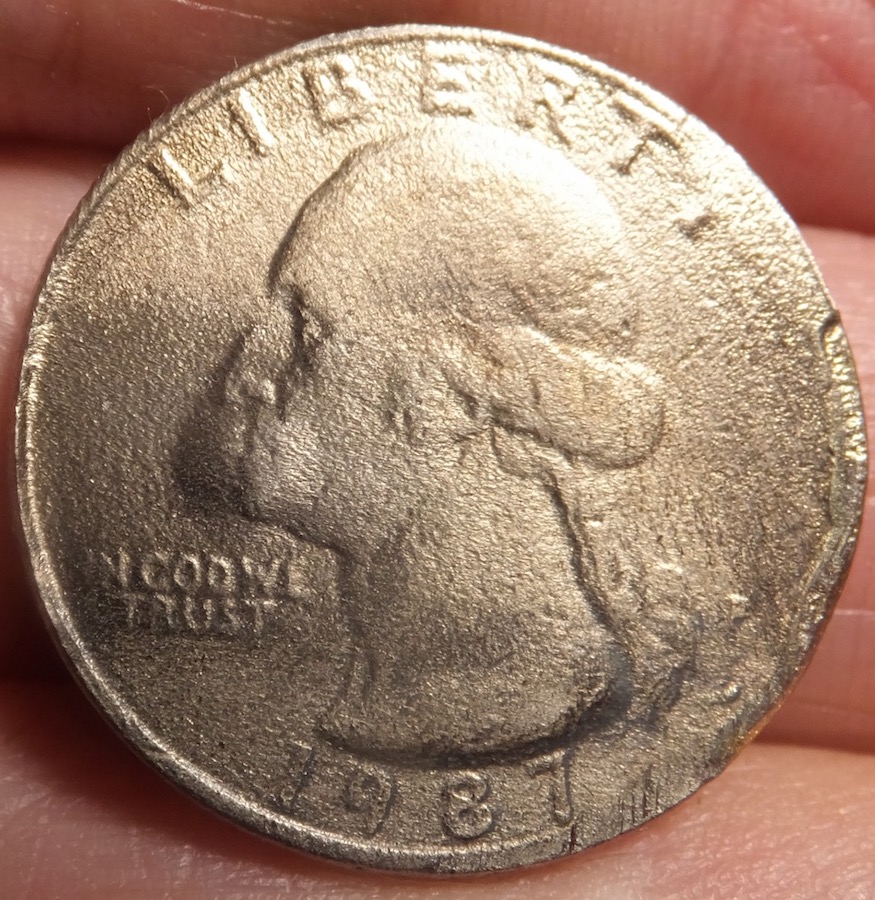
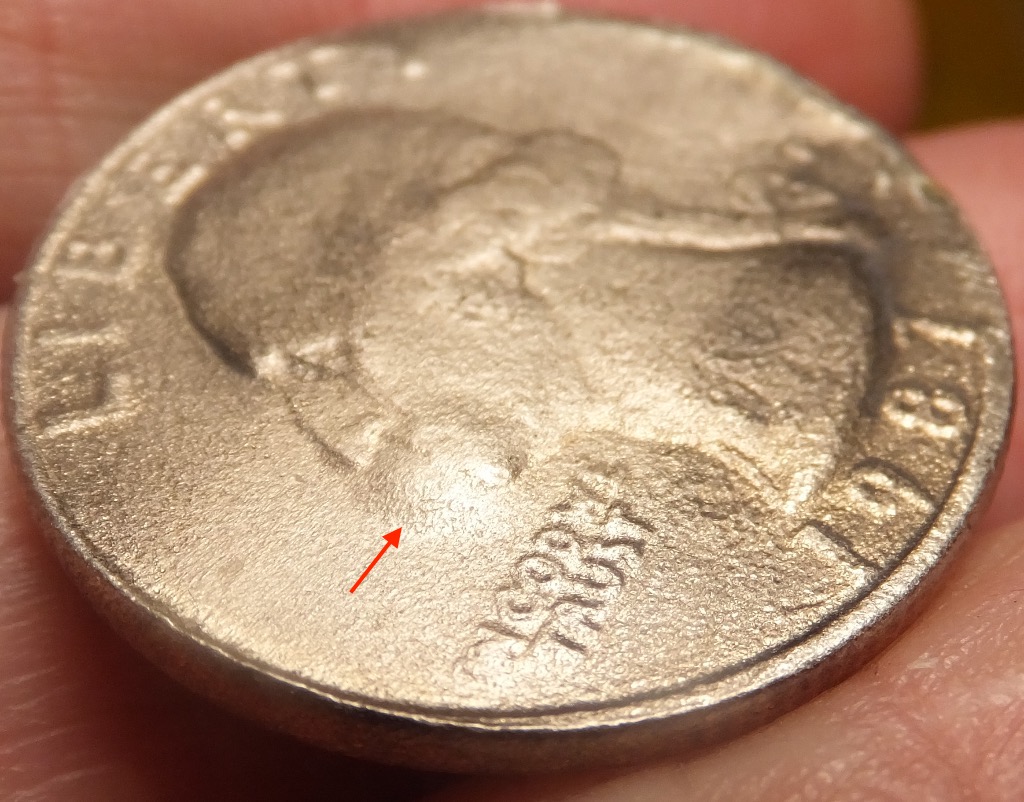
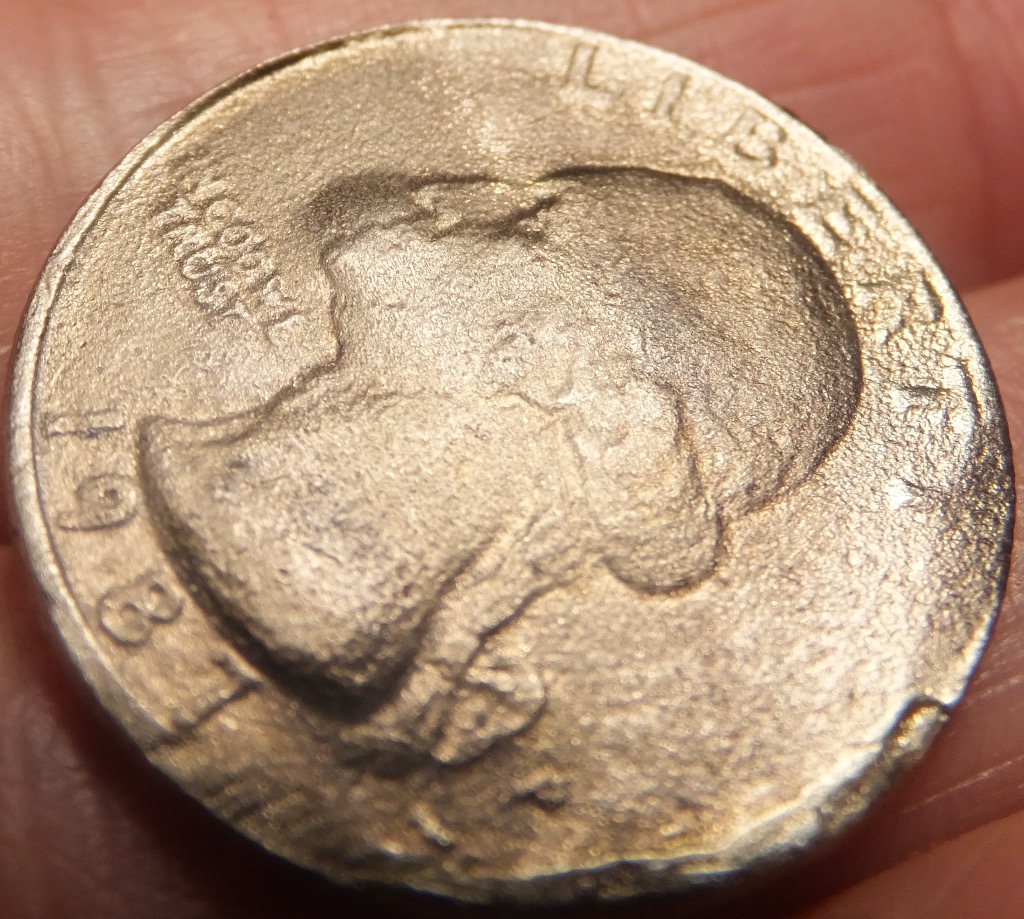
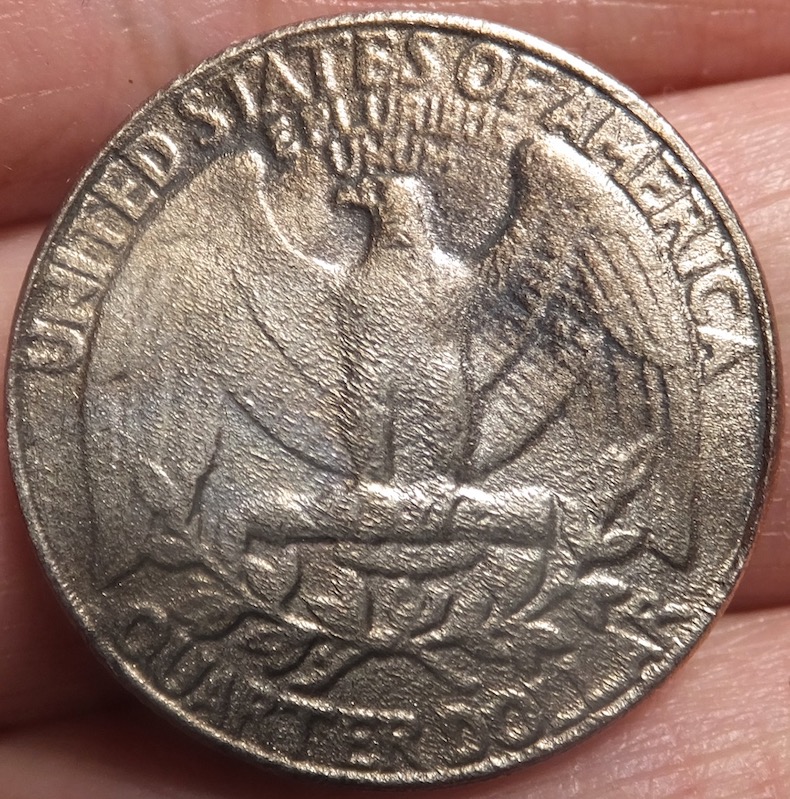
@OJC, my first thought was a brief acid bath to get that roughness on the faces, but we have seen bubbling from heat in past threads. Seems like a bit of a science experiment!
"If you climb a good tree, you get a push."
-----Ghanaian proverb
"The danger we all now face is distinguishing between what is authentic and what is performed."
-----King Adz
|
|
Pillar of the Community
 United States
1260 Posts |
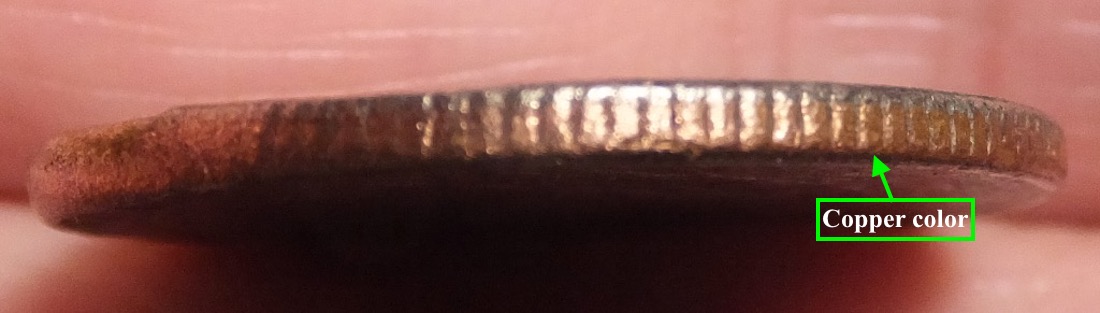
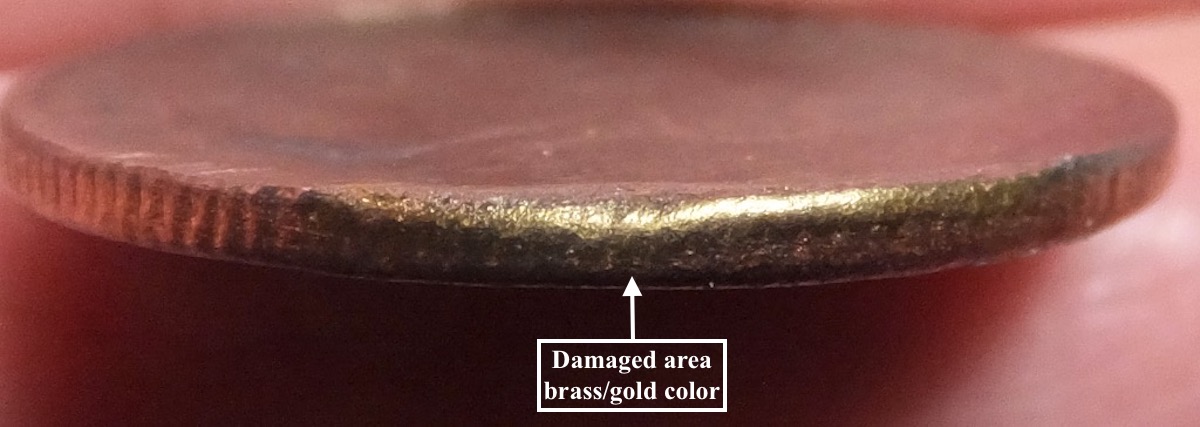
Thanks Spence. Acid was my first thought but when I saw the copper still around the edge, I had second thoughts. Lets see what others have to say. Thanks again.  |
|
Pillar of the Community
7234 Posts |
I'd say a short acid bath - heat would discolor the clad coin - probably turning it darker
|
|
Bedrock of the Community
United States
94367 Posts |
I'm in the acid vat as well.
|
|
Pillar of the Community
7234 Posts |
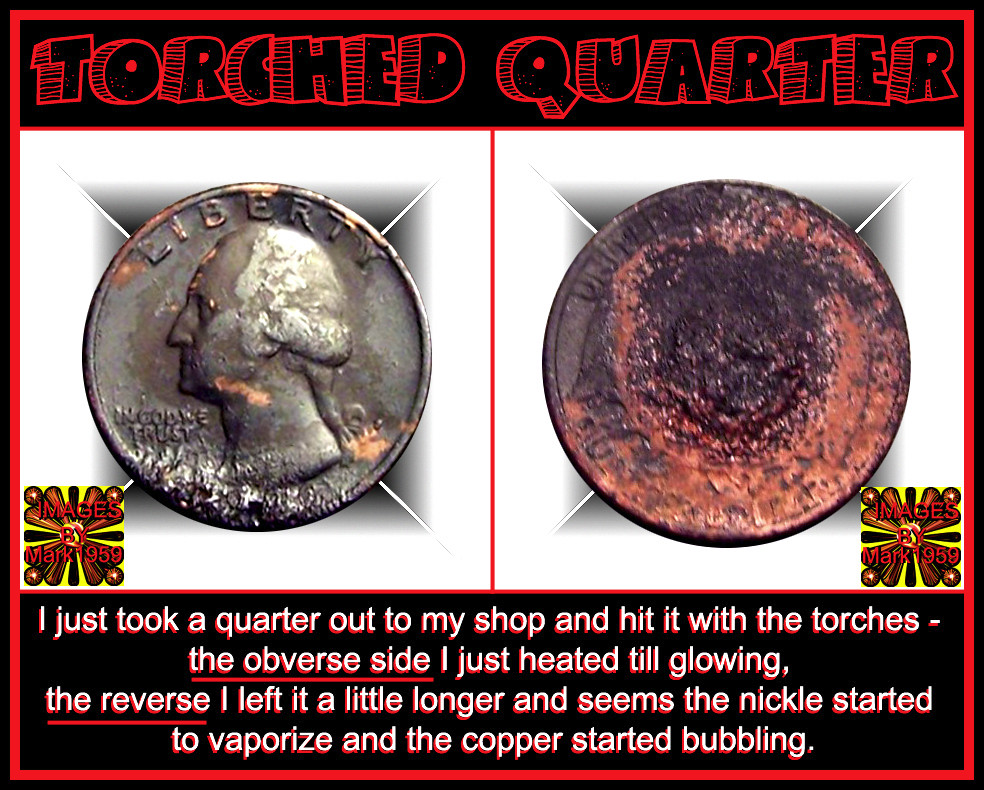
I just took a quarter out to my shop and hit it with the torches - obverse side I just heated till glowing, the reverse I left it a little longer and seems the nickle started to vaporize and the copper started bubbling 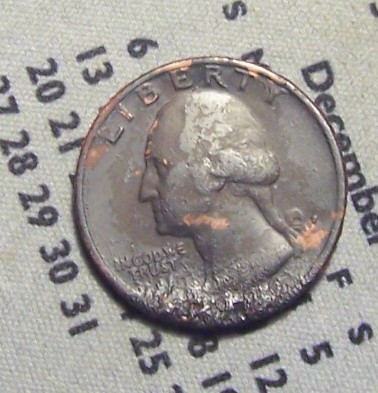 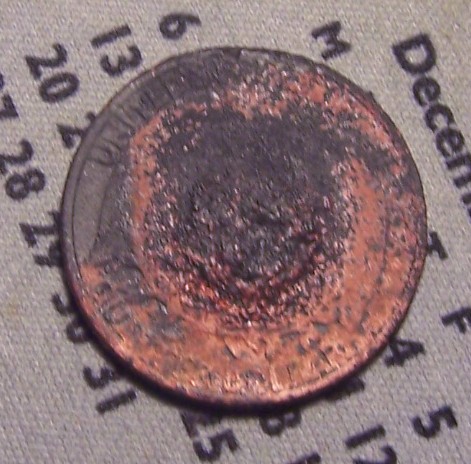 |
|
Pillar of the Community
United States
1260 Posts |
Thanks Coinfrog, don't stay there too long.  Thanks Mark, looks like I owe you two-bits and a little gas. Are you sure you tested a 1987-P?  |
|
Pillar of the Community
7234 Posts |
Quote:
Are you sure you tested a 1987-P I hope you you are kidding. Clad quarter planchets do not deviate from the composition as what the mint has to use. Just like Liberty nickels up through the Jefferson nickels have been minted on the same composition alloy plantchets. |
|
Pillar of the Community
United States
1260 Posts |
Yessssss, just kidding.  |
|
Bedrock of the Community
United States
62064 Posts |
|
|
Pillar of the Community
7234 Posts |
|
| |
Replies: 10 / Views: 5,137 |
|












 Posted 12/01/2017 12:40 pm