OK, NOW I'm excited! 
Let me explain why.
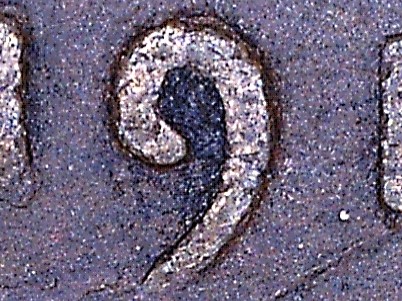
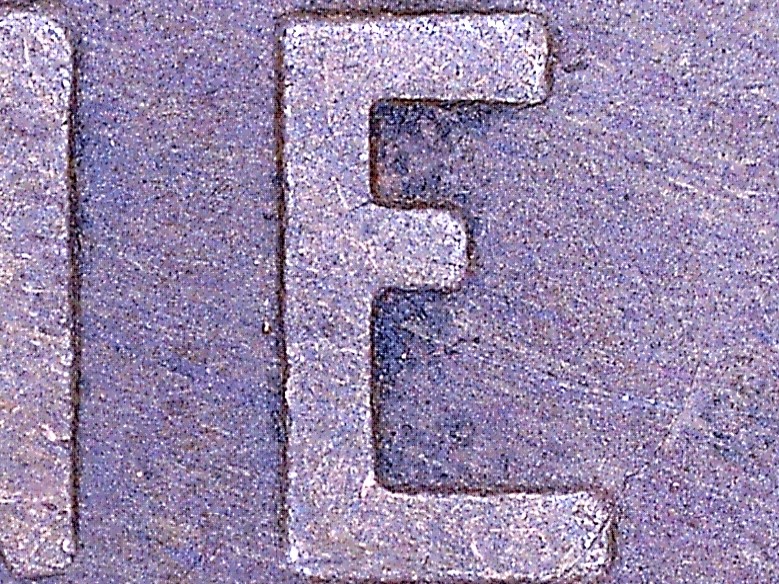
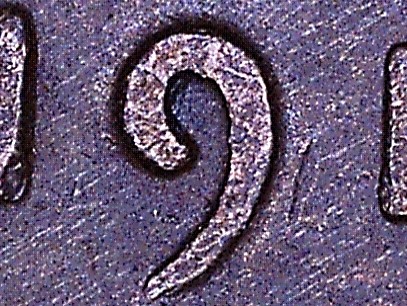
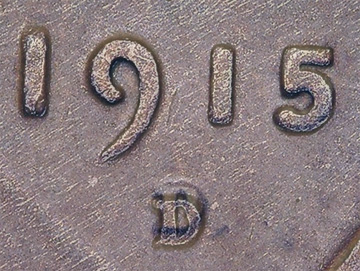
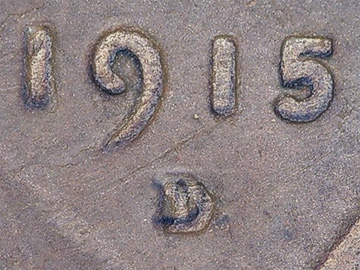
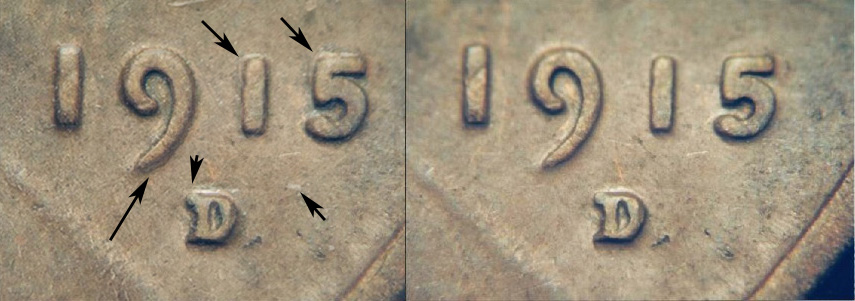
First, thank you tropicalbats for the overlay. That's conclusive. The second coin didn't come from the same die as the first coin or the Wexler coin. You are awesome for doing the overlay. Thank you Slamnbass for your verification of the mm position and different die issue.

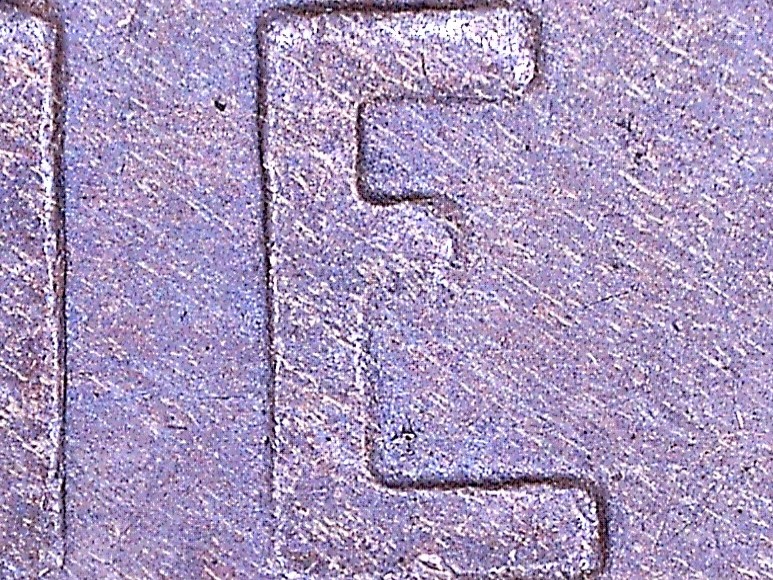
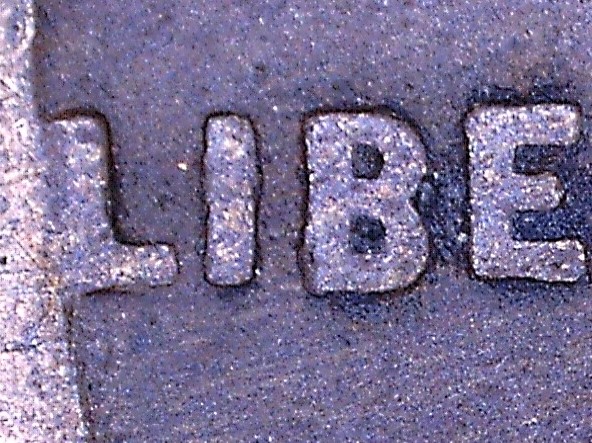
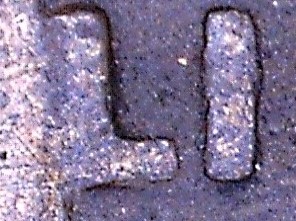
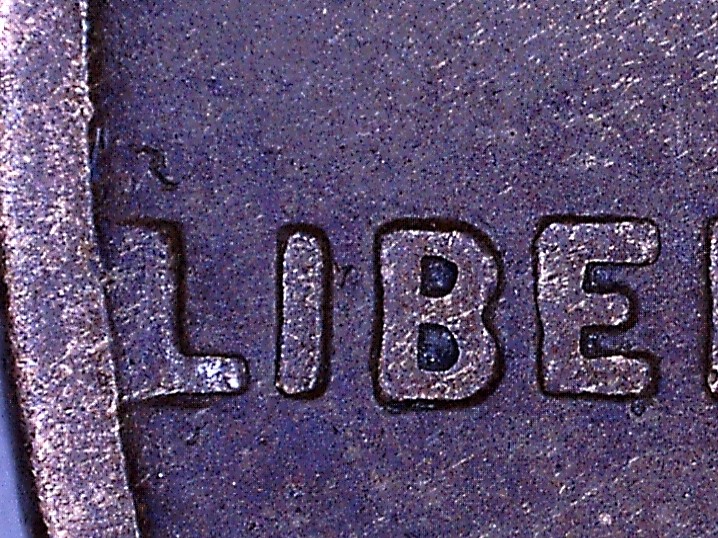
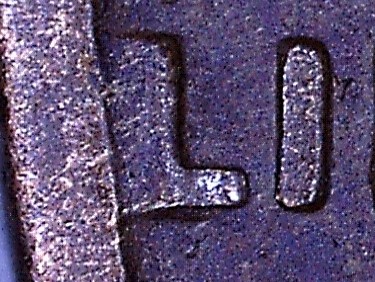
Second, mission control, we have a problem, but it's a fun one. Both coins have strikingly (pun intended) similar "L" issues: an angled bar beneath the "L" and a wedge-shaped bar to the lower left of the "L." These strongly suggest that the "L" is doubled at a very similar angle. The slight differences in the lower bar
may be able to be explained by quality of strike, die wear, and circulation. Let's set that aside for a moment, because I think there is a better explanation. There is a much bigger problem:
What caused that issue with the "L"?I can only see three possibilities:
(a)
Neither coin is a DDO. The bar and wedge adjacent to the "L" is caused by die damage from a similar source, and only appears to be a doubled "L." Problem: It sure
lookslike a Class VIII spread. (Compare to the 1964 Class VIII
DDO Lincoln, with the hub tilted in the other direction for the "L" in "LIBERTY.") Also, I can't think of what could cause such similar damage on two dies, straddling but not obliterating the "L."
(b)
One coin is a doubled "L" but the other looks very similar, but has a different cause. Problem: both coins look much more alike than different on the "L." Different causation should produce much more dramatically different appearances.
(c)
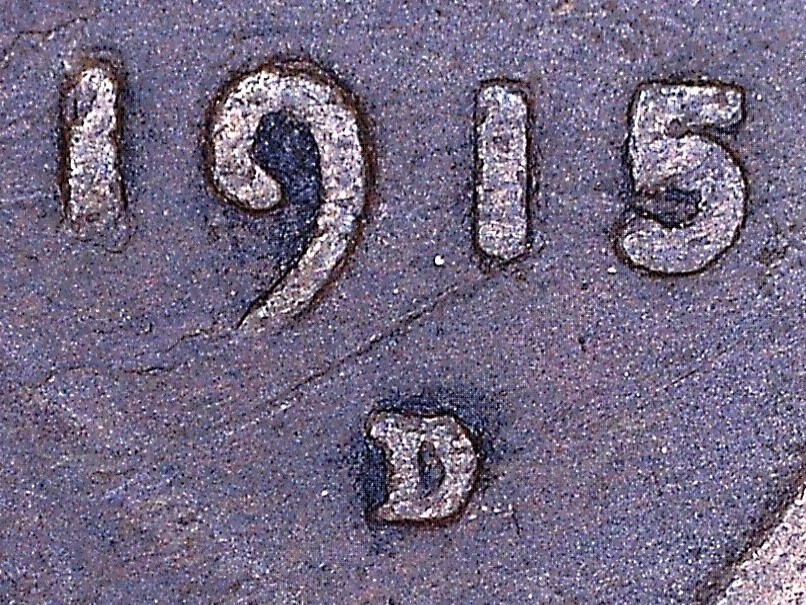
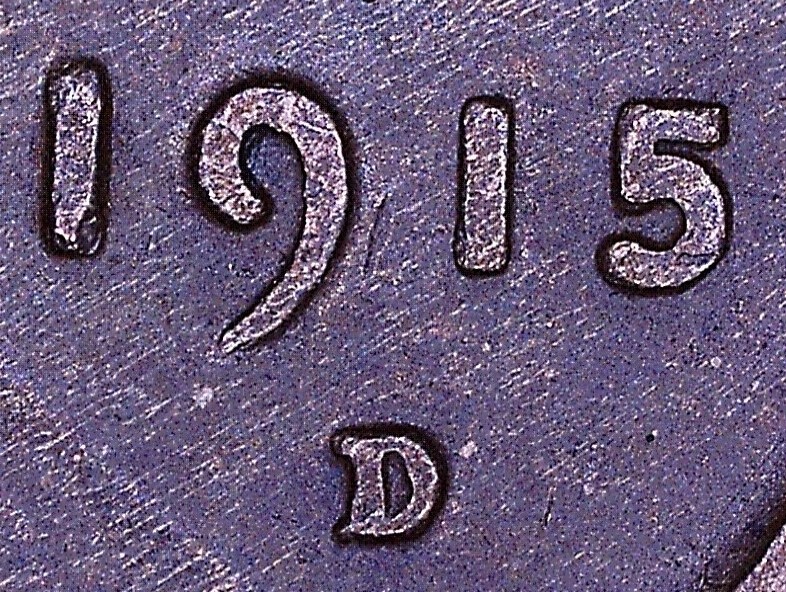
Both are doubled dies. In this situation, Philadelphia would have hubbed two dies, likely in short succession, with the hub tilted in approximately the same orientation for the dastardly squeeze. This would account for the similar appearance and the minor differences. this would account for the different mm positions. And it would account for the differences in the die markers. It would also account for why there seem to be quite a few examples of the 1915-D
DDO. Doing the hubbing close to the same time would also explain why both dies were given Denver mint marks. It could also partially account for why one coin has a much sharper strike than the other.
I think we have a new 1915-D
DDO on our hands.
What does everybody think about this scenario? Right? Wrong? Plausible? Are there any other viable explanations?









 Posted 01/09/2018 05:02 am