| Author |
 Replies: 32 / Views: 3,043 Replies: 32 / Views: 3,043 |
|
|
|
Pillar of the Community
United States
2600 Posts |
 Would not acid and the wire brush theories not convey the marks to the rim, also? From the pics, I do not see any, and would that not mean that they were conveyed to the palnchet after the coin had been thru the upsetting machine? If that is plausible, then the marks would seem to have to have been applied by the die as Mr. Neff suggested. Jim |
|
Bedrock of the Community
United States
62064 Posts |
Looks real similar to a subject BJ mentioned on coppercoins.com a couple of years ago. http://www.coppercoins.com/forum/vi...rch&start=45I just thought of it a few minutes ago. Removing the darkening would be interesting with out scratching the coin. https://www.coincommunity.com/forum...hed_Cent.jpgFinding it in circulation would tell you that the person who made this coin, knew it wasn't a keeper so passed it on down the line. I had several ideas that came to me, but this one is the logical one to me. |
|
Pillar of the Community
United States
2600 Posts |
Hi, Coop. What are your thoughts on the lack of rim distortion? The coin in your post from Coppercoin's site shows changes on the rim where heat was probably applied. The surface marks on the coin in question has markings right up to the edge of the rim but nothing on the rim proper as far as I can see. The marking on the coins do seem very similar, though.
Thx for your thoughts, Jim
|
|
Pillar of the Community
 United States
4113 Posts |
Thanks for all your help on this Coop: Regarding the rim- its smooth around the entire circumference of the coin. Here are some pics of the rim. 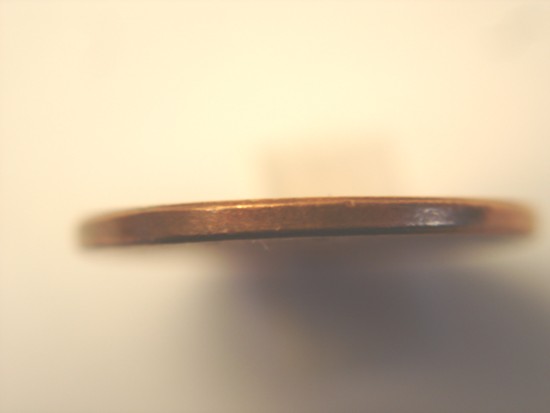 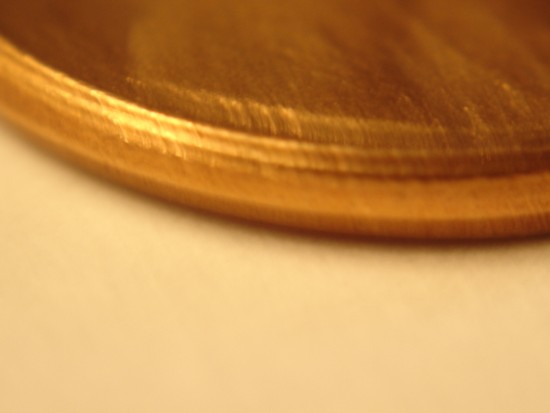 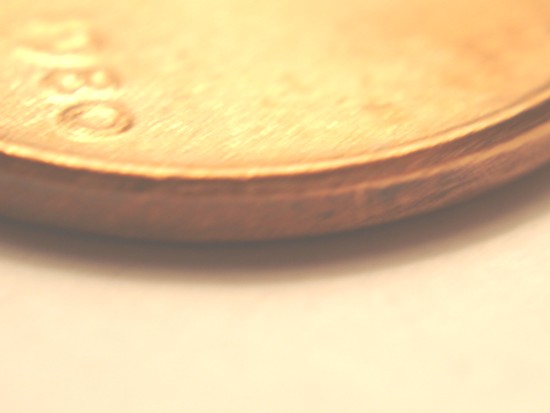 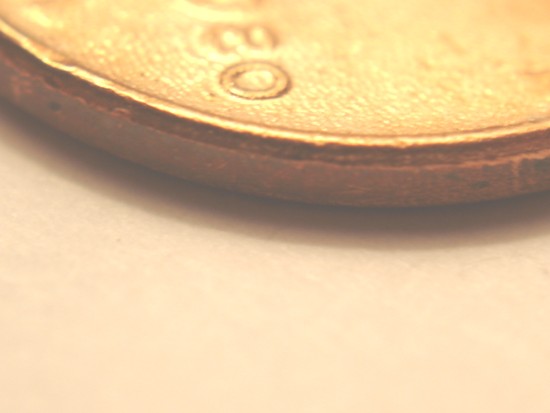 |
|
Bedrock of the Community
United States
62064 Posts |
Jim: The image on coppercoins.com was one from an auction on ebay. I saved the image for educational use as it would have disappeared shortly on that venue. What ever type/method of heating on that image may have cause that distortion on the lower part of the obverse. Over heating or experimenting may have caused the damage Some people win races, others crash. Depending on skill, equipment and experience. It one new how to work with the tools of their trade they would have a better chance of accomplishing a task than one trying it for the first time. Some feel is was done with a wire brush, others with heat, but all agree that it was not done at the mint. It was post mint damage. I've never tried to re-create the experiment and won't because it would just damage something I enjoy. Bad enough finding coins with road rash on them when going through circulated Cents. Chuck: On your coin there appears to a collar issue or a holder was used to work on the coin. Probably one I would save for educational purposes to show others. But you always have a copper cent that is worth at least melt. Thanks for sharing it and your nice emails. |
|
Pillar of the Community
United States
2600 Posts |
Thanks, Richard, I really appreciate your thoughts.
Jim
|
|
Pillar of the Community
United States
4113 Posts |
Thanks again to all for the great feed-back!
I'll keep this is the NON- file 13 drawer for the time being. (LOL)
|
|
Pillar of the Community
United States
527 Posts |
I have tried to heat a coin with a torch to see if any thing like this would occur, but no success. The surface grew red hot and then bubbled, but no ripples. I agree with foundinrolls, the lemon battery would present acid, but even more damaging would be the electric current, this is in fact a type of electrolysis, which would decay the coin in this manner. The copper electrons would flow from the copper to the nail. It has been a while since I have done the lemon battery, but if I remember correctly the nail was galvanized, as copper electrons flow more easily to Zinc which is used in galvanization. I think it was this strong bond between zinc and copper that inspired my least favorite of modern coins.  Edited by NGiles
05/22/2008 12:22 am
|
|
Bedrock of the Community
United States
17884 Posts |
Not orange peel. OP from die wear especially when heavy has a radial patter extending outward from the center of the coin. This coin does not have that radial pattern.
|
|
Pillar of the Community
United States
7629 Posts |
I'm with Bill...it's acid bathed.
|
|
Valued Member
United States
236 Posts |
I've seen something similar when reverse electrolysis was used to try and remove corrosion from a coin.
John Booth
|
|
Pillar of the Community
United States
5318 Posts |
Coop, that "blow torched cent" looks very similar to Canadian cent "error" I have. I could post pics, but the effect is almost identical. |
|
Pillar of the Community
United States
4113 Posts |
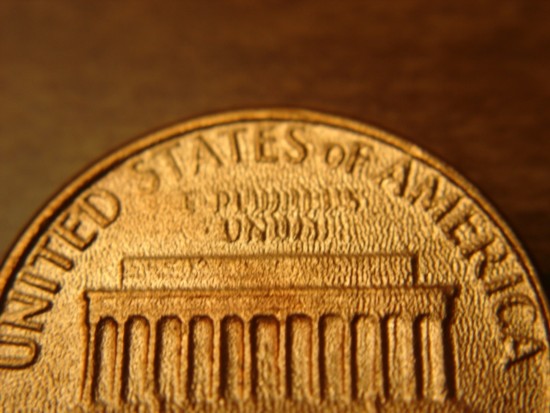 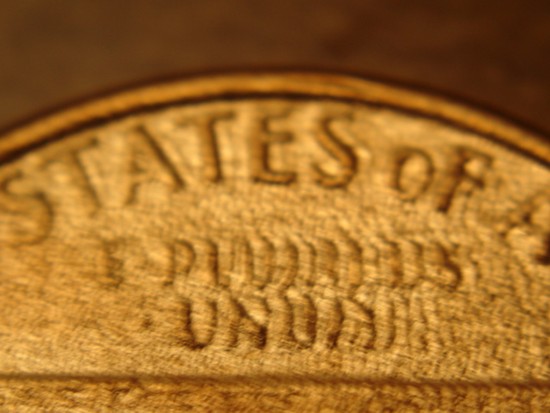 The Consensus is acid bathed- Mr. John Wexler also agreed on that's what happened with this coin- Post Mint. (Thanks Coop for forwarding this on to him for his expertise). However, one question that BJ NEFF asked earlier and I would also like to know, still has not been answered by anyone who agreed that this was not a late Die Deterioration Mint error- "How did the doubling get on this coin" if not by Die Deterioration. There is definitely extra columns in Columns 11,12 and outside of 12 on the Reverse and also there is faint doubling of letters on the Reverse (last S in states and around the CEN of Cents Something else I just noticed on this coin- all the letters on the Reverse of the coin "United States Of America"- every letter is bold except the first S in states - its flat- indication of struck thru grease? How did acid do that, UNLESS this coin had doubling etc on it and was acid dipped with the doubling and struck thru grease error already on the coin. Which would beg the question- Why go out of your way to change the finish on the coin and destroy a coin with doubling on it? IF that's what happened- acid dipped ,post mint, but with doubling on the columns etc PRIOR to the acid treatment- What's the status of the coin then- real or fake? Here are some more pictures. 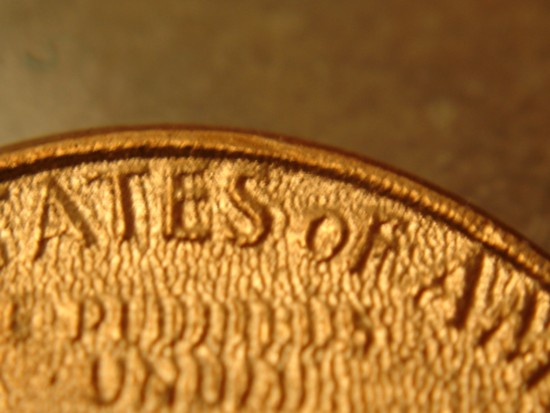 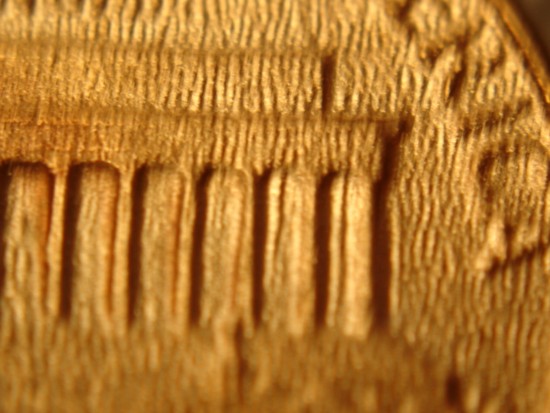 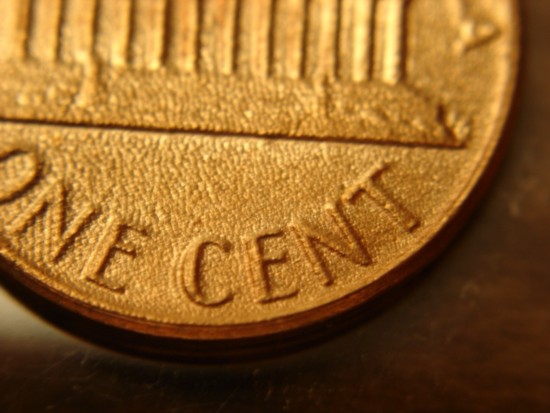 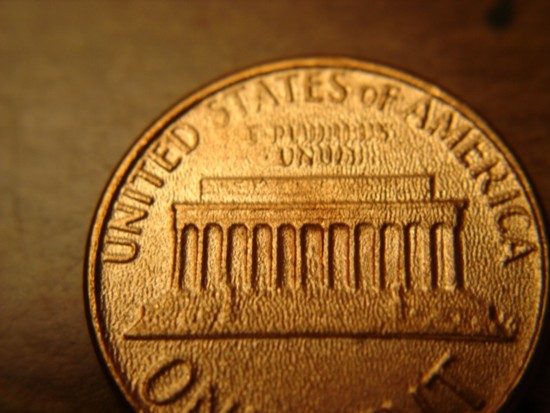 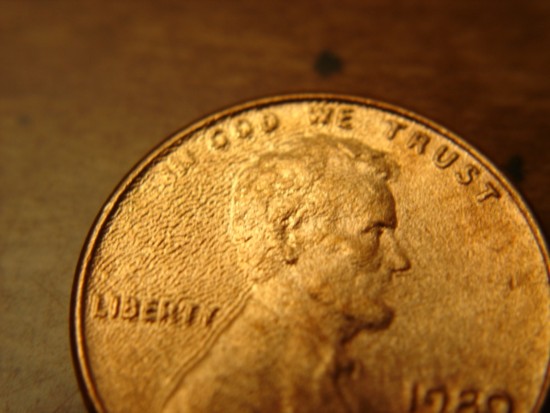 |
|
Pillar of the Community
United States
3507 Posts |
As the coin was being effected by the acid bath and the electrical aspects of the science experiment that caused the damage, the metal that is removed from the surface of the coin (the ridges and flow lines were caused by this) travels around the lettering and the details on the coin. The appearance of the doubling is caused by the flow of material over the surface of the coin as the metal is chemically removed.
It is similar to standing on the beach at the edge of the surf. As the water flows past your feet, it creates an outline around your feet in a shape similar to your feet.
The doubling that you are seeing is a result of the damage and was not there prior to the damage.
Thanks,
Bill
|
|
Pillar of the Community
United States
4113 Posts |
Thanks Bill:
Question,
Is there a way to distinquish true doubling versus acid created doubling under a scope and if so- what should I be looking for?
A co-worker has one and has offered to let me see the coin with it.
|
| |
Replies: 32 / Views: 3,043 |








 First Page


 Posted 05/21/2008 10:51 am


