| Author |
 Replies: 14 / Views: 2,719 Replies: 14 / Views: 2,719 |
|
|
New Member
United States
11 Posts |
I've a second coin here that's part of a 1983 Proof Set that I've not seen before. This is a Quarter that appears as though the Obverse word "LIBERTY" has not been finished in the usual Matte like Proof finish but instead is mirror like. Under the Microscope you can see it has not been touched and blends in with the background of the coin. The rest of the coin looks correct with all other raised Devices looking like they've had the Proofing treatment. Is this something that any of you have seen before and what are your thoughts on it? This one actually looks quite attractive although (I believe!) incorrect when I compare to my other Quarters in my other Proof sets. Let me know if anybody would like to see the high resolution images. Thanks for your help. 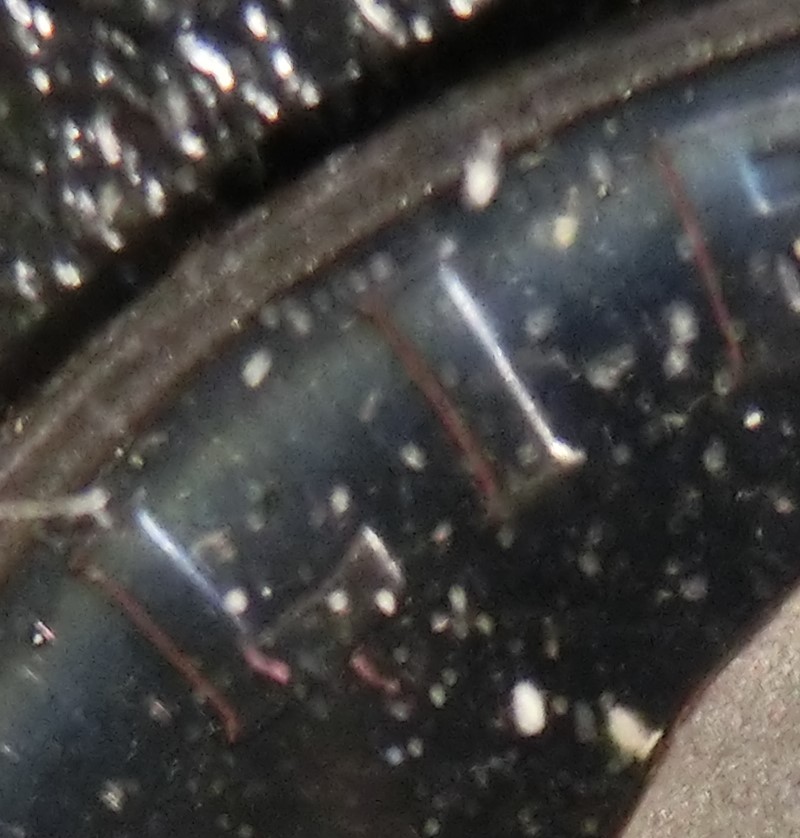 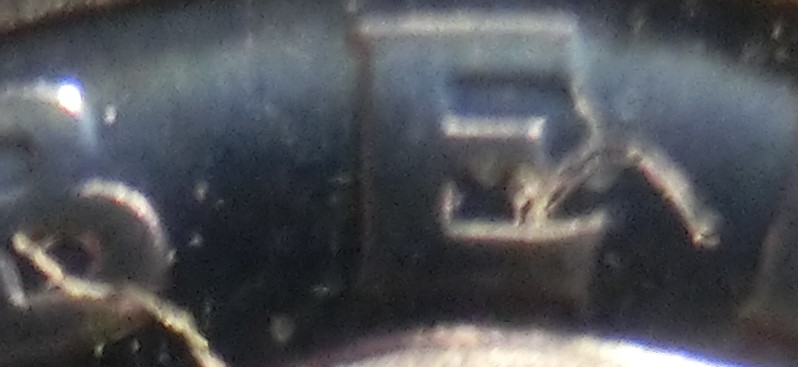 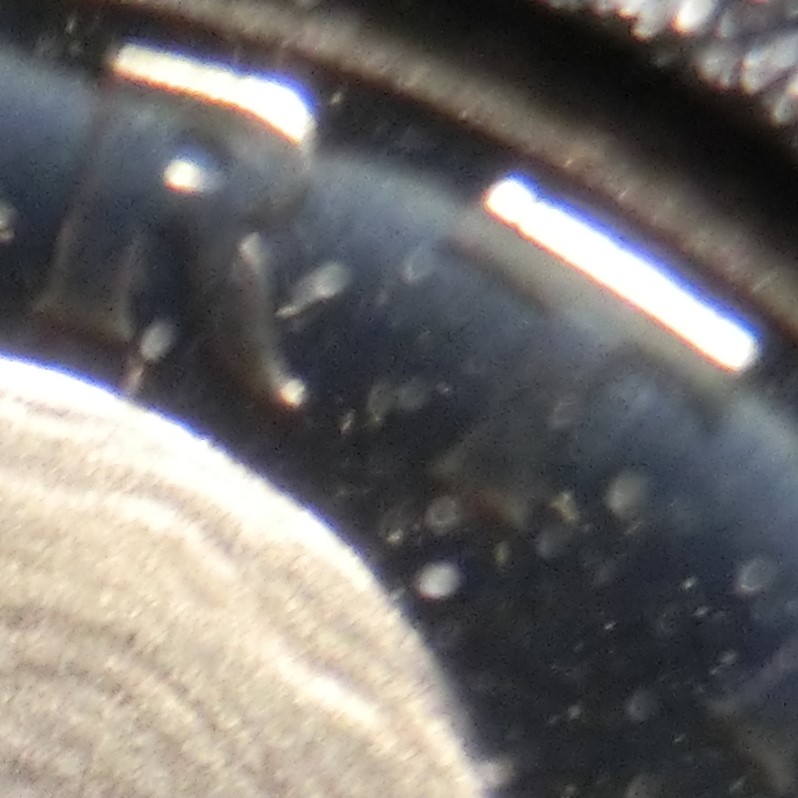 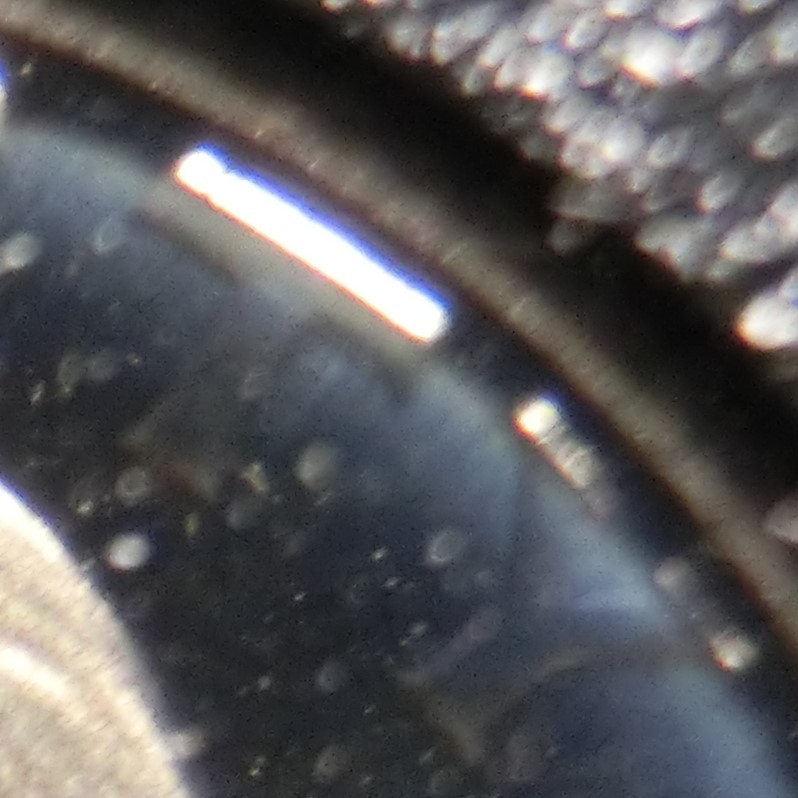 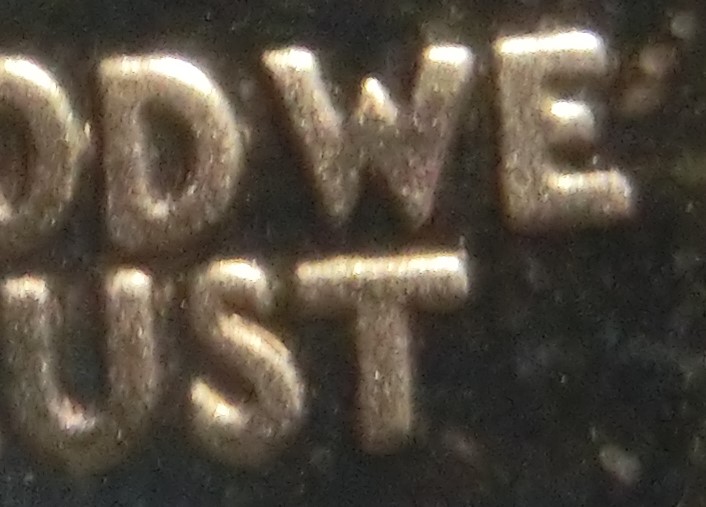 |
|
|
|
Moderator
 United States
15924 Posts |
 to the CCF. Im hopeful that our more knowledge folks can support your questions. |
|
Moderator
United States
56855 Posts |
to CCF. Looks like holder toning or haze to me. John1  |
|
New Member
 United States
11 Posts |
Here's a full size image that I used the built in Image Optimizer on. Let me know if this helps. You should be able to see that the word "LIBERTY" is mirror like and has not been manipulated from it's original Planchet at all. 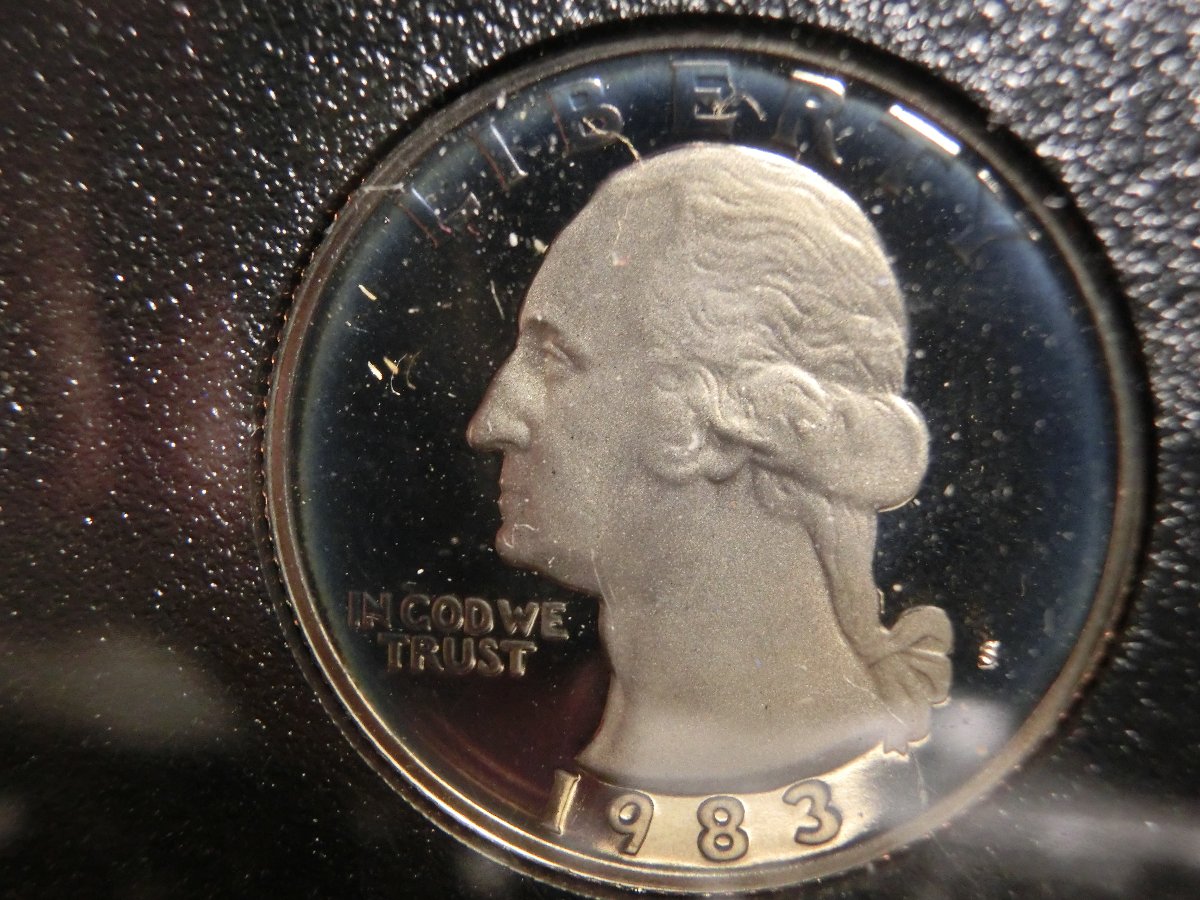 |
|
Moderator
United States
56855 Posts |
Do you mean the letters in LIBERTY are missing the "frost" look? John1 EDIT: What does the reverse look like? Edited by John1
03/09/2018 8:10 pm
|
|
New Member
United States
11 Posts |
Hi John1, Yes, exactly. My apologies for using the incorrect terminology. The Reverse looks the same as the Proofs I have in every other year with frosting on all raised Devices. Under a Microscope you can see the pitting in the all raised Devices that create that Frosted look on everything raised other than the word "LIBERTY" which looks exactly like the metal around it. You can even see the flow of metal running from the polished Field below the word "LIBERTY" running up through the letters and out through to the rim of the coin, uninterrupted.
|
|
New Member
United States
11 Posts |
Here is the Reverse.  |
|
New Member
United States
11 Posts |
Here is the Obverse again but upside down to try to show the coin under different lighting conditions: (As you can see, the "19" in "1983" aren't much better but at least they are partially frosted. 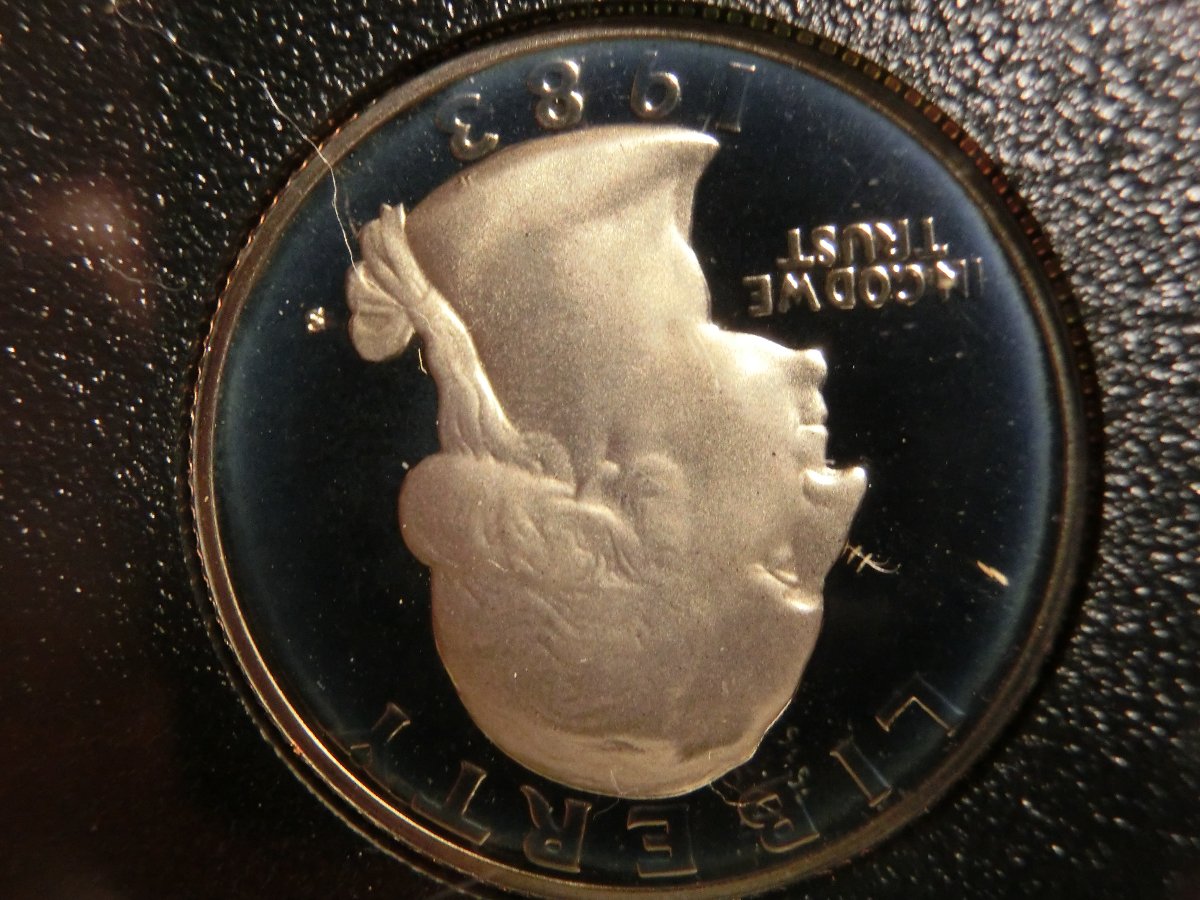 |
|
New Member
United States
11 Posts |
Finally, this coin is from my OTHER 1983 Proof Set which shows how I believe the Quarter should look. (I hope this doesn't get confused with the original in all of the above posts)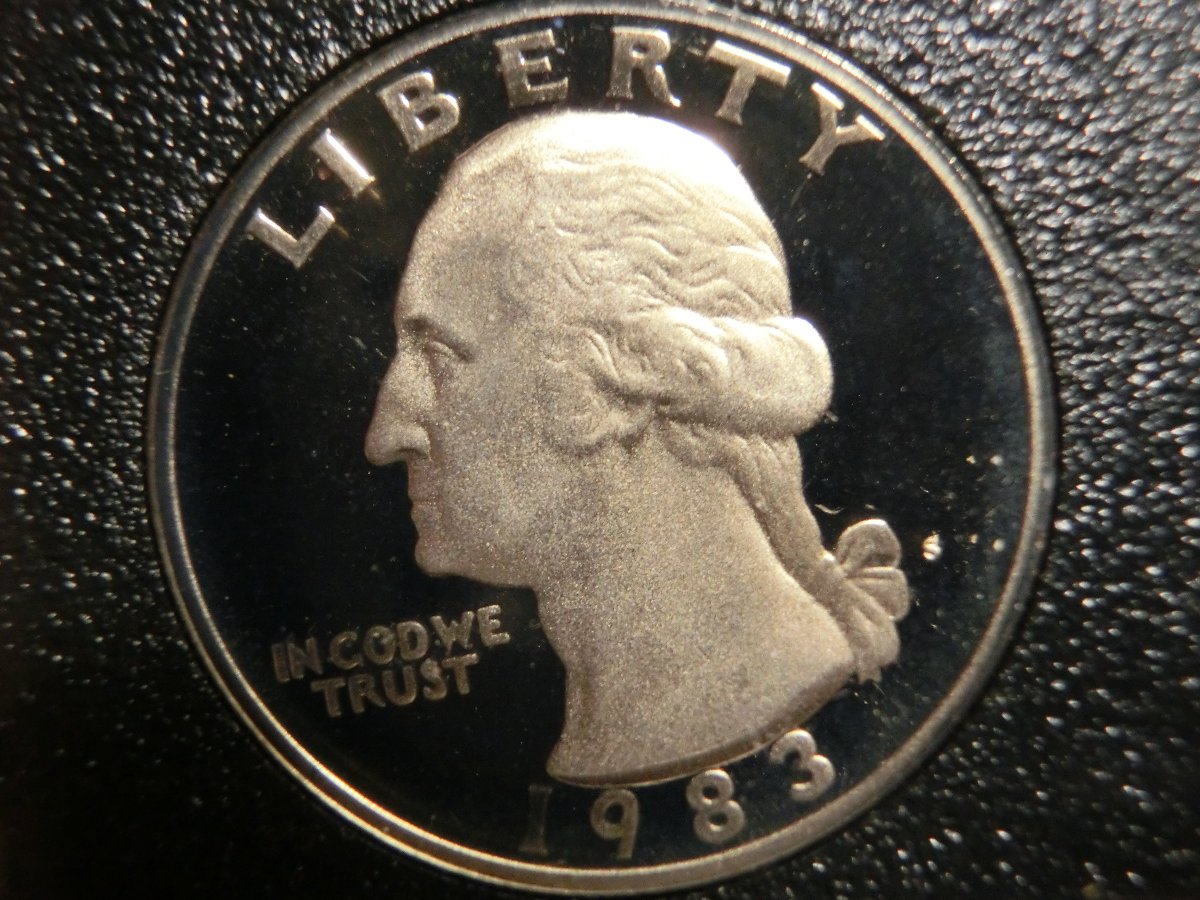 |
|
Pillar of the Community
United States
3344 Posts |
to the forum! My guess is that this was a worn or polished die. "Nummi rari mira sunt, si sumptus ferre potes." - Christophorus filius Scotiae
|
|
New Member
United States
11 Posts |
Forgive my ignorance but isn't having polished dies the idea when it comes to Proofs? The word "Liberty" is mirror like. Is it possible that the blank Planchet did not have enough material there to fill the dies when compressed perhaps?
|
|
Moderator
United States
56855 Posts |
If there was not enough metal there on the obverse side,the opposite side would be weak also. Would need the weight of the coin to know that. Let's wait for a pro or two to chime in. John1 |
|
Pillar of the Community
United States
2189 Posts |
|
|
Pillar of the Community
United States
3344 Posts |
Sorry. I was unclear with my polishing statement. I was wondering if the die was re-polished and some of the matte detail on "Liberty" was removed. Could definitely be something else, just pondering.
Edit: I am not a pro And don't play one on TV.
"Nummi rari mira sunt, si sumptus ferre potes." - Christophorus filius Scotiae
Edited by Bump111
03/10/2018 07:11 am
|
|
Bedrock of the Community
United States
17884 Posts |
Two possibilities,the die may have been improperly frosted to begin with, or the die may be wearing and losing the frost. As the metal moves across the die during striking it polishes away the frost. Since metal movement is greatest at toward the edge the peripheral features would probably lose their frost first.
|
| |
Replies: 14 / Views: 2,719 |
|







 Posted 03/09/2018 6:51 pm





