| Author |
 Replies: 16 / Views: 2,905 Replies: 16 / Views: 2,905 |
|
New Member
United States
8 Posts |
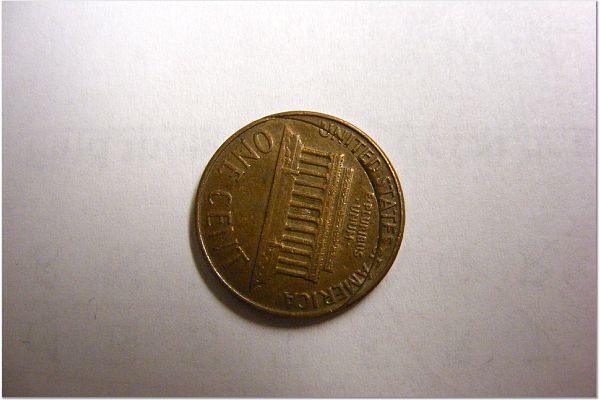
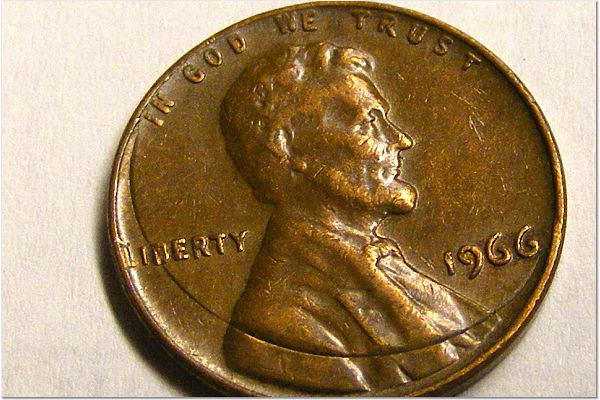
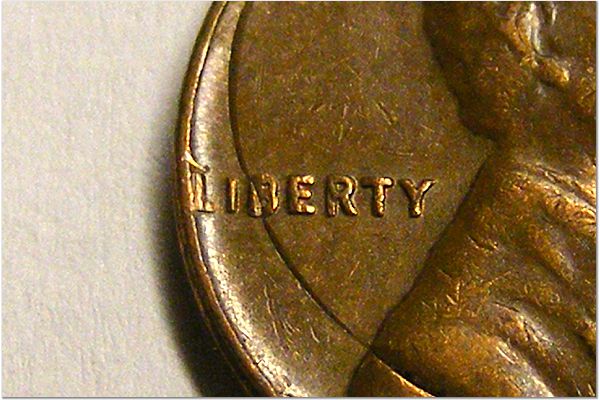
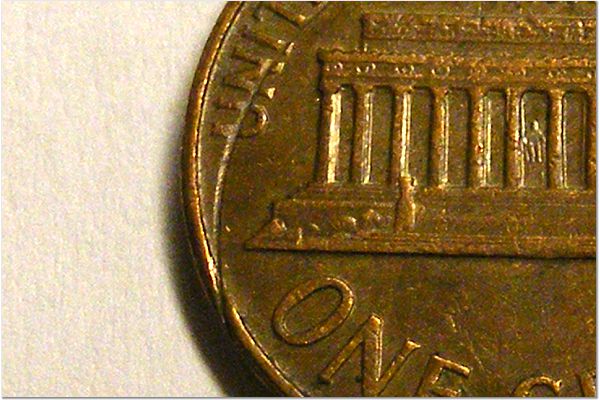
I found this coin is circulation. It looks to me like an Incomplete clip, but I'm a novice so I am not sure. What is your opinion? I noticed that the mark is on both sides, and it matches the size and curve of a penny's edge. It also looks to me like the "B" in liberty was struck over the mark. 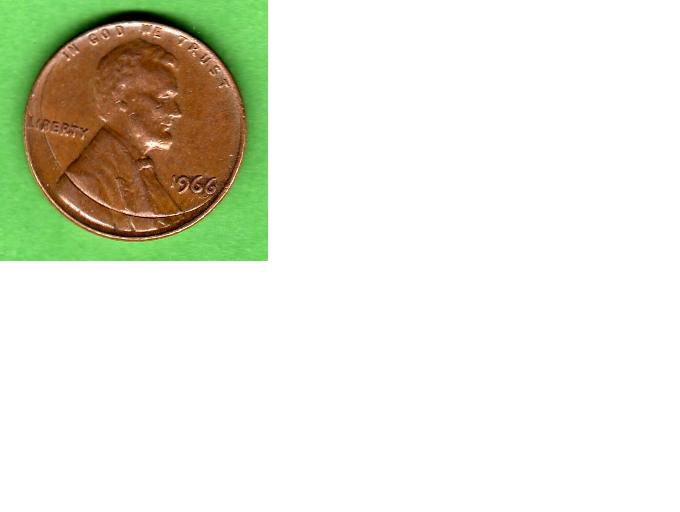 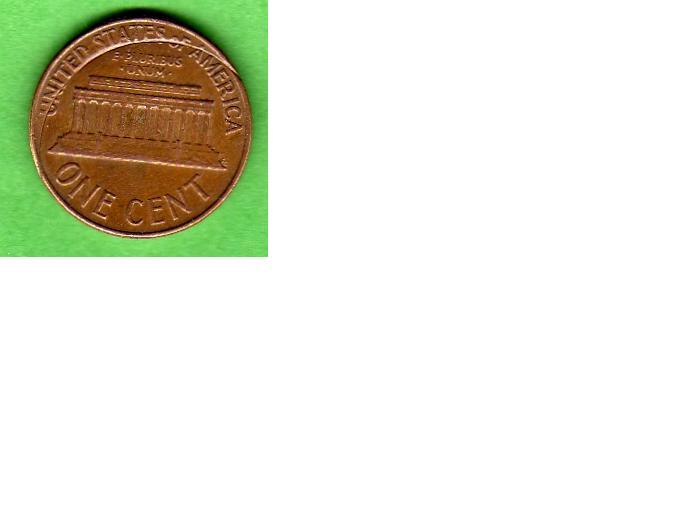 |
|
|
|
Pillar of the Community
United States
3507 Posts |
It could be , but a closer inspection would be needed to be sure. The pictures provided are not large enough to tell.
It has the right look but as stated, it needs a closer look.
|
|
New Member
 United States
8 Posts |
Thanks foundinrolls, I may see what I can do about getting a better picture.
In the meantime, what can I look for to get a better idea?
|
|
Bedrock of the Community
United States
12437 Posts |
Look for metal flow around the curve
|
|
New Member
United States
8 Posts |
What do you mean by metal flow around the curve? How specifically do identify that?
|
|
Valued Member
United States
405 Posts |
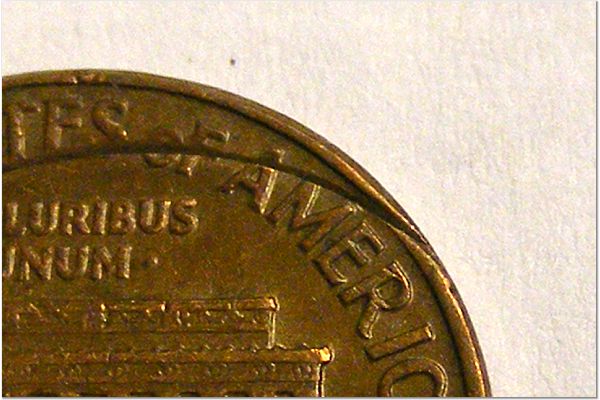
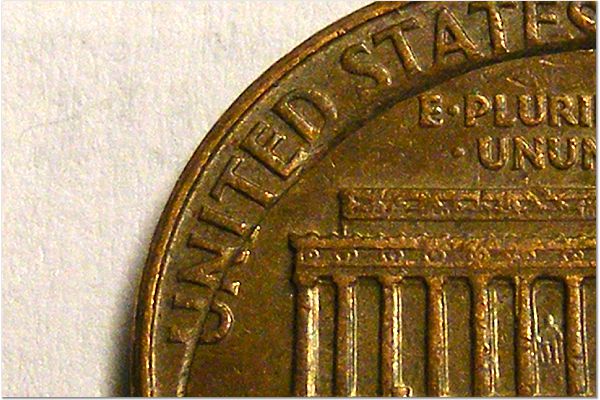
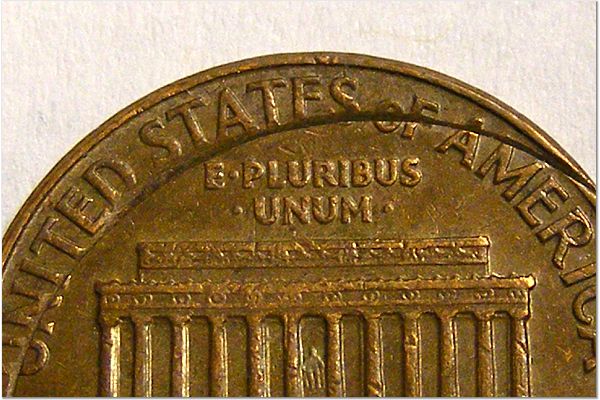
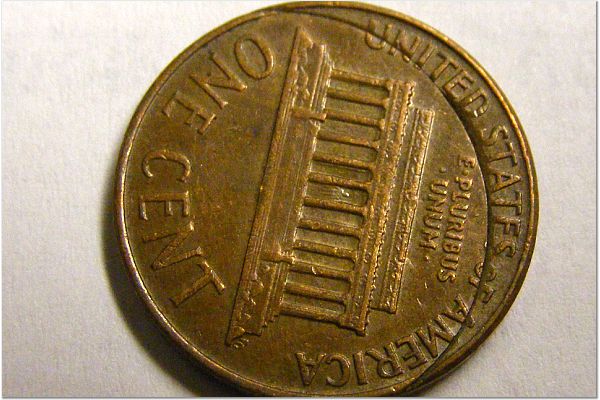
It seems like the radius of that curve on the obverse is too small for it to be a penny planchet punch mark. The radius of the curve on the reverse seems right, but it is also larger than the obverse. Maybe that's all an optical illusion though? Do the ends of the punch marks line up on the reverse and obverse?
Edited by seattleMD
06/09/2008 11:49 pm
|
|
Bedrock of the Community
United States
12437 Posts |
Sorry, I should have explained it a bit better  A planchet is thicker and smaller in diameter than the corresponding minted coin. When a coin is struck, the metal flows away from the center of the planchet towards the edges. The metal is not melted in any way but it goes through a process known as cold flow. Think of the metal as being stretched over the surface of the dies as die pressure is being applied. As the die wears, the flow of the metal erodes striations into the die. 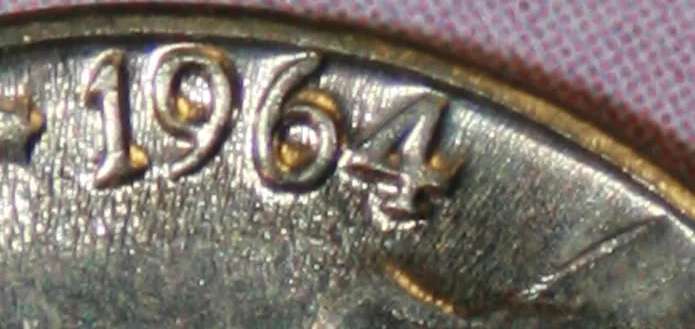 On a coin that was one of the first few struck with fresh dies, this can be very difficult to see. However, most coins will have noticeable flow lines and viewing with at least 5x magnification helps. With an incomplete clip, the coin has a partial overlapped incomplete clip when the planchet is originally punched. At that time, it is a sharp indented line. When the coin is struck, the metal flows through the indentation smoothing it out. Edited by biokemist6
06/10/2008 12:03 am
|
|
Pillar of the Community
United States
2752 Posts |
It looks promising. However, the ends of the punch mark on the obverse face seem to curve inward to a greater extent than you'd expect. So I can't give it an unqualified thumbs up. Things to look for in a genuine incomplete punch include the following:
1. The punch mark should penetrate the surface, not merely depress it.
2. The punch mark should be visible on the edge of the coin.
3. The design should not be depressed on either side of the punch mark. The design should, in fact, look normal except for a narrow interruption where the punch mark intersects it.
4. There should be no downwarping of the design where it lies next to the punch mark.
Error coin writer and researcher.
Edited by mikediamond
06/10/2008 07:58 am
|
|
Pillar of the Community
United States
1571 Posts |
My first impression was that someone used aleather punch on it, but the rev seems to be pretty well in lignment with the obv. The photo is too small to see the "indentation", di fetermine of in fact it is an incomplete clip, or post mint damage. Thhe edges crossing the letters, or vice-versa will show the type of surface that is, or is not normal. Not an expert, but just my 2-cents.
Dick
|
|
New Member
United States
8 Posts |
Thanks for every ones feedback it is very helpful. I don't have the time right now, but tonight I will go through the questions you ask and tell you what you see.
One question I can answer now, is the curves line up on the front and back.
|
|
Pillar of the Community
United States
2177 Posts |
mikediamond those areexcellent pointers on what to look out for!!
|
|
Bedrock of the Community
United States
62064 Posts |
One thing that jumps out at me is the obverse curve line doesn't touch the rim. the reverse does. The setup process should have removed the reverse marks touching the rim. So It bothers me to see this as it could mean to me that it was post mint. IMOHO
|
|
Valued Member
United States
405 Posts |
The rim job *cough* wouldn't have removed the punch mark, it would have just narrowed the chasm right? So it should still be visible on face and reverse of the rim, but it should look different than the punch mark on the face I think.
|
|
Pillar of the Community
United States
2752 Posts |
The punch mark should look exceptionally strong on the rim since the effective striking pressure is lower here than elsewhere. If it weakens or disappears where it intersects the rim, that's a trouble sign.
Error coin writer and researcher.
|
|
New Member
United States
8 Posts |
|
|
New Member
United States
8 Posts |
So what do people think? Do these new pictures prove one why or another?
|
| |
Replies: 16 / Views: 2,905 |







 Posted 06/09/2008 10:20 pm