Die deterioriation doubling happens because of die wear. Die wear shows on the coin as heavy flow lines, soft or missing outer edges to devices, and an overall softness to the design - no thin, sharp edges as would be expected on a 'new' coin from a 'new' die. The doubling occurs like snow drifts. Pressure and metal movement cause the molecules of steel to bunch up along the outer edges of devices near the rim, effectively causing a doubling effect. There's no 'real' doubling at all in
Die Deterioration Doubling - it's just how the metal moved, and is very easy to spot.
Machine Doubling is a simple case of dies bouncing when they hit coins. It has nothing to do with die wear, thus can be observed on any die state. It actually flattens an edge of each letter where the die moved slightly during the strike, so in effect the letters are thinner than they should be because part of them is flattened. The flattened area is the 'doubling' and is lower in relief, yet not low enough to be flattened to the field. So the 'shelf' effect often mentioned is noting the fact that the normal relief of the letters is higher than the 'doubling', yet the 'doubling' is higher than the fields...a stair-step or shelf appearance. The edges of this form of doubling are always sharp, sometimes appearing sharp enough to cut something under magnification.
So the basic differences in appearance between the two are so different they are like night and day.
Die Deterioration Doubling is soft like the deisgn melted a bit, fattens everything toward the rim by lifting the field around them...actually it chips away at the field, only on the die...which effectively lifts the field on the coin (opposites, remember).
Machine Doubling sharply flattens parts of the letters which makes them look like doubling.







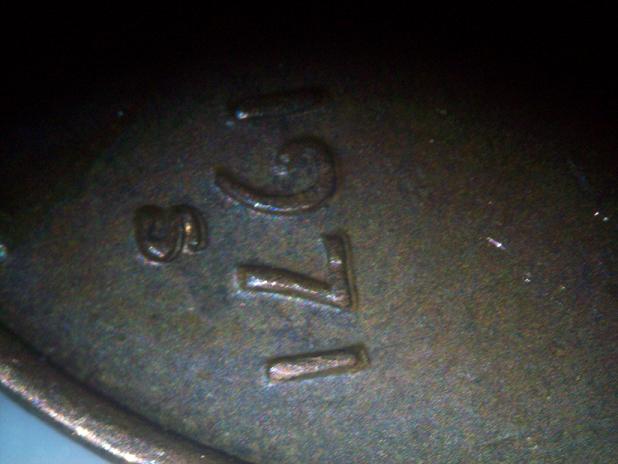 1971DDO1.jpg
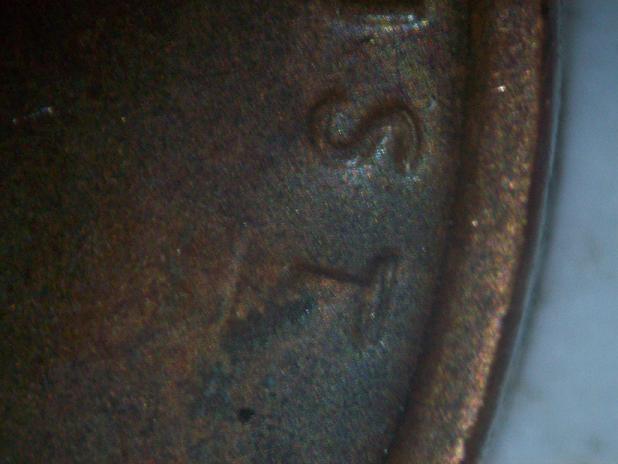 1971DDO2.jpg
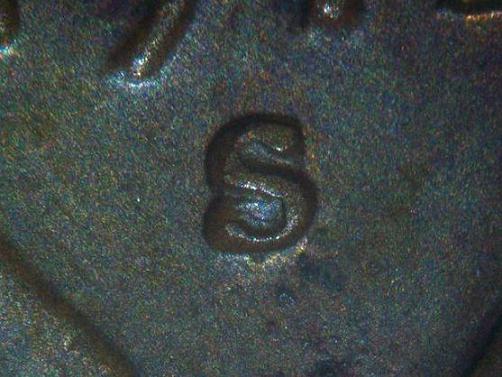 1972DDO3.jpg
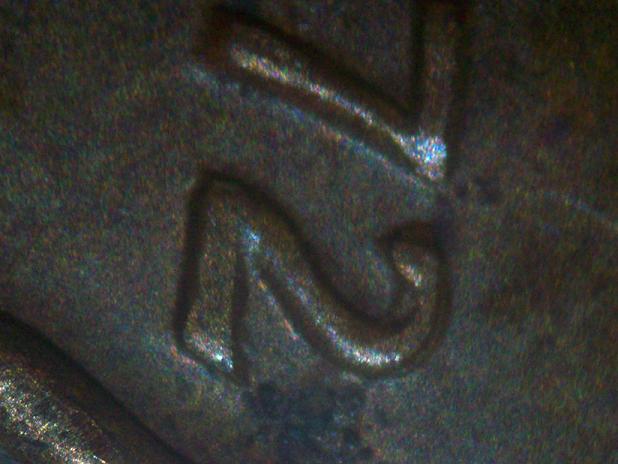 1972DDO.jpg
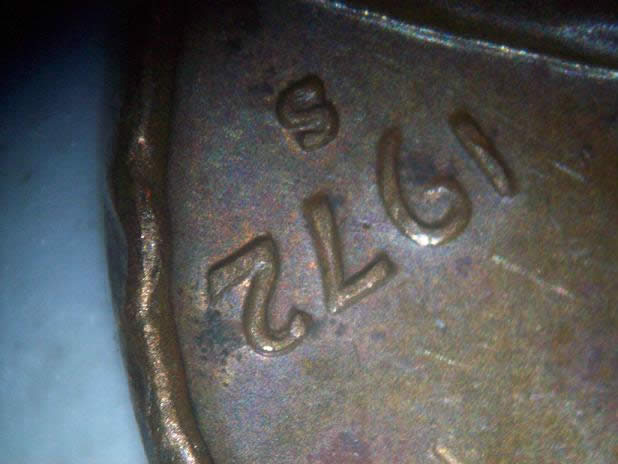 1972DDO2.jpg


 Posted 06/12/2008 02:32 am





