

 Posted 04/03/2018 2:09 pm


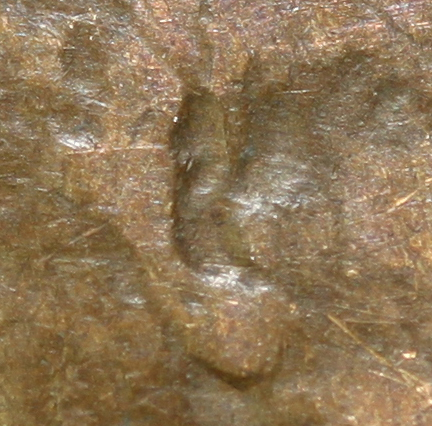
Inside the ear is part of the fields. So when a die is polished, that area is affected also. Sometimes die polishing it so deep, that area goes away totally.

When the fields are over polished, the devices can even go away as on the example I posted on this area of the head. But your coin has not had that much of a polishing yet. But the point is that the lines you see in there are part of the dies polishing to remove die damage or die clashes from the die. You have to think like a die to understand them. A die is a negative of a coin. A coin shows a flat surface on the coin called fields. These fields on the die are not the lowest, but the opposite, the highest on the die. On the devices they are deeper into the die, just opposite on the coin to make them higher there. So the coin is a positive of the a die, the die is a negative of the coin.

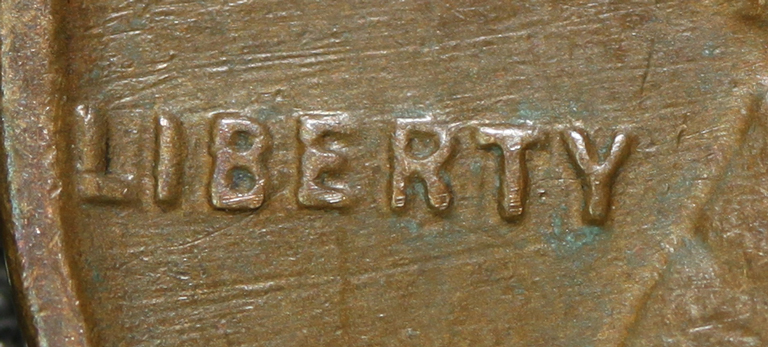
See the letters are backwards, the devices that are raised on the coin, are deeper into the die. When a strike happens on the planchet, the metal is moved into the shape the die creates. This make the coin form the way the die wants. If something is in the way during a strike, it get shaped or prevents the desired shape of the die. So the die is the boss of the strike. If the die is altered, the coins will also be altered. Just the way the boss, the die shapes it. Die crack happens on the die, the coins will show what the boss says when the coin is struck. grease in the way, it either moves it if it is on the surface of the fields, or prevent a strike if the grease has no where to go. Something preventing the strike like cloth, debris or anything else. It has to way to go. Either it sticks to the die or coin, or it exits on the coin. So thinking of the die as the boss, what the boss says: the coins do. Hope this helps.
ADDED:
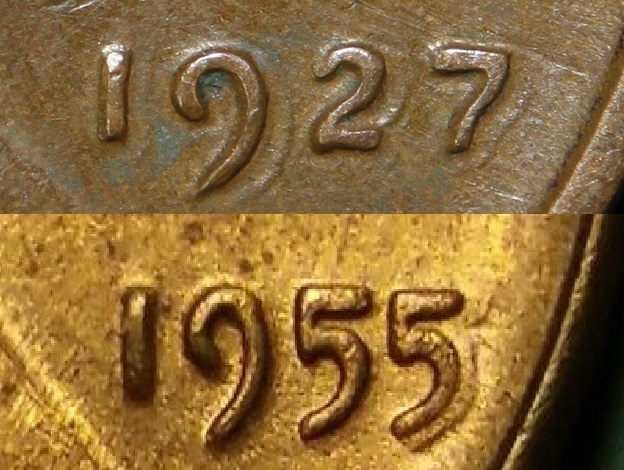
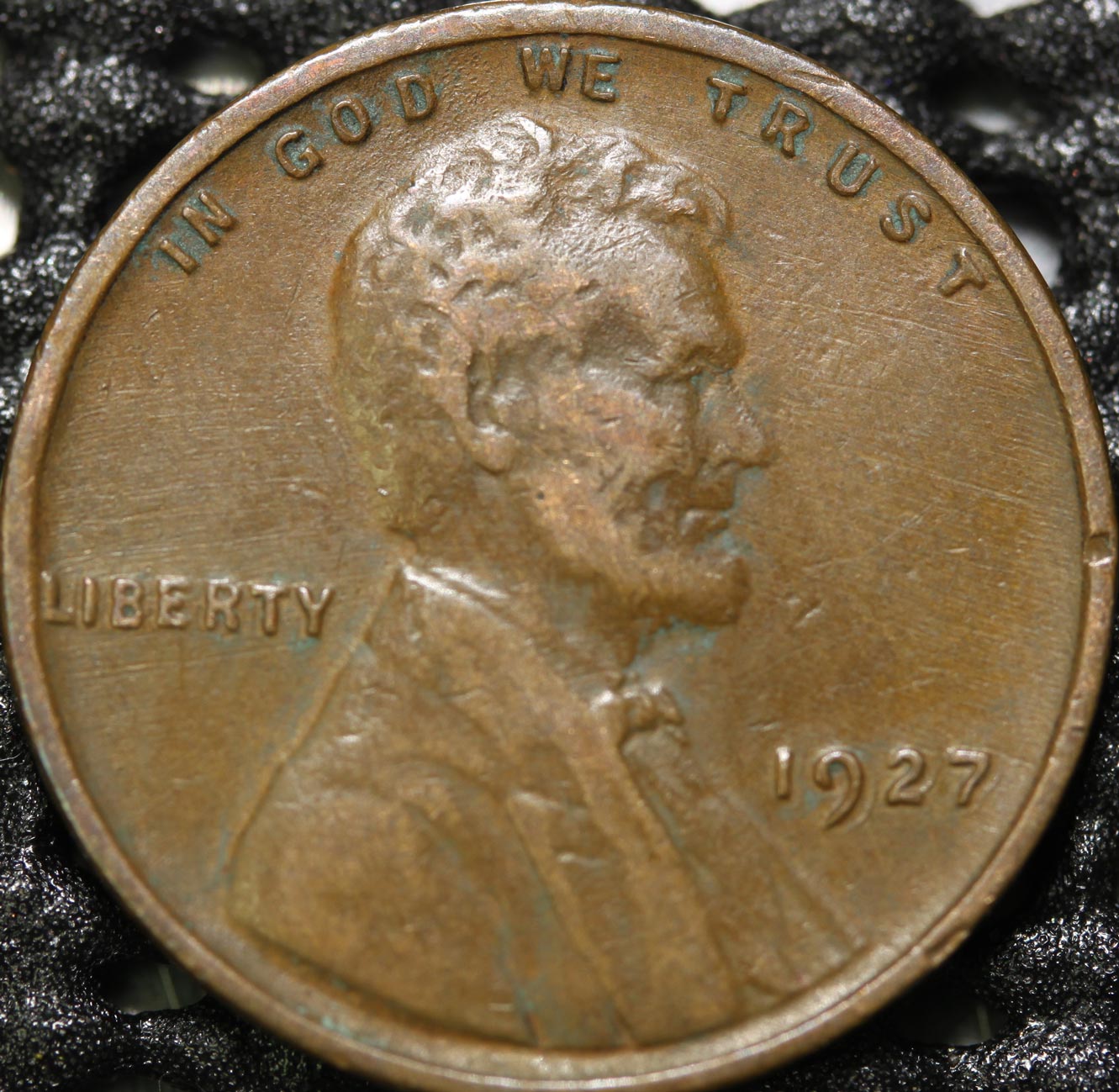
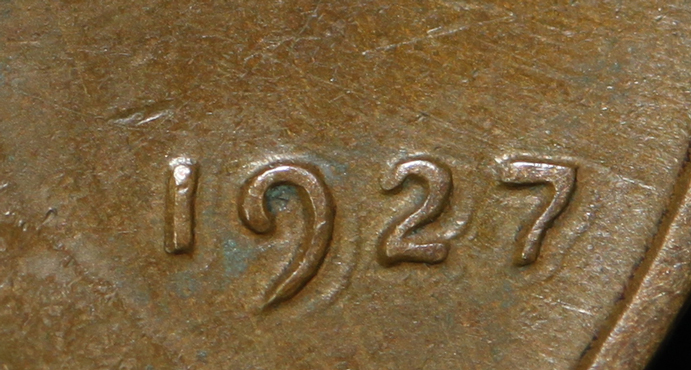
Just noticed the date. Note the direction the anomoly is going? That is normal die wear direction. So it is an older die also. Not a double die.
When the fields are over polished, the devices can even go away as on the example I posted on this area of the head. But your coin has not had that much of a polishing yet. But the point is that the lines you see in there are part of the dies polishing to remove die damage or die clashes from the die. You have to think like a die to understand them. A die is a negative of a coin. A coin shows a flat surface on the coin called fields. These fields on the die are not the lowest, but the opposite, the highest on the die. On the devices they are deeper into the die, just opposite on the coin to make them higher there. So the coin is a positive of the a die, the die is a negative of the coin.
See the letters are backwards, the devices that are raised on the coin, are deeper into the die. When a strike happens on the planchet, the metal is moved into the shape the die creates. This make the coin form the way the die wants. If something is in the way during a strike, it get shaped or prevents the desired shape of the die. So the die is the boss of the strike. If the die is altered, the coins will also be altered. Just the way the boss, the die shapes it. Die crack happens on the die, the coins will show what the boss says when the coin is struck. grease in the way, it either moves it if it is on the surface of the fields, or prevent a strike if the grease has no where to go. Something preventing the strike like cloth, debris or anything else. It has to way to go. Either it sticks to the die or coin, or it exits on the coin. So thinking of the die as the boss, what the boss says: the coins do. Hope this helps.
ADDED:
Just noticed the date. Note the direction the anomoly is going? That is normal die wear direction. So it is an older die also. Not a double die.
Edited by coop
04/03/2018 2:26 pm
04/03/2018 2:26 pm