| Author |
 Replies: 15 / Views: 5,423 Replies: 15 / Views: 5,423 |
|
|
Valued Member
United States
318 Posts |
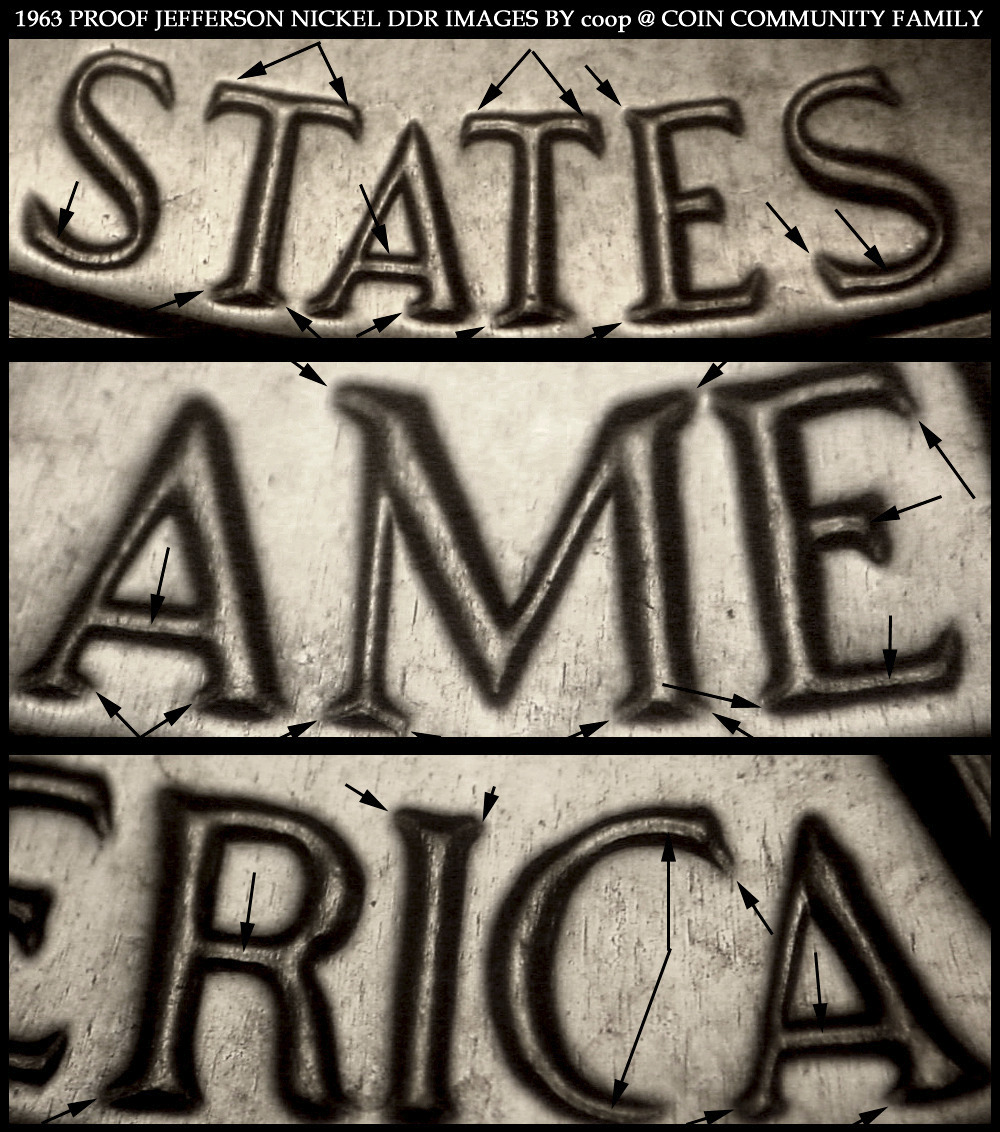
43 years of collecting and I never found a double die. That all changed today. I was searching my nickel rolls for FS nickels and out pops this thing (picture below). A 1964-D nickel with very strong double die Reverse. My photo doesn't do the coin much justice. In real life, 5x mag, most all text is doubled. The shadows and glare of my photo doesn't help but you can clearly see "TE" in States and the Mint Mark are doubled. Also the "N" in Monticello. Probably the double strike helped in the creation of full steps... I'm feeling steak and shrimp dinners for the next month!!  |
|
|
|
Bedrock of the Community
United States
94367 Posts |
|
|
Valued Member
 United States
318 Posts |
I may have suggested I've been collecting for 43 years but it was more like hoarding for unknown reasons, all those years. I would consider myself fairly new to what is considered modern grading so my question is, what is all that bubbly-like stuff all over Monticello? I have a lot of coins similar to that surface.
|
|
Bedrock of the Community
United States
10284 Posts |
I will say this, you won't find a 1964 D with that kind of step detail very often.
|
|
Pillar of the Community
United States
4422 Posts |
I can't tell if it is a doubled die or not without clearer close-up pics. The "bubbly-stuff" are die flow lines which occur from the die aging and deteriorating. You're lucky to find a coin with full steps with this much die wear and flow.
|
|
Bedrock of the Community
United States
78663 Posts |
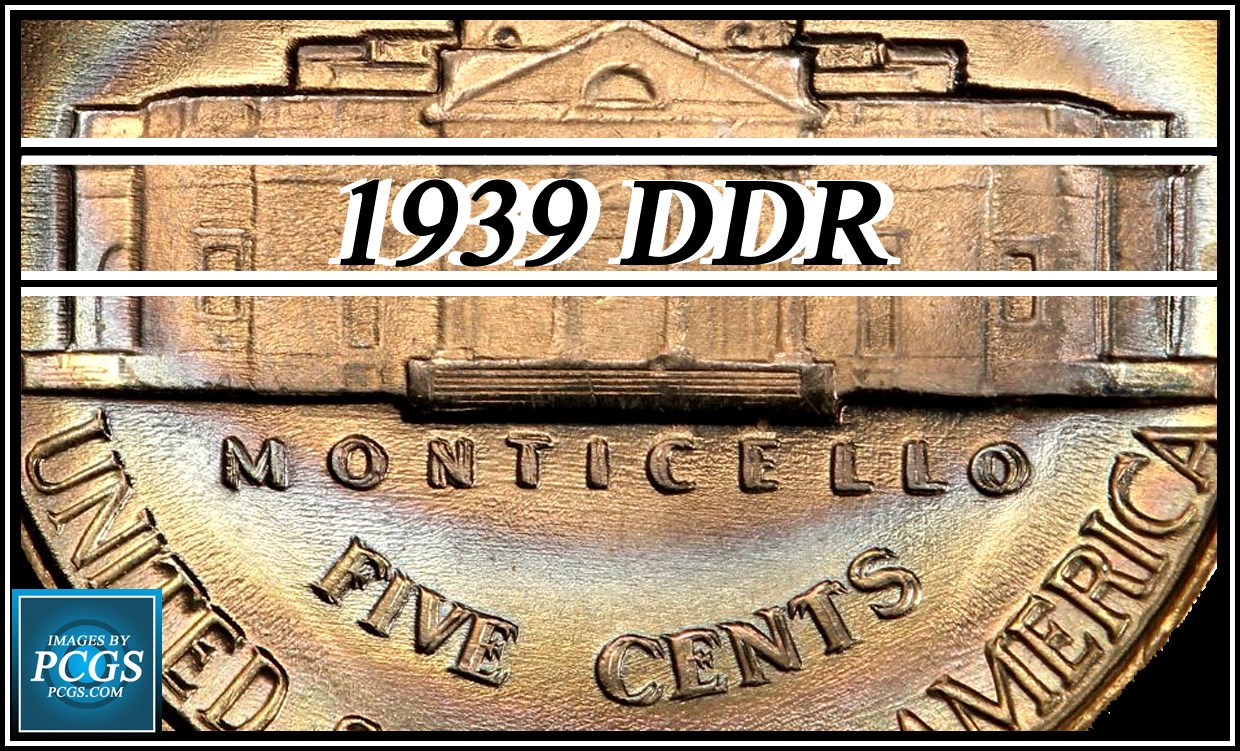
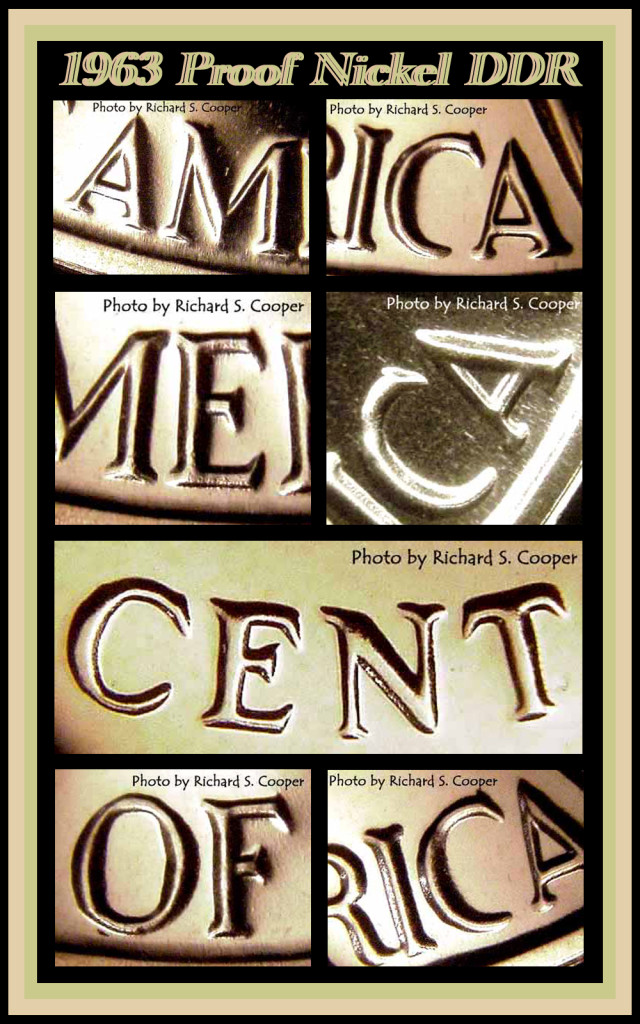
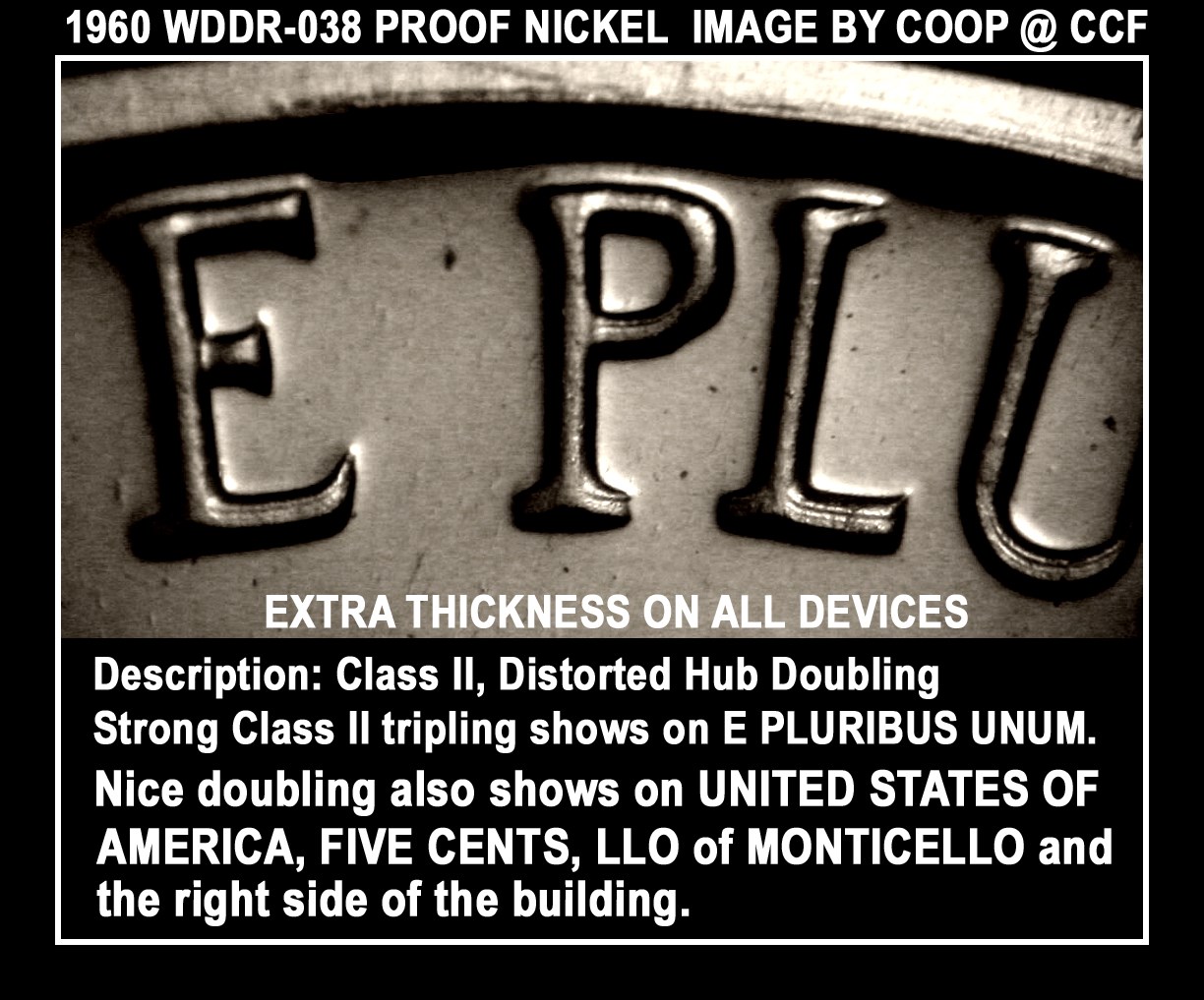
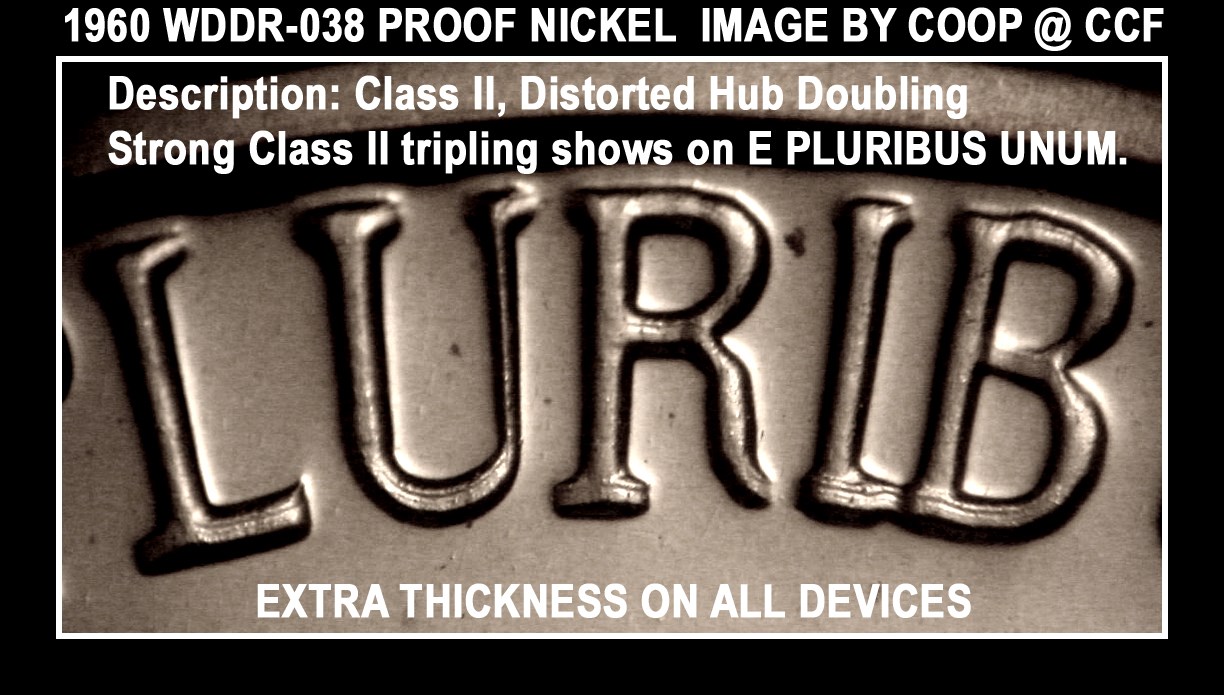
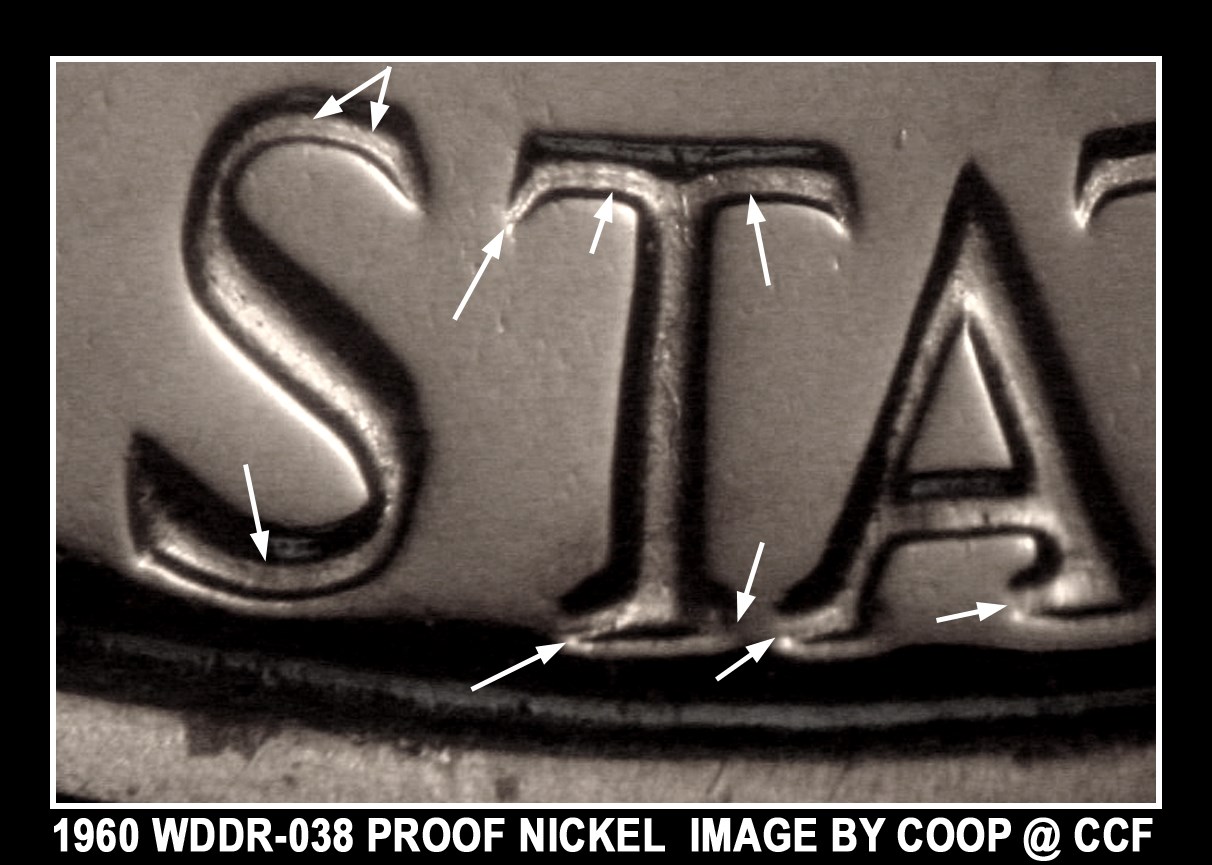
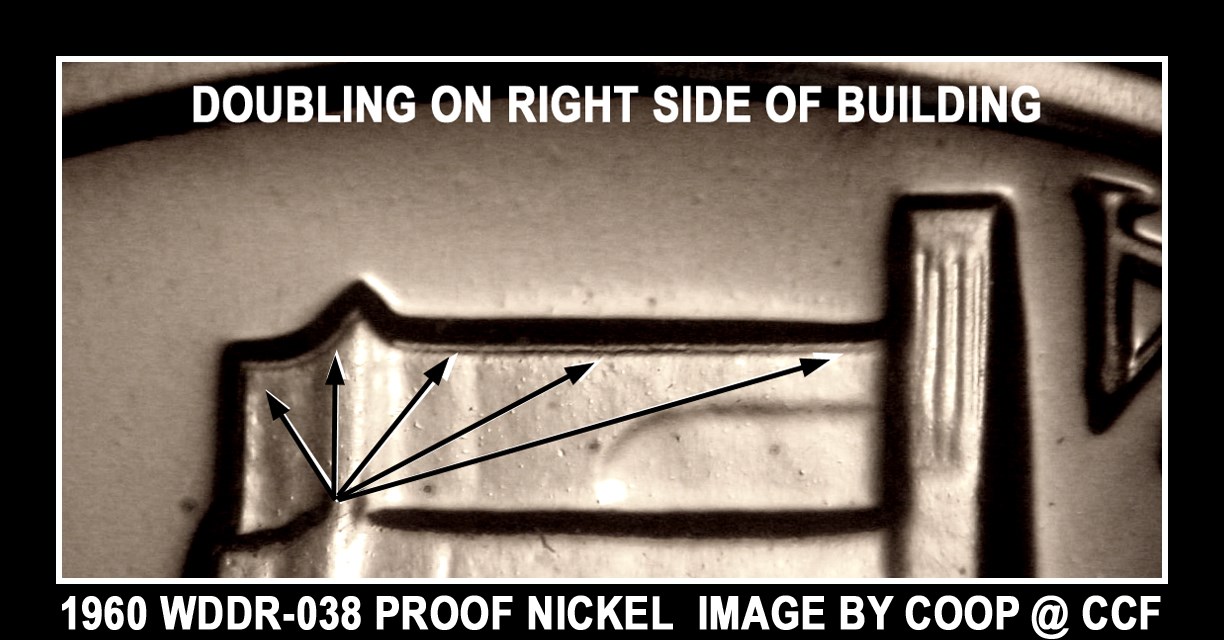
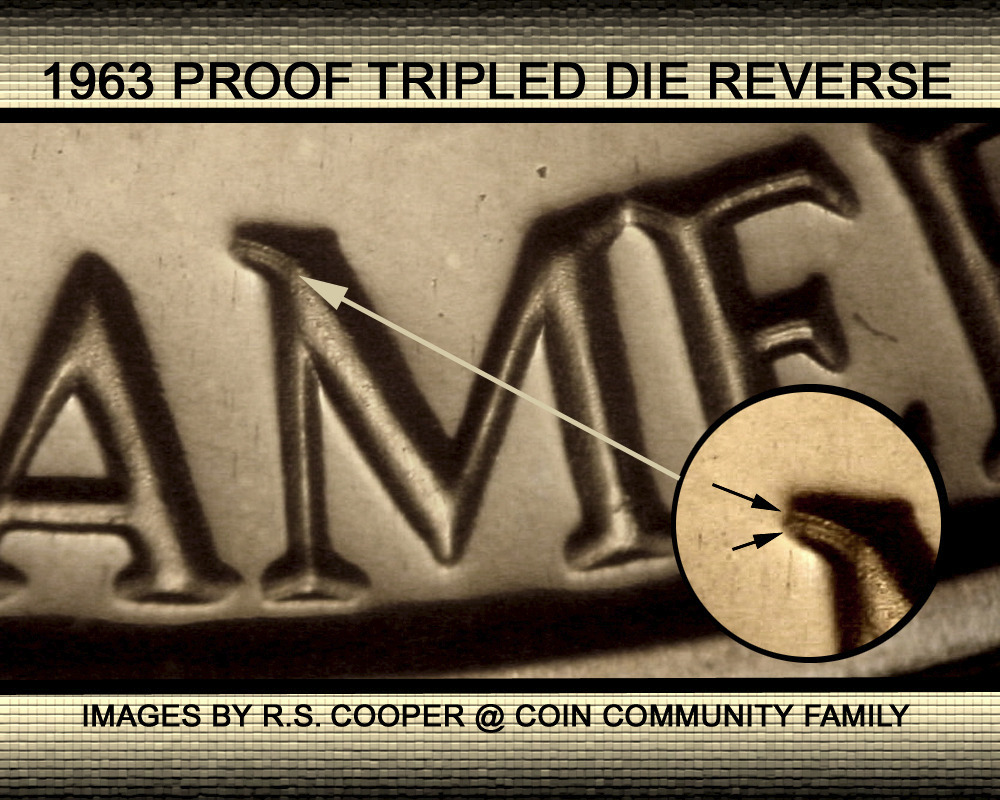
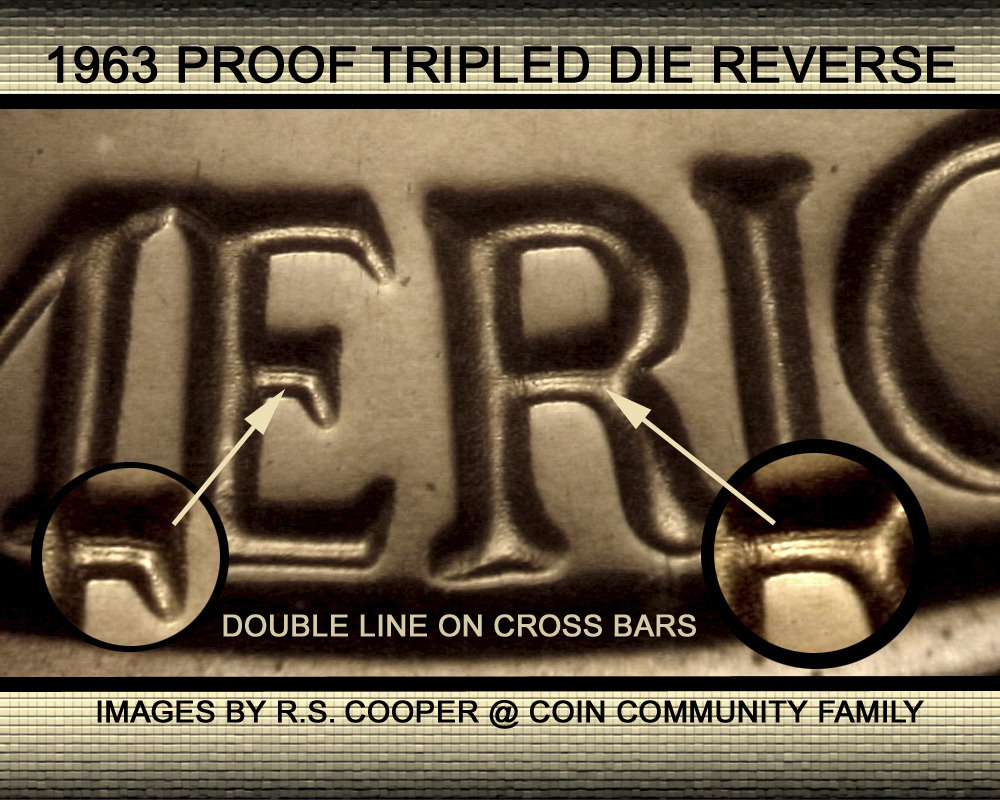
Not a Doubled Die Reverse. This is from heavy die wear ( Die Deterioration). You can see all of the die flow lines. Although, I can say this though. It's almost impossible to find a Full Step Nickel with heavy die wear. From doubleddie.com. Quote:The "doubled die" variety is one of the most popular die varieties for collectors. Because doubled dies are so popular, there is a lot of information out there about these varieties and they are often seen for sale on internet auction sites such as ebay. Unfortunately, not all of the information out there is correct.
A frequent misconception about doubled dies is that they are produced when coins are struck twice by the dies. This is definitely not the case. All U.S. coins made for circulation are only struck once unless there is a mishap in the coining press. Even then, the resulting error coins will NOT be doubled dies. Only proof coins are struck more than once with the number of times that they are struck depending on the alloy of the planchets that will be struck into coins. But even here, the number of times that a proof coin is struck will have no bearing on whether or not a doubled die is produced.
The key to doubled dies lies in the name - doubled die! As we have seen, coins are struck by steel rods that bear the design images for the coins that they will be striking. These steel rods are called dies. For a doubled die coin to be produced, the doubled image must be on the die itself, hence the term "doubled die." Doubled dies occur when there are mishaps in making the dies that will be used to strike the coins.
On the "How Dies Are Made" page of this website we saw that for most of the Mint's die making history the master design for a coin was transferred to a Master Hub in a reduction lathe. These have recently been replaced by CNC (computer numerical control) milling machines, but the principal is still the same. The master hub is then used in a hubbing press to create Master Dies. The master dies are used in a hubbing press to create Working Hubs, and the working hubs are then used in a hubbing press to create Working Dies. It is the working dies that are then used to strike the coins in the coining presses.
In the Wexler Die Variety Files we define "doubled die" doubling as doubling produced on hubs or dies as a result of a misalignment of the images on the hub and die at some point during the hubbing process. A more accurate term would be "hubbing doubling," but the term "doubled die" is clearly fixed in our culture and here to stay. The misalignment of the design images may have been when the master hub was squeezing an image onto a master die, when a master die was squeezing an image onto a working hub, or when a working hub was squeezing an image onto a working die. Just where the doubling occurs in this sequence will dictate how common the doubling will be, and that will affect the subsequent values for the doubled coins that are ultimately produced. Doubling can also occur in the process of transferring the design from the galvano to the master hub. Links are provided here to get more details on the doubled master hubs, the doubled master dies, and the doubled working hubs. This is Die Deterioration Doubling:  This is a genuine Doubled Die Obverse on the 1955 P Lincoln Wheat cent:  See the differences? I hope this helps.  Errers and Varietys.
|
|
Valued Member
United States
318 Posts |
Makes sense. I guess no shrimp dinners... but steak maybe. Under 5x, the doubling effect goes in the same direction on everything. Even Monticello has that doubled effect on the dome -- you can see that in the photo, left side. What I need to do is browse the photo-taking section of this coin community and learn how to take crisp photos.
Thanks for the articles! So much cool stuff to catch up on.
|
|
Bedrock of the Community
United States
78663 Posts |
|
|
Bedrock of the Community
United States
12477 Posts |
Quote:
I will say this, you won't find a 1964 D with that kind of step detail very often.  That is a definite positive for the coin. Quote:
CCF has taught me more things than I could ever imagine. again. There is sooooo much to learn and I am just scratching the surface. In Memory of Crazyb0 12-26-1951 to 7-27-2020
In Memory of Tootallious 3-31-1964 to 4-15-2020
In Memory of T-BOP 10-12-1949 to 1-19-2024
|
|
Valued Member
United States
318 Posts |
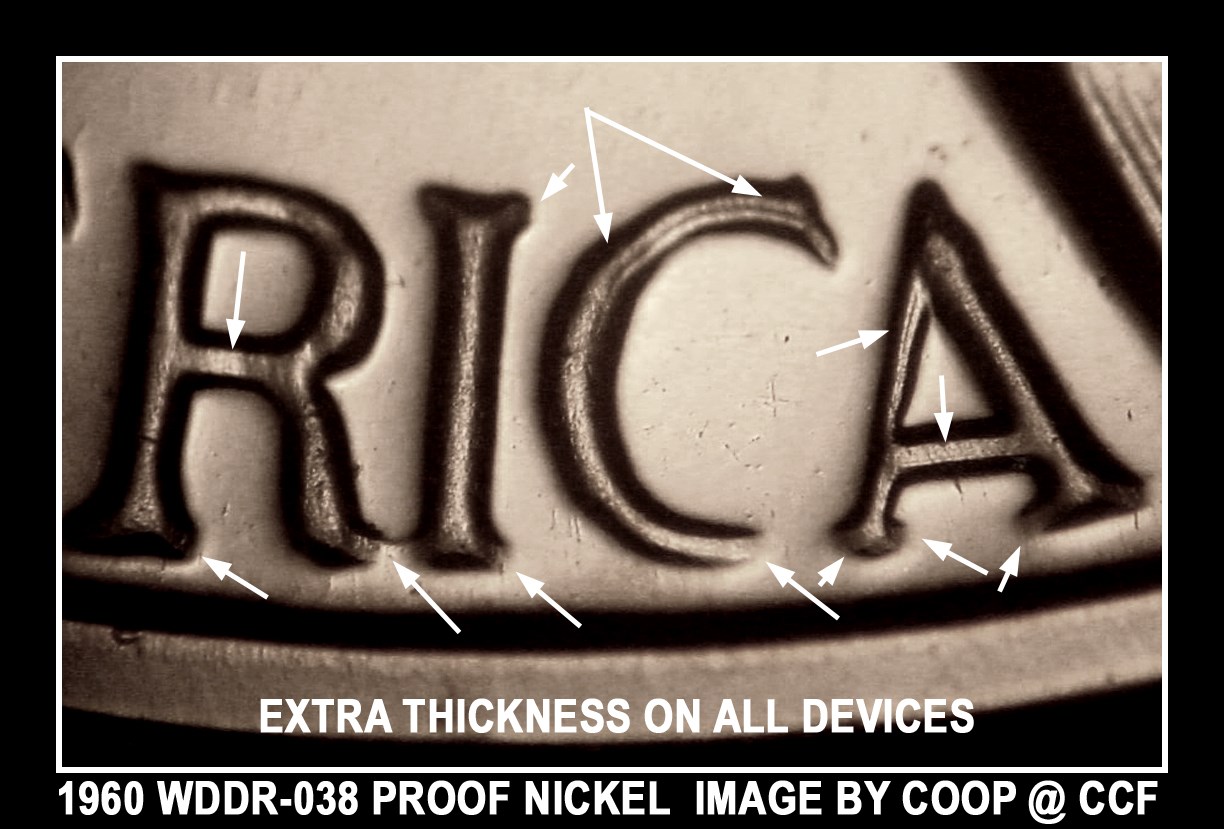
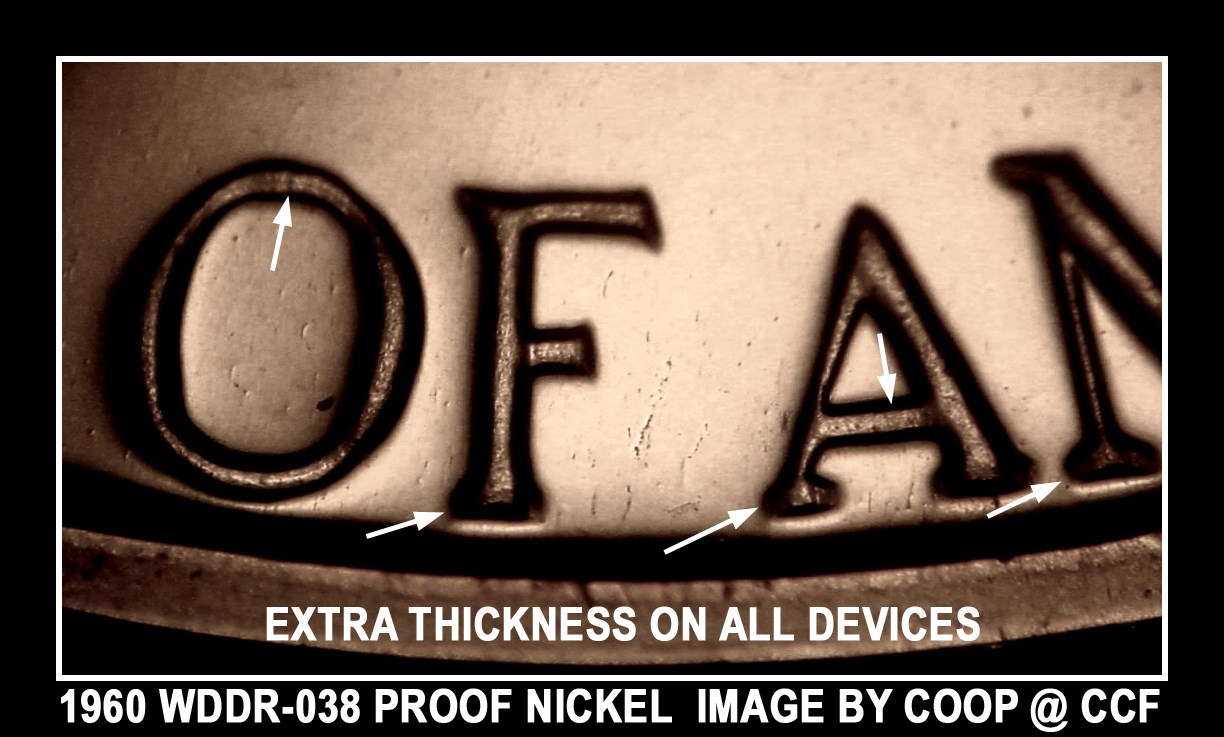
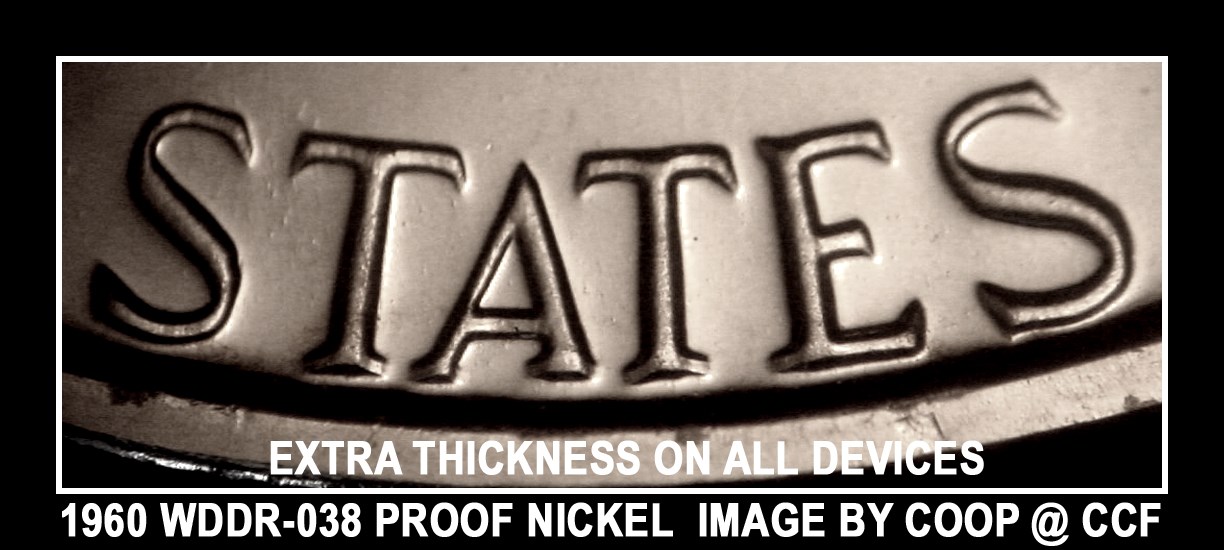
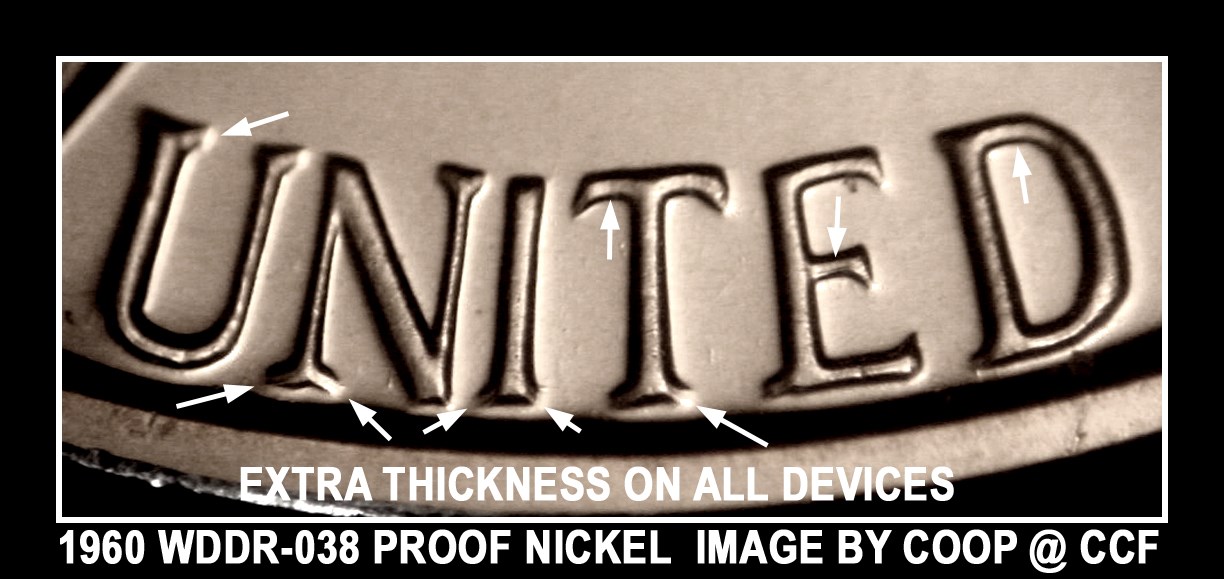
OK. I read the section this site for photo taking. Great stuff! My $40 USB Microscope Camera came in today. I still need to play with lighting tricks as described in some of those posts but here are some new photos of the same nickel with very little effort on this $40 camera. I'm finding that if I hold the nickel under 5x mag, I can move that thing around and everything pops, meaning I get to see all of the doubling; however, in these photos, depending on where I put the light, only some of the doubling shows. In the first photo below, United States is clearly showing doubling. Second photo where I zoomed in real close, the lighting changed and you don't even notice "States" doubling.   |
|
Bedrock of the Community
United States
12477 Posts |
Nice pics! That is a picture-perfect example of MD, especially on the 'ITED S'.
In Memory of Crazyb0 12-26-1951 to 7-27-2020
In Memory of Tootallious 3-31-1964 to 4-15-2020
In Memory of T-BOP 10-12-1949 to 1-19-2024
|
|
Pillar of the Community
United States
4422 Posts |
I agree that looks like mostly MD, not a doubled die.
|
|
Valued Member
Canada
91 Posts |
I'd check the Mintmark next there's an rpm for that year 1964 d, that plus the full steps would make it more valuable
|
|
Bedrock of the Community
United States
19543 Posts |
Last two photos are gfreat.
|
|
Bedrock of the Community
United States
62064 Posts |
|
|
Pillar of the Community
United States
5240 Posts |
|
| |
Replies: 15 / Views: 5,423 |
|










 Posted 05/27/2018 6:44 pm