| Author |
 Replies: 24 / Views: 4,830 Replies: 24 / Views: 4,830 |
|
Valued Member
United States
322 Posts |
Hi. Is there a name for the marks on the reverse of this nickel? I've seen this before. What causes them. 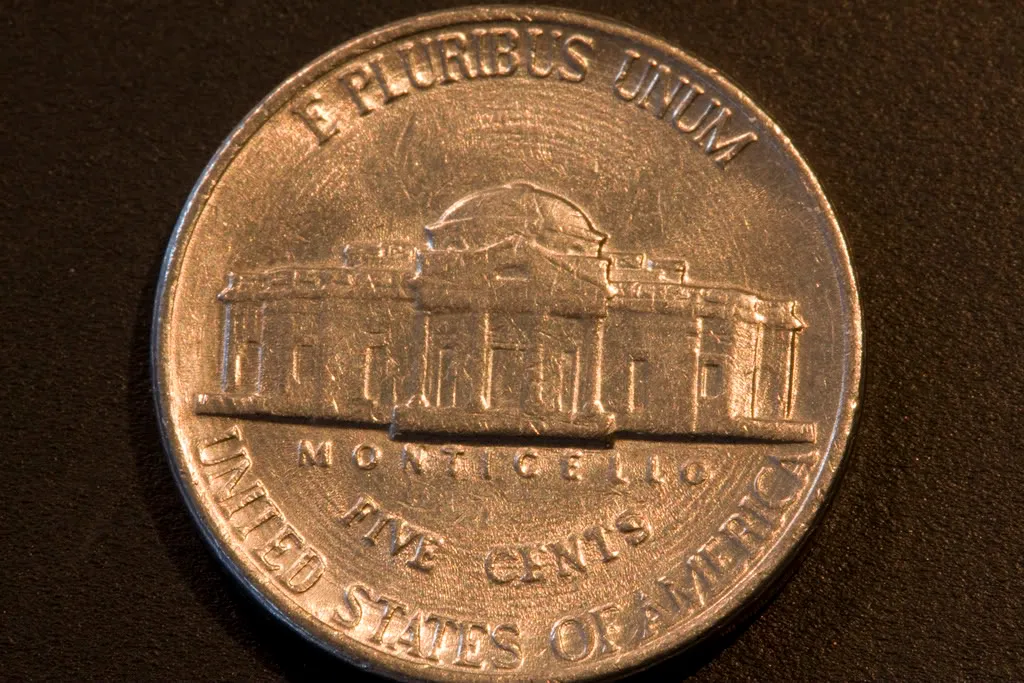 |
|
|
|
Valued Member
Philippines
53 Posts |
Hi, is it raised on the field or incussed. The grove is very neat, nice find. Let us just wait for the others to render their opinion on this one.
Thanks,
noel biscocho
|
|
Pillar of the Community
United States
2224 Posts |
I've looked through over a quarter million nickels with my nickel survey that I am doing; never seen that effect before. Also waiting for the expert opinions!
|
|
Pillar of the Community
United States
3507 Posts |
Hi,
They are the effect of what is known as "reduction lathe gouges". The marks are imparted by the reducing machine used to create a master hub. The concentric circles would be on the master hub. The master hub makes master dies. Then master dies are used to make working hubs. Then working hubs are used to make working dies.
It appears to be a rare occurrence that these lines will remain visible throughout all the processes involved with getting as far as minting coins.
I've seen this on very few cents but this is the first five-cent piece I've seen that exhibits this effect.
Very Nice Coin!
Thanks,
Bill
Edited by foundinrolls
06/26/2008 8:38 pm
|
|
Pillar of the Community
United States
2177 Posts |
Those marks are only on the field and not on the letters right? If so it must have happened during minting. That's interesting.
|
|
Pillar of the Community
United States
2752 Posts |
These appear to be concentric lathe marks. It's due to failure to polish smooth the cone-shaped face of the unfinished working die. Concentric lathe marks are rare, but they are known in a 1996 cent and a 1999-P or 2000-P nickel. I don't think it's likely that they're reduction lathe gouges. If that were the case, the spacing between the grooves would be much smaller, and there would be many more examples.
Error coin writer and researcher.
Edited by mikediamond
06/26/2008 9:38 pm
|
|
Valued Member
 United States
322 Posts |
Thanks for the responses everyone. Yes, it seems that the marks are only on the field. I shot some closer photos, and one of the obverse. 1988 d Obverse seems normal. obverse 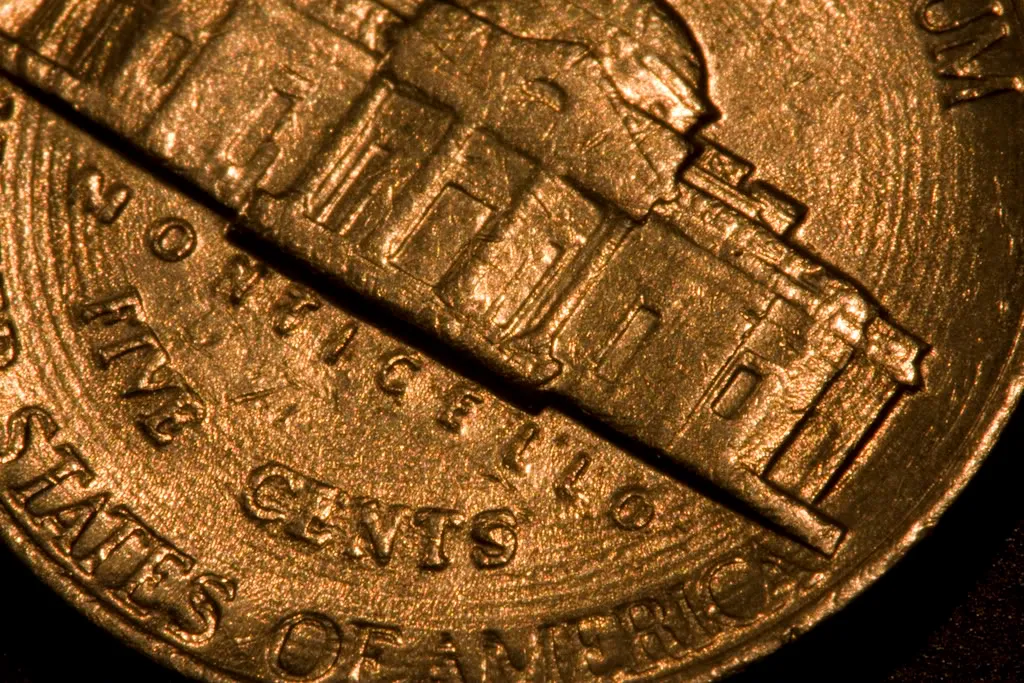 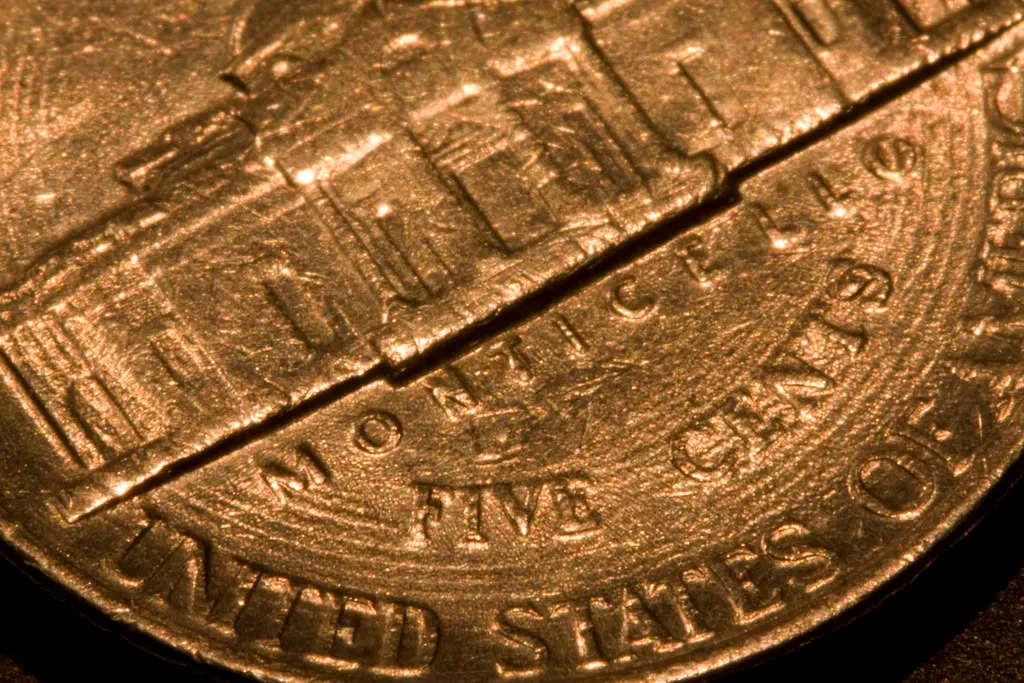 |
|
Valued Member
United States
405 Posts |
Very cool coin - nice find!
|
|
Pillar of the Community
United States
2752 Posts |
Absence on the design may be due to wear or a late die state. Other specimens I've examined show the concentric lines on the design as well as in the field. This is a new date for this rare die defect.
Error coin writer and researcher.
|
|
Pillar of the Community
United States
3507 Posts |
Hi Mike,
Thanks for that information. How do the concentric marks get on to the working die? I had thought this happens during the reduction process as a master hub was created with the concentric lines being transfered through the various processes until they eventually wind up on the working die or dies. This would be a great place to teach about how the process does happen.
Thanks Again,
Bill
|
|
Pillar of the Community
United States
2752 Posts |
Concentric lathe marks have been identified as such in an Indian cent by metallurgist Chris Pilliod. I've also seen them on at least one world coin. The cone-shaped tip of the working die has to be machined into the blank rod of die steel. The machining process leaves concentric lines on the cone, which then needs to be smoothed to a high polish before hubbing. If that step is omitted, or if the polishing is incomplete, then lines remain. Evidently hubbing fails to obliterate those lines. While the reducing lathe could also theoretically produce concentric lines, they would have to be much finer and much closer together. If they were on the master hub, then you'd expect many working dies to show them, which just isn't the case. I would assume that the reducing lathe doesn't actually produce any noticeable lines. If that were the case, then the master hub would have to be polished. That would soften the design and leave lines in the recesses. We've never seen that on any coin. Error coin writer and researcher.
|
|
Pillar of the Community
United States
6326 Posts |
Interesting find !.....and Mike D's detailed info is incredible !
|
|
Pillar of the Community
United States
6454 Posts |
This 1896 Argentina gold piece also has some concentric raised lines, on the obverse only. The lines show on Liberty portrait, mostly on the neck, the hair behind the neck, and below the ear. Could this have been caused by the same process that generated MikeP's nickel? I can't find any lines in the fields, only on the portrait. Can anyone offer a plausible explanation?  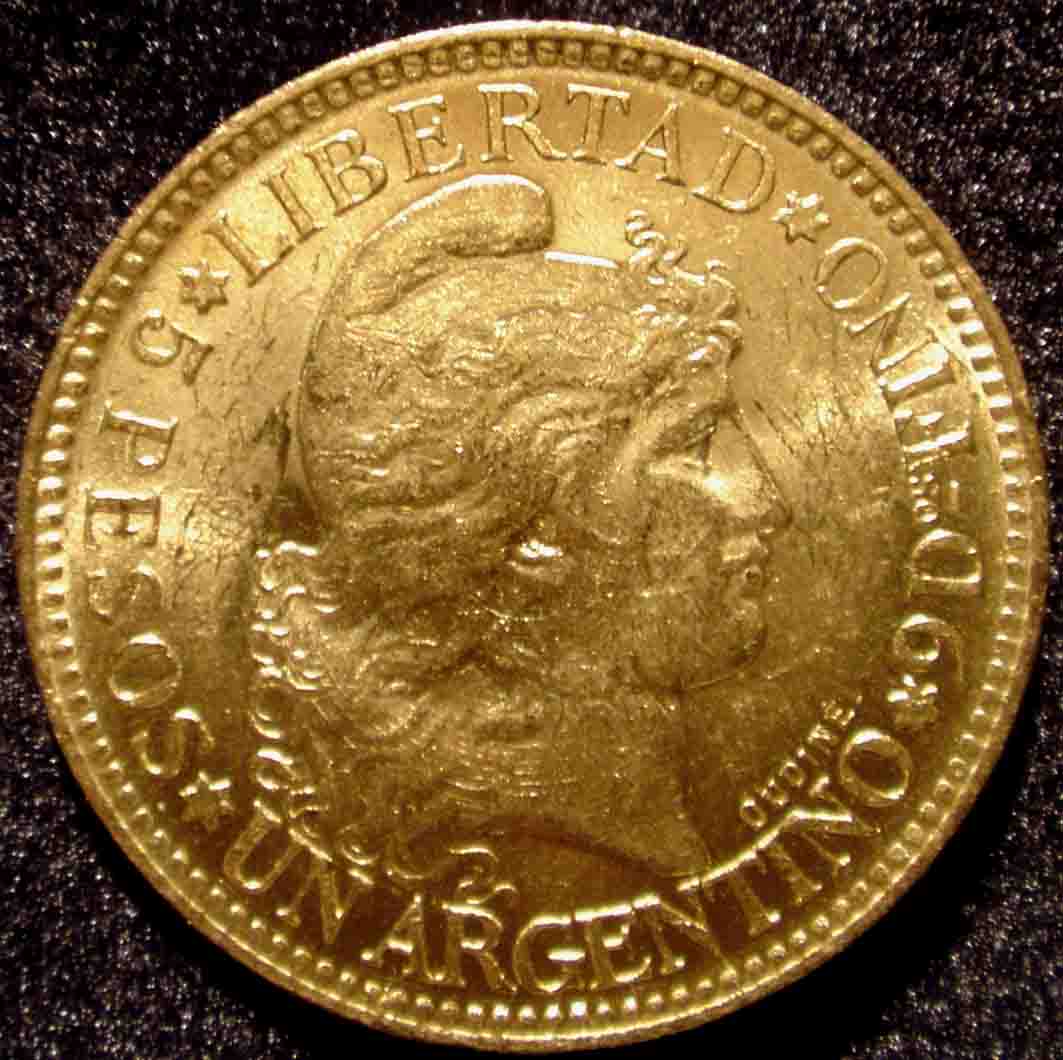 |
|
Pillar of the Community
United States
2752 Posts |
These would also be identified as concentric lathe marks. Perhaps the die was lightly polished after hubbing. This would have removed the circular lines from the field.
Error coin writer and researcher.
|
|
Pillar of the Community
United States
7629 Posts |
Marks like those on that Argentenian gold coin are actually rather common on many dates of Lincoln cents. I have seen hundreds of them and just toss them back. I'll hold a couple out next time I photo one and I'll try to post them in this thread, if I can find it again.
|
|
Pillar of the Community
United States
2752 Posts |
Interesting. I look forward to your photos.
Error coin writer and researcher.
|
| |
Replies: 24 / Views: 4,830 |




 Posted 06/26/2008 8:08 pm





