| Author |
 Replies: 12 / Views: 1,054 Replies: 12 / Views: 1,054 |
|
|
Pillar of the Community
United States
4113 Posts |
|
|
|
|
Member
United States
3242 Posts |
worn die with crack is what it looks like to me.
|
|
Pillar of the Community
 United States
4113 Posts |
Amac:
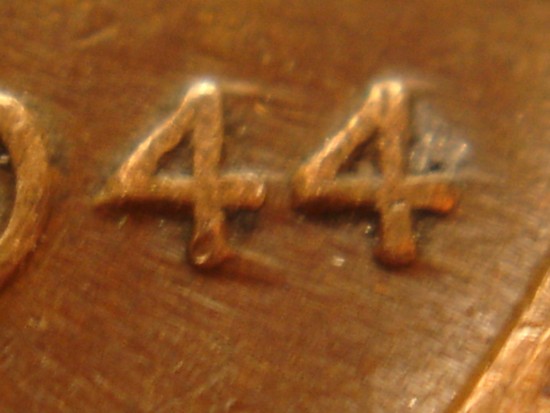
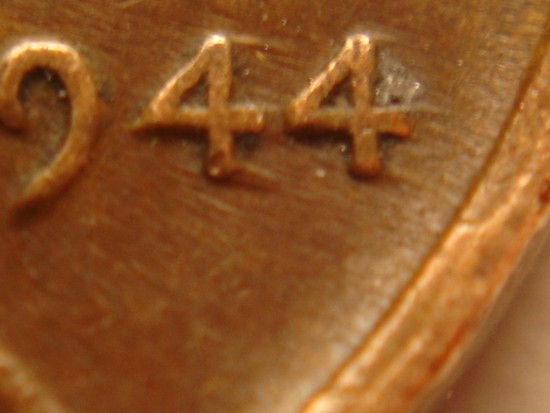
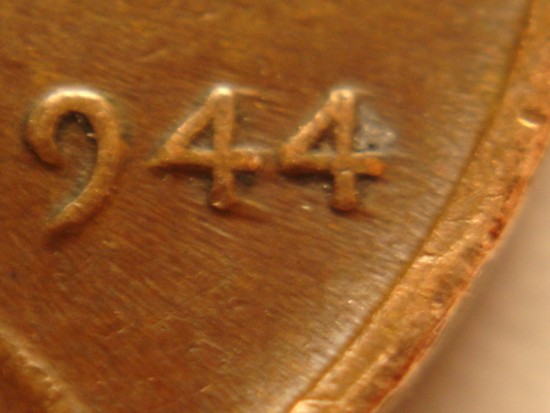
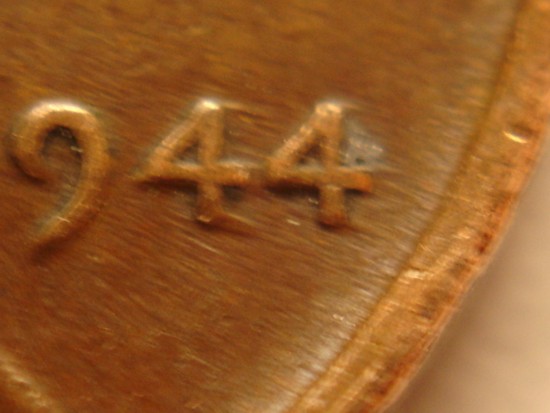
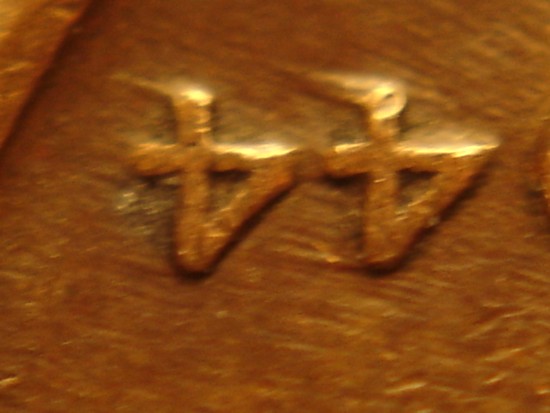
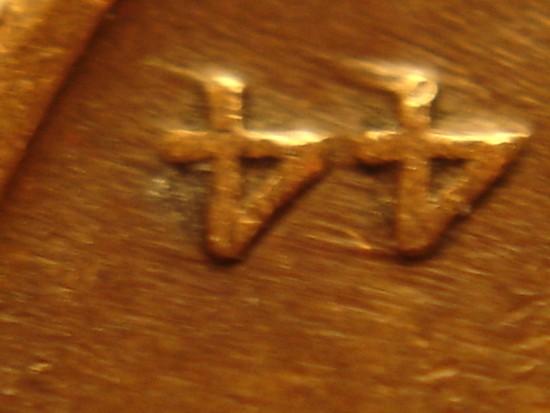
These are raised piece's of metal, on the diagonal, with clear lines top and bottom coming directly off of the 4's and the height is almost as high as the number 4's.
My pictures don't show up real close, but under 15X its there.
Would a worn die make that?
|
|
Pillar of the Community
United States
4113 Posts |
Correction on the height- approx 1/2 the height of the numbers.
|
|
Pillar of the Community
United States
4113 Posts |
No doing to good this morning!
NOT 1/2 the height of the 4 - its less than that- around 1/8th in height.
|
|
Pillar of the Community
United States
1219 Posts |
Chuck, just a little clearer picture would really help on this one. I see trails but I also see what looks like flow lines in the field around the date. Hard to tell.
|
|
Pillar of the Community
United States
4113 Posts |
MorgansRMine:
Thanks,
I'll try and post better pics later today.
|
|
Valued Member
United States
499 Posts |
chuck
this is one of those instances where a pic of the full obvers would help. if this is a worn or over polished die then there should be signs elsewher on the coin
Richard
|
|
Pillar of the Community
United States
3507 Posts |
Hi,
To me it looks like the expected flow lines of metal that we would see and the result of having been struck by a worn die.
Thanks,
Bill
|
|
Bedrock of the Community
United States
62064 Posts |
Heavy die flow/die wear that extends toward the rim. The trails coins are found on the single squeeze Cents. What it is hasn't been determined yet, but happens on coins struck with the same dies. On the older copper Cents, that was way before the single squeeze process.
|
|
Pillar of the Community
United States
4113 Posts |
Thanks for everyone's help on this! Coop, if I'm understanding you correctly, then any pre 1982 Lincoln Cent can NEVER have trails because they were made different? |
|
Bedrock of the Community
United States
62064 Posts |
The 1982 zinc Cents forward doesn't signal the change. It was when the single squeeze method was introduced is when the trails and the wavy steps started. The earliest wavy step is in the 1986(?) area. The trails I'm not sure how far back yet. But the 2000 area is close. What ever causes them (Not called a doubled die) is still not determined yet. Some refer to them as doubled dies, others don't. Perhaps not knowing what for sure causes them is probably preventing the name for them, except just trails.
|
|
Pillar of the Community
United States
526 Posts |
Just to update Coop's information. The trails, including wavy steps, is occurring at the end of hubbing, when the die moves across the face of the hub. While the exact mechanics of why the die moves is not fully understood in depth yet (it is either due to thermal warping or a form of snap back), this area is the most likely where these anomalies are formed. Since they are produced differently, affect the design elements differently and are not a duplication of the design element, they are effectively not doubled dies. Some may argue this fact, however, there is no concrete evidence to support this theory. Trail dies may have been around longer than we suspect. A Proof Lincoln Cent from 1964 appears to have trails from the bottom of the letters in LIBERTY. There maybe some connection between making proof dies and the single squeeze hubbing that is different than the business strike hubbed die. Of course, more pre-single squeezed hubbed trail dies are needed to make any type of correlation between the two hubbing systems and why they react this way. BJ Neff |
| |
Replies: 12 / Views: 1,054 |
|










 1944jpeg2.jpg
 1944jpeg3.jpg
 1944jpeg4.jpg
 1944jpeg5.jpg
 1944jpeg1upsidedown.jpg
 1944upsidedownjpeg2.jpg

 Posted 07/02/2008 09:27 am


