| Author |
 Replies: 8 / Views: 2,998 Replies: 8 / Views: 2,998 |
|
|
Valued Member
United States
493 Posts |
|
|
|
|
Pillar of the Community
United States
536 Posts |
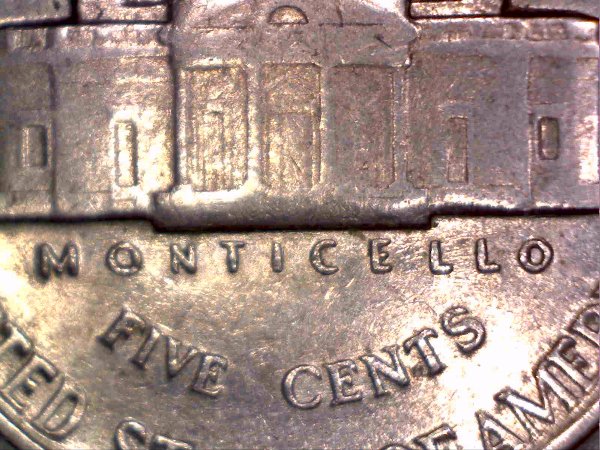
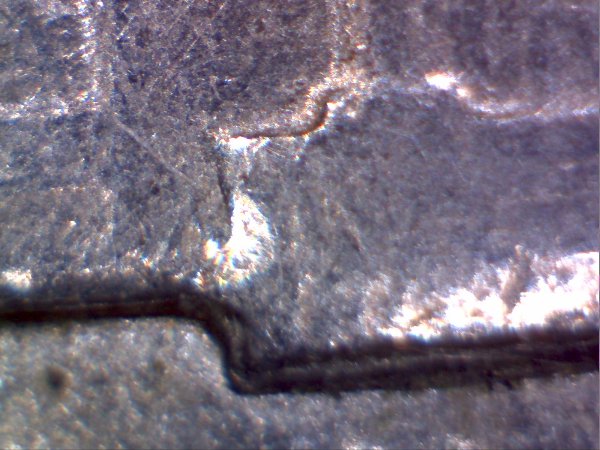
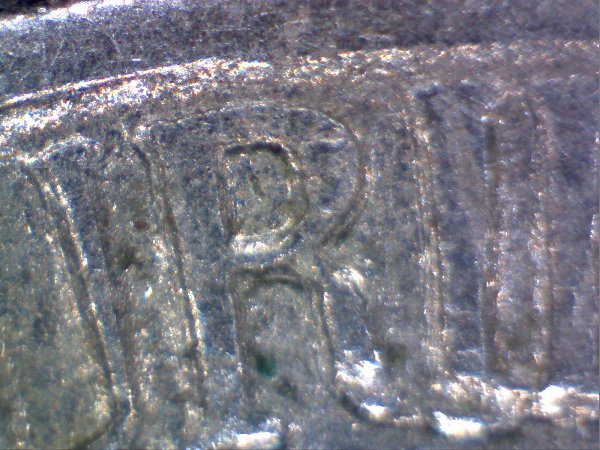
Other than steps, the reverse of 38 had somewhat indistinct lettering. According to Bowers, only about 10% are 38's. I can see some MD on the lettering, but based on your third picture, the letters look relatively good. Without any step detail though, it's a tough call to make.
|
|
Bedrock of the Community
United States
79479 Posts |
|
|
Pillar of the Community
United States
3344 Posts |
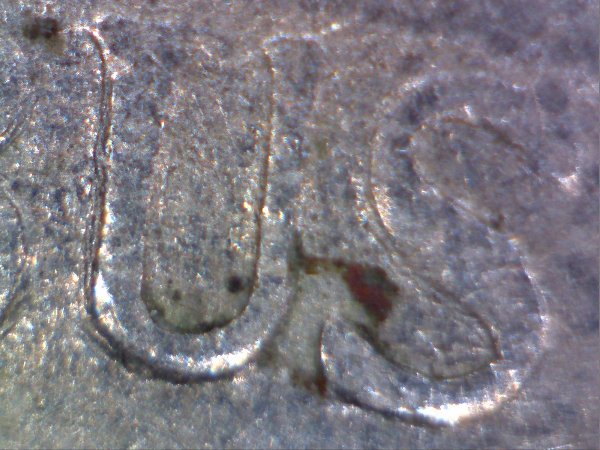
Based on the serif visible on the "S' in Pluribus, this looks like a Type II. The "S" is also thinner on the Type I.
"Nummi rari mira sunt, si sumptus ferre potes." - Christophorus filius Scotiae
|
|
Pillar of the Community
Canada
9901 Posts |
Bump has it right that is the best way to tell which one you have.
some where in CCF is a thread about this.
|
|
Pillar of the Community
United States
4809 Posts |
A Search is a terrible thing to waste...
You'll find a ton of information on a Search, so familiarize yourself with the tool and enjoy the returns. You usually get more than just what it was you were looking for.
For your specimen, the steps won't help. However, the S in PLURIBUS and the T in UNITED will help you determine what you have. The S is the easier of the two and generally the letter that doesn't wear to the point of uselessness. The S on your coin looks like the S for a 1940 reverse. A better picture would confirm it.
|
|
Bedrock of the Community
United States
62064 Posts |
Doesn't matter at this point. It would be a hard sell with all the coin wear already present either way.
|
|
Valued Member
 United States
493 Posts |
Thanks everyone, good info!
|
|
Bedrock of the Community
United States
79479 Posts |
You're very welcome and no problem! We are always glad and happy to help! We also love providing information as well from good sources.
Errers and Varietys.
|
| |
Replies: 8 / Views: 2,998 |
|










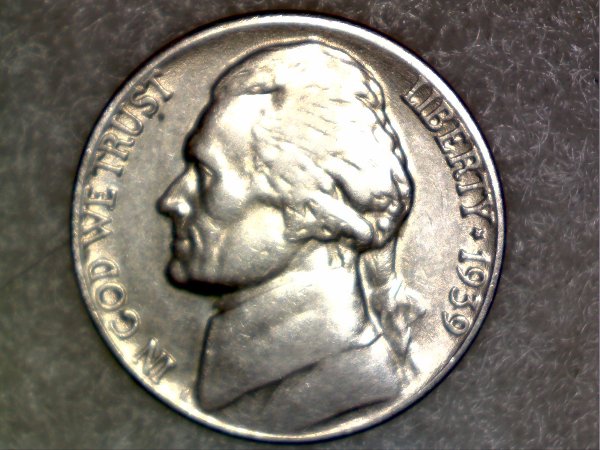
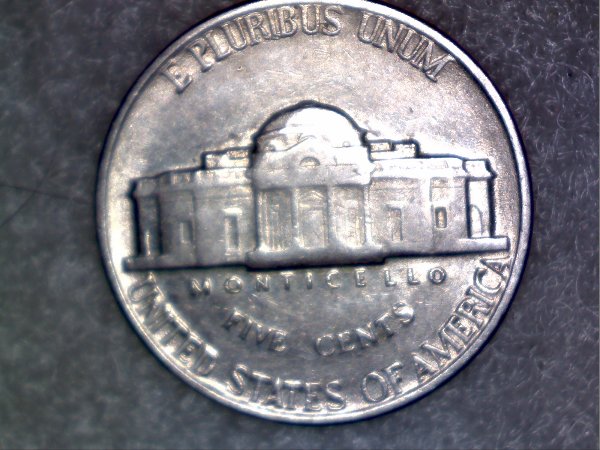


 Posted 07/23/2018 12:01 pm


 Without any details in the steps, it's going to be a much harder call to make. I can also see Machine Doubling on the letters as well. Here, I got some information that might help you. It's from PCGS's website. http://www.PCGScoinfacts.com/coin/detail/4003


