| Author |
 Replies: 15 / Views: 1,168 Replies: 15 / Views: 1,168 |
|
|
Valued Member
United States
492 Posts |
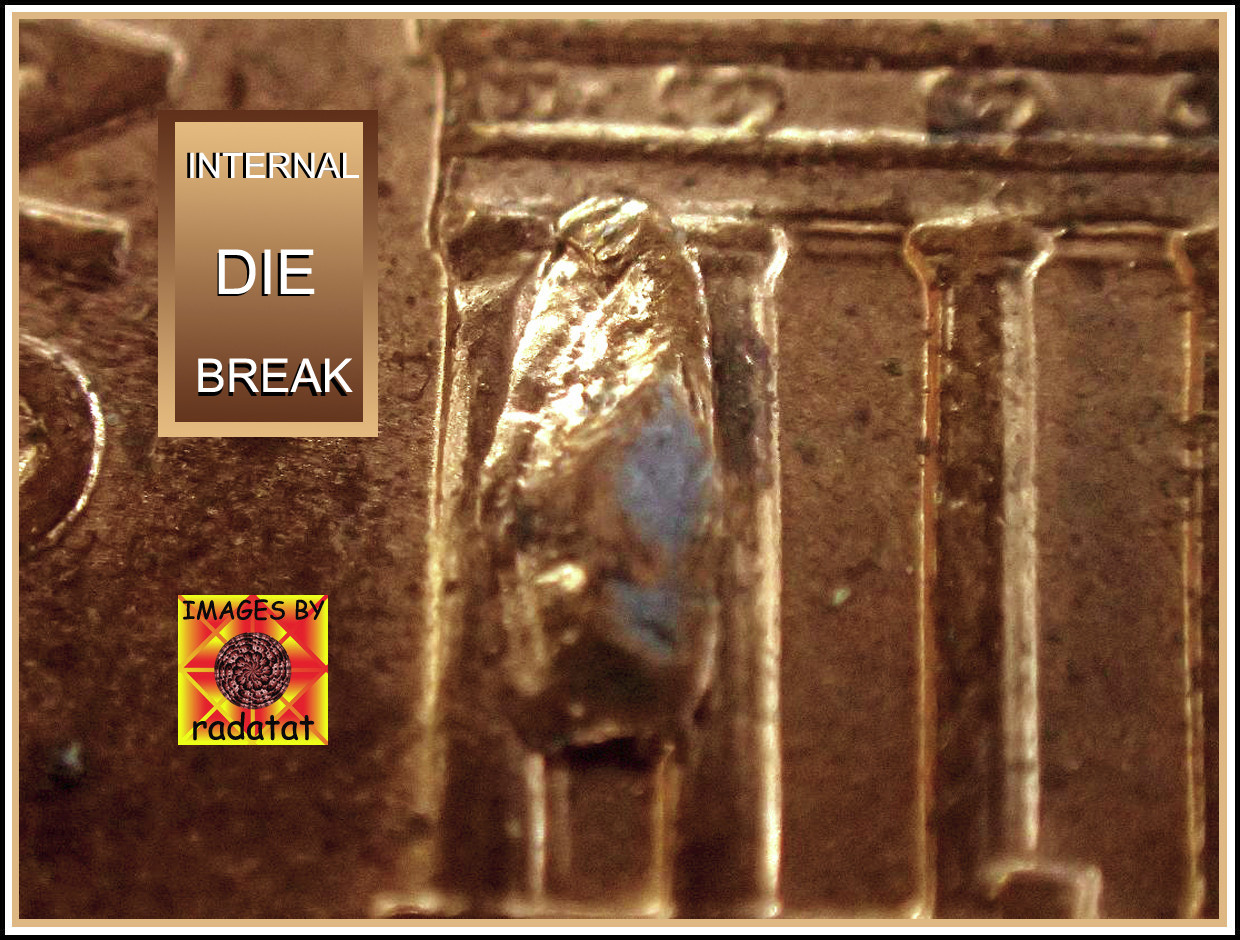
*** Edited by Staff to Add Year / Mintmark / Denomination to Title. Titles are Important! ***Greetings to all. Ah fun find today. Have a great weekend. Rich 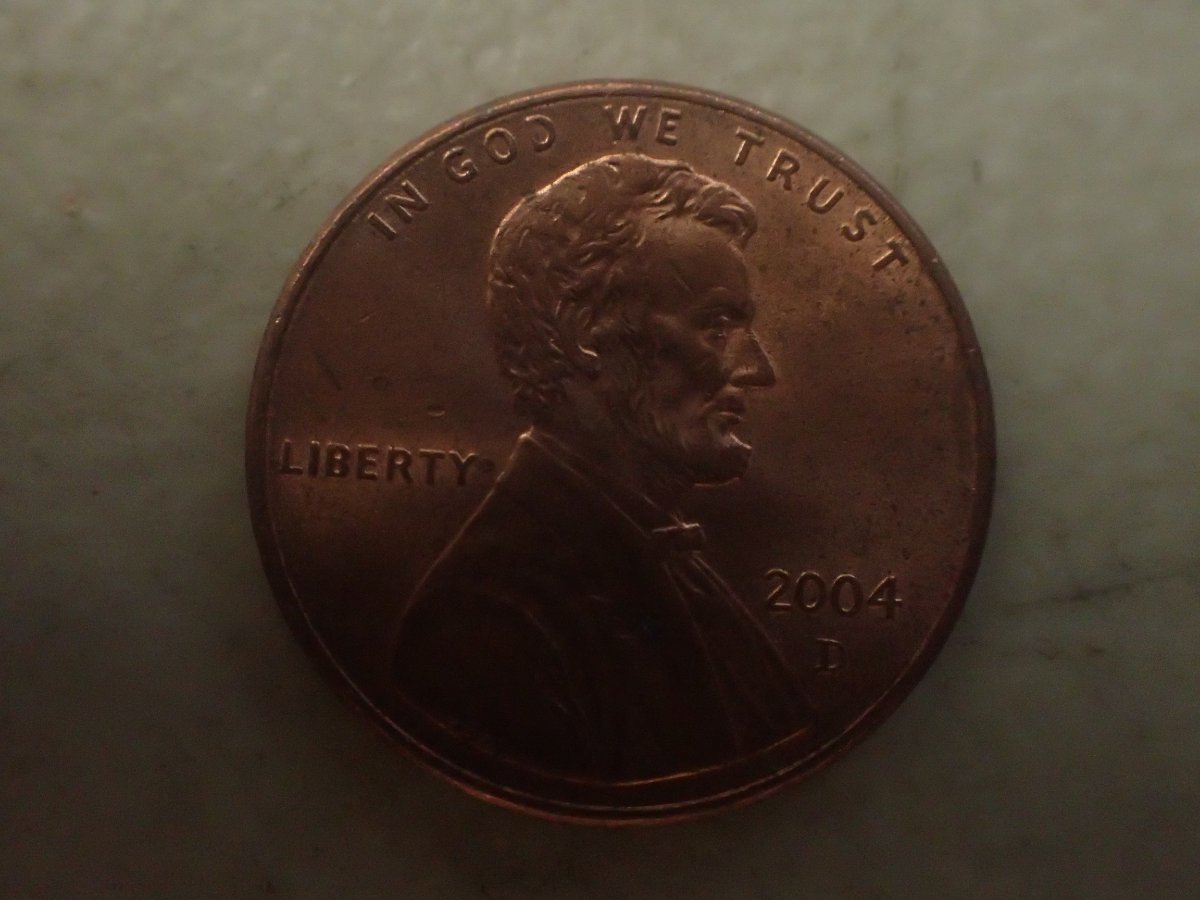 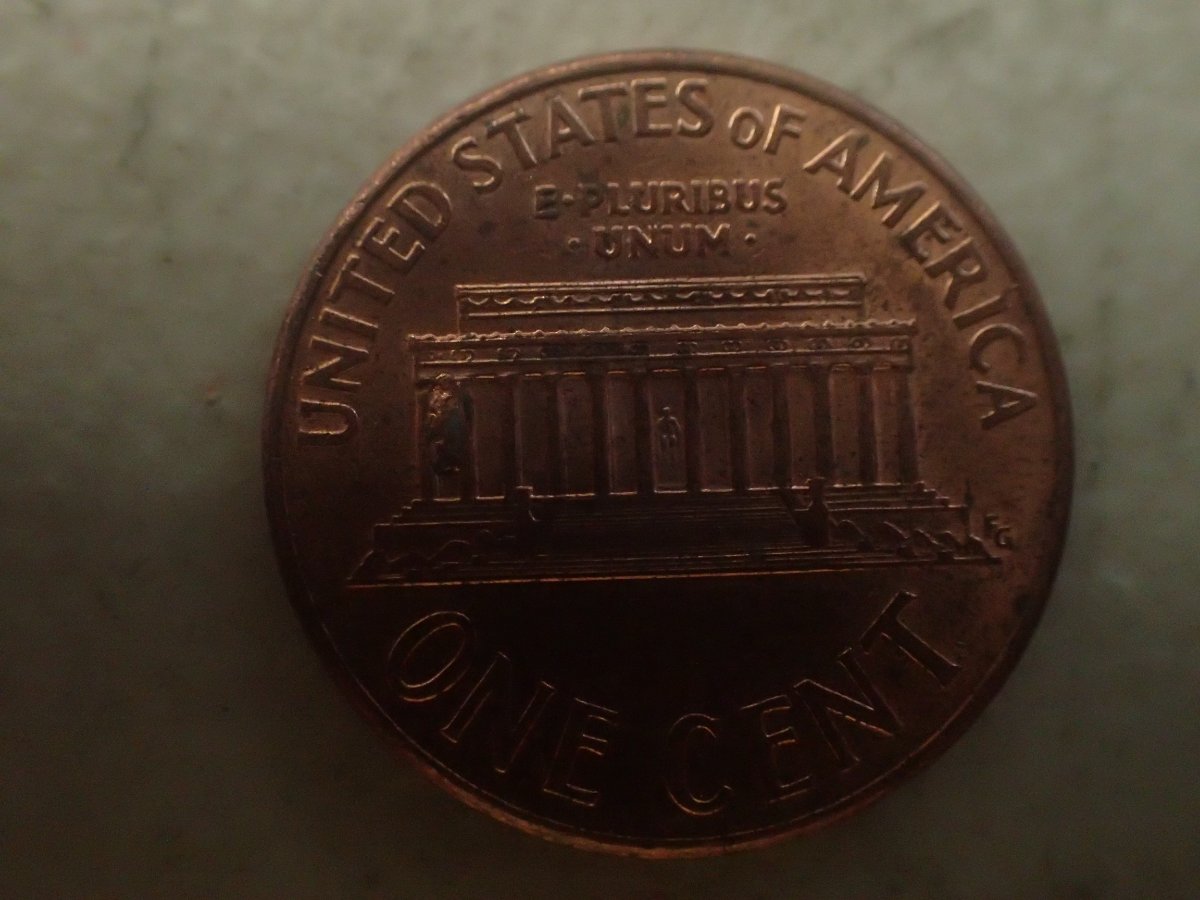 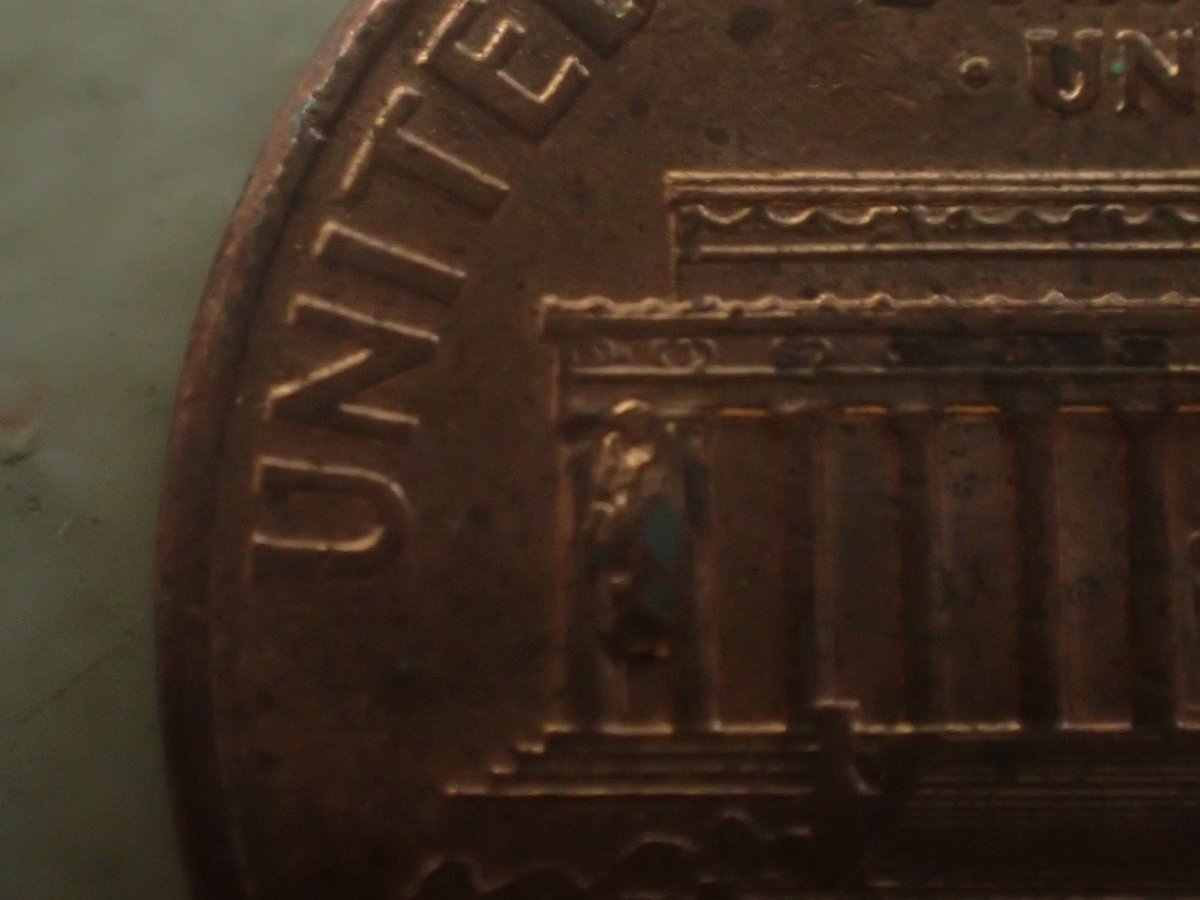 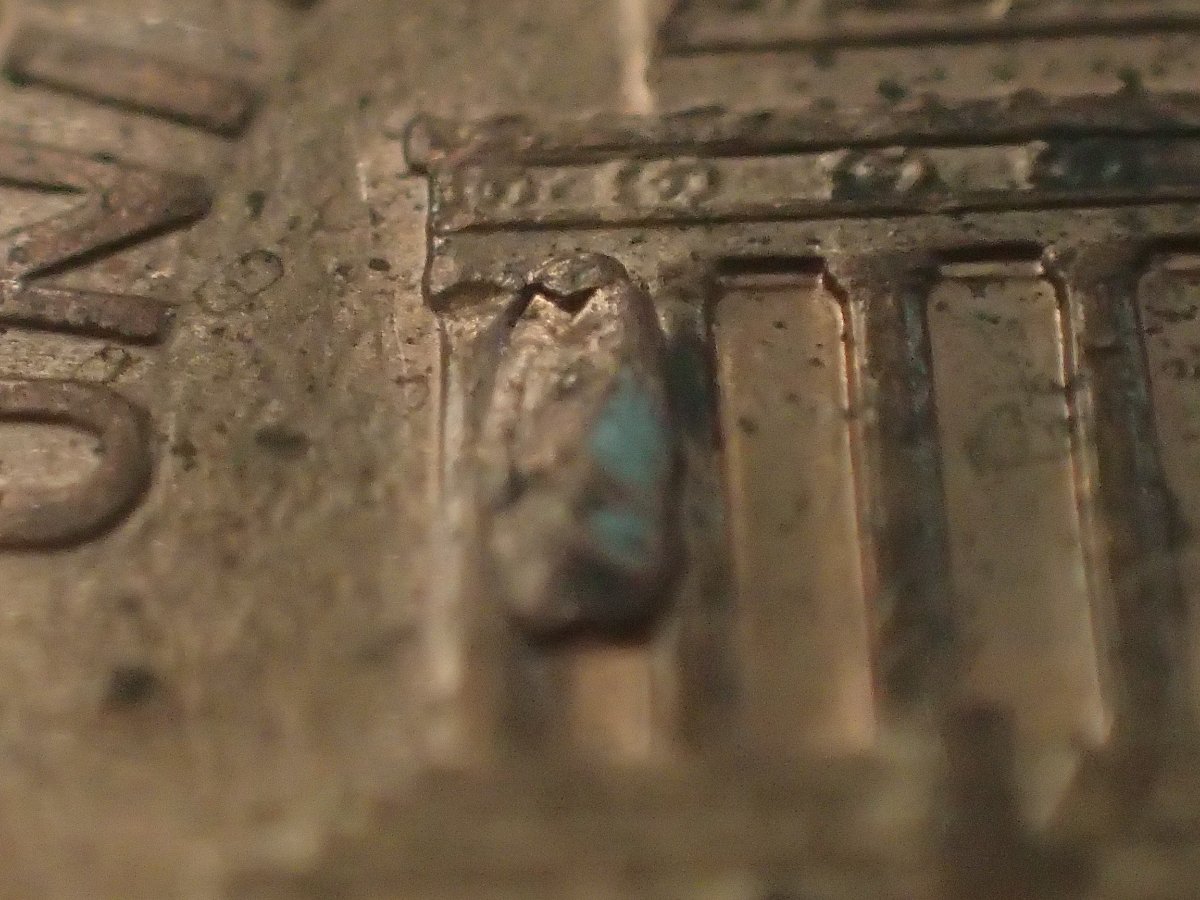
|
|
|
|
Moderator
 United States
56855 Posts |
Not a Cud,a large die chip. John1  |
|
Pillar of the Community
United States
7600 Posts |
Wow, that is a cool looking nugget you got.Biggest I've seen yet  Edited by Chase007
08/03/2018 5:34 pm
|
|
Bedrock of the Community
United States
79567 Posts |
Not a Cud. A Cud ONLY involves the rim. This is called an Interior Die Break. Very nice find and congratulations! Here's what Cuds actually are. cuds-on-coins.com/lincoln-cent-cuds-2000-2008/ Errers and Varietys.
|
|
Valued Member
 United States
492 Posts |
Right to all. I should have studied it closer. My bad again. Interior die break.
|
|
Pillar of the Community
7234 Posts |
|
|
Pillar of the Community
7234 Posts |
Quote:
This is called an Interior Die Break. I may be wrong BUT NOT a die break, seems to be a huge die chip like John1 stated - also a very common place for the die to chip off creating the "nest" - I collect these die errors. C'mon, don't mind if you post a million times a day BUT keep your information accurate. You seem to be right about 90% of the time BUT it's the 10% that may lead potential coin collectors down the wrong road. |
|
Bedrock of the Community
United States
62064 Posts |
That one looks more like a potato. If you could get a better image. I would like to add it to my educational files.
|
|
Bedrock of the Community
United States
79567 Posts |
Quote:
I may be wrong BUT NOT a die break, seems to be a huge die chip like John1 stated - also a very common place for the die to chip off creating the "nest" - I collect these die errors.
C'mon, don't mind if you post a million times a day BUT keep your information accurate. You seem to be right about 90% of the time BUT it's the 10% that may lead potential coin collectors down the wrong road. Are you sure about that Mark? It's considered a Die Break if it's 4 square millimeters or longer. That's why I said Die Break, instead of Die Chip.  As Crazyb0 stated, it's a free-standing Internal(Interior) die break.
Quote:A "free-standing Internal(Interior) die break (from http://www.error-ref.com)Quote: Definition: It's a rare event when a die chip is so large that it warrants being designated an interior die break. Interior die breaks should not be confused with " Cuds". By definition, a Cud is a die break that includes the rim and at least a little bit of the field. Interior die breaks have no direct connection to the rim. They may have an indirect connection via a die crack or split die. Since voids left in the die face by natural fractures span an unbroken size continuum, there is no clear boundary between a "die chip" and an "interior die break". Any void encompassing an area of 4 square millimeters or more qualifies as an interior die break. Any void that covers less than 1 square millimeter is a die chip. In between is a gray area. Die chips are commonly encountered in all denominations. In Lincoln cents they include "BIE" errors, "plugged" 5's and 9's, and "bugs in the wheat ear". Errers and Varietys.
Edited by Errers and Varietys
08/04/2018 12:29 pm
|
|
Moderator
United States
14463 Posts |
You should include the date, mintmark, and the denomination in your titles. Why Topic Titles are ImportantThe title of your topic is very important. Let's say you need help attributing an 1896 Morgan Dollar.... - Horrendous: Help!
- Bad: Need help with coin
- Better: Need help with Morgan Dollar
- Good: Need help with 1896 Morgan Dollar
- Awesome: Need help with V
This enables the members with expertise pertaining to your question to easily find and answer your question. The title of the topic also becomes the title of the topic's web page, which enables us to attract more collectors to the site. The more members we have, the more we learn. |
|
Rest in Peace
10197 Posts |
A "free-standing Internal(Interior) die break (from http://www.error-ref.com)Quote:Definition: It's a rare event when a die chip is so large that it warrants being designated an interior die break. Interior die breaks should not be confused with " Cuds". By definition, a Cud is a die break that includes the rim and at least a little bit of the field. Interior die breaks have no direct connection to the rim. They may have an indirect connection via a die crack or split die. Since voids left in the die face by natural fractures span an unbroken size continuum, there is no clear boundary between a "die chip" and an "interior die break". Any void encompassing an area of 4 square millimeters or more qualifies as an interior die break. Any void that covers less than 1 square millimeter is a die chip. In between is a gray area. Die chips are commonly encountered in all denominations. In Lincoln cents they include "BIE" errors, "plugged" 5's and 9's, and "bugs in the wheat ear". |
|
Valued Member
United States
492 Posts |
Wow. Lots of thoughts. Thanks. My last check of COC indicates an interior die break like Crazy notes. COC definitions leave a bit of gray area in my opinion. My 2 years of searching for these wonderful varieties and errors surely needs work. BTW I think I did include the coin, date and MM in the title. Maybe I should put it first. Thanks again. Rich. I am working on a better pic coop.
|
|
Moderator
United States
14463 Posts |
There was no denomination in your title, so I inserted (L
|
|
Valued Member
United States
492 Posts |
|
|
Valued Member
United States
492 Posts |
This coin posted on COC as IDB-1c-2004D-01R. Thanks for all your help. Rich
|
|
Bedrock of the Community
United States
62064 Posts |
|
| |
Replies: 15 / Views: 1,168 |
|







 Posted 08/03/2018 5:33 pm