MaximillianMike 
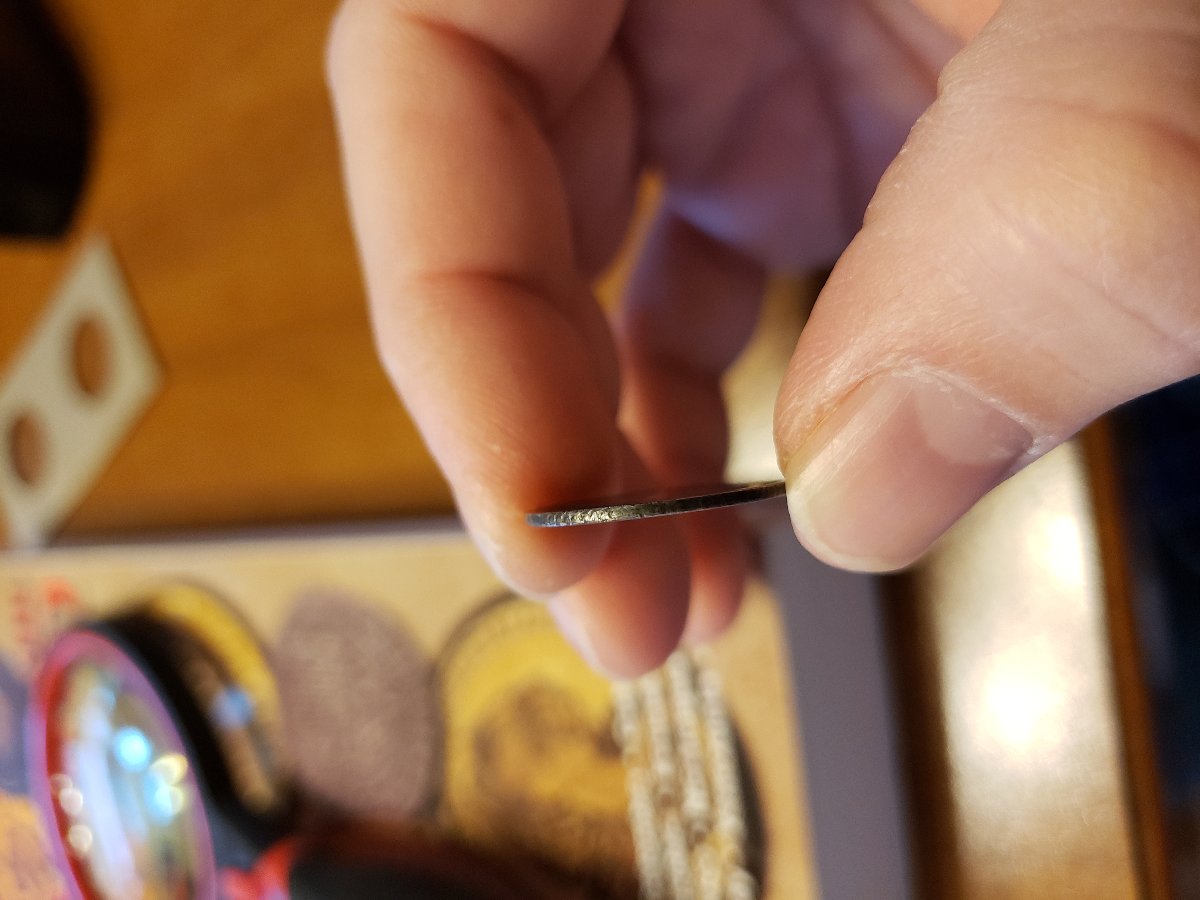
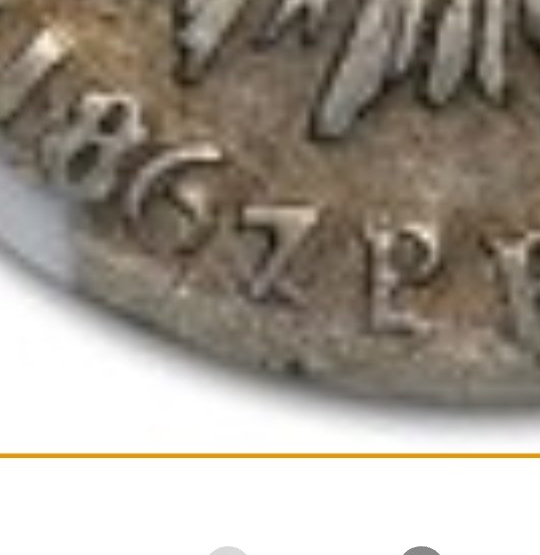
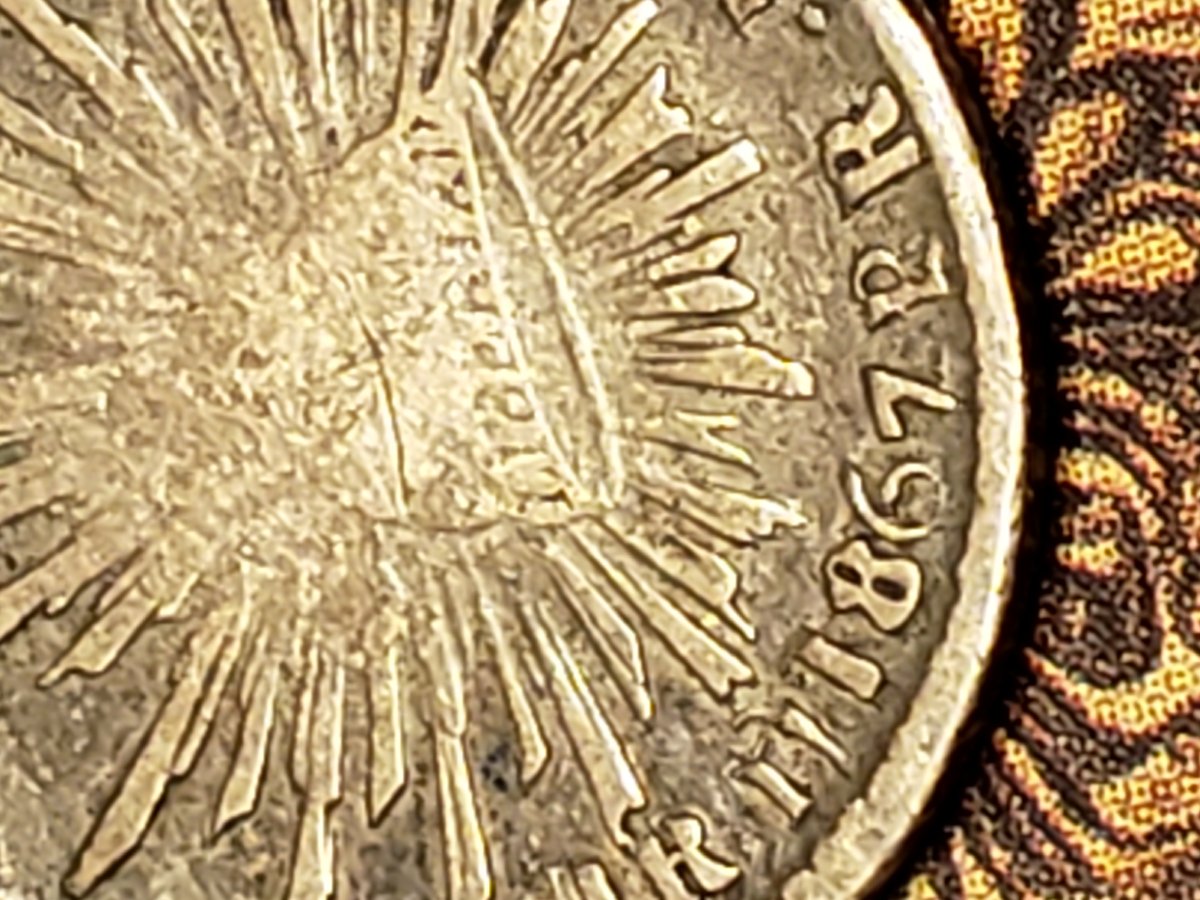
I do not know who told you that this coin is a counterfeit but I presume it was someone with limited experience with the Hermosillo mint in particular and with counterfeit coins in general.
I have virtually no doubt that this coin is genuine. I collect contemporary counterfeit Mexican coins and quite frankly I would not give this one a second look as a counterfeit.
To understand why I am of this opinion, I need to explain a few basic facts about counterfeit coins and their "evil cousins" the numismatic forgeries.
1. Counterfeit coins are made to pass into normal circulation at face or market value.
2. Numismatic forgeries are made to defraud collectors.
3. Counterfeit coins are generally of some numismatic value to specialists. Some are worth more than their
genuine counterparts.
4. Forgeries are seldom worth more than melt.
5. Counterfeiters produce coins to make a profit in normal circulation.
6. To avoid capture, counterfeiters produce coins that will not draw unnecessary attention.
7. Counterfeiters therefore do not make rare coins. They make coins that are seen in common circulation at the time they are making their fakes.
8. Periods of monetary scarcity (like the hard times of 1837) will cause more counterfeits to be produced.
9. Counterfeiters will intentionally make their coins to appear worn - a worn dirty coin attracts little attention.
10. Numismatic Forgers usually target rare dates and scarce mints. Poor quality forgers will target common coins and sell them at bargain prices however.
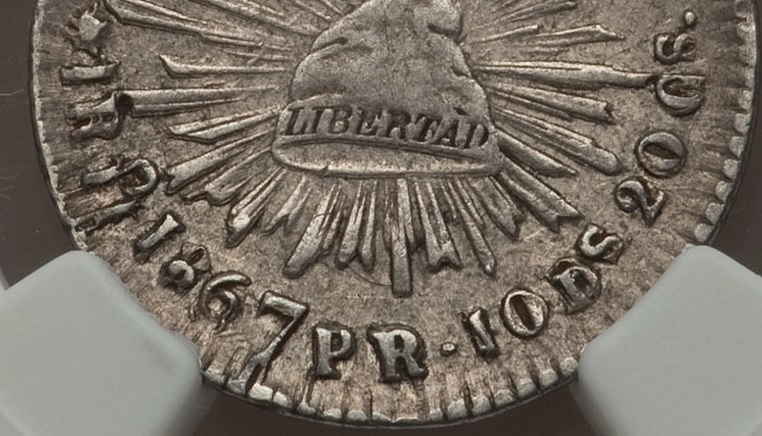
So using these facts above, we see in your example a coin made at a very low output mint in 1867. Knowing the characteristics of the mint, we know that the genuine dies in Hermosillo were made rather crudely. Knowing the design matrix, we see that the die style is correct and that the punch fonts match the original issues.
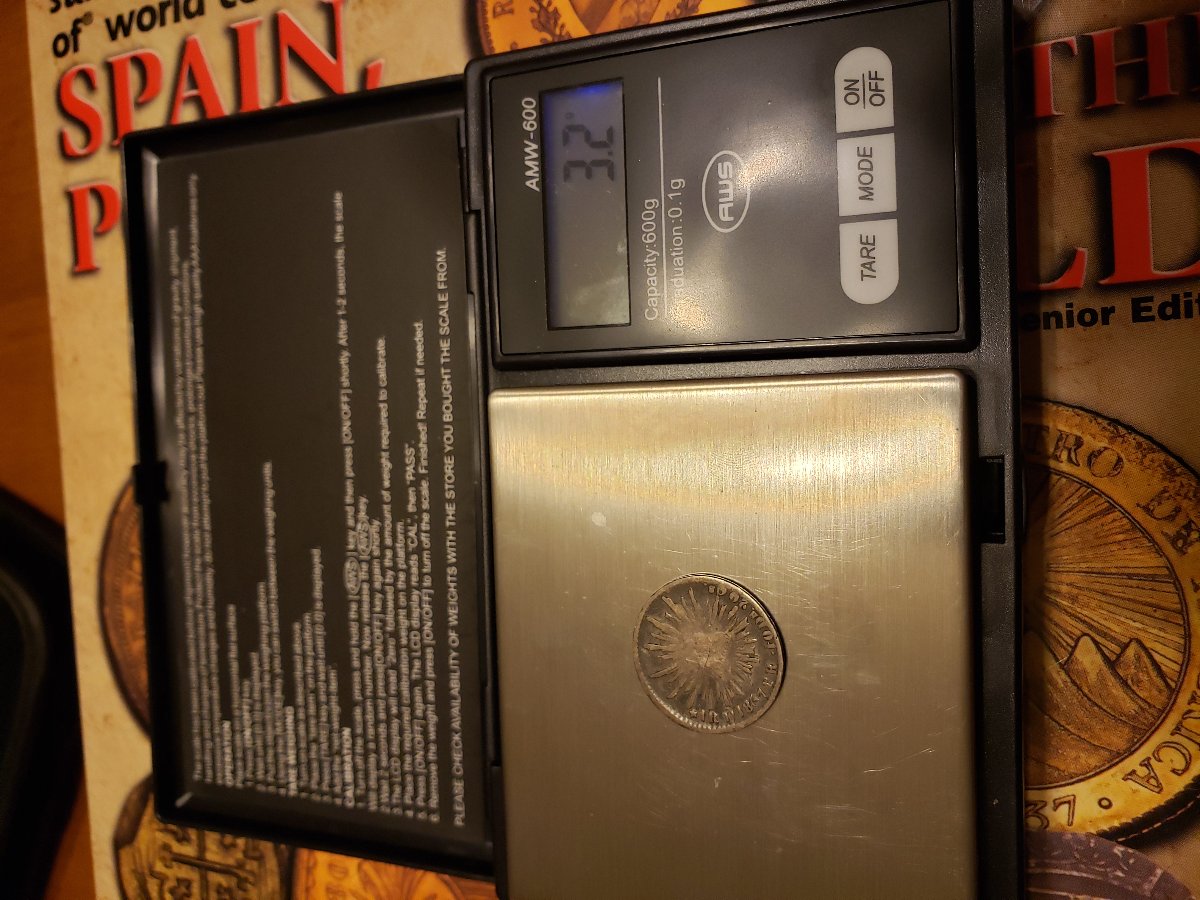
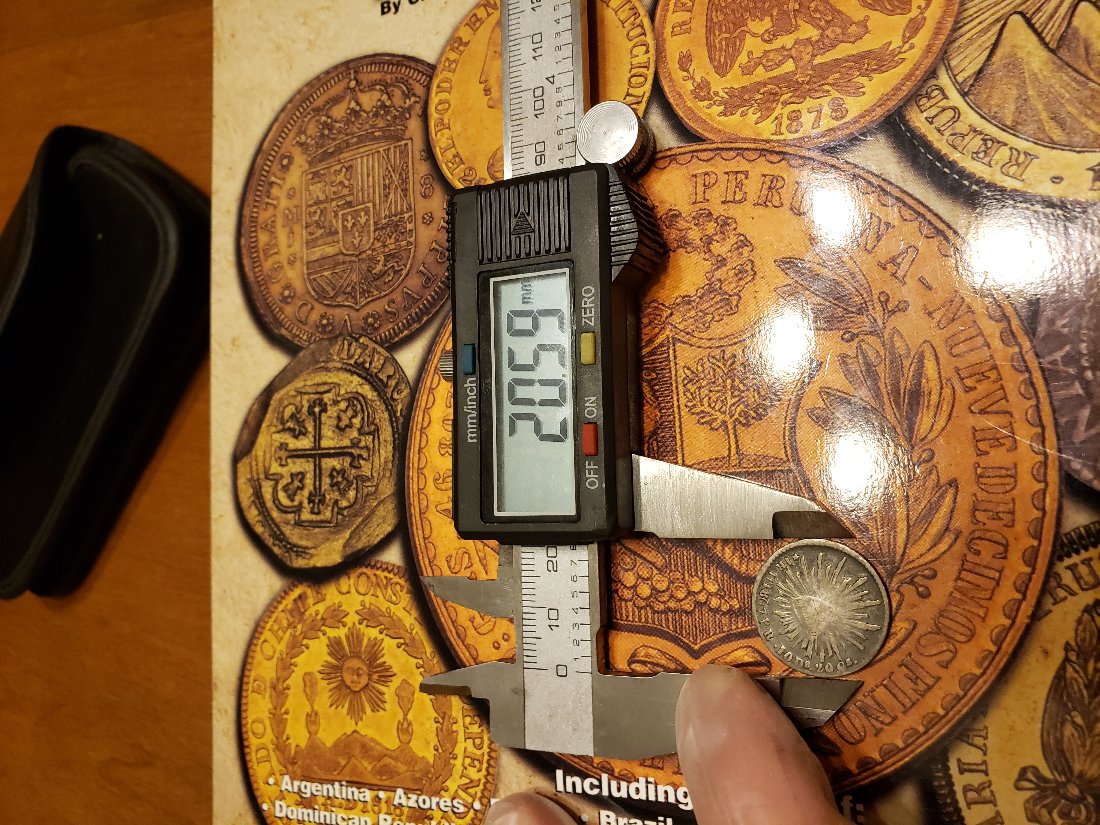
Based on a one digit weight 3.4 grams, I presume that to be accurate to no more than +/- 0.05 grams more or less. The standard weight of a new 1R is 3.38 grams. Given the wear level seen here, the coin is very slightly heavy but not outside tolerance at the time. Remember that by 1867 silver prices were dropping worldwide and the 1R was fast becoming a token issue. Also the decimal 10 centavo was about to replace the old reales system. So targeting a reale of this date is less likely.
In 1867 in Mexico the political situation was rather volatile but contemporary circulating counterfeit coins from 1867 and the years immediately before or after are not at all common. There was no monetary scarcity that drove wholesale counterfeiting. The monetary problems of the 1870-1890 period drove the creation of base metal 10 centavos and older 1R types predominantly dated in the 1840s. This can be observed in the contents of numerous large hoards of counterfeit coins buried before 1920.
Given that 1R coins generally circulated locally, it is not likely that a counterfeiter outside the Hermosillo area would target this coin because it would not be familiar in the larger urban markets. The Sonora eagle design would likely attract too much attention when passed and so would be avoided by counterfeiters in other areas.
The coin does not satisfy the "normal" parameters for a contemporary circulating counterfeit coin. It would be more likely to be a Numismatic Forgery. However, because it matches the "normal" output of the mint I see no great possibility of that being the case here.
Most counterfeits are examples of common coins (seen in circulation at the time the forger operated). So when you hear that a counterfeit is worth more that an original - the presumption is that the original is common and in a low grade (as most counterfeits are) it sells for rather low prices. In those cases a counterfeit sells for more than an original. Think 1834 Zs 8R in g-vg grade with scratches.
There are very rare exceptions like the contemporary counterfeit Iturbide issues or Hookneck coins but they tend to be VERY rare with most issues being unique.
I hope this explains in particular the case of the value of a counterfeit exceeding a genuine coin.







 Posted 12/23/2018 01:30 am