| Author |
 Replies: 11 / Views: 1,409 Replies: 11 / Views: 1,409 |
|
|
New Member
United States
8 Posts |
Hello, Picked up a Three Cent Silver piece with some interesting attributes, was hoping to get some other eyes on it - potentially struck on what was previously a foreign coin? size/weight - double regular weight (~1.6g vs 0.75g) - thicker than a normal trime - same diameter as normal trime (14mm) - medal alignment obverse - generally well struck but mushy at bottom (date, shield), date potentially double punched/longacre doubling? - looks like a circle intersecting date and bottom tip of star, but underneath (aka previous design on coin?) reverse - well struck other than area corresponding to date on obverse - looks like small circles around edge Reading Breen's encyclopedia on Type III trimes, 2 things stand out to me 1. Specie payments suspended on East Coast Dec 28 1861 due to the Civil War, leading to hoarding of silver coins. As a result reduced quantities of silver arrived at the mint, and stock was "mostly from uncurrent or worn-out coins melted for the purpose" 2. Breen mentions counterfeits made during the war 1859-1862 inclusive, but to my eyes this doesn't match his description, specifically "Dates are always larger than on the genuine issue; letters are apt to be irregularly spaced and wider than the genuine" What do you think? 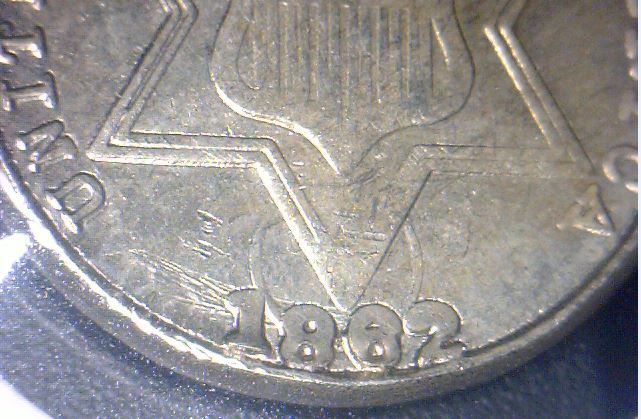 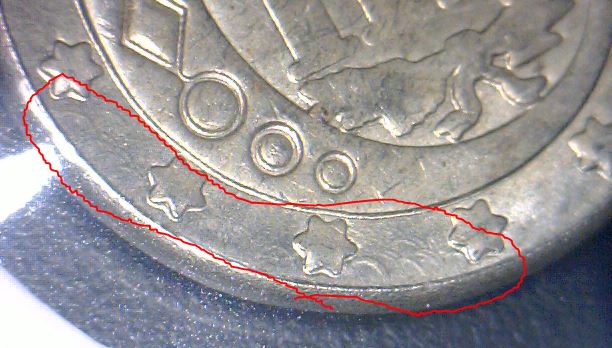 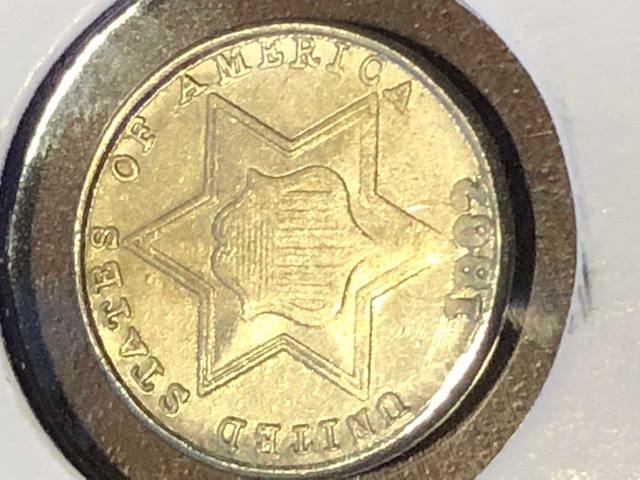 |
|
|
|
Pillar of the Community
 United States
8946 Posts |
No 3C silvers were struck in 1862. A crude counterfiet maybe, let's see what others think.
|
|
New Member
 United States
8 Posts |
|
|
Moderator
 United States
195482 Posts |
 to the Community! |
|
Pillar of the Community
United States
1676 Posts |
That is a counterfeit. Look at the date on a genuine coin, the digits on yours are way too large and misshapen.
|
|
Pillar of the Community
United States
6853 Posts |
 The date is way to big |
|
Pillar of the Community
United States
3453 Posts |
There are many problems with this coin that indicate it is not authentic: 1) Date is wrong 2) Letter font is wrong 3) Star lines too thick 4) Extra lines around the symbols in the C 5) Mushy stars Just to name a few  |
|
New Member
United States
8 Posts |
Thanks all, good thing I asked!
|
|
Pillar of the Community
United States
4617 Posts |
Be aware that CONTEMPORARY counterfeit trimes are collectable. In fact circulated ones can sell for more than their genuine counterparts. There aren't a lot of interested collectors but there are some. I've won a couple bidding wars on ebay. The most common material is german silver (a white alloy of nickel zinc and copper). Other metal alloys are known. -----Burton 50+ year / Life / Emeritus ANA member (joined 12/1/1973) Life member: Numismatics International, CONECA Member: TNA, FtWCC, NETCC, EveryCountry (online) coin club Owned by three cats and a wife of 40+ years (joined 1983) Author: 3rd Edition of the Sample Slabs book, https://www.sampleslabs.info/ |
|
Bedrock of the Community
United States
17884 Posts |
That's not a contemporary counterfeit though.
|
|
New Member
United States
8 Posts |
2 questions,
1. How would you tell a "contemporary" from a "modern" counterfeit? Metal content?
2. Why would a contemporary counterfeit sell for more than a genuine? Credit to the skill of the counterfeiter?
|
|
Pillar of the Community
United States
4617 Posts |
WRT #2
Less common. Many of the contemporary counterfeits are known from only a few examples. Vs, say 497,000 minted 1861s.
-----Burton 50+ year / Life / Emeritus ANA member (joined 12/1/1973) Life member: Numismatics International, CONECA Member: TNA, FtWCC, NETCC, EveryCountry (online) coin club Owned by three cats and a wife of 40+ years (joined 1983) Author: 3rd Edition of the Sample Slabs book, https://www.sampleslabs.info/ |
| |
Replies: 11 / Views: 1,409 |
|










 Posted 01/19/2019 7:42 pm


